|
Fields notes are spaces to collect observations from the natural world. They often include artistic sketches or written descriptions of particular phenomena, along with reflective questions or ideas about the meaning of what's been observed, possible implications, and directions for further inquiry.
With the recent launch of the Center for Ecological Regeneration at Garrett, we'll be periodically sharing notes from the field to support our mission to spread ecological theological understandings, earth-based religious practices, and cooperative solidarities for the healing of creation and the just flourishing of all.
In this first issue, we're excited to share collections from center’s launch in April and installation of a new endowed chair in ecological theology and practice at the seminary, along with additional updates and events.
| | Launch of the Center for Ecological Regeneration | |
Installation Address
You can read the installation address.
“The Just Healing of God’s Creation for the Flourishing of All," by Rev. Dr. Timothy R. Eberhart, on Garrett's website.
| |
Installation Recording
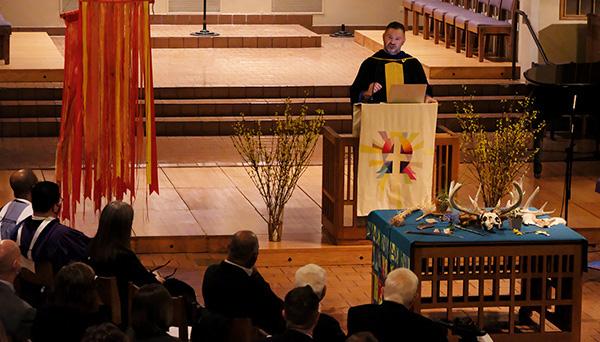
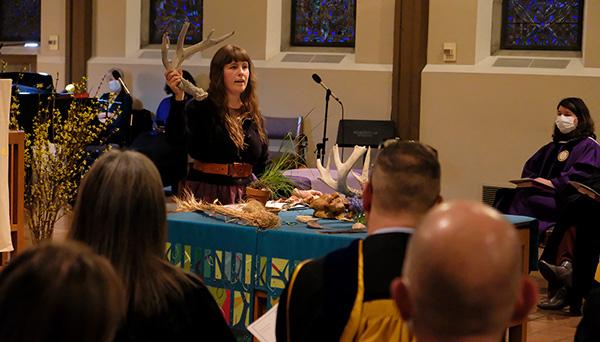
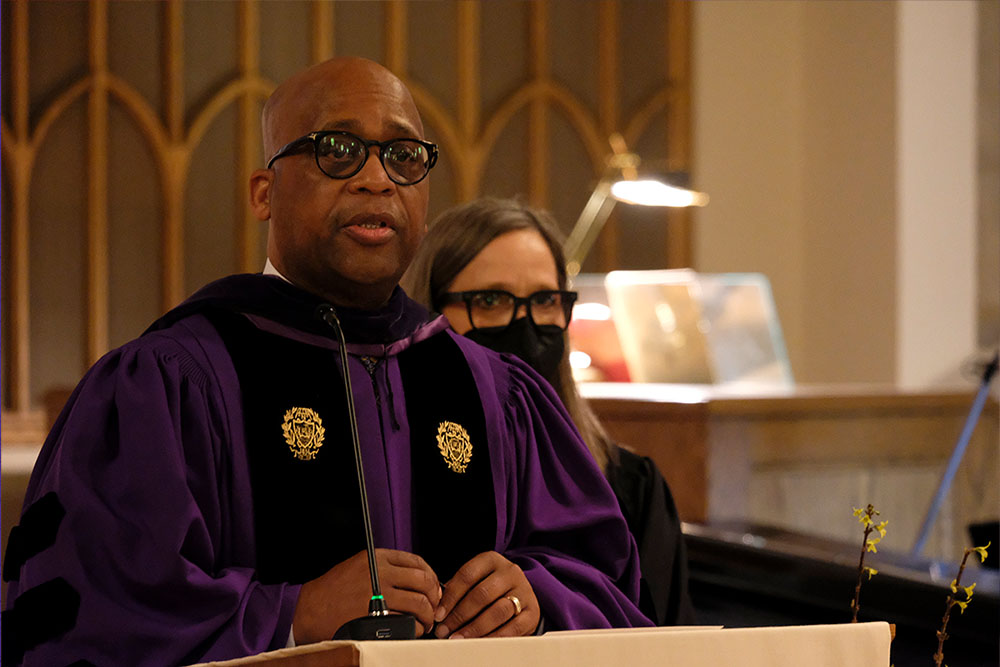
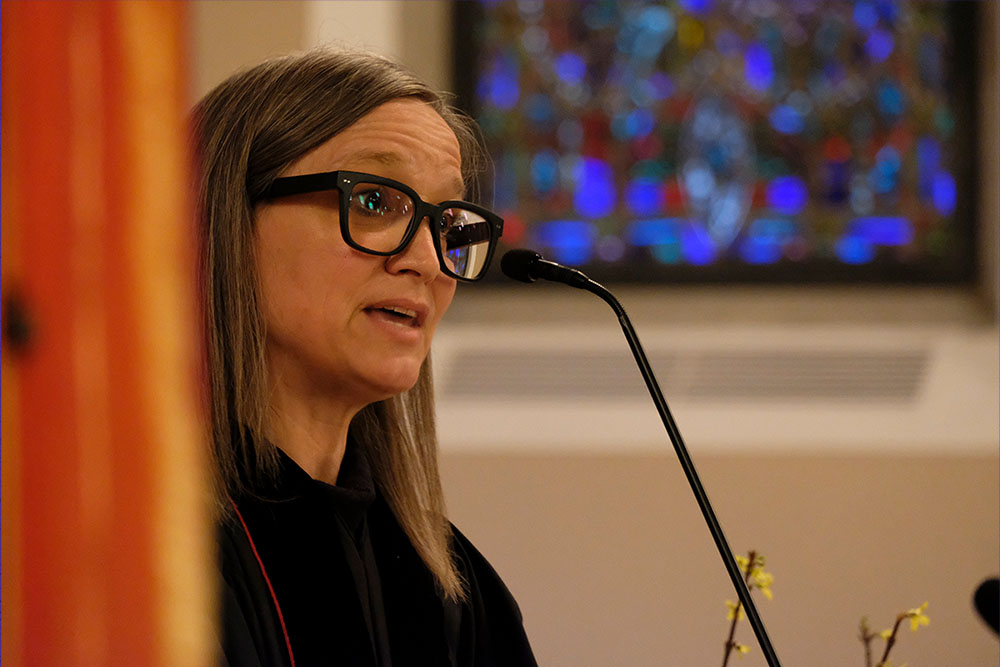
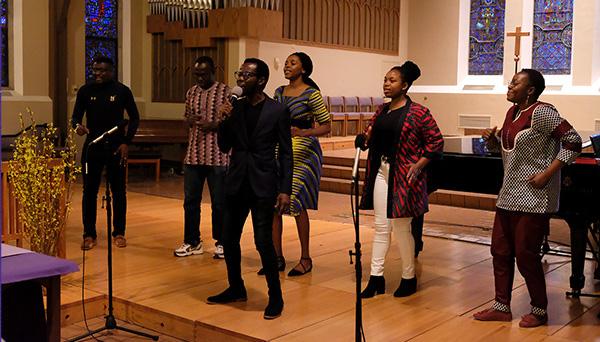
A recording of the April 22nd launch of the Center for Ecological Regeneration and the installation of Rev. Dr. Timothy R. Eberhart to the Robert and Marilyn Degler McClean Chair for Ecological Theology and Practice is available for viewing on Garrett's YouTube channel.
| |
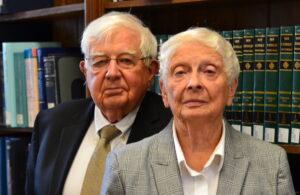
L. Robert (GBI 1959) and Marilyn (Degler) McClean (GBI 1958) established the Robert and Marilyn Degler McClean Chair in Ecological Theology and Practice in 2022. In addition, they have provided significant support for the work of the Center for Ecological Regeneration.
Garrett-Evangelical is proud to claim both Robert and Marilyn (Degler) McClean as distinguished alums of the seminary. In 2019, they were inducted into the seminary’s Founders Society.
In addition to their annual leadership support, Robert and Marilyn have also made a significant planned gift commitment to the seminary to create an endowment fund, with the earnings to be used to support programs, faculty, and/or scholarships that promote international justice, peace, and ecology — areas that reflect their own lifelong values.
| | Charges Given to the Center for Ecological Regeneration | | | | History of Centers at Garrett-Evangelical Theological Seminary | |
Center for Ecological Regeneration Mission and Vision
| | |
|
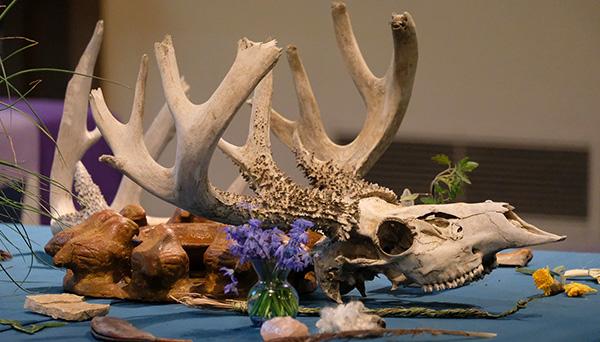
Creative God, you spread the earth with life in many forms:
the deer and elk and columbine, the bee in humming swarms.
Forgive us for each flow’r and bird now vanished by our hand.
Teach us to treat with loving care the creatures of the land.
The planet teemed with living things before all human birth,
and even fire and beasts of prey renewed the life of earth.
Forgive us, that the last to come, we threaten sea and air.
Teach us to tend life’s fragile web with wise and tender care.
O playful God, you fill the field with lavender and blue.
You paint the bird with indigo, with red or tawny hue.
Forgive us that we grieve your heart, destroying what you do,
and teach us simpler, gentler ways to live on earth with you.
Amen.
|
Blessing by Timothy R. Eberhart
May you be blessed by the land who is your environs, your neighbor, your home.
May you receive inspiration from the waters of lake Michigan to your East,
Guidance from the boreal forests to your North,
Encouragement from the upland Hills to your South,
Imagination from the tall prairie grasses and flowers to your West,
Protection by the native oak savannas above your head,
And deep solidarity from the rich loamy soils beneath your feet.
May you hear the voice of God in the bison, jackrabbits, otters, elk, and eagles,
The pigeons, white-tailed deer, black bears, coyotes, and prairie dogs.
May you sense divine presence in the sturgeon, northern walleye, and yellow perch.
May you revel in the movements of cosmic mystery in the pollinating bees,
migrating butterflies, and singing birds.
And may your longings for justice join with their groanings for liberation
on our way, together, to a New Creation.
In the name of God our Mother, Christ our Brother, and the Spirit of Life.
Amen.
| Words of Support for the Center | | |
I am filled with hope for the Center's mission to renew our relationships with the land and with one another, and it is of special significance that those undertaking this work see it as foundational to their theological understandings and commitments to holistic justice and community action.
-
Claire Bjork, Earth Partnership/Indigenous Arts and Sciences and the Caring for Common Ground Initiative
| | |
The Center for Ecological Regeneration meets a desperate need for an alternative story for the sake of ecological justice, one that respects the multiple ecological relationships that form a regenerative, interconnected web of life.
-
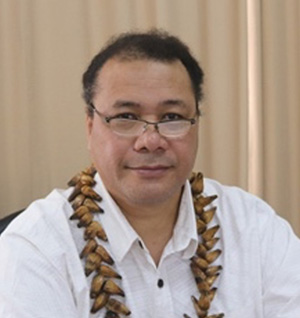
Reverend Dr. Upolu Luma Vaai, Pacific Theological College, Suva, Fiji
| | |
Our religious traditions have a crucial role to play in the reparative work of transitioning toward a more life-sustaining and just future.
| | Certificate in Ecological Regeneration | | |
This 15-credit-hour certificate will allow you to take graduate courses in ecological theology, environmental ethics, and practical eco-theology to equip them for environmental ministries in diverse contexts for the sake of ecological healing and justice.
The certificate complements the variety of ecological-focused programming options at Garrett, including the ecological regeneration concentration within the Master of Arts in Public Ministry and Master of Divinity degree programs, and the recently launched Center for Ecological Regeneration.
| | Indigenous Study Committee | |
At the April launch of the center, President Javier Viera charged the CER to support the work of a newly formed 14-member Indigenous Study Committee as the first major initiative of the center over the 2022-2023 school year. In his letter to committee, he wrote:
Garrett has a long history of critical engagement with matters of social justice and moral accountability in relation to movements for racial equity, women’s liberation, economic justice, LGBTQ rights, environmental sustainability, and more. These commitments, which are based in our affirmation of the liberating and reconciling Gospel of Jesus, are embedded in and expressed throughout our curriculum as well as through our centers and institutes. For many of us, decolonial and indigenous perspectives are also increasingly integral to our scholarship, teaching, advocacy, and spiritual imagination.
At the same time, we as a seminary recognize our historic ties to and complicity with religious, ideological, and institutional systems that carried out the displacement of the first peoples of this land, executed the betrayal of treaty promises, and justified the terrible crimes of theft, murder, cultural genocide, and more through the distorted logics of European, Christian, race-based, and related supremacies. We are also aware of our location on the campus of Northwestern University in Evanston, IL, which sits on the traditional homelands of the people of the Council of Three Fires, the Ojibwe, Potawatomi, and Odawa, as well as the Menominee, Miami, and Ho-Chunk nations.
We know enough about our complicated and painful past to seek deeper knowledge, both to better understand our particular institutional history and to better respond with wisdom and care. I am inviting you to help us in this important work of truth-telling, accountability, and repair. The charge of the committee is this:
The Indigenous Study Committee is commissioned to research past and present realities of Garrett-Evangelical's impact on and relationship with the native peoples of our bioregion, highlighting decolonial indigenous theological perspectives and practices, consulting with appropriate tribal, denominational, and institutional leaders, providing a truthful accounting of historical record, exploring potential future partnerships with indigenous-led organizations and initiatives, and proposing concrete recommendations to the seminary for reparative actions. The committee will meet monthly, starting May 2022, and conclude with a report by May 2023.
More information, along with opportunities to engage, learn from, and contribute to the work of the Indigenous Study Committee will be shared in the coming weeks and months.
|
Ecowomanism and the Jackson, Mississippi, Water Crisis with Rev. Dr. Melanie L. Harris
September 28th | 12 p.m. (CDT) | Online
|
Necessary Care to Inhabit the Earth: Theological Reflections from the Global South with Leonardo Boff
October 6th | 11 a.m. - 1 p.m. | Online
|
Richard E. and Anna Lee Hamilton Series on Theology and Contemporary Issues: “Creation Care and Stewardship for the Earth,” Keynote Address and Sermon by Dr. Timothy R. Eberhart
October 8th-9th | North United Methodist Church, Indianapolis, IN
| | | | |