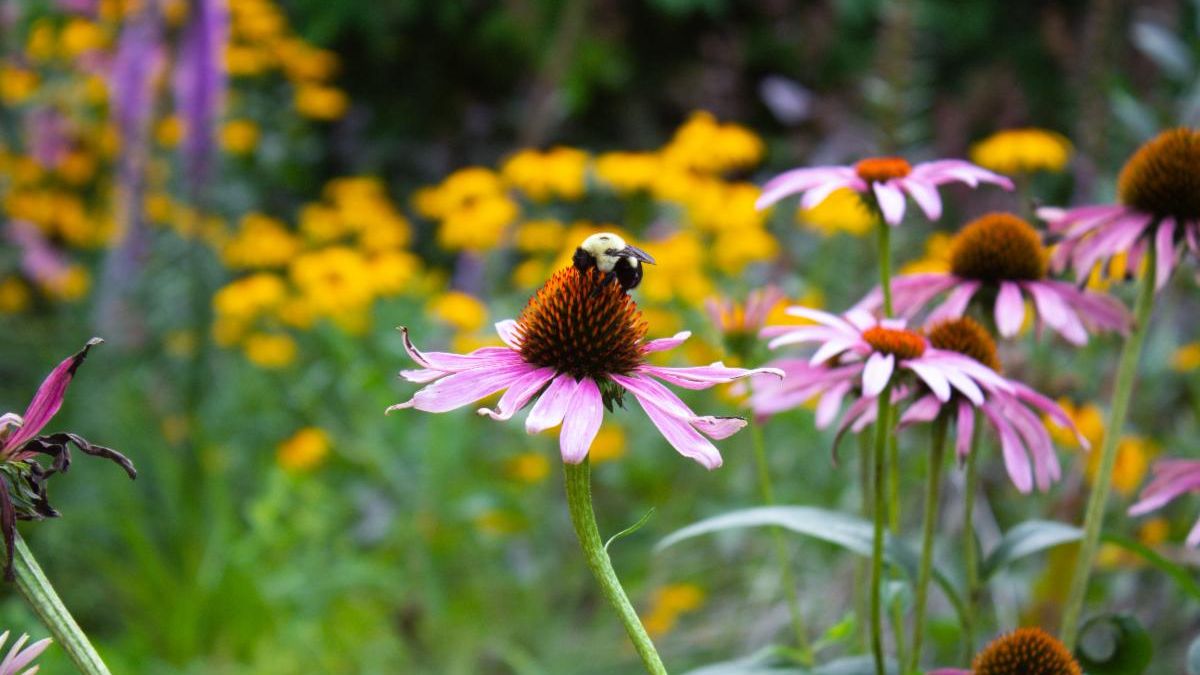
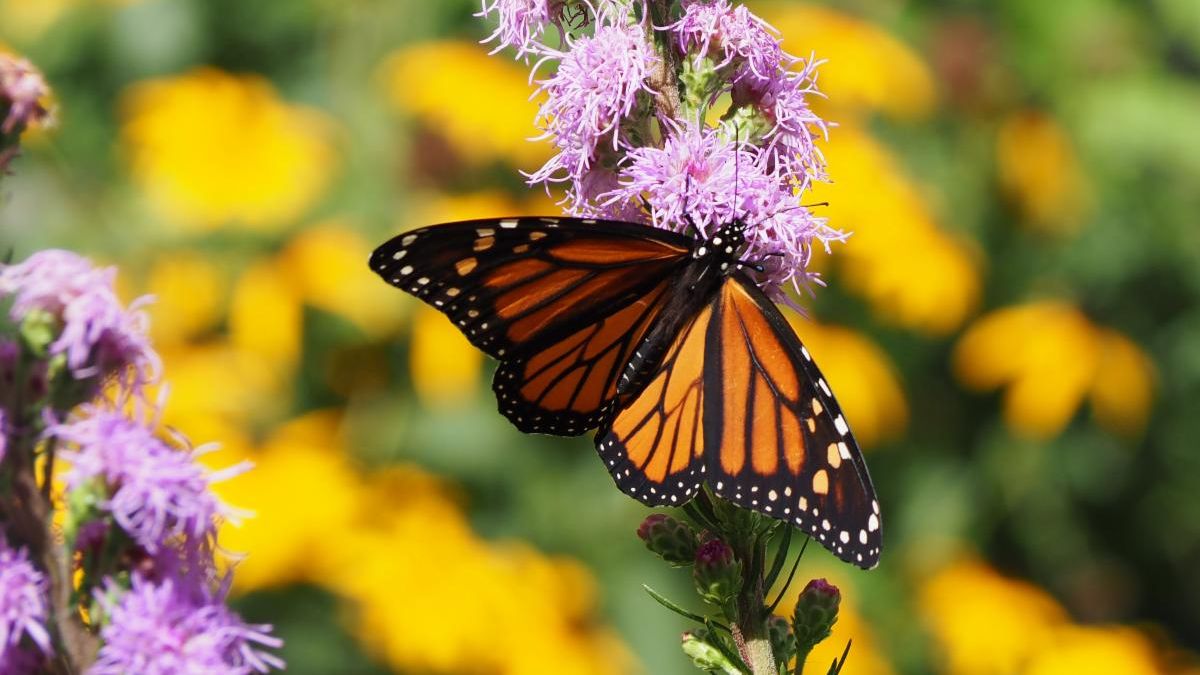
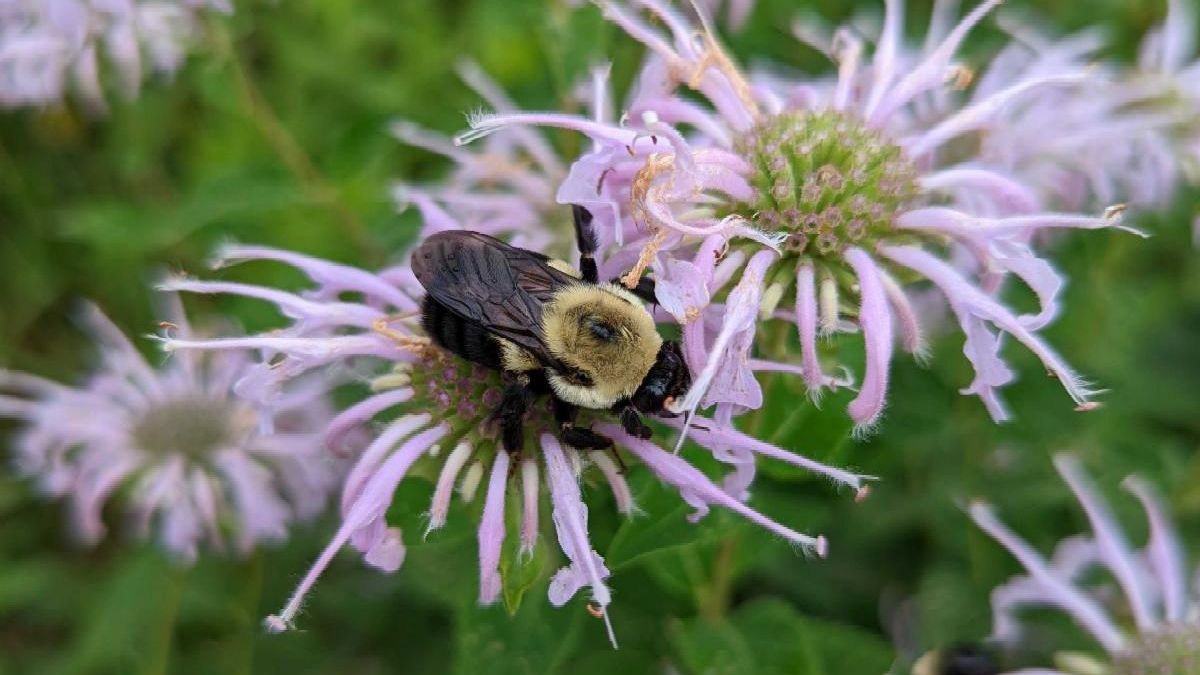
Graphic bumble bee on flowers
LAWNS TO LEGUMES

Hello,


Thank you for confirming your Lawns to Legumes grant award! This email contains links to our introductory program webinars and a list of important resources you'll want to refer to as you work on your pollinator habitat project. Moving forward, you can expect to receive emails from us 1-2 times a month with Lawns to Legumes guidance and reminders.


If you have any questions that you can't find any answers to in the Grantee Guide, please reach out to the L2L Helpline email: l2lhelp@bluethumb.org.

We're excited to plant for pollinators with you this spring!


—The Lawns to Legumes Team

Program Webinars

Kick-Off Webinar: Tuesday, February 10, 2026, 6-7 pm


Join us for an introduction and welcome to the Lawns to Legumes program! We will cover everything you need to know to install and get reimbursed for your pollinator habitat project.

Q+A Session: Tuesday, February 17, 2026, 6-7 pm


In this follow-up session, program staff will be answering questions asked during the L2L Kick-Off Webinar. You can also submit questions ahead of time to l2lhelp@bluethumb.org. Check our FAQ first, your question may have already been answered!

Pollinator Plantings: Tuesday, February 24, 2026, 6-7:30 pm


Metro Blooms Design + Build landscape designers Jennifer Ehlert and Rich Harrison will cover the fundamentals of completing a pocket planting, pollinator-friendly tree planting, and pollinator meadow. 

Pollinator Lawns: Tuesday, March 3, 2026, 6-7:30 pm


Doing a pollinator lawn project? James Wolfin from Twin City Seed will talk through the steps of converting your turfgrass lawn into a flowering bee lawn.

All webinars will be recorded and shared on our Grantee Guide webpage.

Coaching Support

In mid-February, we will be emailing out a coaching interest survey for those who are interested in being matched with a volunteer coach for their project. Tune in to the Kick-Off webinar to learn about the role of the Lawns to Legumes coach and whether you might need one for your project.

Visit the Grantee Guide

Visit Blue Thumb’s Grantee Guide webpage for program deadlines, how to plan your project, get reimbursed and more. All the information you need to be successful with your pollinator habitat project is on this page.


If you have a question about your grant that you are not finding an answer to, visit our FAQ page or email the L2L Helpline at l2lhelp@bluethumb.org.

Join The Hive

Connect with fellow grantees and coaches on our online community forum, The Hive! This is a place for you to ask questions for coaches and staff, get program updates, and get to know other Lawns to Legumes participants. 

Resource Spotlight: Plant Finder

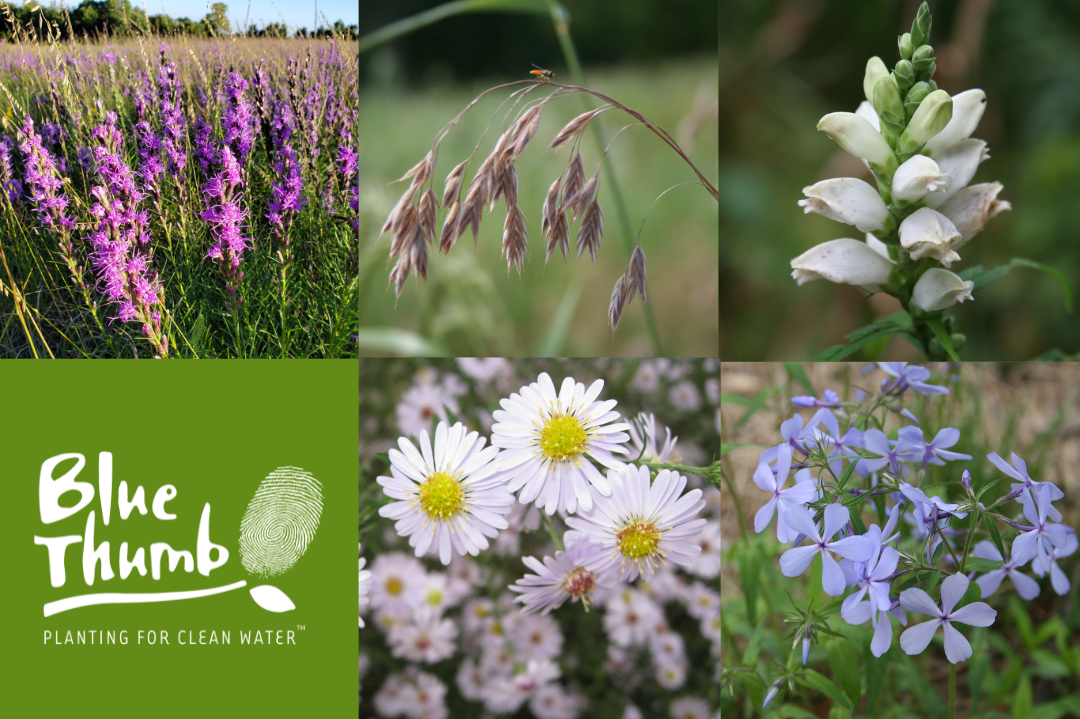
Struggling to choose native plants for your pollinator project? Blue Thumb's Plant Finder is a search tool that helps you find Minnesota native plants best suited to your project type and the conditions of your outdoor space. The Plant Finder contains over 300 native plants typically available in Minnesota native plant nurseries and all plants within the Plant Finder are eligible for reimbursement.

Important Links and Resources

Need help? Here's where to go:


  • Our Grantee Guide page has links to everything you need! Start here.


  • Our Resources page has plant lists, design templates, and more!


  • Our Plan a Project page is a step-by-step guide to completing a pollinator project.


Let's Connect


Have questions about your grant? Need an extension? Email the L2L Helpline at l2lhelp@bluethumb.org.


Follow Blue Thumb on Facebook or Instagram for seasonal tips on planting for pollinators and clean water.


Thank you for bee-ing a part of the change!


-The L2L Team

www.bluethumb.org


social: @bluethumbmn


Blue Thumb–Planting for Clean Water manages individual support grants for Lawns to Legumes, a state-funded Minnesota Board of Water and Soil Resources program. Blue Thumb is a partnership of local government, landscape contractors, native plant nurseries and other entities committed to the promotion of native plantings, rain gardens, and shoreline plantings. It is the education program of Metro Blooms, a 501c3 non-profit organization.