|
Shelter with a View
The word haven once meant a harbor: a stretch of water sheltered from the open sea, with a mouth that opens onto it. It is a beautiful image to hold when we think about home. A harbor protects, but it never closes you in. From inside its arms, you can still see the horizon.
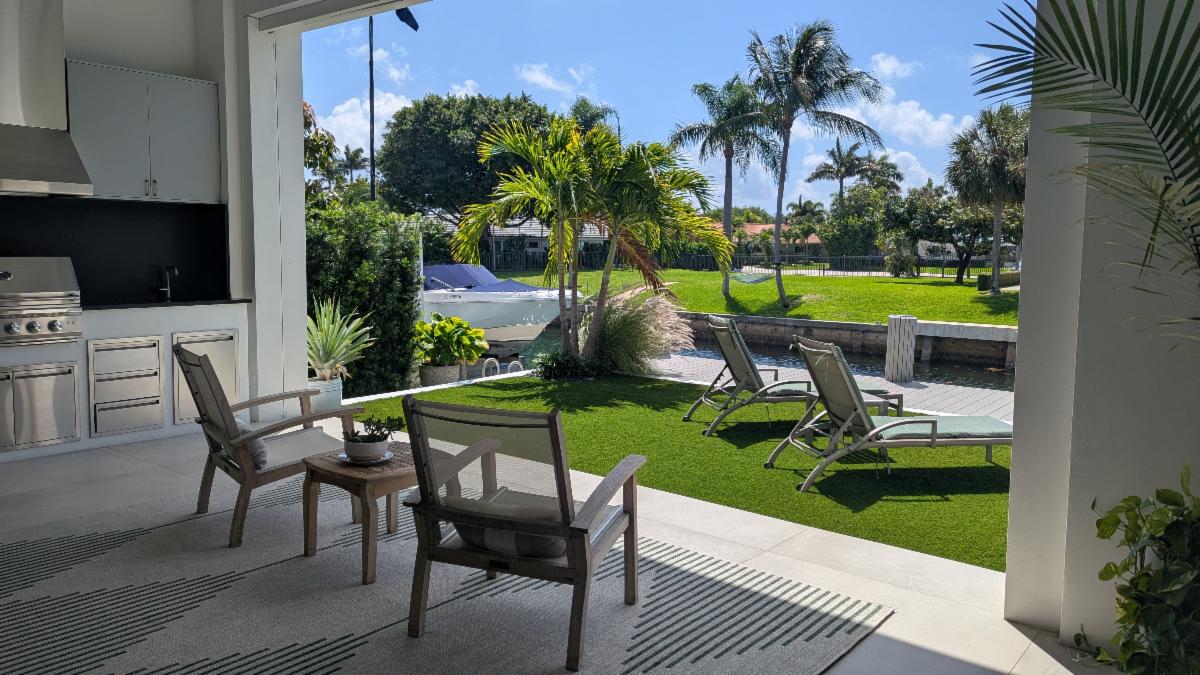
In 1975, the British geographer Jay Appleton gave this instinct a name. In The Experience of Landscape, he proposed that we are drawn to places offering two things at once: refuge, a sense of protection at our backs, and prospect, an open view ahead. Our ancestors survived by finding the sheltered ledge that overlooked the valley, and something in us still searches for it. It is why the corner table fills first, why the deep porch feels better than the open patio, and why we linger on a covered lanai that looks out toward water.
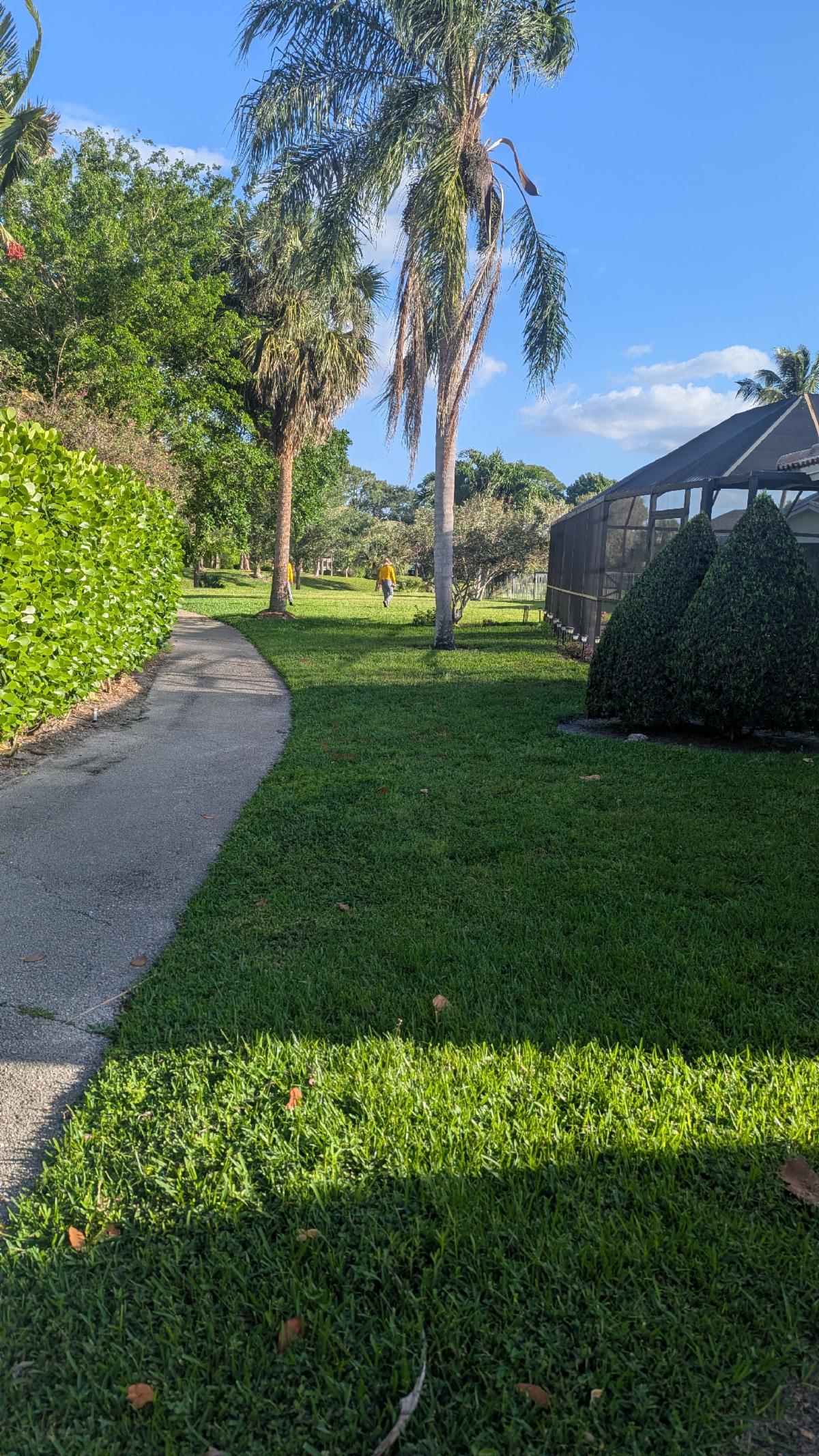
Designers who study biophilic design have since added a third, subtler element: mystery. It is the path that curves out of sight, the glimpse of the Intracoastal through a screen of palms, the garden that reveals itself only as you walk into it. A full view satisfies us. A partial view invites us forward. It carries the lure of possibility, the quiet promise that there is more.
Together, these three describe something we feel long before we can explain it. A home that offers refuge tells us we are safe. Prospect tells us we can see what is coming. Mystery tells us the world beyond is still worth exploring. When all three are present, a house stops being a container and becomes a place that restores.
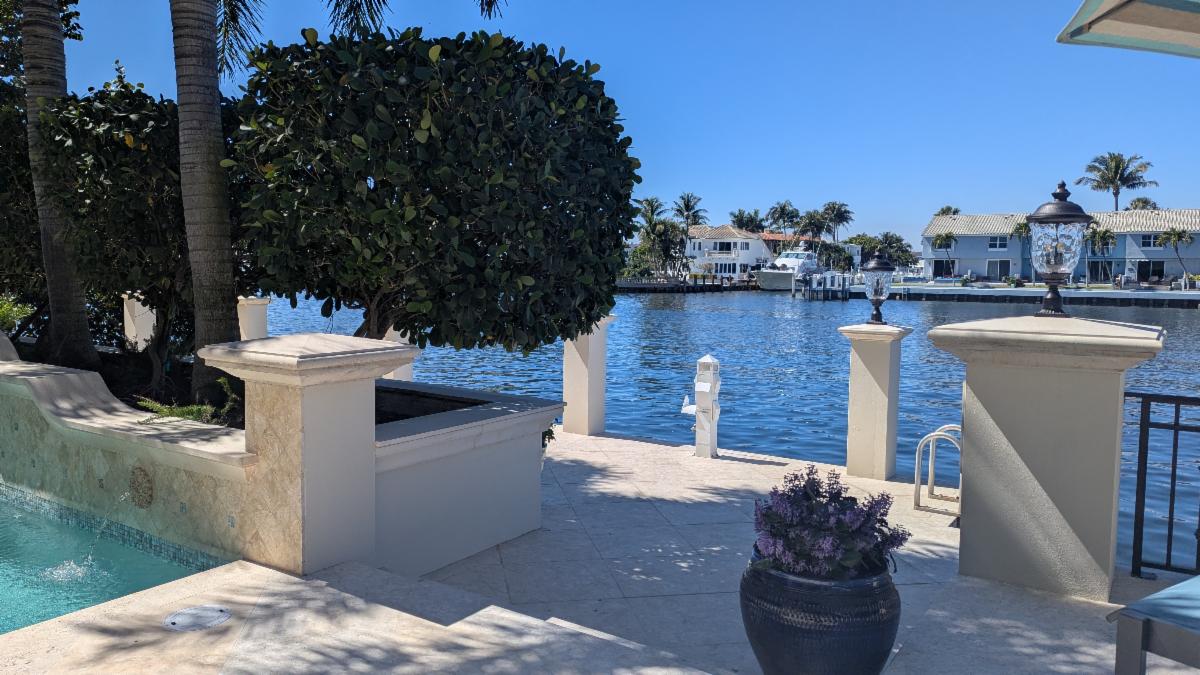
The boundary itself is where this happens. A good boundary does not wall the world out. It defines a space you can rest inside while framing a view beyond. A layered hedge, a garden wall with an opening, a screened lanai, a seawall at the water’s edge: each one says this is yours, and look how far you can see.
Here in Boca Raton, Delray Beach, and our neighboring coastal communities, where so much of life is lived between indoors and out, the edges of a home may matter more than its walls.
|