|
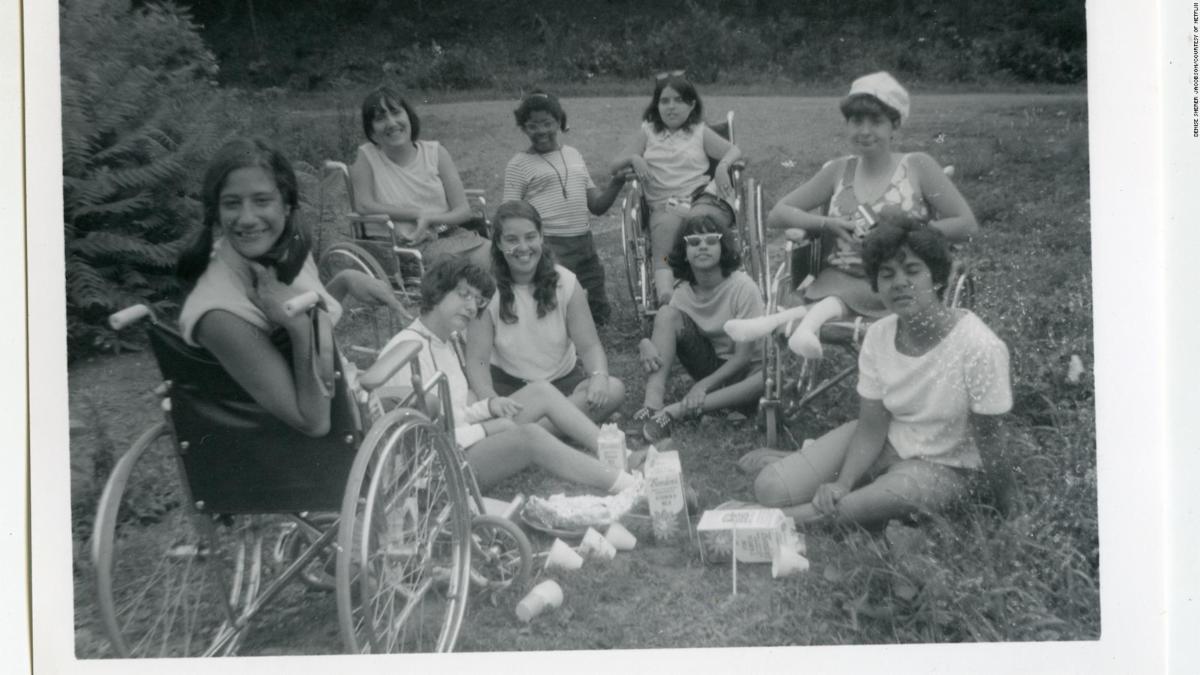
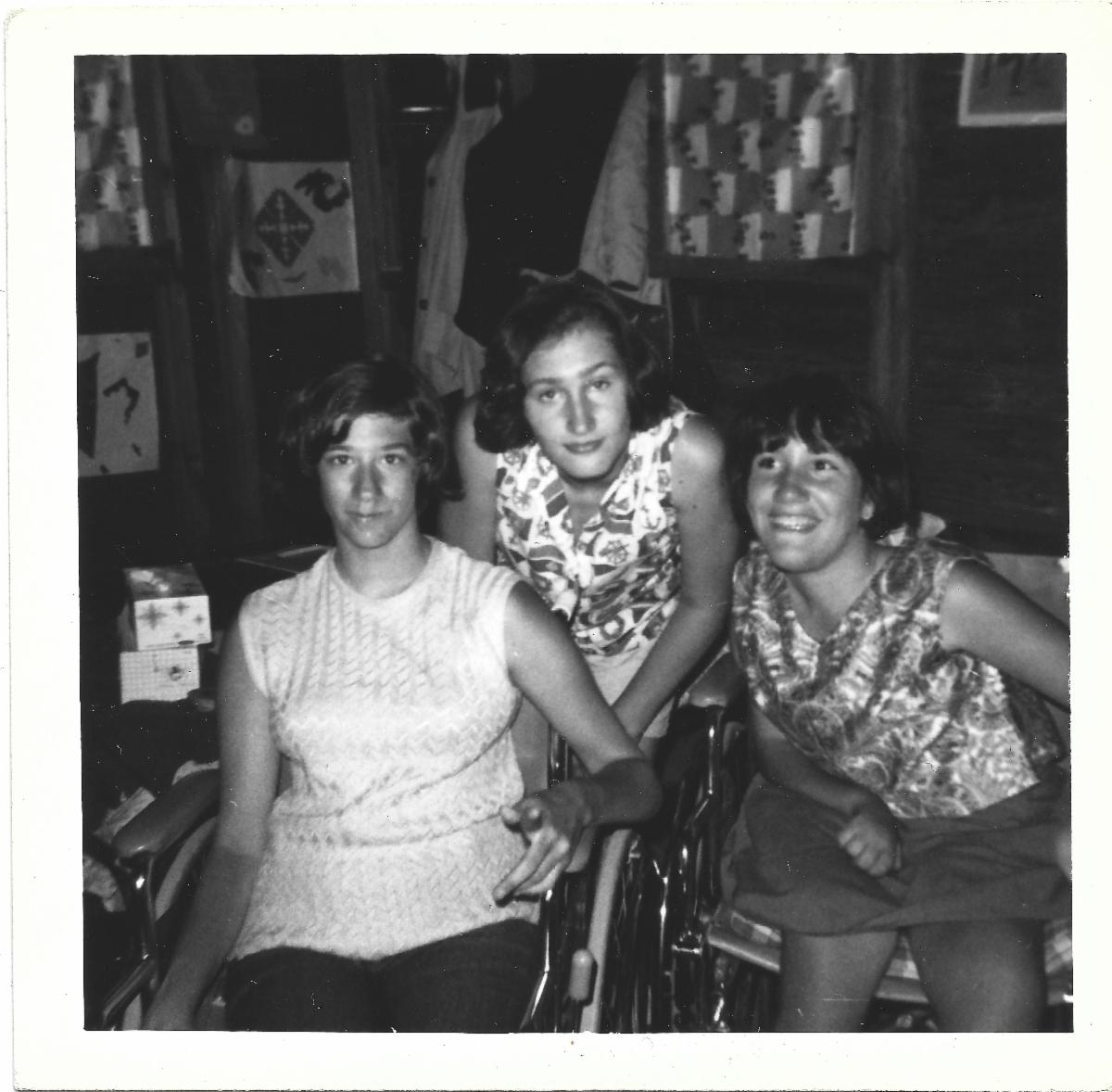
The photo on the right shows Denise (left) with camp friends.
"Previous to camp, I had always been told that the feelings and comfort of the nondisabled people around me were more important than my own. I had never had the opportunity to explore my own thoughts, feelings, and identity. But camp gave me the opportunity to bust out of the box that others wanted to keep me in. I uncovered the potential of my own voice, and discovered that I was a full human being, who got be playful, rambunctious, and even desired exactly as I was. I experienced the enchantment of first love and the despair of first heartbreak.
I began to view disability in a new way. It wasn’t this big dreadful albatross that no one wanted to acknowledge or understand; disability was simply a part of who I was. More than that, I would come to embrace my disability as instrumental in helping me become who I could be when I returned home from that summer with an expanded perspective. This perspective liberated my spirit and also helped me begin to recognize others as people beyond their disabilities—and that was only the beginning. After having my first taste of belonging, I would never be satisfied with less.
Parts of the impact of Camp Jened have already been introduced to the world. In 2020, Netflix released Crip Camp: A Disability Revolution, one of the first films signed under the Obamas’ Higher Ground production company. The documentary has been enormously influential, receiving critical acclaim and a slew of national and international awards, including a Peabody and an Academy Award nomination, and was the opening film at Sundance 2020, garnering the Audience Favorite Award. The film awakened audiences’ awareness of the beginnings of the Disability Rights Movement. It chronicles the movement’s history, struggles, setbacks, and successes.
Five years later, people continue to crave more of the personal stories; when I meet people as I am teaching and speaking about disability consciousness, people always ask me to share more about my individual experience. When I come away from those interactions, I’m struck by the power of personal narrative.
As I said in Crip Camp, "You can make all the laws you want, but until you change attitudes, those laws won't mean much." And you can see those laws unraveling today because people still hold on to their fears of "the other"--whether it's in reference to disability, race, gender, sexual orientation, or any other marginalized group. My story has the power to make readers explore their own belief systems and challenge the way they see both themselves and others, helping them grapple with the fears that disability brings up in each of us so we can nurture a more accepting and compassionate society."
|