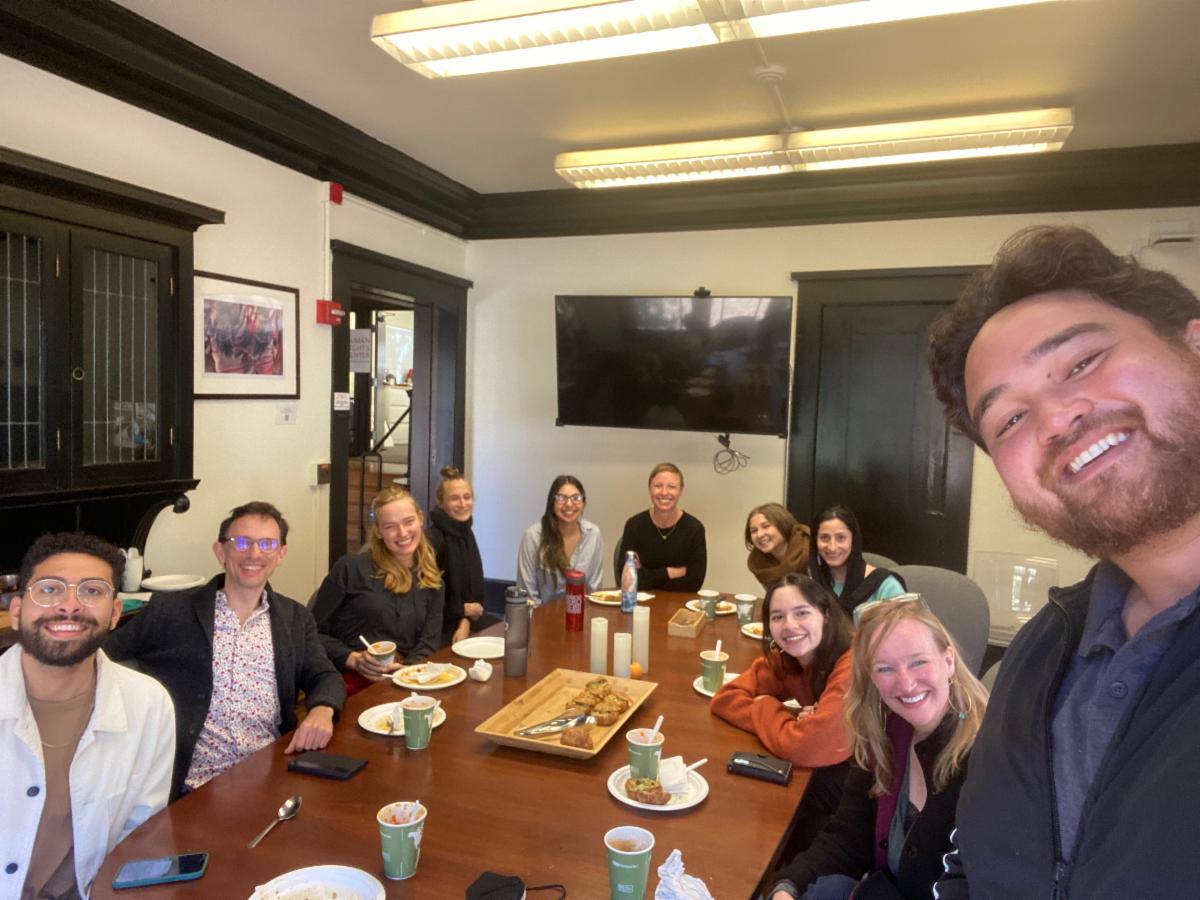
HRC celebrates our mini Thanksgiving! |
Hello Friends,
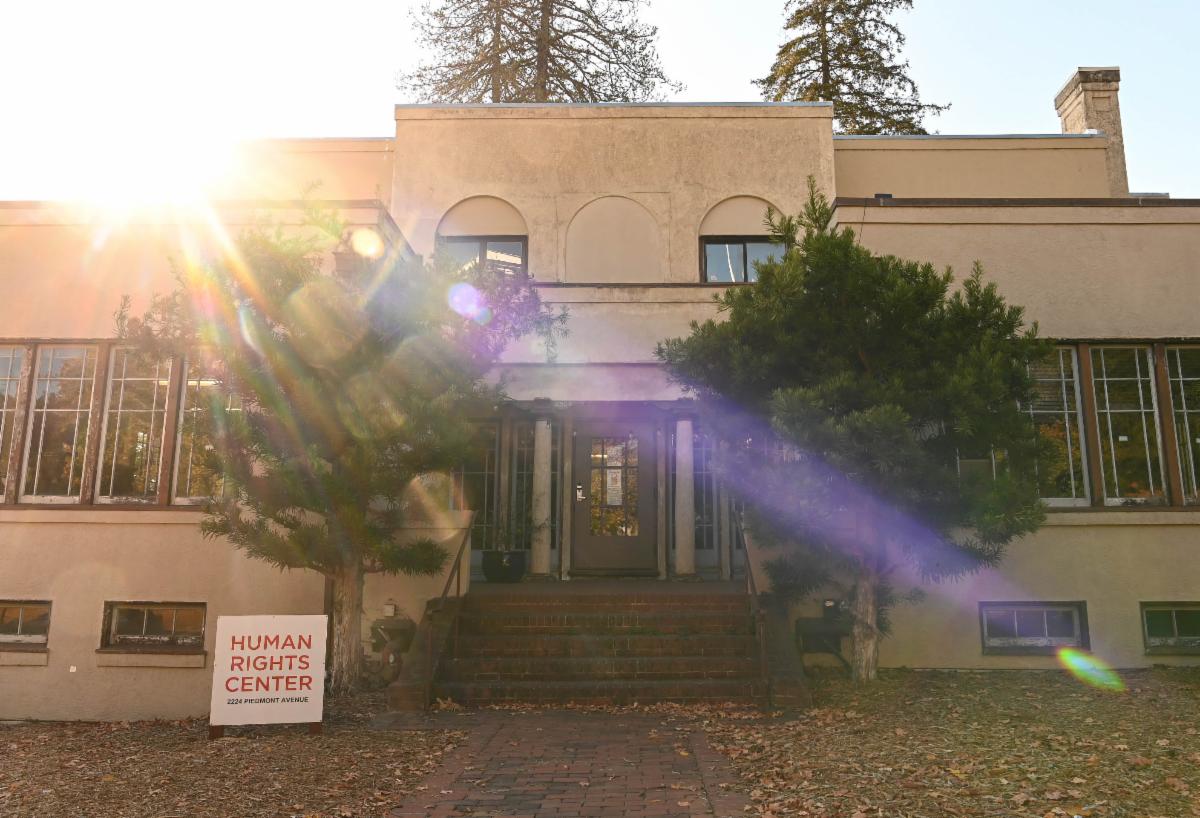
I’m thrilled to write this introduction as HRC’s new Co-Executive Director! I’ve spent the last few weeks learning about the incredible breadth of the Center’s work, and am ecstatic to jump in.
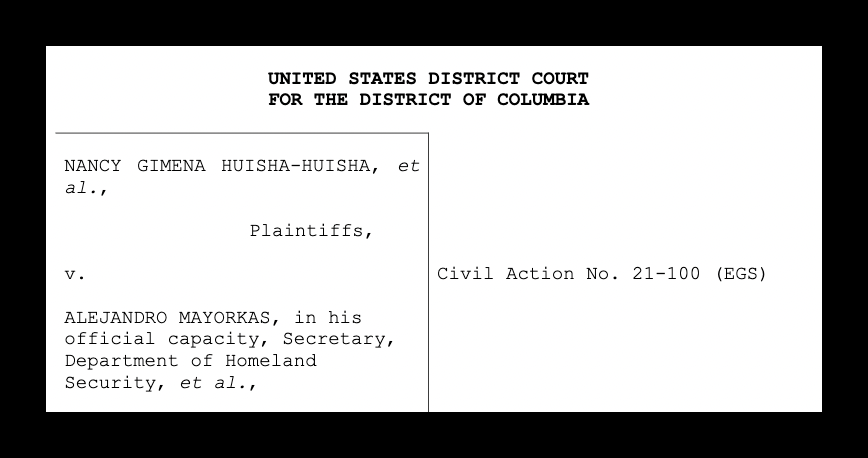
Even as 2022 draws to a close, our work continues making an impact. A Washington D.C. district court ruling from this month has officially voided Title 42, a Trump-era provision preventing people from seeking asylum at U.S. ports of entry. The court cited a report that our Lab students contributed to as part of the multi-campus UC Network for Human Rights and Digital Fact-Finding.
Our Health and Human Rights Program is continuing to collaborate with Save the Children and Plan International to develop a pilot program in Jordan to prevent child marriage in refugee contexts using the findings of our global child marriage research. Our research used art, games, and other participatory methods to develop recommendations that center the voices and experiences of girls in humanitarian settings.
Thank you for all you do to advance human rights!
With gratitude,
Betsy Popken
Co-Executive Director
|
|
|
|
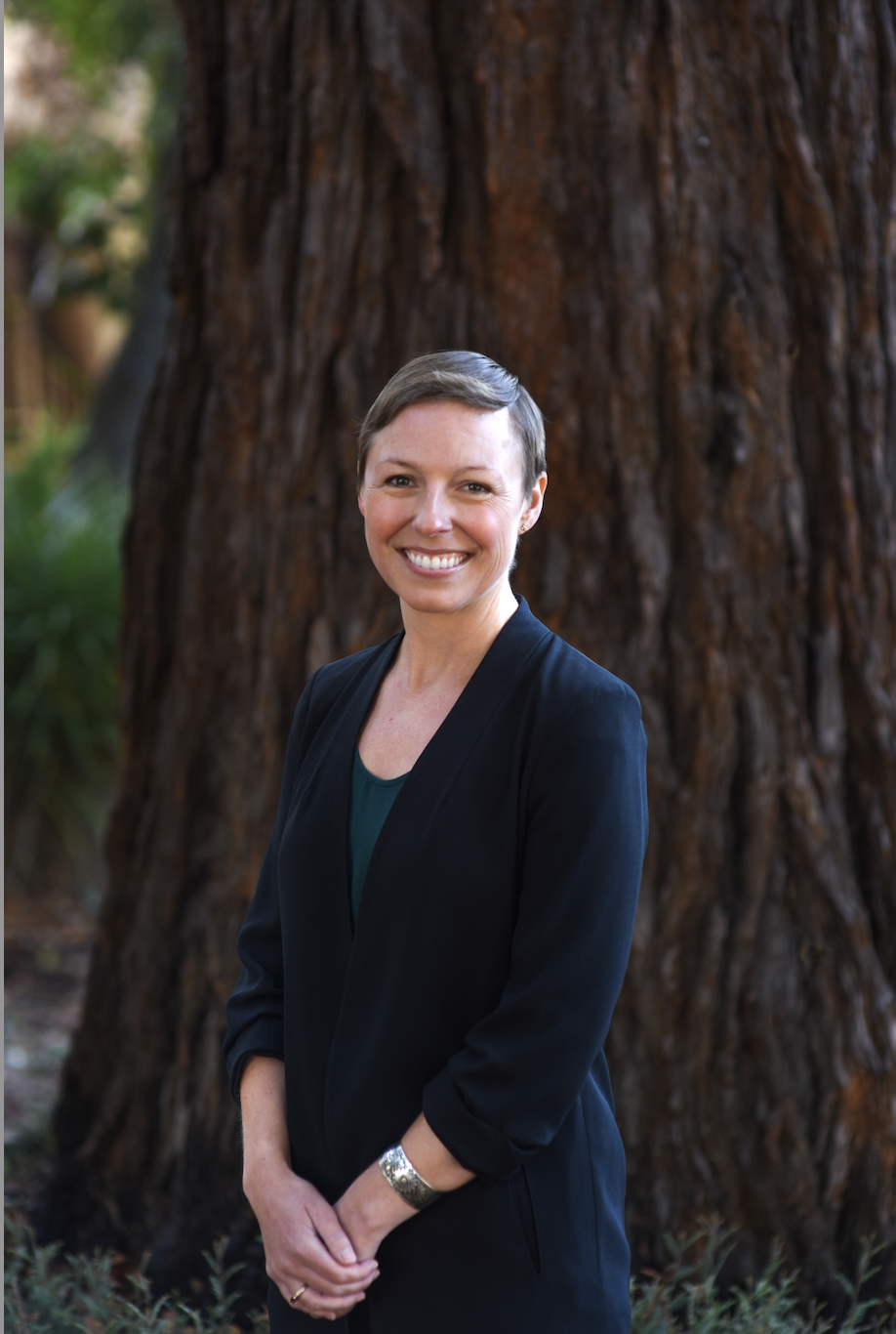
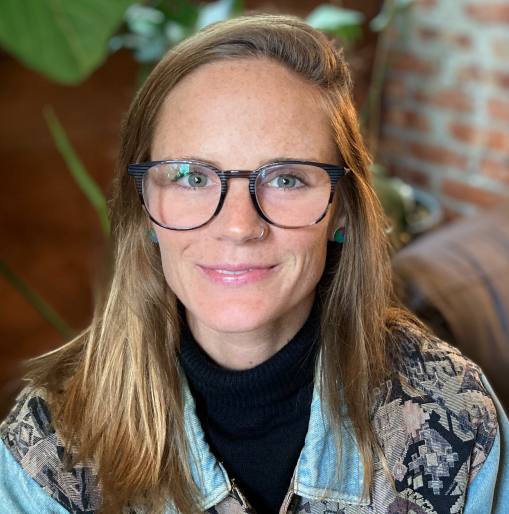
Betsy Popken, an international human rights and public international law attorney, started her appointment as Co-Executive Director of the Human Rights Center. Before joining Berkeley’s Human Rights Center, Popken co-founded and co-led the Business & Human Rights practice at the law firm of Orrick, Herrington & Sutcliffe LLP, and helped launch the firm’s Environmental, Social, and Governance practice. Popken has worked on United Nations-mediated peace and ceasefire negotiations in Darfur, Syria, and Yemen through the Public International Law & Policy Group (PILPG).
“The Human Rights Center…is not just practicing international human rights, it’s helping to shape it,” Popken said when reflecting on the career trajectory that has brought her around the world and back to the Bay Area, where she grew up. “The impact of the work was just so clear.” Read more in our feature of Betsy Popken.
|
|
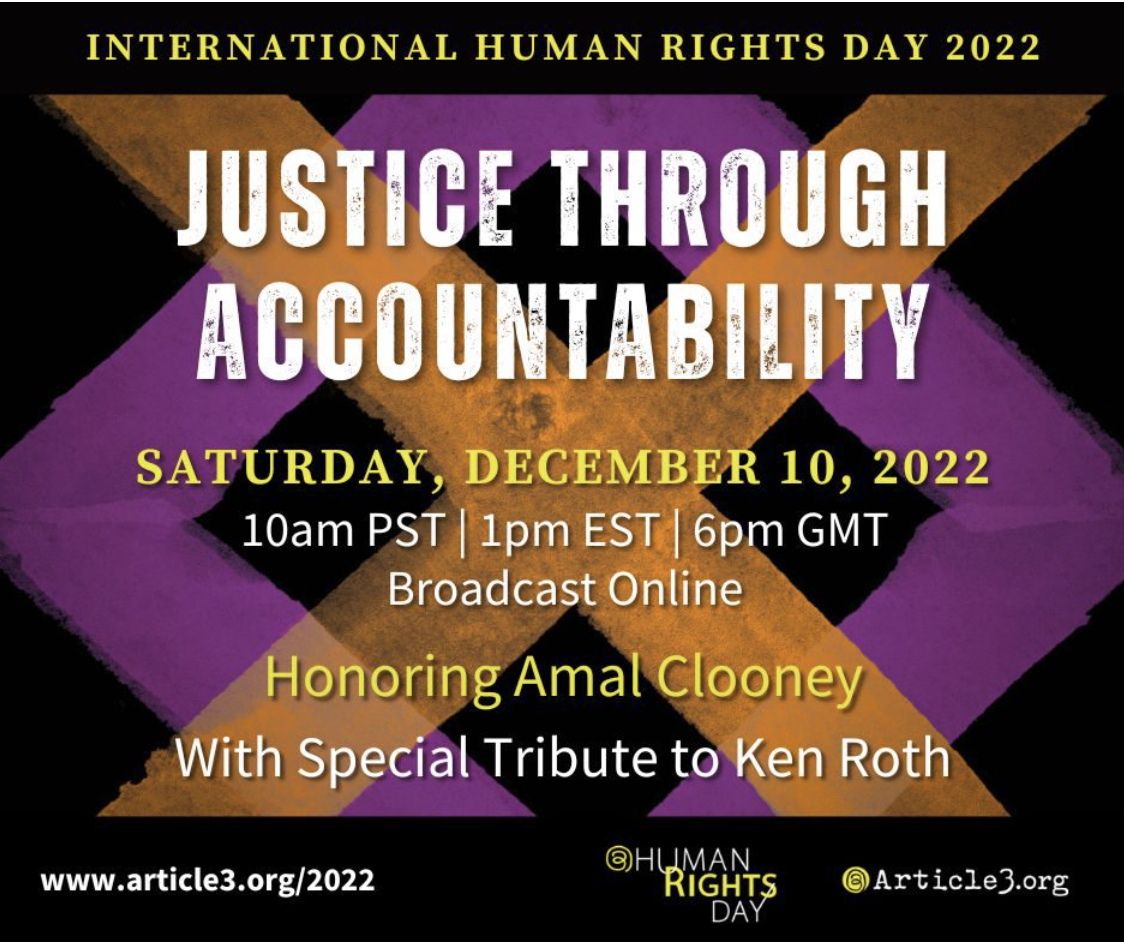
The annual Article 3 Human Rights Day program is a time to pause, reflect, and focus on a defining human rights issue of our time. This year’s program, “Justice Through Accountability,” will be broadcast online to a global audience on Saturday, December 10 at 10am PT / 1pm ET / 6pm GMT. Featuring Chief Prosecutor of the International Court Karim Khan as Keynote Speaker, the event will honor Amal Clooney as the Article 3 Human Rights Global Treasure awardee in recognition of her extraordinary contributions to the human rights movement. A special tribute will be made to celebrate Ken Roth for his lifetime achievements to the Human Rights Movement, including 30 years of service leading Human Rights Watch. Afghan journalist and HRC scholar Khwaga Ghani will be featured as a panelist in conversation with Tirana Hassan, Executive Director at Human Rights Watch; Noura Aljizawi, Senior Researcher at the University of Toronto’s Citizen Lab; Dr. Anya Neistat, Legal Director of The Docket Initiative at the Clooney Foundation for Justice; and Randy Newcomb, Senior Advisor at The Omidyar Group. Register now to attend the virtual event!
|
|
Today is Giving Tuesday, an annual opportunity for giving to worthy causes through the organizations that are most important to you. This year, by donating to the Berkeley Human Rights Center, you have the option to provide critical support in our efforts to document war crimes and human rights abuses, use research to develop new tools to combat injustice, develop targeted interventions to improve health, and lay a foundation for accountability -- whether in Ukraine, Afghanistan, the United States, or beyond. Today, we hope we can count on your support. This is the time to make your tax-deductible gift in celebration of all we’ve accomplished and all we are yet to do. Your gift will contribute to research and investigations that make a difference.
|
|
The application for the 2023 Human Rights Center Fellowship is live! Our fellowship is open to all enrolled UC Berkeley students, including undergrads, grad students, Graduate Theological Union students, and students graduating in May 2023. Learn more about the fellowship and the application process, and to apply. HRC will host two virtual information sessions about the fellowship program in December that you can add to your calendar. Attend the session on Wednesday, December 14 at 4:00 pm, or attend the session on Thursday, December 15 at 11:00 am (all Pacific Time). The Google Meet video conference links are included in the calendar events. We recommend attending in real time so you can ask questions, and will offer additional sessions in January, and a video recording of an information session (to request either of those, please fill out this form). Once you have attended or viewed an information session, you are encouraged to meet with our fellowship coordinator Alexey Berlind, who will be available to discuss your application in January 2023. If you have urgent questions, you can email him at (hrcfellowships@berkeley.edu).
|
|
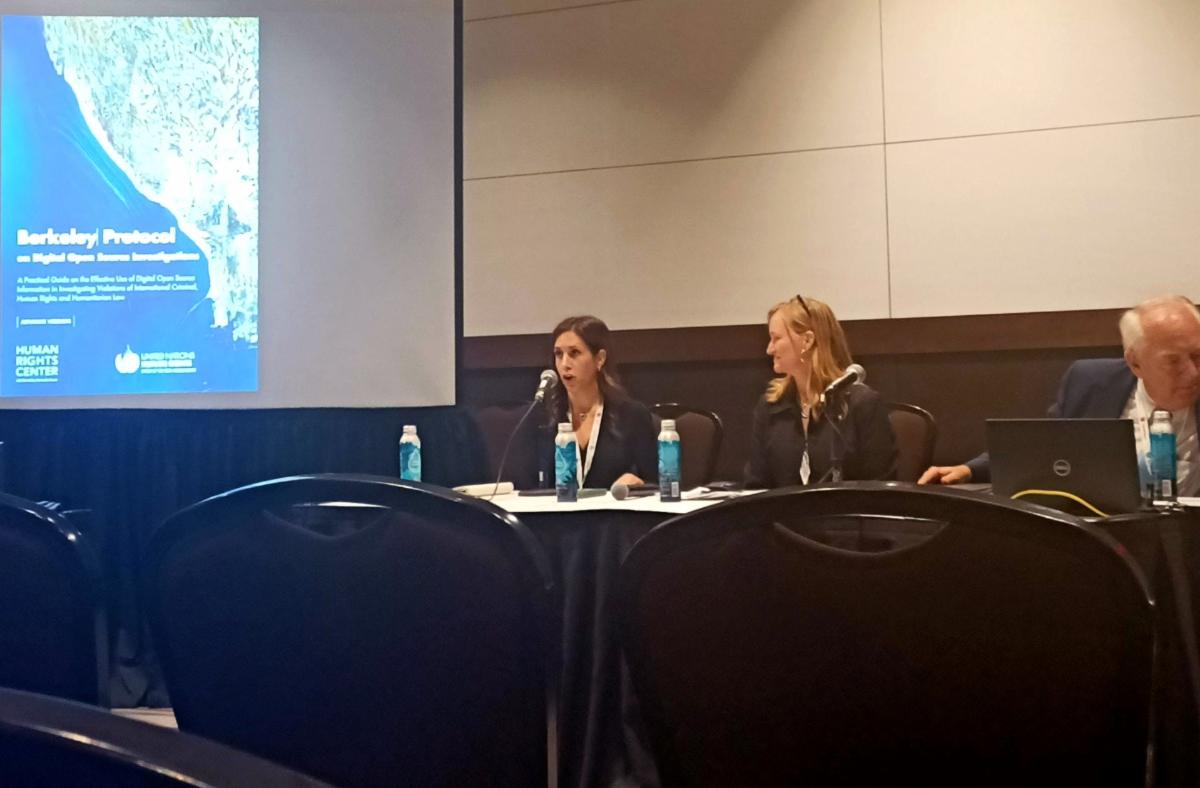
Alexa Koenig and Lindsay Freeman spoke at the annual International Bar Association conference in Miami, Florida earlier this month, where Alexa also represented the Human Rights Center as co-chair of the IBA’s Human Rights Law Committee. Koenig and Freeman spoke on the panel "Training on digital evidence and the Berkeley Protocol on Digital Open Source Investigations," which Freeman also moderated. Koenig moderated and participated in the panel "Strengthening the Preservation of Online Evidence of Atrocities," which featured several pioneering individuals who are working with the Human Rights Center to explore the technical, legal and political opportunities for creating an international evidence locker. Pictured above are Freeman and Koenig next to Stephen Rapp, former United States Ambassador-at-Large for War Crimes Issues in the Office of Global Criminal Justice, during the Berkeley Protocol session held on October 31.
|
|
On November 15, a Washington D.C. district court voided Title 42, the 2020 policy preventing people from seeking asylum at U.S. ports of entry for the purpose of contagious disease containment. The judge cited a Human Rights First report that included incidents of violence against migrants and asylum seekers tracked by students from the Investigations Labs at UC Berkeley, UC Santa Cruz, and UCLA, led by Stephanie Croft, Sylvanna Falcón, and Jessica Peake. Supporting El Instituto para las Mujeres en la Migración and Human Rights First, This effort was the first collaborative investigation of the multi-campus UC Network for Human Rights and Digital Fact-Finding, whose combined resources and expertise are being put to work in service to partner organizations around the world. Students are continuing to work with El Instituto para las Mujeres en la Migración and Human Rights First to track incidents of violence against people attempting to cross the border, and will soon embark on a new project to assist the bold efforts of indigenous environmental defenders in Latin America.
|
|
Alexa Koenig’s new article, “From ‘Capture to Courtroom’: Collaboration and the Digital Documentation of International Crimes in Ukraine,” was published this month in a special edition of the Journal of International Criminal Justice. Koenig details the wide array of collaborators digitally documenting atrocities in Ukraine, the strengths and weaknesses of these multidisciplinary investigations, and the larger implications they hold for international justice. “Each major conflict of the past decade has resulted in a significant jump forward in organizations’ ability — and willingness — to cooperate and collaborate on the collection, preservation, analysis and presentation of digital evidence,” writes Koenig. “That process has reached a new milestone in the context of Ukraine.” Read the full article here.
|
|
HRC researchers attend CYBERWARCON conference in Washington D.C. |
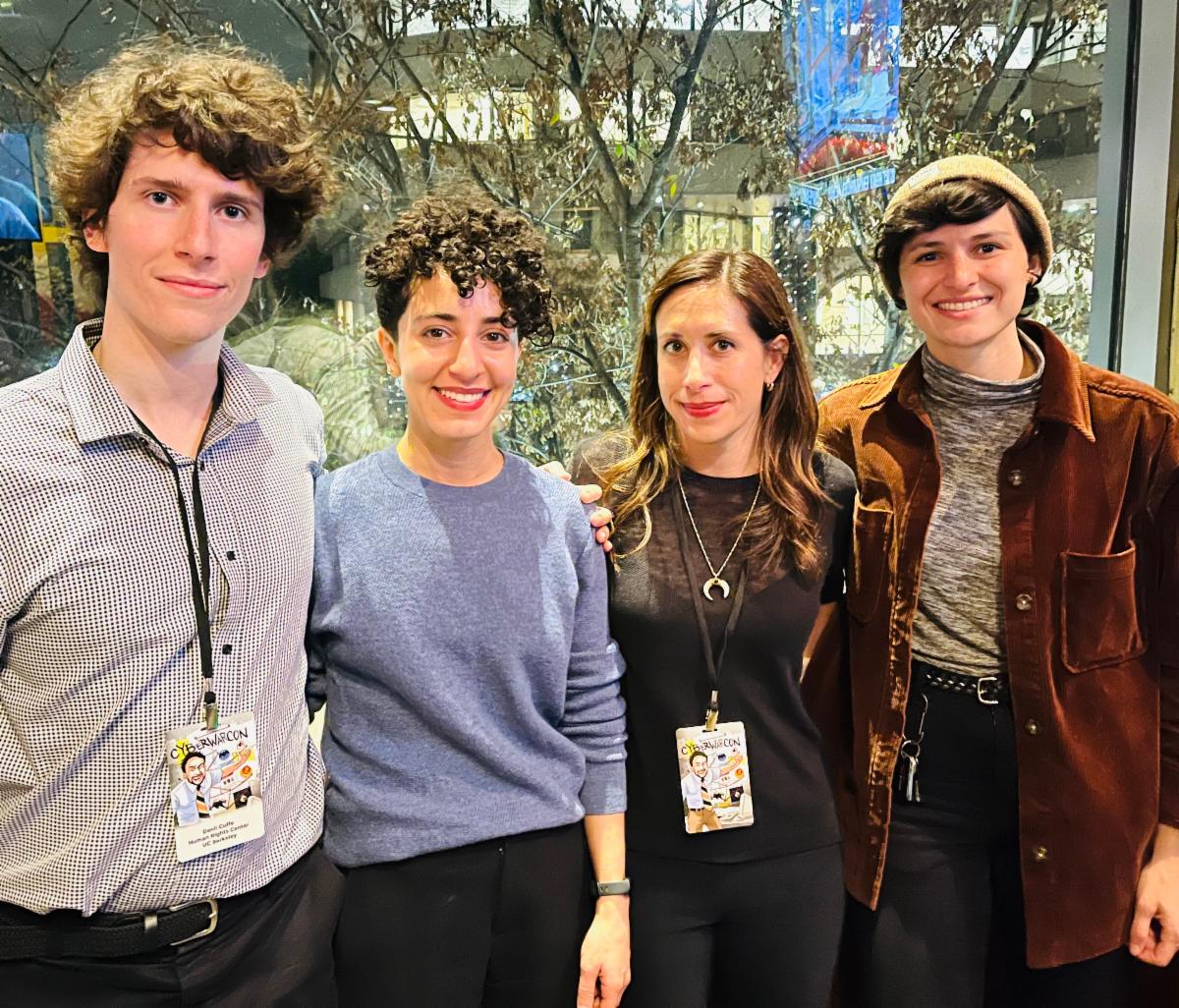
Members of HRC’s Technology, Law & Policy program attended CYBERWARCON on November 10. Program director Lindsay Freeman was joined by research fellow and consultant Amanda Ghahremani, digital investigator Danil Cuffe, and graduate student researcher Sophie Lombardo, who have been monitoring, documenting and investigating Russian cyberattacks against Ukraine's critical civilian infrastructure during the course of the conflict. The one-day conference in the Washington D.C. area focused on identifying and exploring global cyber threats. HRC’s team connected with esteemed members of the cyber threat intelligence community about their work.
|
|
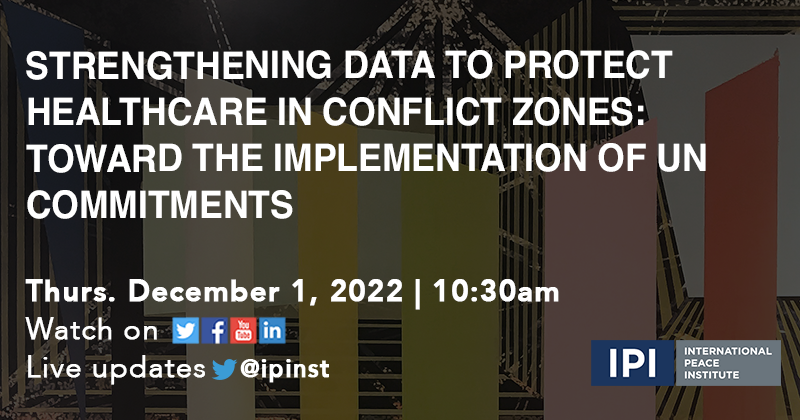
HRC Research Fellow, UC Berkeley Lecturer, and emergency room physician Rohini Haar co-authored a new report for the International Peace Institute with Susannah Sirkin, who oversaw international policy engagement for Physicians for Human Rights. The report examines why data on threats and attacks against healthcare professionals and facilities in conflict is important to collect, and how it can be improved. Haar and Sirkin provide an overview of existing data-collection efforts, and present recommendations at both the policy and technical levels. They will present their efforts in a public webinar on December 1 at 7:30 AM PT / 10:30 AM ET entitled “Strengthening Data to Protect Healthcare in Conflict Zones: Toward the Implementation of UN Commitments.” Register today!
|
|
Technology, Law & Policy program co-hosts D.C. event on cyber war crimes in Ukraine |
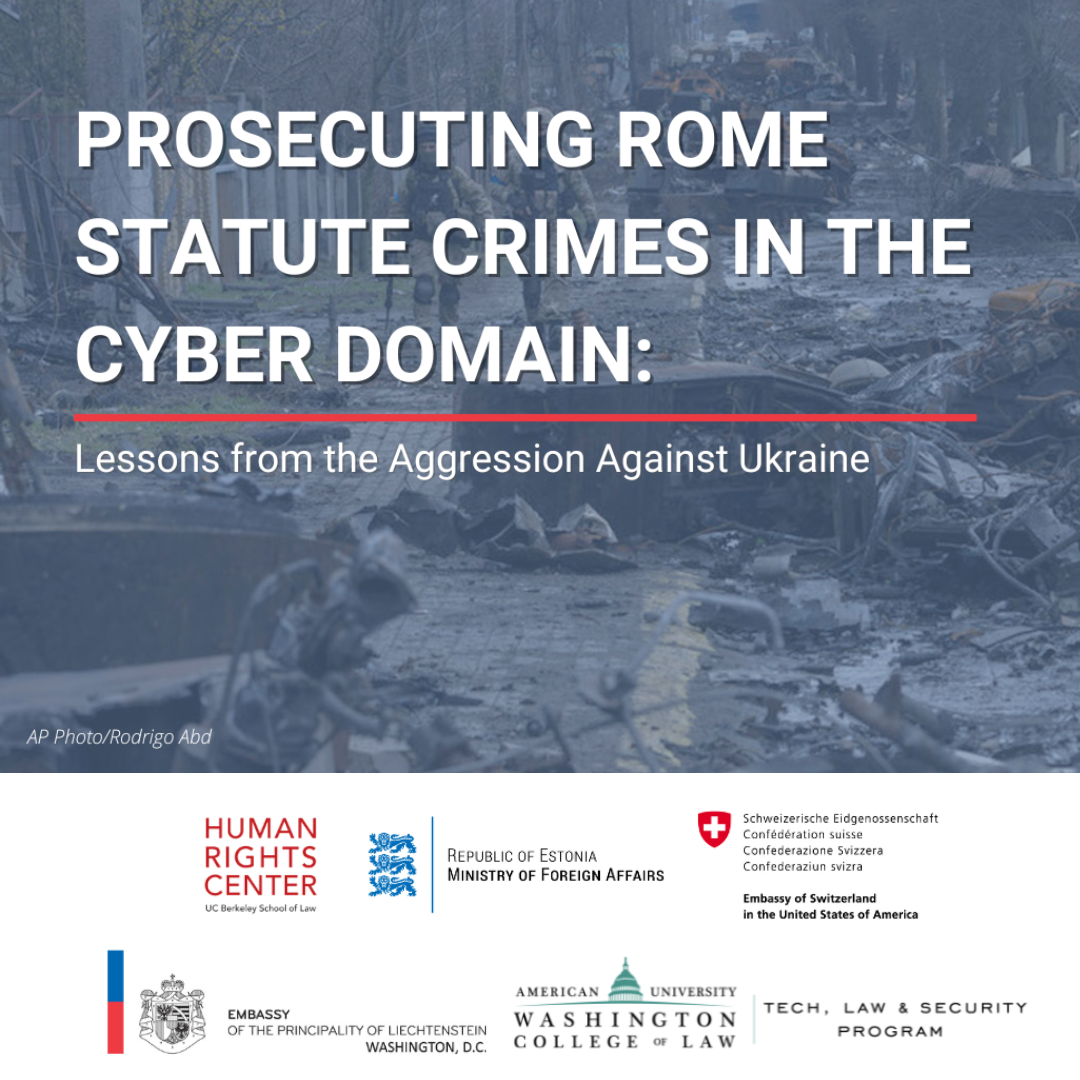
HRC's Technology, Law & Policy program, in partnership with AU Washington College of Law's Technology, Security & Law program, hosted an event on the prosecution of Rome Statute crimes in the cyber domain. The event was co-sponsored by the Embassies of Estonia, Liechtenstein and Switzerland, and showcased a recent, ground-breaking report on the application of the ICC’s Rome Statute to cyberwarfare published by the Permanent Mission of Liechtenstein to the United Nations. The event featured two panels with opening remarks by H.E. Ambassador Christian Wenaweser. The first panel focused on the application of international criminal law in the cyber domain, while the second panel, moderated by HRC Technology, Law & Policy Director Lindsay Freeman, focused on the current situation in Ukraine. The public event was followed by a closed workshop where legal, technical and policy experts provided feedback to the HRC Team on their cyber war crimes case in anticipation of a second submission to the ICC.
|
|
Mara Kardas-Nelson (HRC ‘19) has won the 2022 Richard J. Margolis Award, established in honor of the late journalist. The award includes a one-month residency at the Blue Mountain Center in New York, where Kardas-Nelson will complete her book on predatory microfinancing in Sierra Leone, which she worked on earlier this year at the Mesa Refuge retreat as part of the Human Rights Center cohort. Kardas-Nelson worked in Sierra Leone on the criminalization of debt among women in 2019 during her student fellowship with the Human Rights Center. Read more about Mara Kardas-Nelson and her work at her website.
|
|
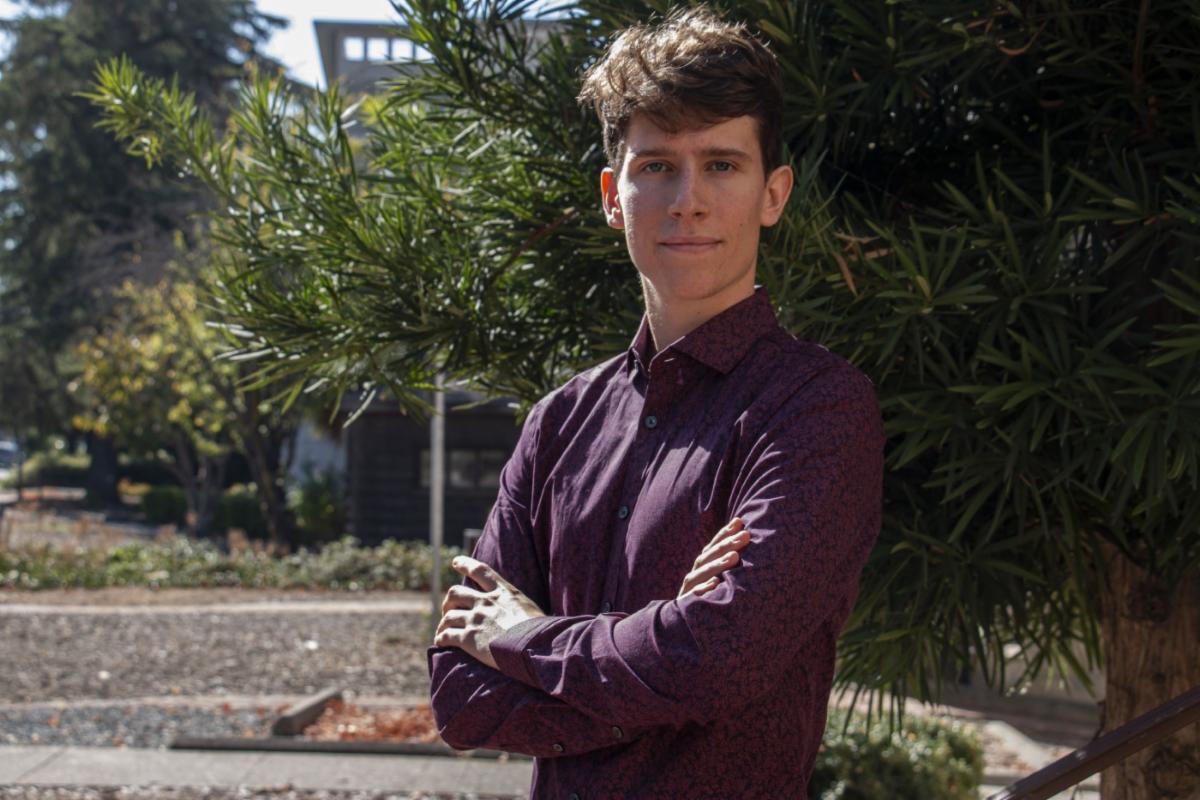
Danil Cuffe is a Digital Investigator at the Human Right Center at UC Berkeley School of Law. Before rejoining the Human Rights Center in June 2022, Danil worked as an open-source intelligence researcher at Media Matters for America, where he tracked and documented far-right conspiracy theories, dis/misinformation, and militant extremist groups across alternative social media ecosystems. He previously apprenticed as a student project manager and open-source investigator at the Human Rights Investigations Lab where he worked on projects related to Hong Kong, China, Sudan, Syria, Chile, and the United States. Danil is passionate about open-source research methods and is a serial volunteer judge for Trace Lab’s capture-the-flag events. He holds a B.A. in film studies from UC Berkeley.
|
|
The Broken Promise screens at Berkeley Law
|
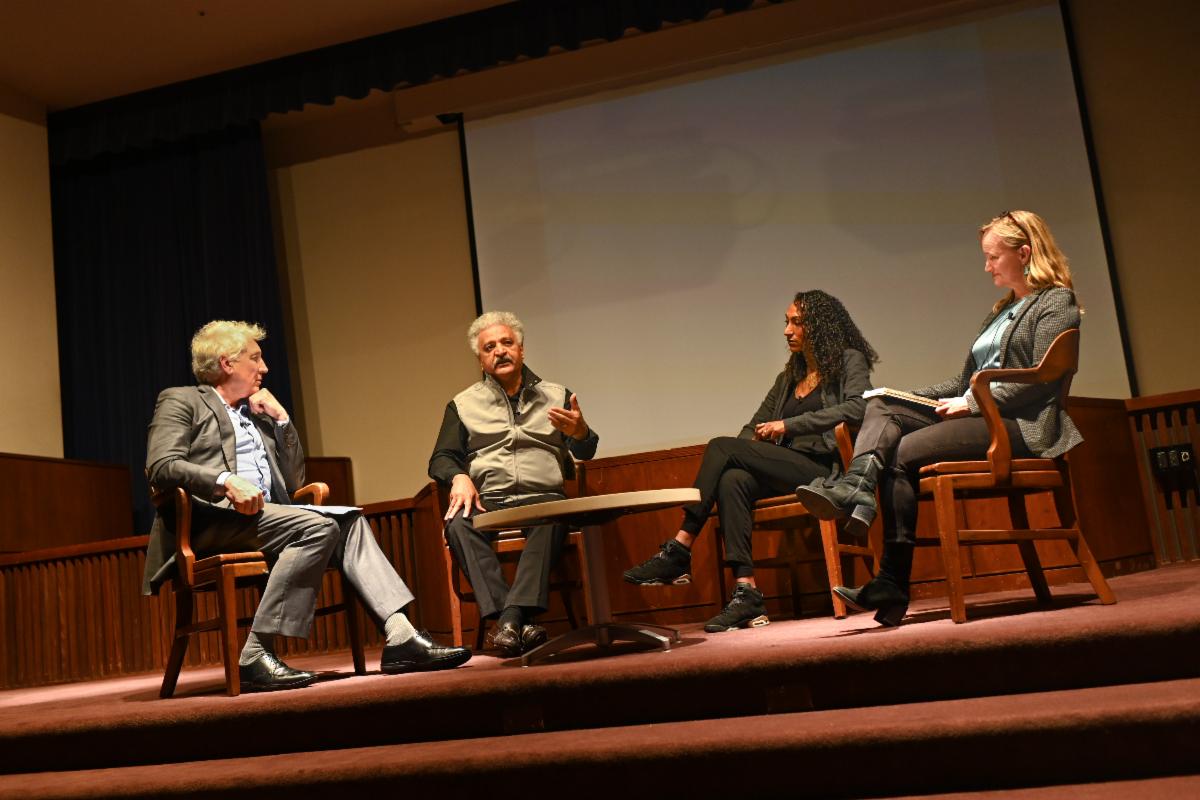
HRC hosted a screening of Gayle Donsky’s documentary The Broken Promise at Berkeley Law’s Booth Auditorium on November 7. The event was opened by Eric Stover, and ended with a panel of film participants. The panel was moderated by film director Kurt Norton and featured Alexa Koenig, as well as torture survivor and activist Mohamed I. Elgadi, and musician and activist Nahid Abunama-Elgadi.
|
|
"When you’re going and you’re investigating a grave, you’re writing the last chapter of somebody’s life, and you want to get it right
|
|
|
|
|
|
|