|
Adapted from the article Resilience: Build skills to endure hardship by the Mayo Clinic Staff
Resilience means being able to adapt to life's misfortunes and setbacks. Resilience won't make your problems go away. But resilience can help you see past them and better handle stress.
Resilience means being able to cope with tough events. When something bad happens, you still feel anger, grief and pain. But you're able to keep going, both physically and psychologically. Resilience isn't about putting up with something tough or coping on your own. In fact, being able to reach out to others for support is a key part of being resilient.
If you'd like to become more resilient, try some of these tips:
-
Get connected. Building strong, healthy relationships with loved ones and friends can give you needed support and help guide you in good and bad times. Connect with others by volunteering or joining a faith or spiritual group.
-
Make every day have meaning. Do something that gives you a sense of success and purpose every day. Set clear goals that you can reach to help you look toward the future with meaning.
-
Learn from the past. Think of how you've coped with troubles in the past. Think about what has helped you through tough times. You can even write about past events in a journal to help you see the patterns of how you behave and to help guide you in the future.
-
Stay hopeful. You can't change the past, but you can always look toward the future. Being open to change makes it easier to adapt and view new challenges with less worry.
-
Take care of yourself. Tend to your own needs and feelings. Do activities and hobbies you enjoy. Include physical activity in your daily routine. Get plenty of sleep and make bedtime rituals. Eat a healthy diet. Practice how to manage stress. Try ways to relax, such as yoga, meditation, guided imagery, deep breathing or prayer.
-
Take action. Don't ignore your problems. Instead, figure out what you need to do, make a plan and take action. It can take time to recover from a major setback, trauma or loss. But know that your life can improve if you work at it.
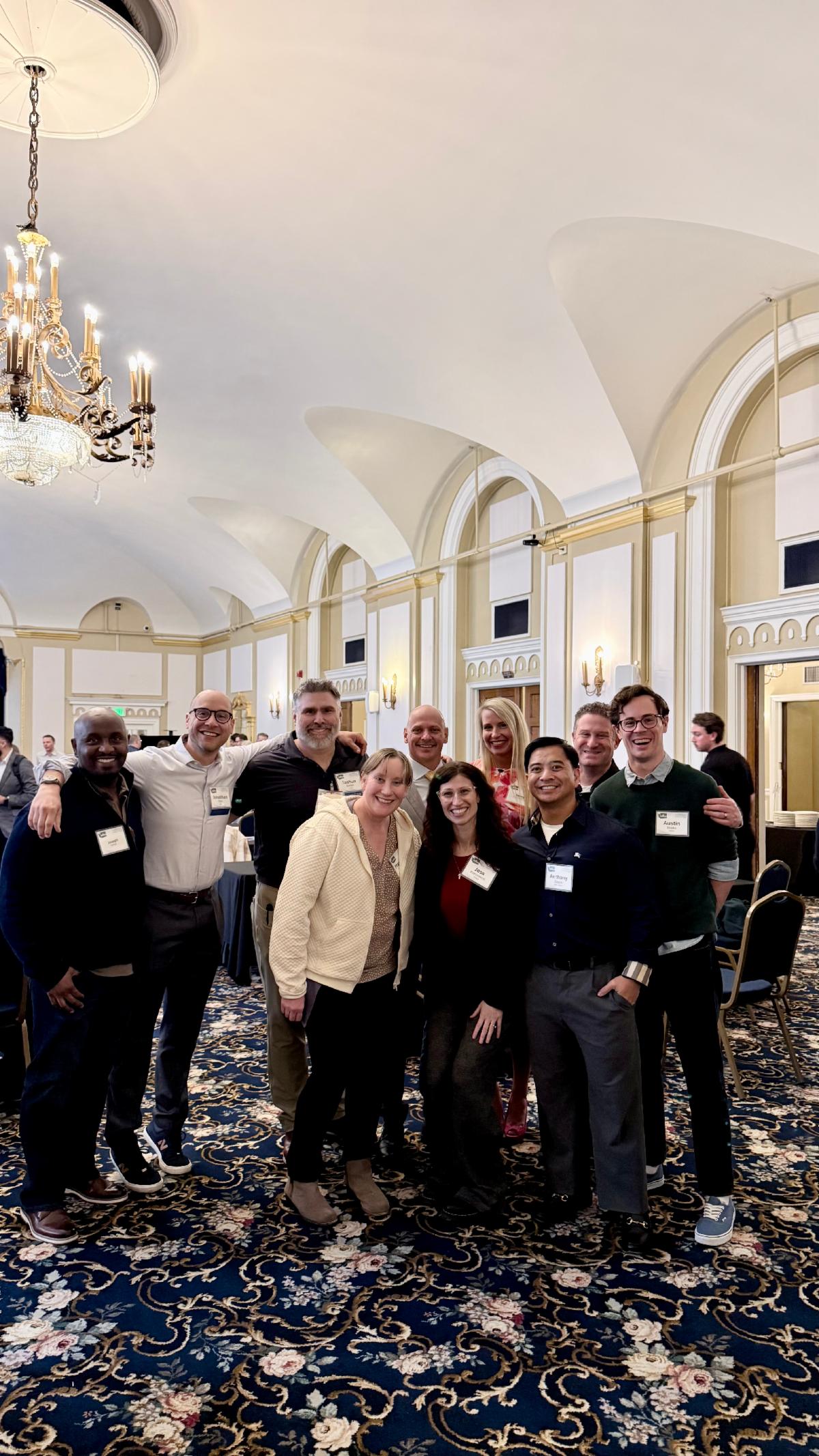
WANA Wellness Committee and Chair Anthony Bayya
|