|
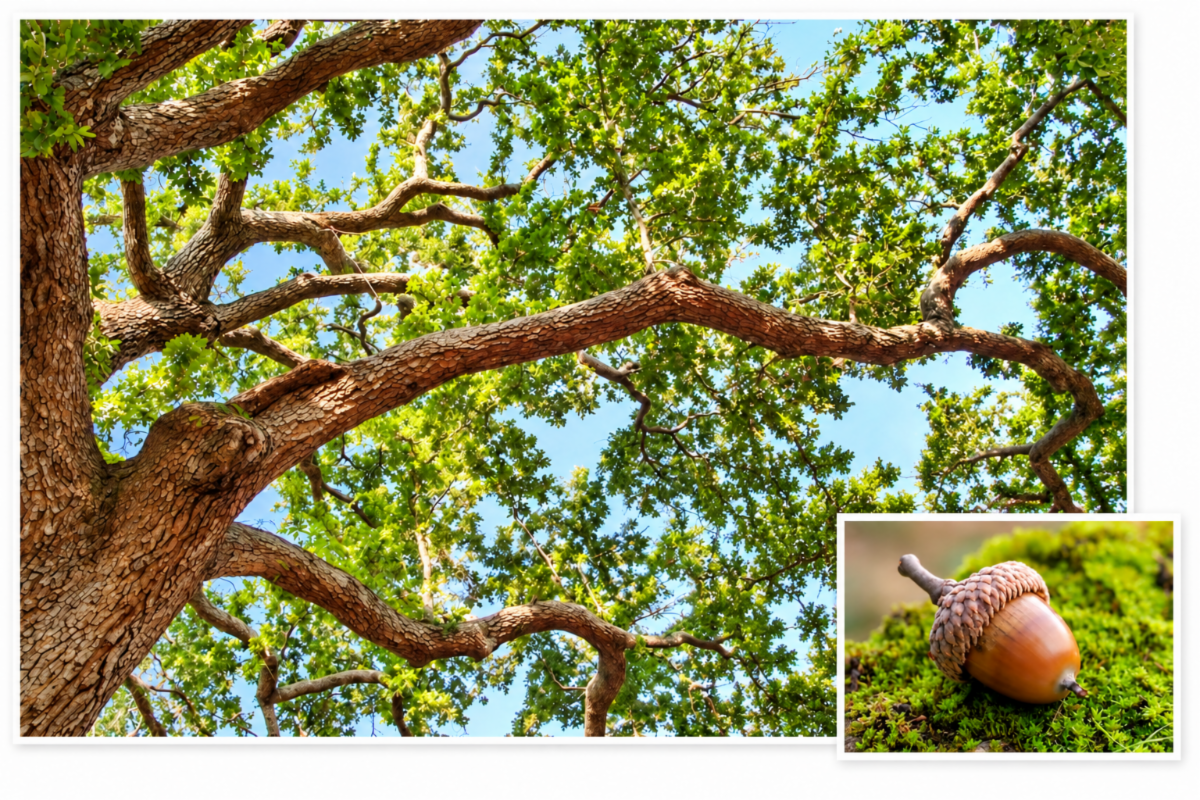
As autumn arrives, an acorn reminds us of the potential in small beginnings. An oak tree can live many hundreds of years. It is considered an ultimate keystone species. Entire ecosystems rely on them for stability and survival. In North America alone, a single oak tree can support up to 2,300 species of birds, mammals, insects, fungi, and plants, making it a foundational pillar of terrestrial biodiversity.
While we might not personally live into multi-hundreds of years, what can the "acorns" we plant now bring forth over time? An idea, a thoughtful choice, or a connection with others, could take root and grow into lasting change; one that outlives us for the betterment of those coming after us. At Leaders in Energy (LE), we like to share about seeds of possibilities and change, that can move us toward a more healthy, equitable, and sustainable world now and for years to come - what we call the “Big Green Shift.”
* * *
This issue begins by highlighting the late Wendell Berry’s enduring wisdom on stewardship and leadership. We also look at Vlad Bunea's “economy for life” – one that supports people and the natural systems that sustain us. Concerns about the economy and growing inequality are also galvanizing new ideas and raising questions about how humans can create thriving economies within ecological limits. Along these lines, one organization, the Center for the Advancement of the Steady State Economy (CASSE), has proposed several model policies on how this can be achieved.
In her new book, Resetting Our Future: Navigating Clean Energy Choices, Dr. Elvin Yüzügüllü offers a "CLEAR" framework to help small businesses and others find their way to sound energy practices and decision-making. The UN reported that Earth is becoming perilously close to overshooting the Paris climate agreement target of 1.5°C. A new proposal may provide policymakers with options to replace temperature limits with clean-energy targets, to better track climate progress and take action.
Finally... You are what you wear! Read the engaging article featuring actor Richard E. Grant who experienced serendipity and good luck from a second-hand clothing item he purchased. We also reflect on the significance of our individual apparel (and textile) purchasing decisions in our daily lives, and their outsized environmental impacts.
No one decision solves everything, but each can be a start in the right direction. We invite you to explore, connect, and find an idea you can help grow.
| | A Voice to Remember: Wendell Berry on Stewardship and Leadership | |
"What I stand for is what I stand on."
Wendell Berry, renowned author, farmer and agrarian activist, spent over 60 years asking us to care for the land and our communities. A deeply committed cultural and environmental ethicist, he spoke to us through his writings in multiple genres -- fiction, essays, and poetry, which numbered well over 200 works. Berry passed away in August, at the age of 92.
In The Unsettling of America (1977), Berry lamented the emergence of industrial farming and the rapid disappearance of the small farmer in modern America and the disintegration of the economy and culture that made that Jeffersonian dream possible. We want to share some Wendell Berry quotes from this book - and encourage you to dig deeper on your own, into this book and more of his prolific works.
- "Whether we and our politicians know it or not, Nature is party to all our deals and decisions, and she has more votes, a longer memory, and a sterner sense of justice than we do.”
- “There can be no such thing as a “global village.” No matter how much one may love the world as a whole, one can live fully in it only by living responsibly in some small part of it.”
- Regarding the idea of exploiting versus nurturing the land: "...I conceive the strip-miner to be a model exploiter, and as a model nurturer, I take the old fashioned idea or ideal of a farmer. The exploiter is a specialist or expert, the nurturer is not. The standard of the exploiter is efficiency, the standard of the nurturer is care. The exploiter's goal is money, profit; the nurturer's goal is health -- his land's health, his own, his family's, his community's, his country's."
We also invite you to listen to this insightful and compelling interview from Bill Moyers with Wendell Berry: Berry’s conversation with Bill Moyers. You can read about Berry's environmental ethics and perspective here: An appreciation of his environmental ethics in The Conversation.
As Berry said, "I've been talking for a long time about leadership from the bottom... leadership consists of people who simply see something that needs to be done and they start doing it."
We don't have to solve everything ourselves. Leadership begins with choosing to act. Our individual actions will work together for the common good.
| | An Economy for Life: Supporting People and the Natural World... What would this mean and how might it look? | | |
What if we organized economic activity around the wellbeing of people and the living systems that sustain us?
In his Economy for Life video, Vlad Bunea explores this intriguing principle: an economy should support both human and non-human life. It invites us to rethink how livelihoods, production, consumption, and investment could help people thrive while protecting the Earth’s life-support systems.
Economic growth alone does not ensure broadly shared prosperity or ecological security. The World Inequality Report 2026 documents heightened global income inequality and wealth concentration, alongside unequal responsibility for – and vulnerability to – climate change. Wealth concentrates ownership of carbon-intensive investments, while people with fewer resources often have less capacity to withstand climate impacts. The World Inequality Report points to progressive taxation, public investment, and fairly designed climate policies as avenues for improvement.
Official U.S. unemployment statistics can be misleading and not point to the very real hardships many working people are facing. In August 2026, the unemployment headline rate was listed as being at 4.1%. The Ludwig Institute for Shared Economic Prosperity’s True Rate of Unemployment (TRU) estimates “functional unemployment” at 24.3% for August 2026, including people without jobs, involuntary part-time workers, and those earning poverty-level wages. This broader measure reminds us that employment does not always provide a secure livelihood. Learn about TRU here.
Together, these concerns leave room for new thinking: How could economic priorities and rules better distribute opportunity while keeping human activity within ecological limits?
One approach is a steady-state economy, which seeks to meet people’s needs while maintaining resource use and waste within the planet’s ecological capacity. The Center for the Advancement of the Steady State Economy (CASSE) offers four model policy proposals for discussion:
These proposals invite examination of how economic rules might advance wellbeing and protect the living world. They also raise a practical question: How can we connect the need for adequately paid work with the work needed for a sustainable future?
| | |
Are you, or someone you know, searching for a green job or related career resources and opportunities? Visit the Green Jobs Network (GJN) which features green and climate jobs, fellowship opportunities, and more.
The GJN monthly newsletter features green and climate jobs, fellowship opportunities, upcoming events, and more. GJN provides a wealth of resources including: green jobs board; job board for climate action; and website for remote jobs; plus a podcast library (Green Jobs Pod). The library features professional experts on green job career paths, and "blue jobs" as well.
Their LinkedIn group, Green & Climate Jobs and Career Network, provides a place to connect with 150,000+ members, both those seeking and providing jobs.
| | A Practical Guide: Making Better Energy Choices | | |
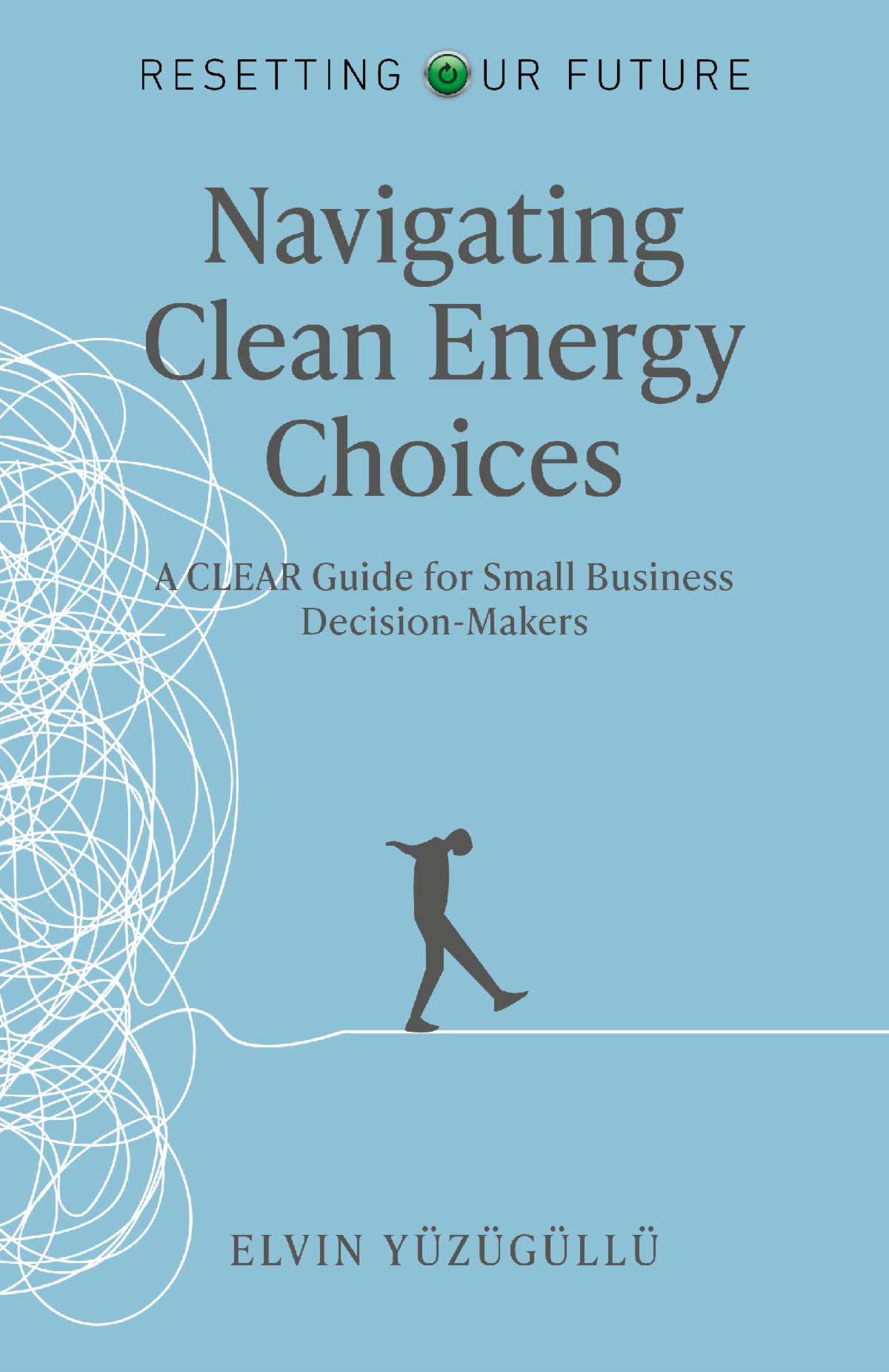
Dr. Elvin Yüzügüllü's new book, Navigating Clean Energy Choices – A CLEAR Guide for Small Business Decision-Makers, looks at the challenge of how can businesses make informed decisions to determine smart clean energy options that will best fit their business needs?
Yüzügüllü says there is no shortage of information about solar, batteries, efficiency, electrification, alternative fuels, and other technologies. In her view, the problem is that having more information does not necessarily simplify decision-making. Written for small-business decision-makers, her book helps them ask better questions without needing to become energy engineers.
Its goal is to give small business leaders enough understanding to think more strategically about various energy options, evaluate alternatives, and have more productive conversations with vendors and technical experts. The book also provides a useful compendium for others seeking to learn more on this topic.
| | |
The book uses a 5-step framework called "CLEAR" to help move decision-makers beyond choosing a single technology and towards using a more integrated decision process. CLEAR offers five prompts: Consider your perspective; Lessen energy use and waste; Extend the life of materials and products; Assemble approaches that work together; and Relate to the people affected by a decision.
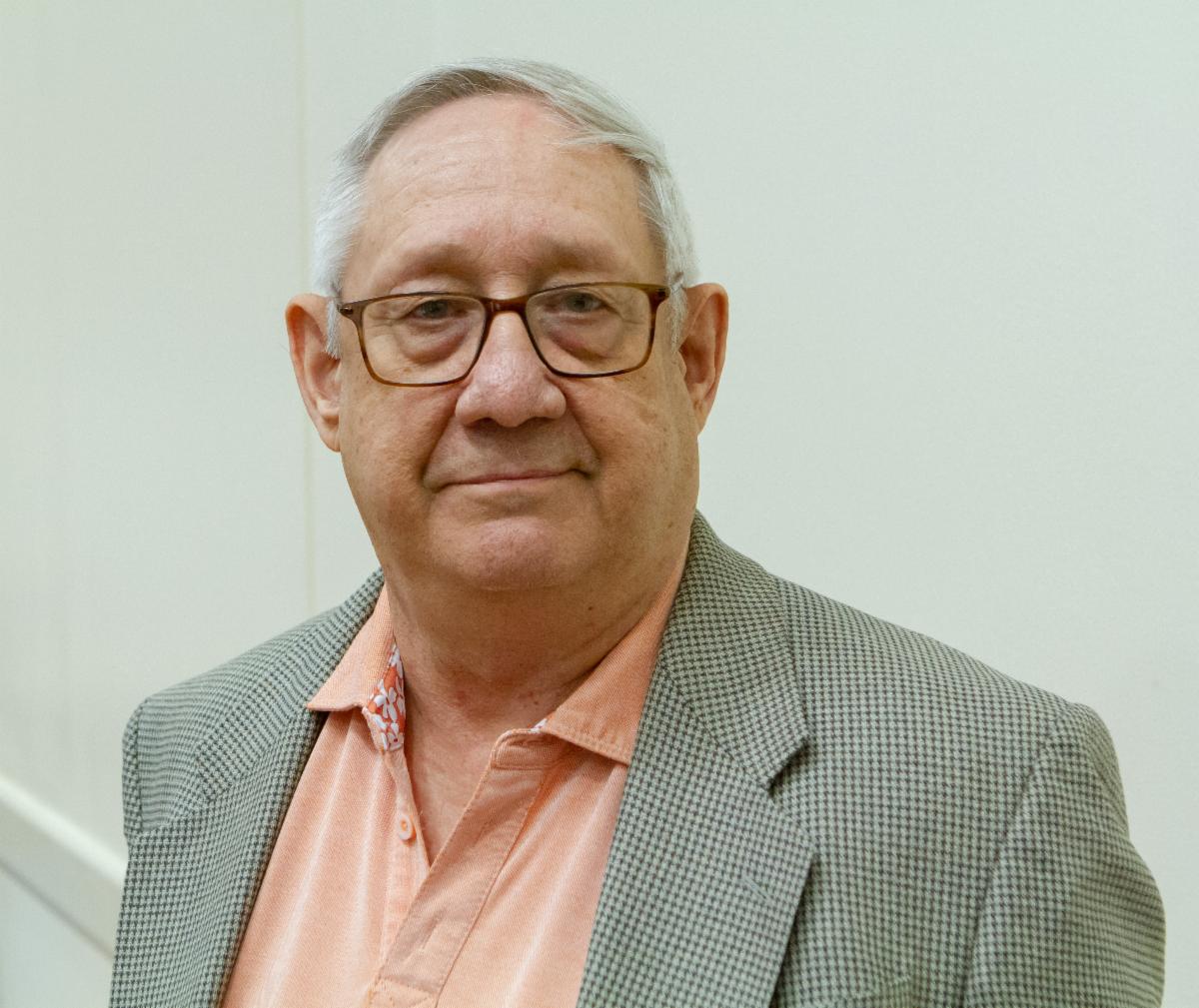
Dr. Yüzügüllü consults on energy for various clients and teaches graduate courses as an Adjunct Professor at George Washington University. She also serves on LE's Leadership Team. Learn more about the book including where to purchase it here.
| | Beyond Taking the Temperature: Scientists Propose A New Clean Energy Shift Metric | | |
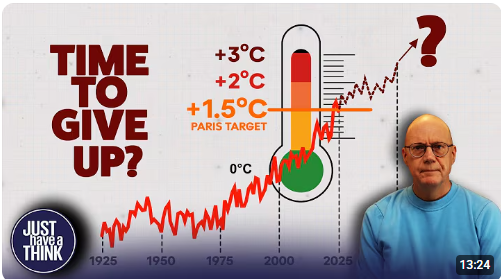
Climate warnings underscore the urgency of action. The new UN report, Limiting Overshoot, sounds the alarm that the Paris agreement temperature goal to limit warning to 1.5 degree C above pre-industrial levels now looks nearly impossible.
Since giving up is not an option, we need more ways to measure progress and guide decisions. In his Just Have a Think YouTube channel episode, Time to Give Up?, Dave Borlace digs into a Nature journal commentary titled Why we must replace temperature limits with clean-energy targets (1-29-26).
The commentary suggests that while temperature targets have been valuable to unify international efforts to increase climate action, that by only emphasizing a failed temperature target we risk doing more harm than good. It could paralyze people into believing that there is no solution. Instead, they propose that policymakers focus on rapidly building the clean energy systems that can to deliver a safe climate.
The authors put forward the idea of using a new “Clean-Energy Shift” metric – the difference between the annual growth rates of clean energy and total energy demand. This metric would measure progress in a positive way towards a 100% clean economy rather than negatively towards net zero and provide an important indicator of transition momentum.
The proposal invites us to focus on steps we can influence – in buildings, transportation, businesses, and communities—while keeping the larger climate goals in view
As we breach 1.5 °C, we must replace temperature limits with clean-energy targets | Nature (article has a paywall)
| | Conservation Can Begin in Your Closet | | |
Everything Old is New Again! How Our Purchasing Decisions Really Add Up
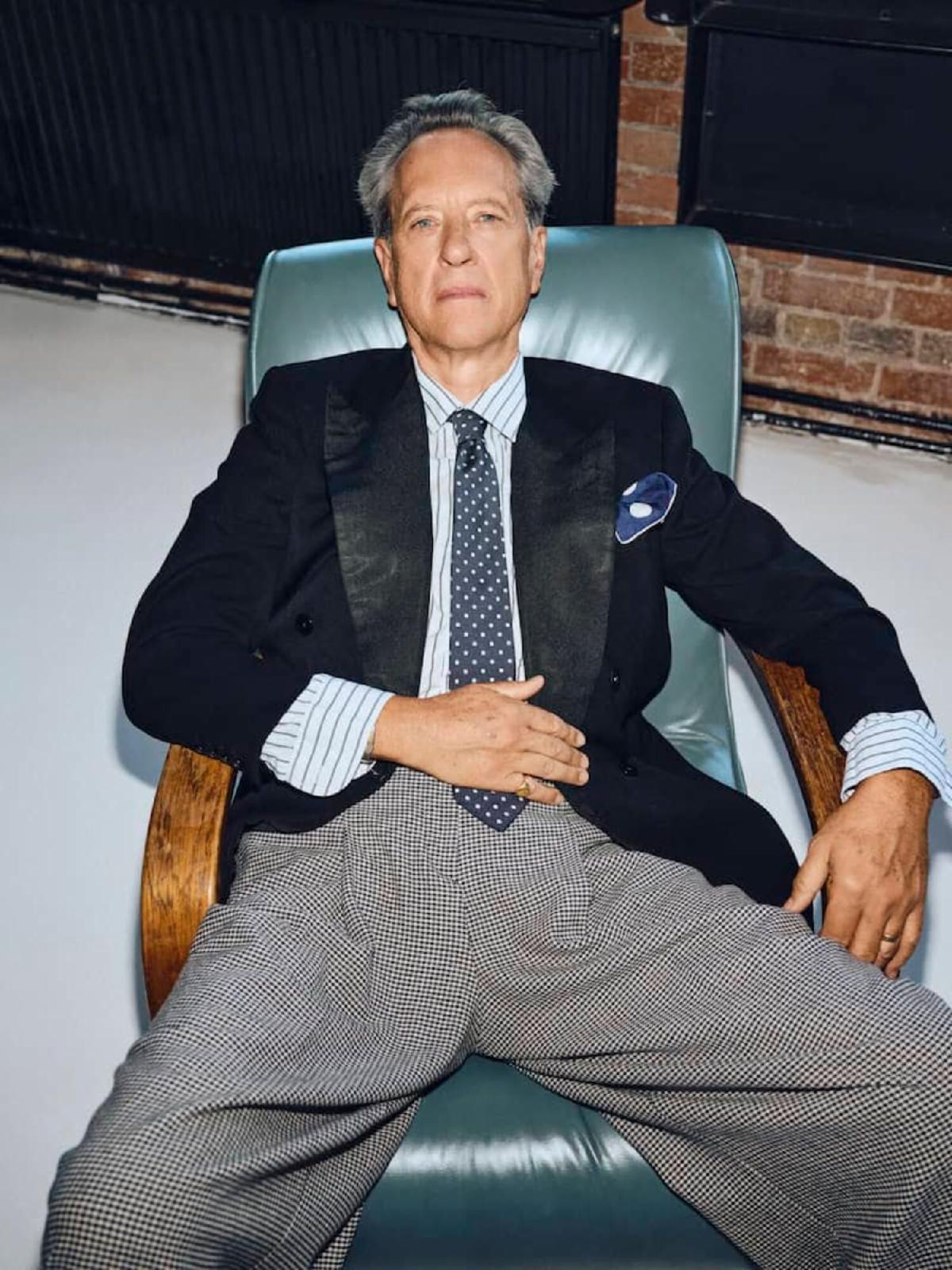
A Positive News article about actor Richard E. Grant tells the personal story of how "used" clothing helped launch his career and became his shopping go-to. It's something he now advocates. ‘My life-changing career break happened because I was wearing a second-hand coat’
Apparel purchases can be a vital component of a circular economy or, conversely, of environmental degradation. New fashion requires wildly outsized water usage (about 700 gallons to produce one cotton shirt and 2000 for a pair of jeans), as well as causing high energy consumption, pollution and piling up in landfills.
The great news is that in "fashion" everything old becomes new again. Styles recirculate every few decades. Thrift stores abound with "pre-curated" clothing a wide variety of styles and selection. Vintage and consignment stores offer specialized items. In the used-clothing market/world, there's something for everyone and everyone's style – in stores, and online. An "oops" purchase can just be re-donated or re-sold and keep circulating.
Perhaps we can ask this question before our next purchase: Do I need something new, or do I need something new-to-me? Plus, if you have a favorite item that's become worse for wear, remember that a good tailor can probably restore it for you and extend its use well into the future!
Learn more about the environmental impact of textiles:
European Environment Agency on textiles’ environmental footprint
The water footprints of global textiles trade
| |
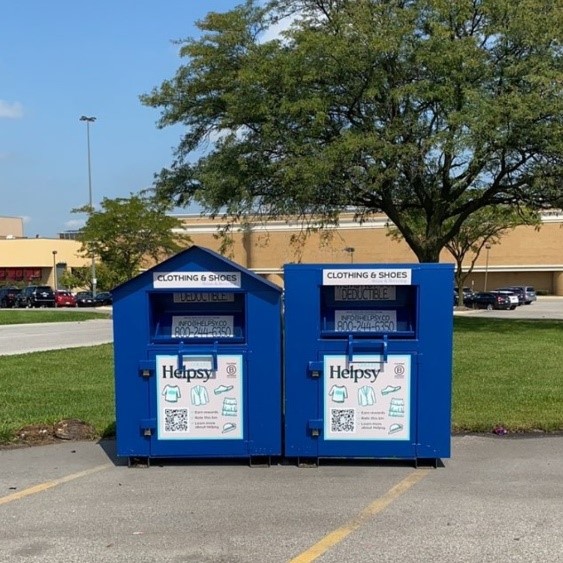
If you have some worn-out textiles that can't be reused – clothing or household – look for places that can recycle these into useful things (like home insulation) This Textile Recycling Pilot Program in Fairfax, VA, provides collection bins for textile donations to be repurposed for other uses.
| | |
After years of dedicated service as LE's Vice President and Chief Technology Officer, Bill Brandon has decided to step down from this position. We are deeply grateful to Bill for his outstanding leadership and service, and his technical insight and vision. He has made countless contributions to LE – ranging from speaking at and organizing events, authoring blog articles, leading and serving on panels, as well as providing administrative oversight and guidance, during his tenure.
| | |
We are pleased to announce that Christy Amada will move into the role of Vice President and Social Media Advisor. She brings a wealth of experience and has been an active member of the organization, particularly serving with the Ambassador program, developing an organizational communications plan, and advising on social media.
| | |
We are dedicated to building a network of intergenerational changemakers to accelerate clean energy and sustainability solutions. Our focus includes green economy and jobs, green practices, products, and services, including the circular economy. We also facilitate global collaboration to help connect people working on projects and innovations in these areas. We invite you to join our network to engage with others working for a greener world!
Executive Director: Janine Finnell
Creative Director/Editor: Carol Lampman McCaffrey
Subscribe to our Newsletter
Join our 4,200+ member LinkedIn Group
| | |
Leaders in Energy (LE) is a 501(c)(3) nonprofit organization dedicated to helping further the work of those leading the way in clean energy and sustainability solutions that move us forward toward a more healthy, equitable, and sustainable world now, and a better world for future generations.
Your tax-deductible donation ensures that our work in support of connecting people to educational programming, shared resources, and opportunities for collaboration turn research and ideas into action – what we call the "Big Green Shift."
We hope you find our newsletters, programs, and connections informative, useful, and inspiring. Your generous support is what allows us to continue this crucial work. Leaders in Energy is proud to be a beacon of hope and a hub for both seasoned and aspiring leaders of the "Big Green Shift."
| | |
We invite you to join Leaders in Energy as a Volunteer or Ambassador
The LE Ambassador Program is focused on building an effective global action network that aligns and connects at district local and regional levels a diverse set of participants that have a shared but direct stake in the sustainable development of their community.
We are looking for these desired attributes in new ambassadors:
- Willing to make a 2-year commitment towards the ambassadors program
- Available for allocating 3-5 hours a month to communication & meetings
- Orchestrator of an in-region team (city or country)
- Experience in a field of clean energy and/or sustainability (academic, working experience, etc.) is highly encouraged
- Demonstrates deep and vested connections to their community/locality
- Effective leader & communicator
There are a variety of volunteer opportunities. Share your information with us here if interested.
| | | | |