Specializing in Survey Research on Natural Resource and Outdoor Recreation Issues

West Virginia Residents' Attitudes Toward Wildlife Conservation and the Division of Natural Resources

Responsive Management has just completed a major statewide conservation relevancy survey for the West Virginia Division of Natural Resources (the DNR).


The project marks the latest collaboration between Responsive Management, Dr. Cynthia Jacobson of Innovative Outcomes, Dr. Dan Decker of Cornell University, Dr. Jennie Hoffman of Adaptation/Insights, and the Wildlife Management Institute to assist fish and wildlife agencies with the steps necessary to better communicate with and serve residents. As the demographics of residents continue to change, hunting and fishing participation rates decline or remain flat in many states, and states consider new funding mechanisms to supplement license dollars, more agencies are focusing on ways to connect with general population residents and build support for the benefits the agencies provide.


While West Virginia remains a largely rural state (about two thirds of its residents reside in rural areas), its proximity to Washington, D.C., and its striking and diverse natural landscapes make it a popular choice for those seeking a convenient location away from urban density. In fact, recent years have seen a notable uptick in migration to the state.1 These trends reinforce the need for the West Virginia DNR to remain in sync with the values, interests, and attitudes of its residents.


“The traditions of hunting, fishing, and engaging in other forms of wildlife-associated recreation run very deep in West Virginia,” said Paul Johansen, Chief of the DNR’s Wildlife Resources Section. “We are truly blessed to have such bountiful natural resources in the Mountain State, and we want to make sure all our citizens have the opportunity to enjoy these resources.” Johansen also noted, “Working with Responsive Management will help to ensure the DNR remains relevant to the people we serve.”


We want to make sure all our citizens have the opportunity to enjoy these resources.


Working with Responsive Management will help to ensure the DNR remains relevant to the people we serve.


- Paul Johansen, DNR Wildlife Resources Section Chief

Consistent with previous conservation relevancy studies by the team led by Responsive Management and Innovative Outcomes, West Virginia’s study was conducted in three phases. In Phase I, Dr. Jacobson and Responsive Management consulted and coordinated with the DNR to identify key communications and engagement goals. Phase II entailed Responsive Management’s implementation of a scientific multimodal survey of adult West Virginia residents. In Phase III, Drs. Jacobson and Hoffman convened a workshop with the DNR to discuss application of the interview and survey results based on the agency’s overall goals and objectives.


Responsive Management’s survey covered a range of topics, including reasons to live in West Virginia, attitudes toward wildlife, motivations for participating in outdoor recreation, constraints to outdoor activities, perceptions of the West Virginia DNR, knowledge of DNR funding, and more.


Demographic analyses of the survey data helped to identify notable target markets for conservation education and outreach. For example, the survey found that nonwhite residents and those who had lived in the state for three years or less were among the groups most interested in learning more about fish and wildlife in West Virginia.


Other notable results from the survey include the following:


  • Most West Virginians had heard of the DNR prior to the survey, with nearly half knowing a great deal or a moderate amount about the agency.


  • Three out of four West Virginia residents trust the DNR almost always or most of the time to do what is right for fish and wildlife in the state. This compares to just 10% who trust the agency only some of the time or almost never and 4% who are unsure (a further 14% had not heard of the agency prior to the survey).


  • More than three quarters of West Virginians agree that the DNR cares about the well-being of all wildlife, and that the agency is a trusted source of information. (Neutral answers accounted for 14% to 17% of responses to the two questions, while no more than 5% of respondents disagreed.)


  • Four out of five West Virginians feel that the protection of nature is the most important or a very important issue. Another 18% described it as just somewhat important, while only 1% said that the protection of nature is a not at all important issue.
  • In terms of the various efforts of the DNR, residents place the highest importance on ensuring that healthy populations of fish and wildlife exist in the state and protecting habitat for fish and wildlife.


  • In terms of the various benefits provided by the DNR, residents are most interested in family/friend group activities, information to help people enjoy wildlife near home, and opportunities to learn about ways to enjoy wildlife.
  • Consistent with many other states, most West Virginia residents do not know how their state fish and wildlife agency is funded (almost two thirds think the DNR is funded through general taxes). Meanwhile, 12% of residents correctly name hunting and fishing licenses as a source of agency funding, and just 1% name excise taxes on hunting and fishing equipment.


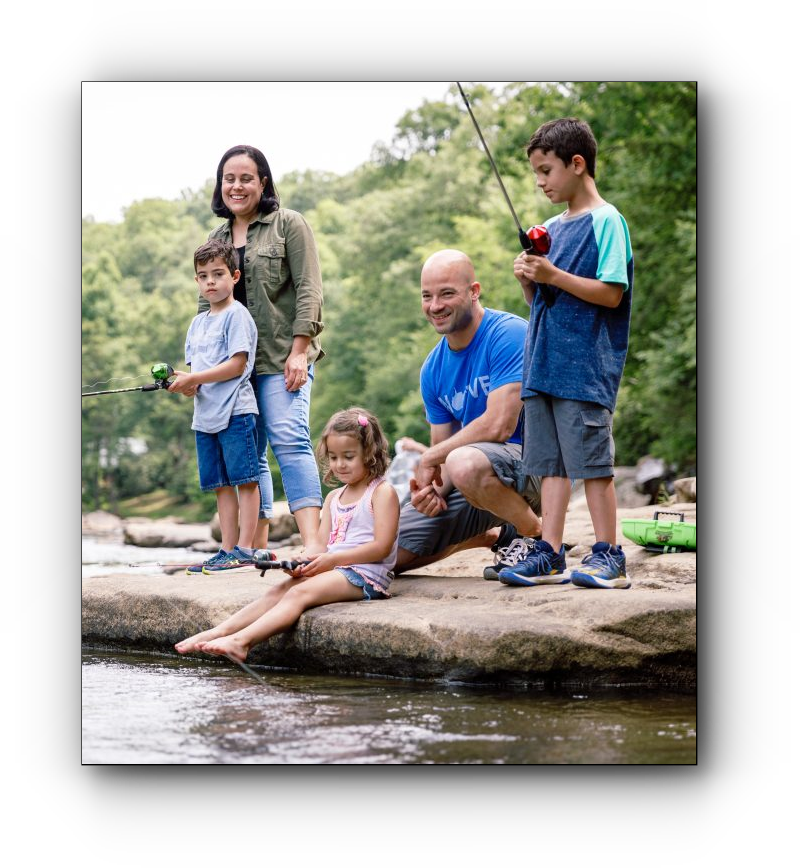
  • The top way to encourage more participation in nature-related activities in West Virginia is to offer access and parking at recreation sites. Other important encouragements include loaner programs that provide equipment for people to try activities; programs specifically for families; and guided outings that allow people to identify interesting plants, wildlife, birds, and other natural phenomena.

1Tate, Curtis. (December 23, 2024). What’s Slowing Mountain State’s Population Loss? Immigration. WV Public Broadcasting. https://wvpublic.org/whats-slowing-mountain-states-population-loss-immigration/


For more information on this study or Responsive Management's other conservation engagement projects, please contact Responsive Management at research@responsivemanagement.com.


About Responsive Management

Responsive Management is an internationally recognized survey research firm specializing in natural resource and outdoor recreation issues. Responsive Management has conducted research for federal and state fish and wildlife agencies, conservation and environmental NGOs, outdoor equipment manufacturers, and universities throughout the United States for 35 years.


35 years of continuous survey research only on

natural resource and outdoor recreation issues

Harrisonburg, VA

540.432.1888 │Email Us │Visit Us Online