November 4, 2026 | View as Webpage


Western Monarch Count


Early-Season Survey Complete

Preliminary Results Suggest a Similar Population Size to Last Year

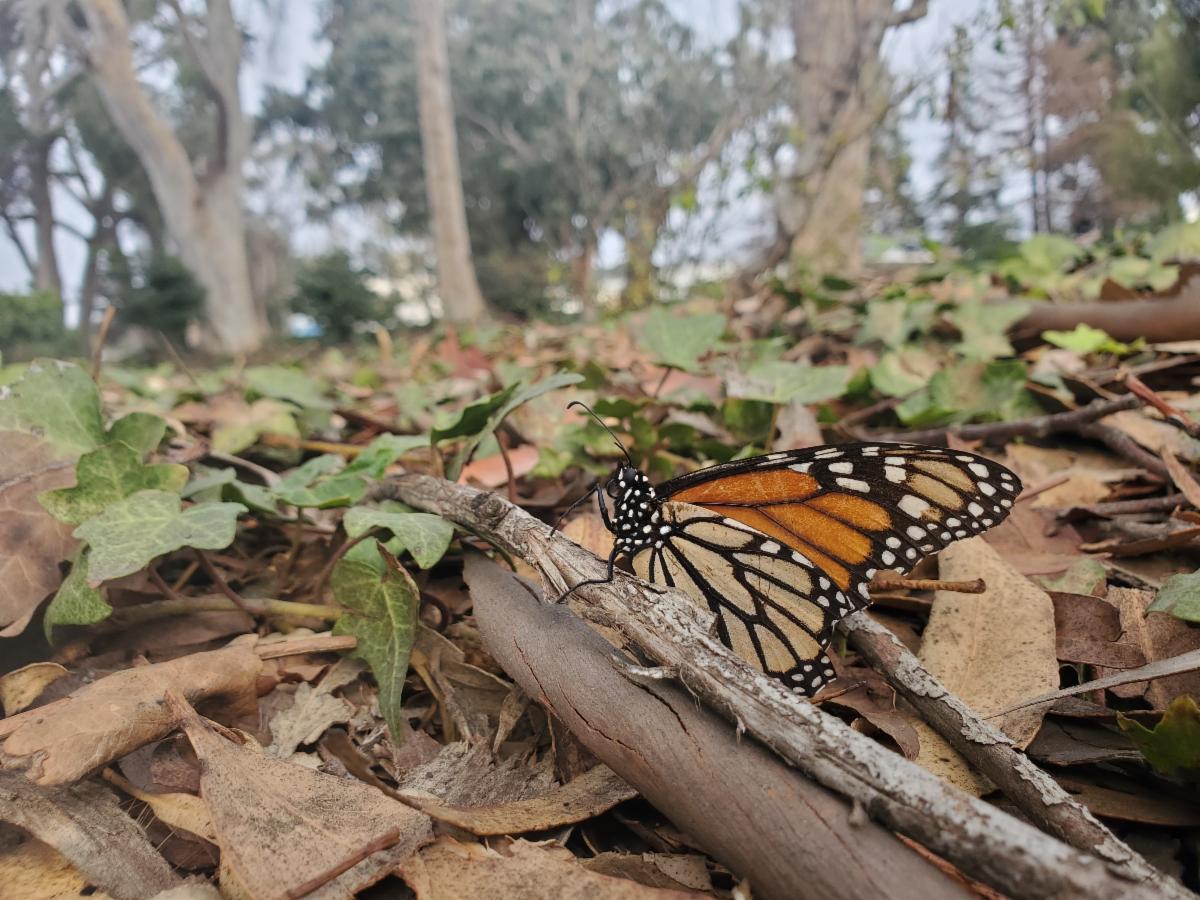
The Xerces Society’s Western Monarch Count (WMC) recently concluded the early-season monitoring period, which ran from October 17 to November 1, 2026. Hundreds of volunteers and partners visited over 190 monarch overwintering sites along the California coast and a few inland sites to count monarchs. 


Preliminary data shows that we have recorded nearly 5,000 monarchs. These early results suggest an overwintering season population size similar to last year when 6,113 monarchs were tallied across 218 sites.


Data are still being collected and the final verified results will be published to WesternMonarchCount.org in January. View and download past WMC data here.


Early-season data are DUE by November 13th!

*Note to volunteers: Read the important "Survey123 Bug" update

at the bottom of this email!


Here’s a brief list of popular overwintering groves and their 2026 early-season stats. Understand that counts may have increased over the last several days, outside the early-season monitoring period.


  • Monarch Bay Golf Course, Alameda County: 253 monarchs on Oct. 20
  • Natural Bridges State Beach, Santa Cruz County: 1,426 monarchs on Oct. 30 
  • Lighthouse Field State Beach, Santa Cruz County: 421 monarchs on Oct. 30
  • Pacific Grove Monarch Butterfly Sanctuary, Monterey County: 14 monarchs on Oct. 30
  • Pismo State Beach Monarch Sanctuary, San Luis Obispo County: 365 monarchs on Oct. 27
  • Ellwood Mesa, Santa Barbara County: 8 monarchs on Oct. 26
  • Harbour Boulevard, Ventura County: 124 monarchs on Oct. 29


Overwintering numbers typically reach their peak in mid-to-late November as cooling temperatures and rainfall encourage monarchs to cluster and the last migrants reach the coast. To document this peak period, the WMC’s mid-season count will run from November 14 to December 6, 2026. If you are interested in seeing overwintering monarchs, review our guide: Everything You Need To Know About Visiting California's Overwintering Monarchs. 


For the latter half of this overwintering season, the super El Niño is projected to bring a mix of high winds, heavy rain, and warmer temperatures to California's coast. While we don’t know exactly how El Niño will play out, we know that, for western monarchs, severe storms can break up overwintering clusters, knock butterflies to the ground, and drain their energy reserves. While every storm system plays out differently, we're deeply concerned this winter could cause significant habitat damage and drive up monarch mortality.

Monarch Tagging Efforts Continue


On a more exciting note, the Western Monarch Overwintering Science Initiative–a collaborative group of scientists, land managers, agencies, and other professionals–has begun Blu+ tagging at select overwintering sites. The Xerces Society is partnering with the California Department of Fish and Wildlife, Althouse & Meade, the U.S. Fish and Wildlife Service, California State Parks, the City of Goleta, and other local public land managers on a second year of groundbreaking movement research for the 2026–27 overwintering season.


Expanding on last year’s study with Point Blue Conservation Science, researchers aim to tag 60–90 monarchs this November across sites from California’s Bay Area to the Central Coast (locations include the Monarch Bay Golf Course in San Leandro and multiple California State Parks along the Central Coast). 


The butterflies will be tracked until their spring departure using automated stationary receivers, such as local node networks and upgraded Motus towers, complemented by crowd-sourced detections.


You can follow along by downloading the Project Monarch Science app, which is compatible with Apple iOS and Google Android mobile operating systems and read more about our plans here.


Fire Fuel Management Recommendations In Monarch Overwintering Sites


Download and consider these management recommendations when balancing monarch habitat needs and fire fuel reduction work inside overwintering groves.


Ways to Help Western Monarchs


Western monarchs face significant challenges, but collective action makes a meaningful difference.


  1. Grow native milkweed to feed monarch caterpillars
  2. Plant nectar-rich flowers to fuel adult monarchs
  3. Protect monarchs from pesticides
  4. Care for California’s overwintering sites
  5. Spread the word about monarch conservation
  6. Participate in community science


Learn more


Survey123 App Has a Bug (and it's not the cool kind)


A new bug is affecting ESRI's ArcGIS Survey123 Field App for users with Apple iOS version 27.0 and newer. This issue is outside the Xerces Society's control since we do not own or manage the app. However, we will communicate updates as soon as they become available.

Bug Issue: The app crashes when selecting existing photos from a device's photo library with full photo access. ESRI is aware of the bug, though they are unable to make changes to the app at this time.

A limited workaround is available for iOS 27.0 and 27.0.1 users to configure the Survey123 Field App’s Photos permission to "Limited Access" instead of "Full Access".


To configure your photo permissions, follow these steps:

  1. Open Settings
  2. Select Survey123
  3. Tap Photos
  4. Change photo access from Full Access to Limited Access
  5. Select the photos that need to be accessible to Survey123
  6. The selected photos may now be uploaded to your datasheet


Written and video tutorials are available here.


Unfortunately, the workaround does not work on the newest iOS 27.2 update. Affected users may still take photos within the Survey123 Field App (recommended) or submit datasheets with attached photos using the Western Monarch Count online forms. 


Thank you for your continued dedication to monarch conservation!


Contact:

wmc@xerces.org

Sign up:

Become a volunteer

Learn more:

westernmonarchcount.org

Facebook
 
 
Xerces Society logo
 

The Western Monarch Count is an initiative of the Xerces Society for Invertebrate Conservation and is made possible by many dedicated participants.


The Xerces Society is a donor-supported nonprofit organization that protects our world through the conservation of invertebrates and their habitats.


Your tax-deductible donation will help grow and sustain that essential work.


Become a member

Fundraise

Learn about Xerces


Photo credits from top, left: Derek Ramsey (GNU FDL)


© The Xerces Society

Facebook social media logo
Instagram social media logo
Bluesky social media logo
Youtube social media logo