The new year began with positive development: the U.S. House of Representatives approved a three-year extension of the enhanced premium tax credits (ePTCs) that help keep Marketplace coverage affordable. Rep. Morgan McGarvey was the only member of Kentucky’s delegation to vote yes. While this action is encouraging, the bill is not expected to pass in the Senate as is. Without continuation of the ePTCs, many more Kentuckians are likely to find health care coverage unaffordable and access to care compromised.


In response to uncertainty regarding the subsidies, insurers have already raised premiums across the board, increasing costs not only for those who get coverage through the Marketplace, but also for employees and employers across Kentucky.

What does this mean? Estimates show that many Marketplace enrollees face dramatic premium increases, while employers are seeing some of the largest premium hikes in nearly a decade. Even companies trying to do the right thing for their employees are struggling to keep coverage in place and affordable for their workers.


At The Asclepius Initiative, we know how this impacts Kentuckians. As our recent research shows, simply having insurance doesn’t mean that people will be able to get the care they need. Study participants reported avoiding or delaying care, skipping medications, waiting months for appointments, or traveling long distances, often because of cost, complexity, or difficulty with provider access.


The challenges we are seeing in 2026 are not fleeting. They reflect worsening problems in a system where coverage can be interrupted – or lost altogether – due to policy shifts, job changes, or uncontrolled escalating costs.


Our goal is to use what we’ve learned to help others understand how the benefits of guaranteed continuous coverage outweigh any disadvantages.


Click here to read more on our blog.

Health Care Hero

Please join us in congratulating TAI’s founder and CEO, Dr. Susan Bornstein, who has been named a 2026 Health Care Hero by Louisville Business First.


She is being recognized as a Health Equity Champion, an honor that highlights leaders working to break down disparities in health care and improve access for underserved populations.


An OBGYN by training, Susan founded TAI after seeing firsthand how cost and coverage barriers prevented her patients from getting the care they needed, even when they had health insurance.


Those experiences shaped TAI’s mission: to help people understand how a system that guarantees affordable, high-quality, continuous health care coverage for everyone from birth until death would lead to better health and greater economic security.


Under Susan’s leadership, TAI has grown into a trusted resource that combines research, education, and community engagement to help Kentuckians better understand the ins and outs of health care coverage, cost, and access – and why a more stable, universal approach to coverage with fewer administrative barriers is possible and desirable.

Health Care Coverage Literacy Spotlight

Now that many people have their health care coverage in place for 2026, there is an important question to ask: Do you know what your plan actually covers and how it works?


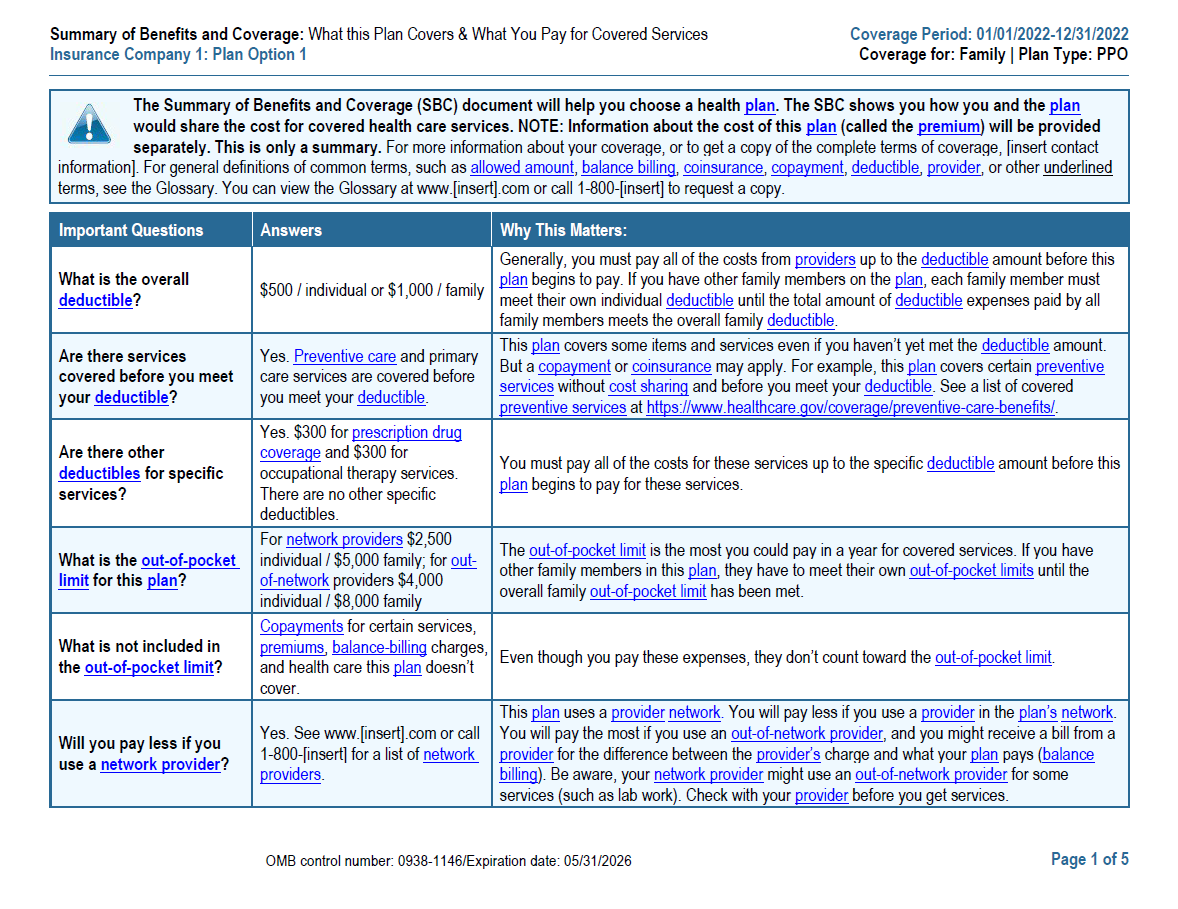
A key tool for understanding your insurance is the Summary of Benefits and Coverage, or SBC. Every health insurance company is required to provide plan-specific information, and it’s designed to explain your coverage in clear, plain language.

An SBC gives you key details at a glance, including:

  • What services are covered
  • Your/your family’s deductible(s) and out-of-pocket maximum(s)
  • Copays and coinsurance amounts
  • Examples showing how the plan pays for common medical services


Your SBC isn’t just important when choosing a plan; it can also be a powerful tool after you receive care. If you get a medical bill that doesn’t look right, your SBC can help you check:

  • Whether the service should be covered
  • What your share of the cost should be
  • Whether the Explanation of Benefits (EOB) follows what your SBC says you should pay


Understanding your SBC can help you spot errors and ask more informed questions before paying a bill.


Check out our video to learn how to find and use your SBC – and what to do if a bill or EOB document seems wrong.

Have more questions about understanding your health care coverage? Click here to view our free educational resources.

We Want Your Feedback

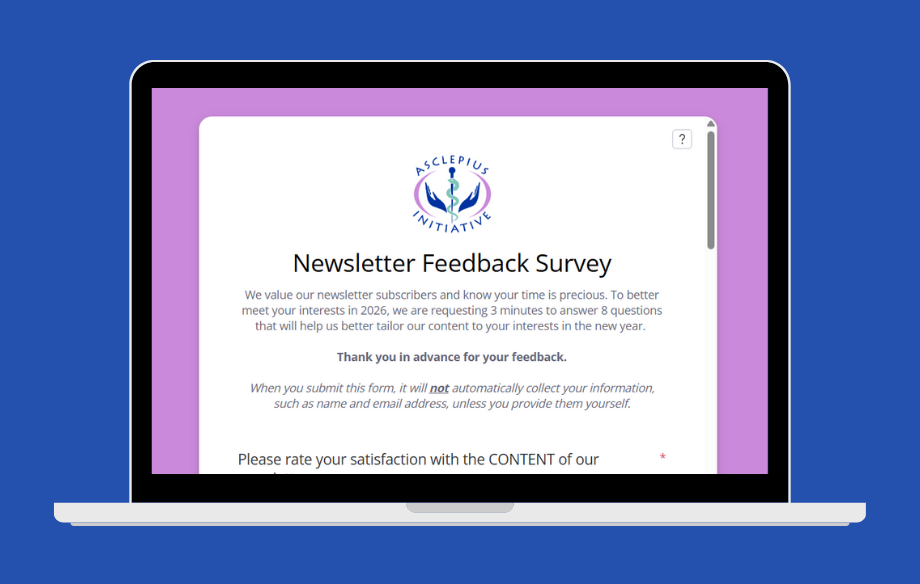
As we start the new year, we want to make sure the information we share in our newsletter is useful, relevant, and worth your time. That’s why we are requesting your feedback.


If you haven’t already, we ask that you take a short 8-question survey about our newsletter content and the topics you’d like to hear more about in 2026. It takes just a few minutes, and your responses will help guide our communications in the months ahead.

We know your time is valuable, and we truly appreciate you taking a moment to share your thoughts.

Follow The Asclepius Initiative on Facebook, Instagram, LinkedIn, and BlueSky to stay informed about developments in health care coverage, education, and reform. We share tips to help you navigate your health care coverage, updates on our work, and opportunities to get involved in creating a healthier future for Kentuckians. Don’t miss out – connect with us today!

The Asclepius Initiative is part of Kroger’s Community Rewards program. Select TAI as the charity of choice and a portion of your receipt will be donated to TAI each time your Kroger Plus Card is used. Signing up is quick and only has to be done once.

1. Go to KrogerCommunityRewards.com


2. Sign into using current login information or the number on the back of the card


3. Select TAI as the organization: search for us by name or by using our code, DG163

Help us continue to provide you with relevant and up-to-date health care coverage information. 

LinkedIn  Facebook  Instagram  Bluesky  YouTube