|
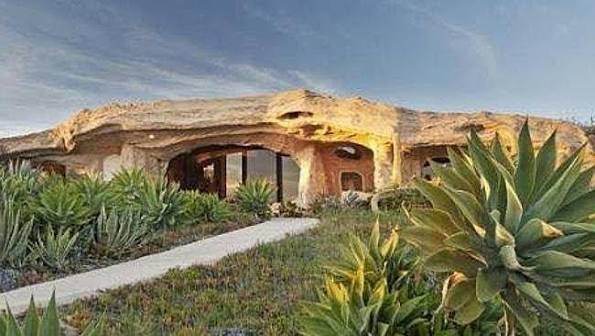
The legendary host and producer, Dick Clark, died in 2012 at the age of 82 with an estate that included one of the strangest celebrity homes ever built, a house in Malibu designed to look like it belonged in The Flintstones. Clark built the 1-bedroom, 2-bath property on 22-acres in the 1980s and after his death, the property was listed for $3.5M and subsequently sold for $1.7M.
So, what can we learn from this bedrock property?
We can talk all about the Florida Homestead property taxes after someone passes away.
Readers of this newsletter know that the term “Homestead” is really 3 things. Homestead refers to (1) your property tax benefits, (2) creditor protection and (3) laws of inheritance. For this newsletter, we’ll be discussing the property tax benefits only.
When someone passes away and they own property in FL, their death causes a “change in ownership”. Now, it doesn’t matter if the property was held in a trust or passed via a lady bird (enhanced life estate) deed or had to go through the dreaded probate process, when someone dies, the legal or beneficial ownership changes and the property is reassessed at just value as of the January 1 following the change of ownership.
Yes, property taxes go up when someone passes away. The “homestead” status for property tax deductions is personal to that individual and ends at their death. The new owner will need to apply for homestead in their name. It’s a real bummer and I get calls about this every week.
There is an important exception for surviving spouses. If a Florida homestead passes to the surviving spouse and the spouse continues to qualify for the homestead exemption (they live on the property), the transfer generally does not trigger a reassessment to full market value. The surviving spouse should still notify the Property Appraiser and make sure the homestead exemption is properly continued or updated in his or her name.
So, there you have it. We learn that homestead is 3 things in Florida and the property tax portion of the homestead only passes to surviving spouses. Everyone else can avoid probate, but not necessarily avoid an increase in property taxes.
|