|
What is rotatory atherectomy? Does it work? Does it work with coronary arteries that are closed? Where can I get it done?
What is it? - Atherectomy Drill>>
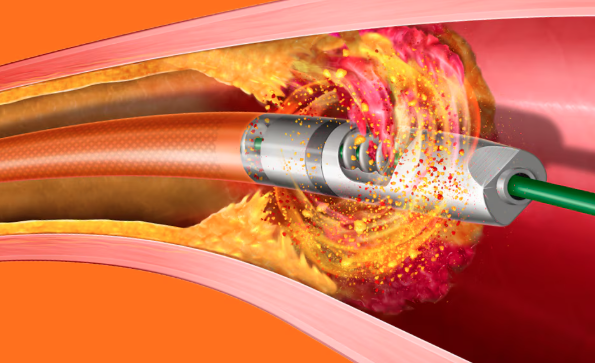
Rotational atherectomy involves the use of a device called a rotablator, which has a tiny diamond-coated burr that spins at high speeds (up to 180,000–200,000 RPM). The device ablates or "sands down" the calcium in the artery into micro-particles (<5 microns), allowing better balloon expansion and stent placement.
When is it used?
Severely calcified coronary arteries
Balloon-uncrossable or balloon-undilatable lesions
Chronic total occlusions (CTO), where the plaque burden is very high
In preparation for stenting, when stents can't properly expand due to rigidity
How successful is this procedure?
In a large real-world study of rotatory atherectomy with over 2,800 patients with heavily calcified coronary arteries, the procedure achieved a 90 to 96% procedural success.
How can a patient with an occluded coronary artery access this procedure?
The team at RCM Health has developed relationships in Europe with the most experienced cardiologists using the world's smallest drill to open up occluded coronary arteries.
We will be pleased to assist when you reach out to RCM Health.
|