The Power of Two

Educators plan and imagine strategies to elevate authentic voices through their online collaboration at the

Summer Institute in Digital Literacy 

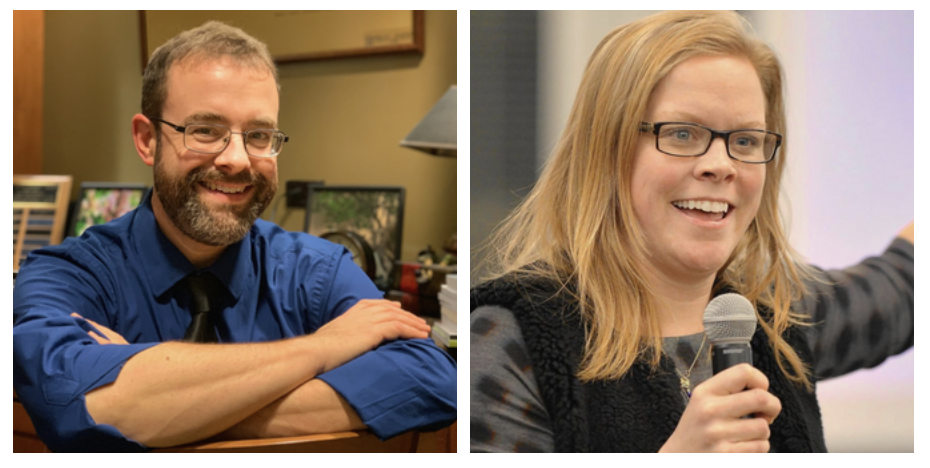
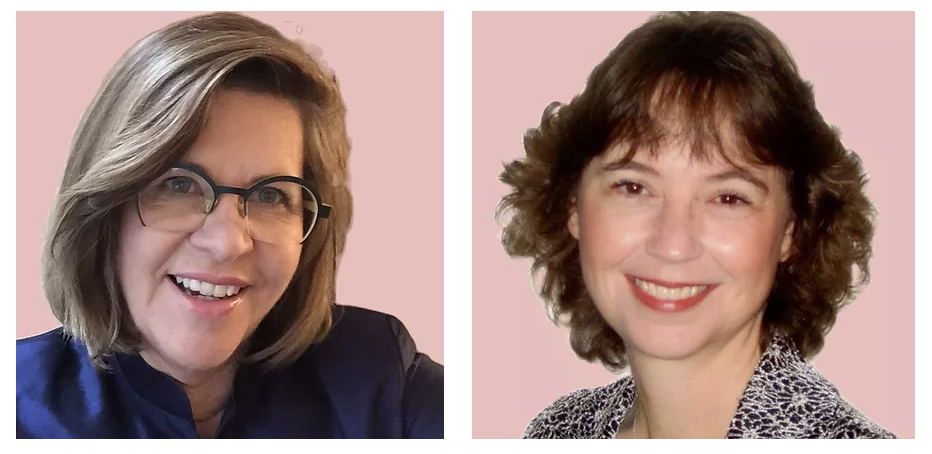
TIMOTHY MOLINA

San Antonio, Texas

DANIELLE WILLIAMS

Chicago, Illinois


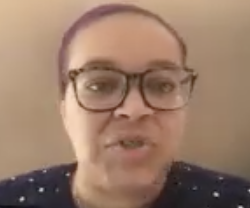
Watch their video summary of their Design Studio Project


They're helping educators build community in their classrooms by

leveraging the power of communication and self-expression


Timothy Molina teaches Mass Communication at Northwest Vista College and Danielle Williams works with teachers in the Chicago Public Schools to develop engaging and meaningful professional development sessions, course assessments and assignments. They both work with students of color who often live in low-income underserved communities surrounded by homelessness, organized crime, human-trafficking, gun violence. domestic violence, Covid-19, family traumas and additional external challenges.


Students do not always get an opportunity to share their stories and express their true cultural and racial identities in learning spaces. Tim and Danielle both realize the potential for authentic narratives from young people to have a lasting impact. Their inquiry project explored the question, "How does a sense of belonging in the classroom help to generate the use of a student's authentic voice?" 


During the Summer Institute, working in Design Studio on a collaborative project, they created a 14-minute podcast and a presentation slide deck for faculty on integrating lessons into the curriculum, as well as a plan of action and a video summary. 


FROM THEIR PROJECT PAGE: "We invite students to document their walk to school, the sights and sounds of their own block, their street corners, the music played in communal spaces and parks. Learners engage with wondering what questions to ask that are meaningful to others and might add to their own authentic voice. What knowledge can they gain from interviewing an elder in their family, a barber, a gas station employee, the basketball coach, a bus driver, and others within their own communities?


Let us leverage the digital age and the age of smart devices and encourage students to take pictures and record sounds of their own communities.  A showcase, post-project discussions, and self-reflection will be built into the project and allow for peers, parents, and community members to locate in a digital site where a student collective of digital artifacts will be documented and stored for later viewing."


This one-of-a-kind professional development program brings people together from across the country

and around the world  for an intense and transformative learning experience


What Makes it Transformative?

Insights From Participants at the

10th Annual Summer Institute in Digital Literacy


❤️ "Relationships and connection are truly at the core of digital literacy."


❤️ "I learned about the importance of being part of a community and working in collaboration with other people."


❤️ "The final product doesn't have to be 'polished' or even 'finished' to one's personal standards to be valuable to either the creator or the community."


❤️ "It's so hard to just pick one, but I would say compassionate and inclusive leadership."


❤️ "Digital literacy needs to be at the heart of all we do."


❤️ "If you want to go where the magic happens, you have to leave your comfort zone."


❤️ "I learned that there are boundless resources - human resources and online resources - that can support and transform educators and others who want to go further down the road of digital literacy."

What Participants Liked

"Well-organized, packed full of learning, challenging topics, respectful, supportive, fabulous faculty, terrific participants, everyone respected as learners and professionals, exciting topics,"

"The sense of community and belonging that you were able to provide in a hybrid format is unlike any I have seen. Also, the variety of content available and the fact that all recordings are shared indefinitely is amazing!"

"I loved the format with its rich offerings through the week, working with design partners, and the many tips and resources gained through the week. I also really appreciated the seamless integration for online and in-person."

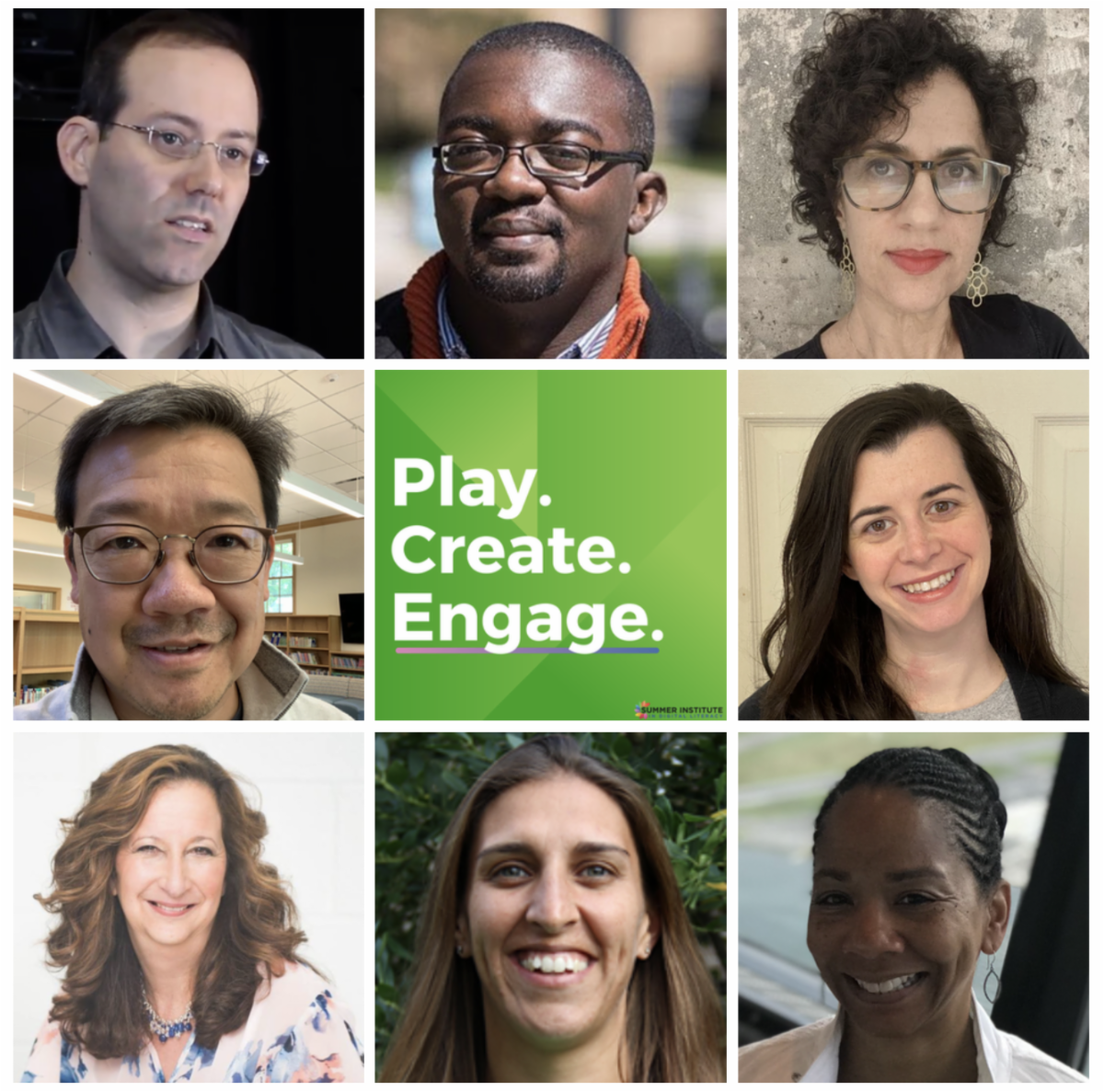
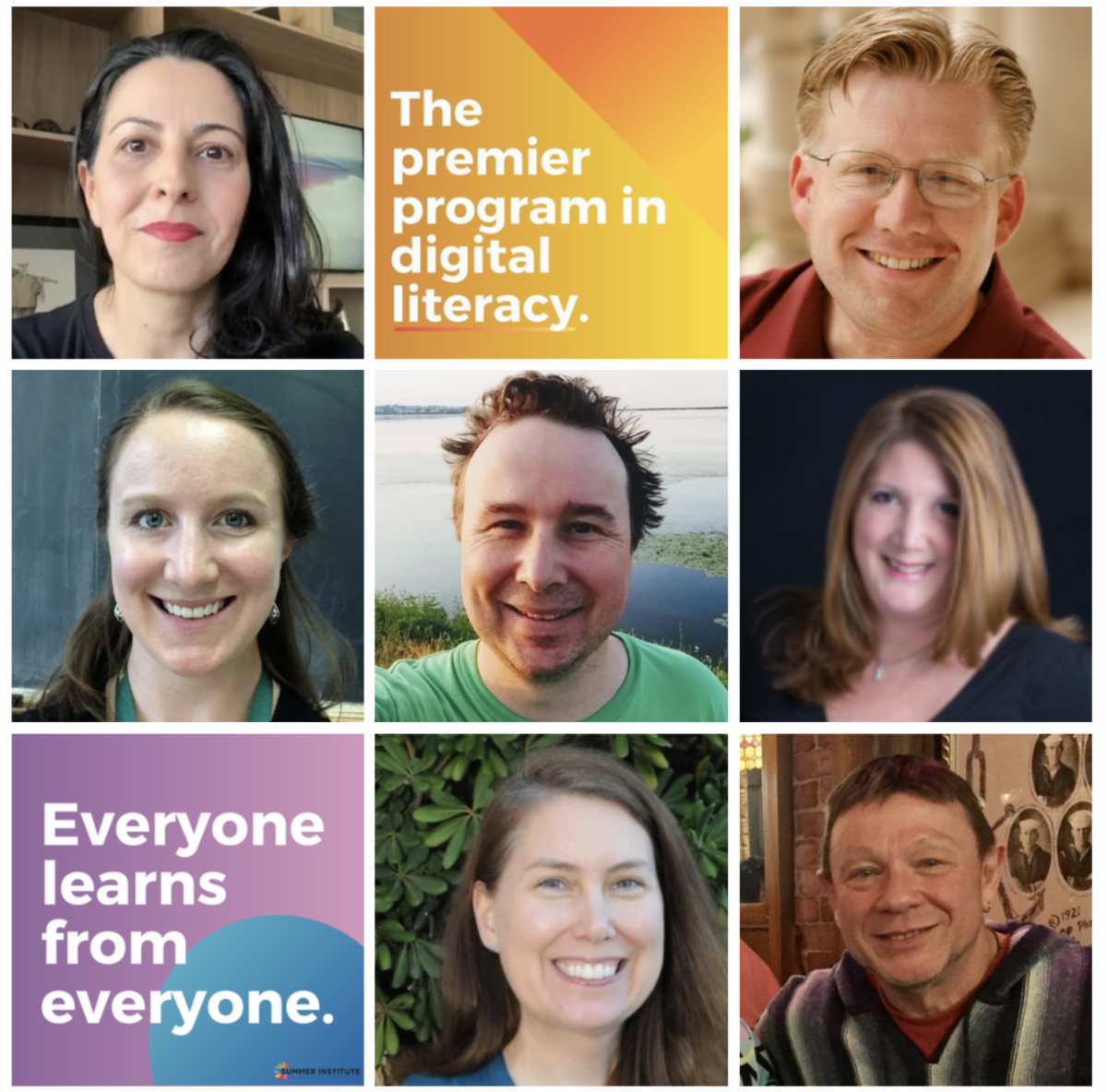
A Special Thank You to Our Faculty

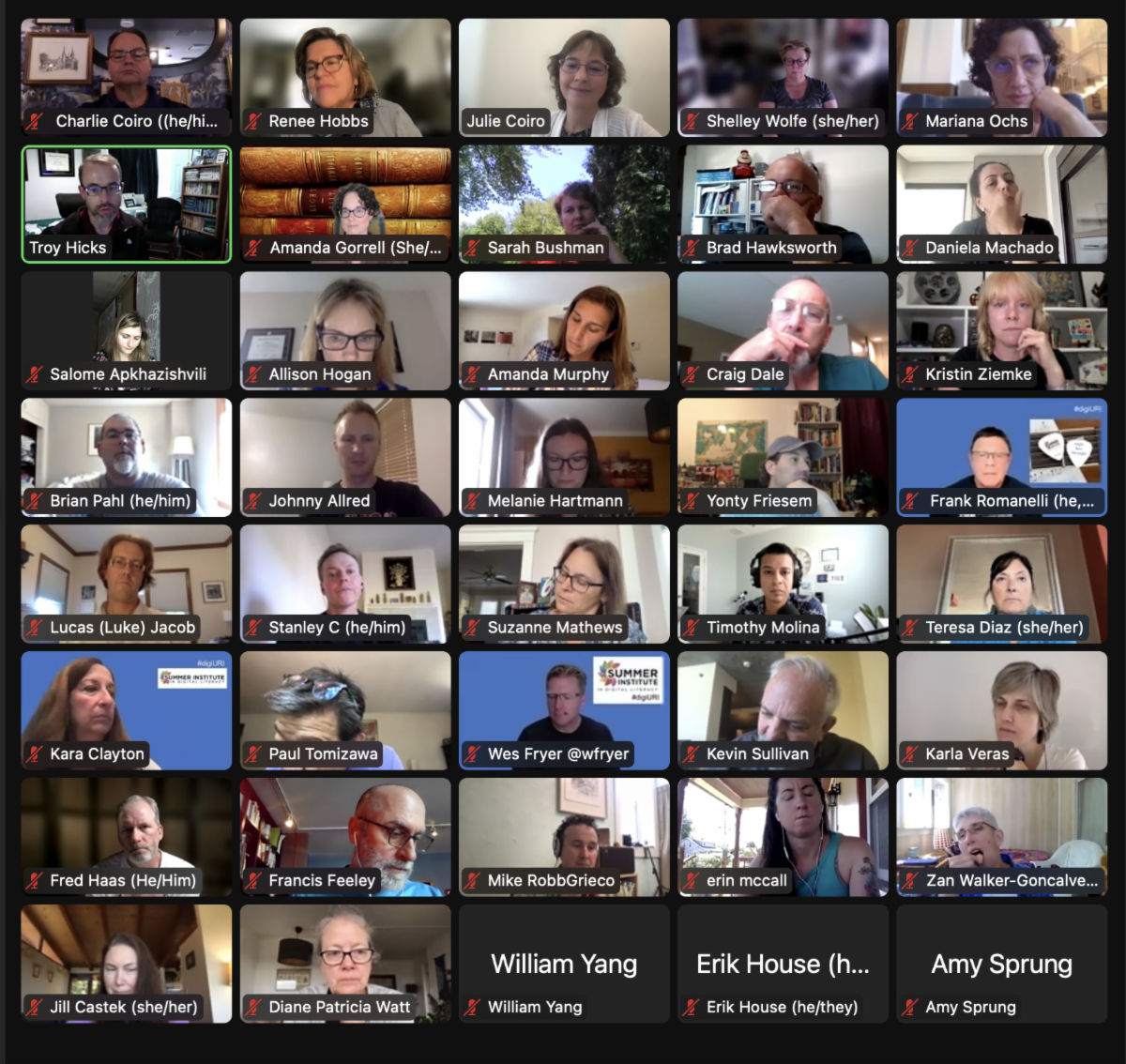
Yonty Friesem

Mike Spikes

Daniela Machado

Paul Tomizawa

Mary Kate Lonergan

Kara Clayton

Amanda Murphy

Jayne Cubbage

Daniela Machado

Wes Fryer

Angie Hartley

Mike RobbGrieco

Kristin Hokanson

Jill Castek 

Frank Romanelli

Renee Hobbs

Julie Coiro


Ryan McCarty

Charlie Coiro

Troy Hicks

Kristin Ziemke


Develop Your Expertise in Digital Literacy

with a Post-Graduate Certificate


The University of Rhode Island's Graduate Certificate in Digital Literacy is a 12-credit graduate program for educators, librarians, media professionals, non-profit leaders, and entrepreneurs. You will acquire the knowledge, skills and competencies required to fully participate in our read/write culture by using, creating and sharing digital texts, tools and technologies.


Our program is intentionally designed to be interdisciplinary at the intersection of media studies and education in recognition of the diverse contexts in which learning occurs and the blurring boundaries between formal and informal learning. By completing all four courses in the program, you can become a recognized leader in digital literacy.


Coursework

The certificate program consists of four rigorous course that can be taken fully online (from anywhere in the world) or in a face-to-face learning experience. 


  • EDC 531: Teaching and Learning with Digital Technologies (Summer Institute Tier 1). This course focuses on how literacy is changing as a result of emerging media and technologies. Students learn how to conduct project-based inquiry using a variety of digital tools to create challenging and engaging learning opportunities for their students.
  • EDC 532: Seminar in Digital Literacy and Learning (Fall Online). This course focuses on understanding major theories of online and offline reading comprehension, how to assess online reading, and productive ways of teaching digital literacy skills in grades K-12.
  • EDC 534: Seminar in Digital Authorship (Spring Online). This course involves students in a range of hands-on dynamic learning experiences that integrate digital media, technologies, and best practice strategies for teaching composition and authorship in a Web 2.0 world.
  • EDC 535: Leading with Digital Literacy (Summer Institute Tier 2). This course focuses on leading and collaborating with face-to-face and digital tools to facilitate real and sustainable change in a range of educational contexts. Students gain hands-on practice in facilitation and design a robust action plan to deploy their vision for integrating digital literacy in their world of work.


All courses have received accreditation from the New England Association of Schools and Colleges (NEASC).

Plan to Join Us This Fall Online!
Media Education Lab
 
Facebook  Twitter  Instagram