“I believe that once we start behaving as if we were in an existential crisis, then we can avoid a climate and ecological breakdown. But the opportunity to do so will not last for long. We have to start today.”
—Greta Thunberg
|
|
Dear friend of the wild,
The Sixth Assessment Report from the IPCC was released a few weeks ago. If you read it, or heard any news about it, you already know that within its 3,949 pages, one thing is abundantly clear: Urgent action to address the climate emergency is crucial.
Two years ago, I wrote in the introduction of NEWT’s Wild Carbon paper regarding climate change, “We stand not at a precipice, but beyond it.” The latest IPCC report makes clear that 1.5°C of global warming is baked in, even if we all stop burning fossil fuels right now. Post-industrial human activity has already increased carbon dioxide to 420 parts per million, a level not seen in approximately 15 million years. Nothing less than a radical shift in industry, consumption, and our relationship to nature is needed. Immediately.
- At 1.5°C, 4% of all vertebrates will lose at least half their habitat; At 2°C, that doubles to 8%.
- At 1.5°C, 6% of insect species will lose at least half their range; At 2°C, that triples to 18%.
- At 1.5°C, 70-90% of coral reefs will decline; At 2°C, that number rises to 99%.
- And for us humans, 1.5°C warming means 14% of our global population will be exposed to severe heat waves every five years; at 2°C, that number rises to 37%. And we know that the most devastating of those effects fall disproportionately on vulnerable and under-resourced communities.
Clearly, what we do today, tomorrow, and in the next few years matters. A half degree Celsius matters. And one of the key tools to mitigate climate chaos is to help nature store more carbon. As a friend of the Wilderness Trust, you know that wild and old forests store and sequester 1, 2 more carbon than cut-over lands. That wild and old forests safeguard biodiversity better than managed ones. And, that wildlands are critical to reimagining our relationship with nature and redefining the modern human experience. Wilderness is the tonic to what ails us.
These reasons are why Northeast Wilderness Trust is more committed than ever to scaling up our work and dramatically increasing the amount of protected wildlands in the Northeast. With more than 41,000 acres already protected as forever-wild and roughly 30,000 acres in our pipeline of active projects, we are just getting started, and you are an important part of this positive change.
The permanent protection of real places as forever-wild is a tangible and effective way to confront and stem the climate crisis. And they’re right here in your backyard, across the Northern Forest.
For the Wild,
|
|
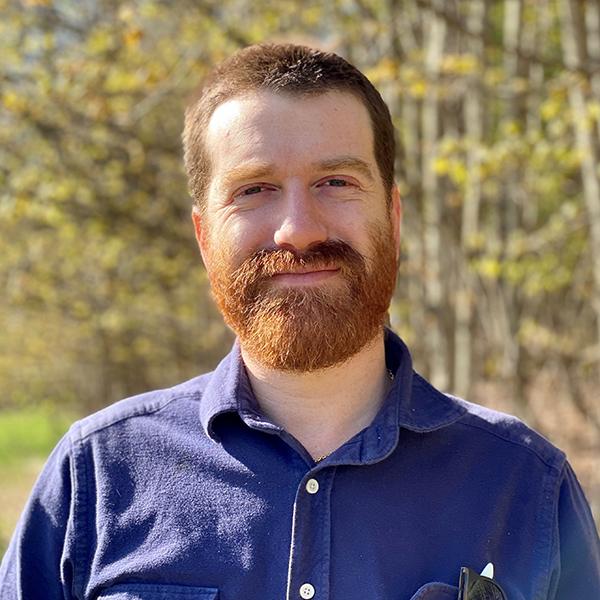
Jon Leibowitz
Executive Director
|
|
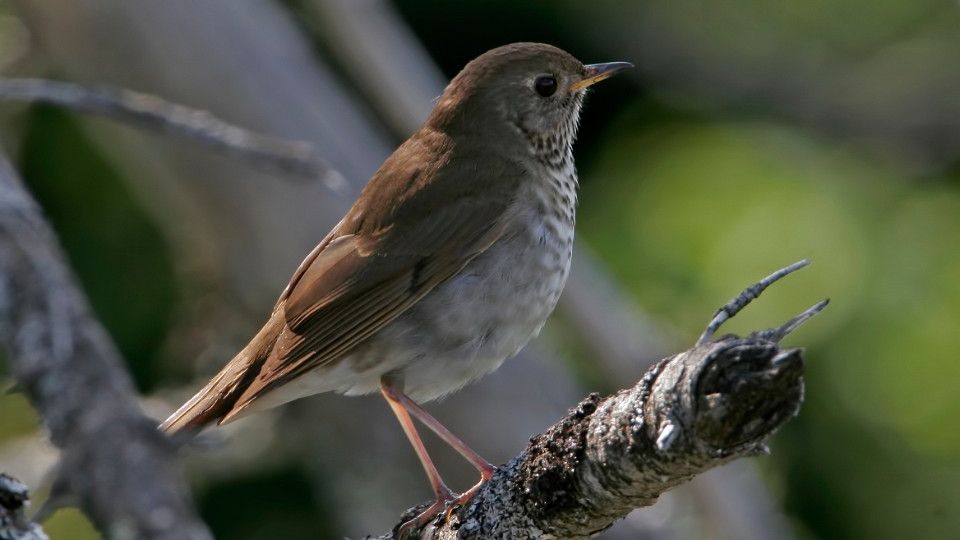
The Mountain Birdwatch Project of Vermont Center for EcoStudies has been surveying Grafton Forest's Speck Pond area for more than a decade. The team tracks ten bird species who rely on mountainous habitat to raise their young, including Bicknell's Thrush, a species of greatest conservation need (pictured above).
You can help save this land and the birds who need it.
Thank you!
|
|
Logging in the Green Mountain National Forest may triple this decade. Many Vermonters are voicing their concerns and organizing to keep these mature forests standing.
|
|
Dams on the Elwha river have caused harm to native people and fish since the early 20th century. The Lower Elwha Klallam tribe's success in getting two dams removed is a story of hope, healing, and rewilding.
|
|
A furniture entrepreneur bought a former hunting estate with plans to rewild more than 23,000 acres as a way of giving back to nature what people have taken away.
|
|
|
|
Share this email with a friend and they can
|
|
|
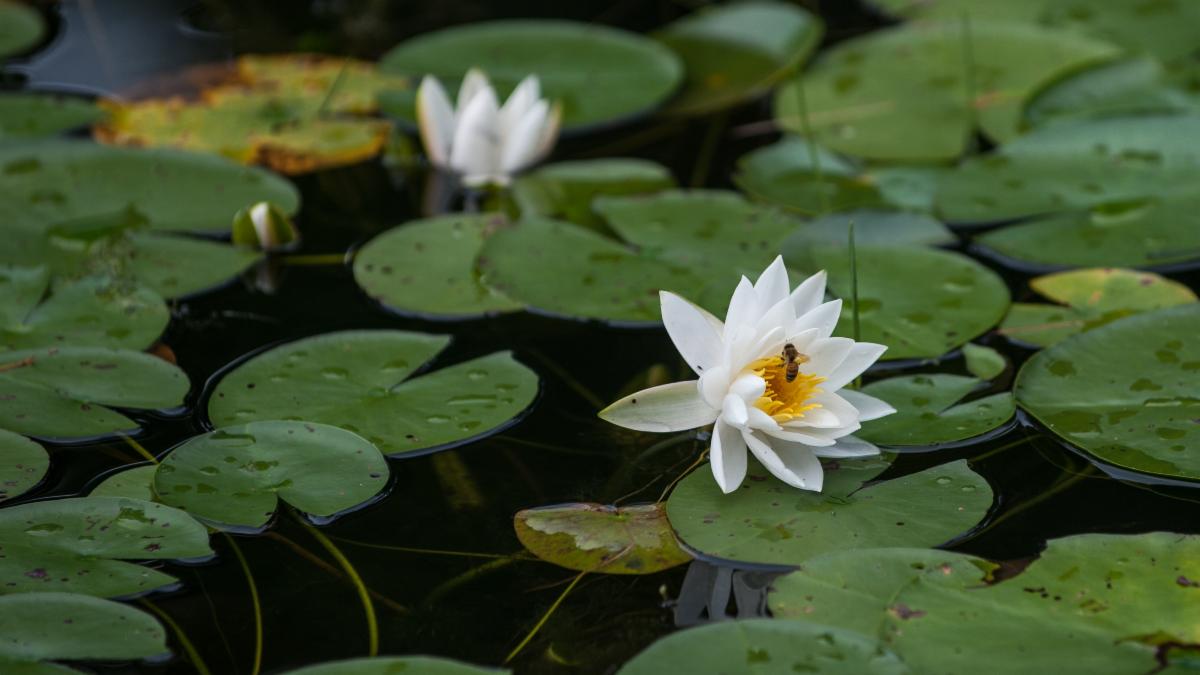
Photography: Water Lily & Bee at Muddy Pond by Natalia Boltukhova | Bicknell's Thrush by Larry Master, www.masterimages.org
|
|
|
|
|
|
|