|
Key Points:
- Many men are taught to hide pain, but unexpressed grief deepens suffering.
- True healing begins when men allow themselves to feel and accept support.
- Cultural pressure to “be strong” often prevents men from processing loss.
- Encouraging vulnerability helps men grow stronger in the broken places.
"The social and psychological pressures we feel
to 'be strong' often prevents us from
processing the losses in our lives."
Male grief is often hidden, but real strength lies in allowing ourselves to feel rather than hide the pain. Denying, repressing, and running away from the unexpressed sorrow only deepens our suffering. True healing begins when men allow themselves to be honest about what they feel and give themselves permission to receive support.
The social and psychological pressures we feel to “be strong” often prevents us from processing the losses in our lives.
Allowing ourselves to be vulnerable helps us bear the pain and even grow more capable of meeting life on its unwelcome terms, stronger in the broken places.
"A phone call from the White House
confirmed that my daughter, Jenna,
had died in a bus accident while studying
abroad in India."
Having written my doctoral dissertation, I penned my first book, The Secrets Men Keep, and spent a good part of my career pioneering the psychology of men. I mapped out previously uncharted territory in understanding how men process their emotions. Writing about “men’s issues” in top newspapers and magazines, and traveling the world to deliver keynote speeches, workshops, and training sessions, I became an expert on the psychology of men and opened an Executive Coaching/Consulting practice, helping leaders in business and government grow into the better versions of themselves.
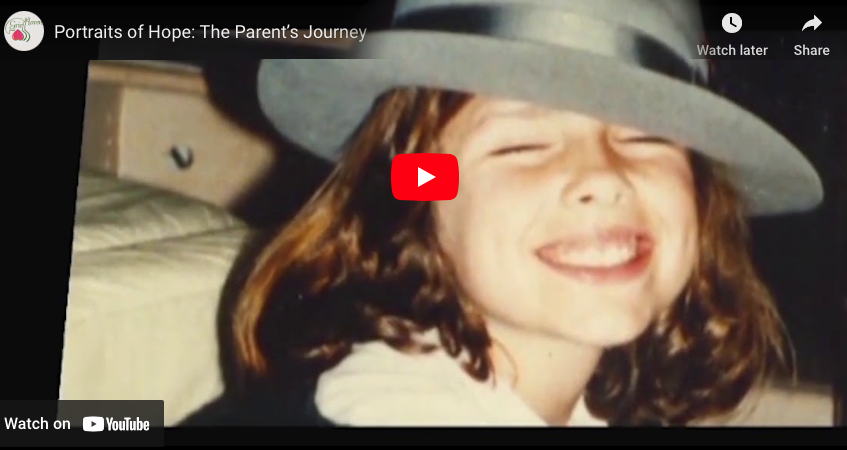
At the peak of my work and family life, with two brilliant and beautiful daughters, my life as I knew it ended. A phone call from the White House confirmed that my daughter, Jenna, had died in a bus accident while studying abroad in India.
"Asking for and receiving emotional support was
not easy. I was used to being the strong one."
Left in an unspeakable, inescapable state of sorrow, I held on for dear life. My heart shattered into a million pieces. My life was derailed, and I was uncertain whether I could survive the pain. Nothing I’d ever learned or been through helped me navigate the sorrow. Learning to feel so lost, be so broken-hearted, surrender into tears, and “travel by the dim light of the stars” took every ounce of courage, faith, and patience I had.
Asking for and receiving emotional support was not easy. I was used to being the strong one.
Taking care of myself was also a challenge. There was no powering through, figuring out, or fixing things. No one could fix my pain, and I had to decipher between those who could support and those who drained and depleted me. Slowly, painstakingly, with the love and support of family and friends, I began fighting my way back into life. I could breathe. And find new strength. But not the way you might expect. I had undergone 47 years of basic training as a guy, taught that emotions (other than anger) were a sign of weakness. Shows of sorrow, confusion, helplessness, and fear would be cause for a demotion to “less of a man” status. Tears would result in a significant drop in stature on the male scale. The call to “Be a man,” “Suck it up,” “Get over it,” and other clichés borrowed from sports, warfare, and male culture were not only useless—they were harmful.
More than anything, I discovered that I needed the strength, courage, and permission to grieve.
"No one could fix my pain, and I had to
decipher between those who could support
and those who drained and depleted me."
The macho code of posing and posturing as strong and self-reliant would have been a formula for disaster for me. Hiding, denying, and repressing my emotions would have prolonged my pain and deepened my sense of isolation. Distancing myself from my feelings and “shooting the messenger” when sorrow surfaced would have disconnected me from my humanity and thwarted my grieving process. I needed to feel the hurt, helplessness, despair, brokenness, outrage, and confusion, begin to process/work through these feelings, learn self-compassion, and become stronger in the broken places.
The cultural norm for being a man encourages us to shut down and shut up, lest we suffer a loss of status. Dr. Mike Friedman, the father of Type A Behavior and one of my mentors, called this “status insecurity.” Is it any wonder that 85% of people who seek grief support after the death of a child, spouse, or parent are women? Too often, men who suffer a life loss, or living loss, are overwhelmed by the intensity of their grief and defenseless against their sorrow. They try to outrun, out-numb, or out-busy their way under, over, and around grief.
"The cultural norm for being a man
encourages us to shut down and
shut up, lest we suffer a loss of status."
The only thing that made sense was for me to honor my daughter by doing good in her name and be honest about my own pain. After giving Jenna’s eulogy and celebrating her life, I decided that the way to go on with my own life was to found a non-profit organization in Jenna’s name. The Foundation’s Families Helping Families program would help those who had suffered comparable losses.
As I learned several years later in one of the Jenna Druck Foundation's first grief support groups in New York after 9-11, men unknowingly try to shut down other men who are trying valiantly to work through their grief. I will never forget the man who came to pick up his wife from one of our day-long workshops after 9-11. The day had been full of tears, rich sharing between attendees, and even laughter. Peeking into the room to find his wife, he was told warmly, “We wish you had been here today, sir.” His response, “No, I know how this shit works. Misery loves company,” was met with a comment from the back of the room after a brief pause, “No, sir!” A woman stood and told him, "It’s hope that loves company.”
Taught to hide, deny, repress, and avoid our feelings, or fake it by telling everyone “I’m fine,” men fool themselves into believing they can just hold their breath or compartmentalize every emotion, including grief. But the debt comes due. Cut off from their feelings, hearts, and too often, their loved ones, they wither. As if life after loss wasn’t difficult enough, they become the watered-down, diluted version of themselves.
What Men Need After a Loss
Here are a few healthy and effective ways to support a man you care about who has suffered a loss:
- Go slow. Be patient. And just be with him. Resist the temptation to figure out and fix him.
- Ask him if this might be a good time to talk or not. If he says it would, ask a simple open-ended question like, “How are you doing?” or "What might this be a good time to talk about?”
- Listen without interruption and, if he’s willing to talking openly, ask, “What’s been helping you?” and “What’s been the hardest part for you?”
- If he’s ready and wants to figure some things out, ask him, “What do you think your options are?” If he grows quiet, gently encourage him to “Tell me more about that.”
- Men often find that “doing” something, like going for a walk, a drive, or a movie, playing golf, cards, or tennis, working on a project, or starting a non-profit foundation helps them transition into the new normal that is now their life. Ask if he’s thought about that. See if he’d like you to join him or if he’d prefer to go alone.
- Gently encourage, but don’t push, him to share his feelings (sorrow, anger, confusion, fear, loneliness, etc.).
- Encourage him to be patient, kind, supportive, and caring with himself.
- Encourage him to be courageously honest and direct with others about the kind of support he needs.
____________
In Conclusion:
Summoning the strength and figuring out how to go on with our own lives after losing a loved one is extremely difficult. It takes great courage, faith, hope, and determination to fight one’s way back into life. It also takes humility to admit that we need help (the least-used four-letter word in the male vocabulary) and to ask for it. Learning self-care, self-compassion, and that it’s OK to ask for what we need helped me turn my pain back into love and balance out my sorrow with joy and gratitude after losing Jenna.
A variation of this article by Ken Druck, Ph.D.
appeared in Psychology Today on
November 10, 2025.
|