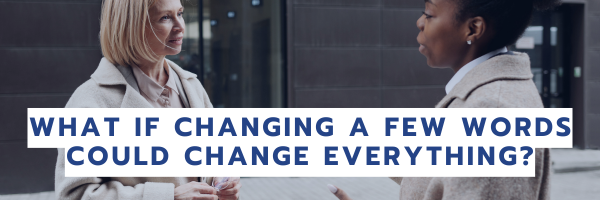
The Words We Choose Matter More Than We Think


End Ableist Language in 2025.


At St. Francis de Sales School for the Deaf, we believe in fostering an inclusive and respectful community. Words are powerful—they can bring people together, but they can also exclude or harm. Often, without realizing it, we use phrases that reinforce harmful ideas, particularly about people who identify as D/disabled person (identity first) or as person with disabilities (person first). 


What’s the Impact of Figurative Language?


Phrases like “fall on deaf ears” or “turn a blind eye” may seem harmless, but they send a message that being Deaf or Blind means being less than whole. This type of language contributes to outdated perceptions of disabled people, implying that disability is a flaw or deficiency rather than a natural part of human diversity.


Why It Matters


When we rethink our words, we honor the dignity and wholeness of all people. Using respectful, inclusive language isn’t just about being “politically correct”—it’s about recognizing and affirming D/disabled people for who they are, without reducing their identity to a metaphor or stereotype.


Identity-First Language


At SFDS, we embrace identity-first language (e.g., “Deaf people,” “Disabled people”), which affirms disability as an important and natural part of identity. However, language is personal, and preferences vary. Some individuals may prefer person-first language (e.g., “people with disabilities”).


The key is to:


Respect each individual’s choice.

Be open to learning.

Avoid assumptions.


How You Can Make a Difference


Rethink Figurative Language


Outdated phrases can be replaced with alternatives that are clear and inclusive:


Instead of “fall on deaf ears,” say “go unnoticed.”


Replace “turn a blind eye” with “ignore” or “overlook.”


Swap “blind spot” for “missed perspective” or “gap in understanding.”


Learn and Reflect


Take time to educate yourself on ableist language and its impact. Small changes in our everyday speech can have a meaningful impact.


Respect Language Preferences 


Language is personal. To foster respect, engage in open and thoughtful conversations.


How to Respectfully Ask


If you’re unsure, kindly ask: “Do you prefer identity-first or person-first language?”


Use open-ended language: “How would you like me to refer to your identity?”


Listen actively, and if someone shares their preference, honor it. Avoid making assumptions or imposing your own choice of words.

Lead with Compassion 


Understand that language choices are often unintentional. Approach conversations with curiosity and kindness rather than shame or blame. Share what you’ve learned and encourage others to use more inclusive language.


By choosing words that reflect respect and understanding, we create a stronger, more inclusive world for all—where Deaf, Blind, and Disabled people are recognized as whole, valued individuals.


Interested in Learning More?


Explore resources like Verywell Mind's Guide to Ableist Language and Dictionary.com's examples to better understand the impact of words.


In closing, let’s make 2025 the year we rethink our words and create a community where everyone feels valued, and included.


Please Support SFDS!

Our work is made possible by the continued support of our community.


Donate to SFDS here

Facebook        Twitter        Instagram        LinkedIn        YouTube