What Is Consent?


Consent is important—it should happen every time for every type of activity. In this month's guide, you will learn:


  • The definition of consent
  • What consent DOES look like
  • What consent does NOT look like
  • The definition of enthusiastic consent
  • How to talk to youth about consent


WHAT IS CONSENT?


According to RAINN, "consent is an ongoing process of discussing boundaries and what you're comfortable with."


But what does consent look like? And what does it not look like?


WHAT CONSENT IS


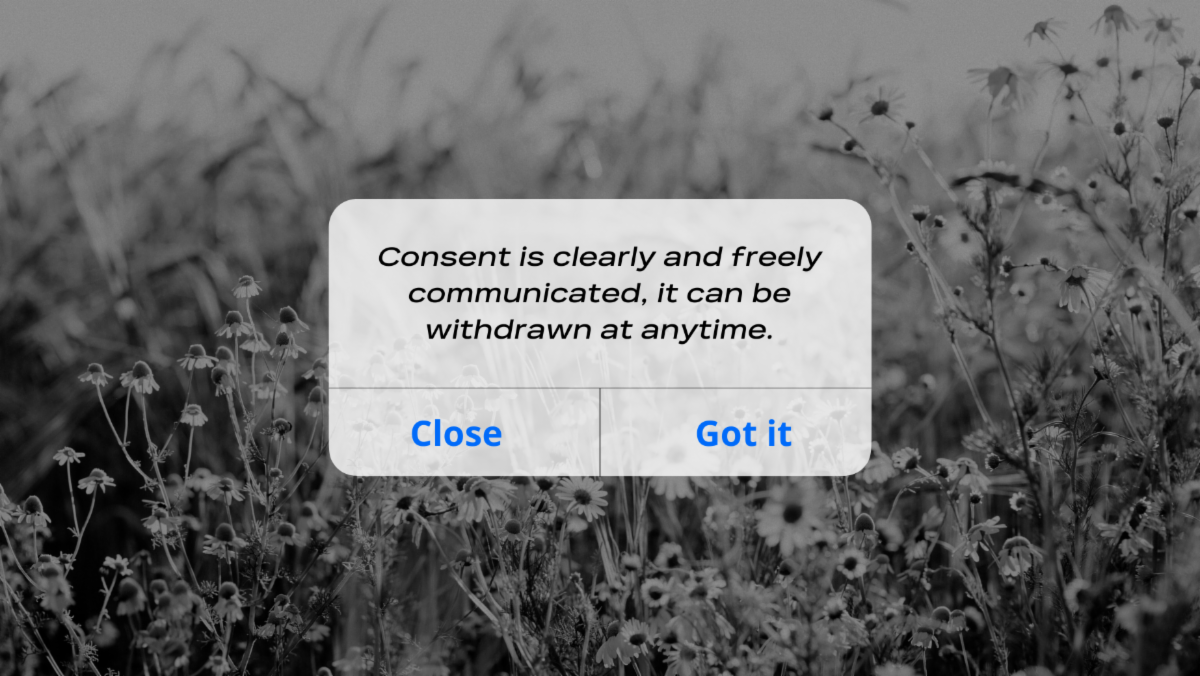
  • Consent is clearly and freely communicated
  • Someone can withdraw consent at anytime
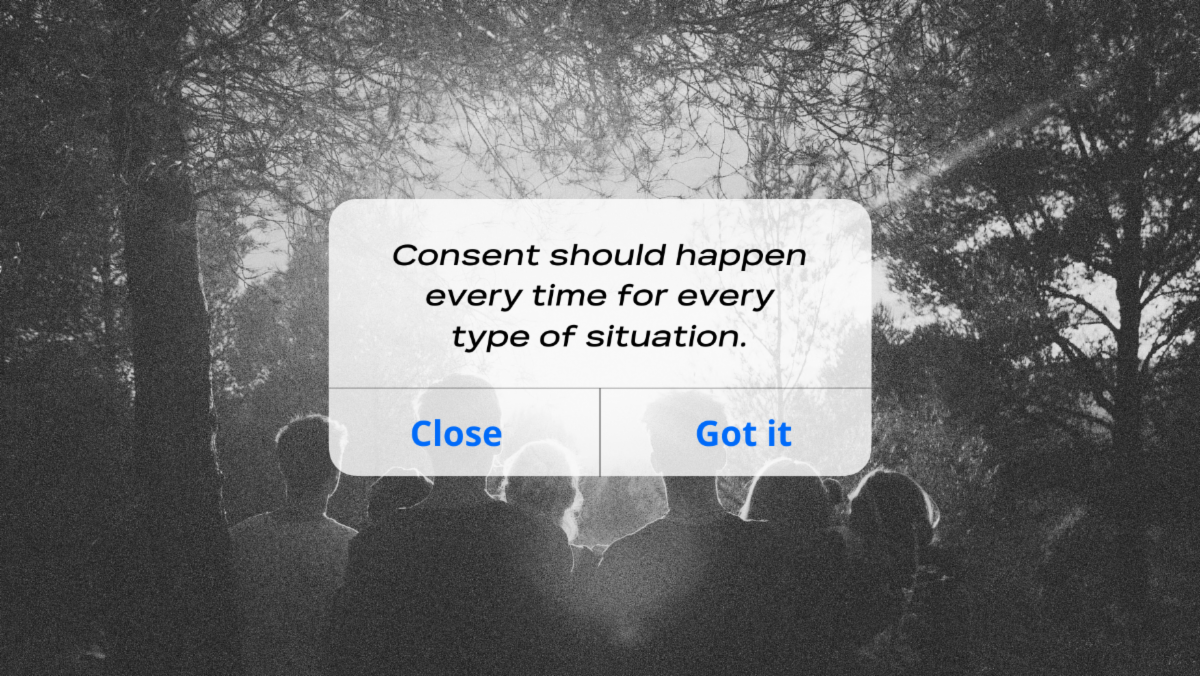
  • Consent should happen every time for every type of situation
  • In regard to intimate activities, ensure all parties are comfortable with any sexual activity by talking about it and checking in periodically
  • Consent is essential to a healthy, respectful, and safe environment
 

WHAT CONSENT IS NOT


  • It is not consent if someone agrees to an activity under pressure of intimidation, guilt, or threat
  • Consent does not look like assuming you have permission to engage because you've done it in the past
  • In regard to intimate activities, consent cannot be given by individuals who are underage, intoxicated, or incapacitated by drugs or alcohol, or asleep or unconscious


WHAT IS ENTHUSIASTIC CONSENT?


According to RAINN, "enthusiastic consent is a newer model for understanding consent that focuses on a positive expression of consent."


  • It means looking for a clear "yes" rather than the absence of a "no".


Source: RAINN

Source: Raisingchildren.net.au


HOW TO TALK TO YOUTH ABOUT CONSENT


Having conversations about consent are important to have early and often with your children. Here are some great tips on where to start from Australia's Raising Children Network:


  1. Have small talks when you get the chance — 'Big talks' about things like consent can be tricky, so it's often best to make the most of opportunities when they come up (ie. car convos, hot cocoa chats).
  2. Find out what your child knows or thinks — Open-ended questions can help you do this (ie. "What do you think about Prince Charming kissing Sleeping Beauty while she's asleep?").
  3. Correct misinformation and explain things — It's important to use language and examples your child can understand (ie. for younger children about personal boundaries: "It's your body so you can decide who hugs, kisses, or tickles you.")
  4. Check whether your child has questions — If your child has questions and you don't know what to say, tell your child you're glad they asked, that you don't know the answer, and that you'll look for information and get back to them.
  5. Respect your child's choices about touch — And likewise, teach them about respecting other people's boundaries
  6. For talking to carers — Ask your child's carers to ask your child for consent for things like changing your child's underwear if your child has accidentally wet themselves.
  7. For sharing images (ie. via text or social media) — If your child wants to share images of other people tell them they always need to ask for permission first. Likewise, your child should feel free to say no to someone who asks to share their picture.


Source: Raisingchildren.net.au


CONSENT IS AS EASY AS F.R.I.E.S.


F : Freely Given

  • Not pressured, forced, or coerced

R : Reversible

  • Just because someone agreed to something before, it's not an automatic yes, and consent can be withdrawn at any time

I : Informed

  • Everyone understands what activity they are agreeing to

E : Enthusiastic

  • Not just going along with the activity but excited to be doing the activity!

S : Specific

  • Agreeing to one activity isn't agreeing to all similar activities


Source: echealthalliance.org


Below is a great video to share with your younger (Elementary) kids that outlines consent in a clear and age appropriate way:


Below is a great video to share with your older (High School) kids that outlines consent in a clear and age appropriate way:


Looking For More Prevention Resources?


Want additional talking points, situational drills, and a person to have direct Q&A? Request a FREE virtual or in-person speaker from C.A.S.T. for topics like:


  • Human Trafficking 101
  • Parent Workshops
  • Youth Presentations
  • Round Tables (small groups sessions for brainstorming and Q&A)


Want to Share With Us How You Are Taking Steps Toward Prevention?


P.O. Box 251001,

Woodbury, MN, 55125

www.castmn.org

Facebook  Instagram