What Is Sextortion? How Do We Prevent it? | | |
|
According to the FBI, there has been a huge increase in the number of sextortion cases. But what is sextortion, and how can we keep each other safe? In this month's guide, you will learn:
- The definition of sextortion
- Steps to take if you, or someone you know, is at risk of sextortion
- Resources and tips for parents/caregivers
- How and where to report about sextortion
|
| | |
|
WHAT IS SEXTORTION?
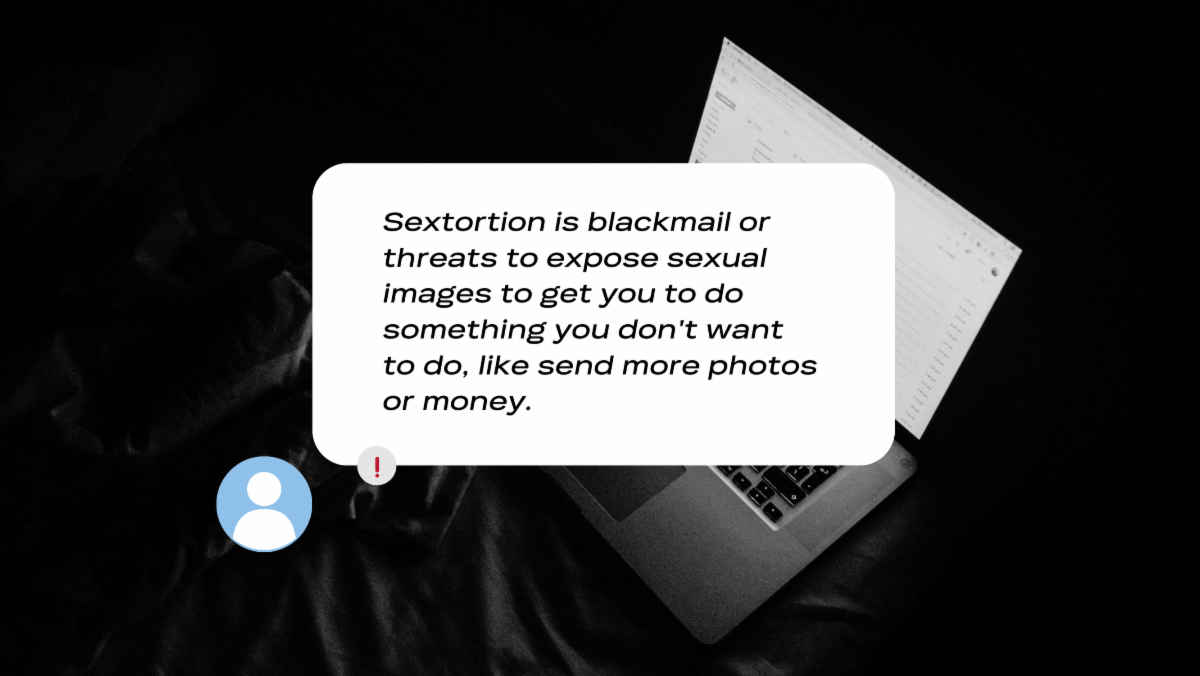
Sextortion (sex and extortion) is blackmail or threats to expose sexual images to get you to do something you don't want to do, like send more intimate photos or money.
The National Center for Missing and Exploited Children (NCMEC) has seen an increase of 323% in the number of online enticement reports (the category that includes sextortion) between 2021 and 2023.
|
| | |
|
Online Interaction
- Sextortion can happen on any platform with messaging
(So think: Snapchat, Instagram, Discord, Youtube, Roblox, Minecraft, other social media and gaming apps).
- Offenders may spend time chatting, becoming a trusted friend or even a romantic prospect, and then asking for nudes or sexualized content.
|
| |
|
Existing Relationships
- Sextortion can happen among peers
(For example) a sleepover, their friends tell them "body empowerment, your body is amazing, you should take nudes and celebrate how incredible you are." They share their image, then their friends say, "do our homework or we will share your photos with the whole school."
- This can apply to friendships, teammates, classmates, or romantic partnerships. At C.A.ST. we are hearing about more peer to peer exploitation in schools.
| | | |
|
Remember: It can be tempting to ban the internet all together, but this could make a child more vulnerable. The way to protect your child is to teach them how to navigate the internet safely, spot sketchy behavior, and know what to do if someone tries to blackmail them.
Read C.A.S.T.'s Internet Safety Guide by clicking the blue button below.
Source: Thorn.org
Additional Sources: Love 146
|
| | |
|
WHAT ARE DEEPFAKES?
A deepfake is a video, photo, or audio recording that seems real but has been manipulated with AI.
How does it tie into sextortion?
There is a rise in students using AI to generate sexually explicit images/videos of their peers, then blackmailing them.
We will have more details coming out in a future Preventative Power Email, but it is now illegal to use AI to generate sexually intimate images of a minor or a person without their consent. Action steps if someone blackmails you with AI generated content are the same as below.
Source: US Government of Accountability Office
|
| | |
|
STEPS TO TAKE IF YOU OR SOMEONE YOU KNOW IS AT RISK OF SEXTORTION
You are worth protecting. Your worth never changes no matter what happens to you. It's not your fault. Exploitation and abuse thrive in silence. We want to encourage you to speak up and get help.
-
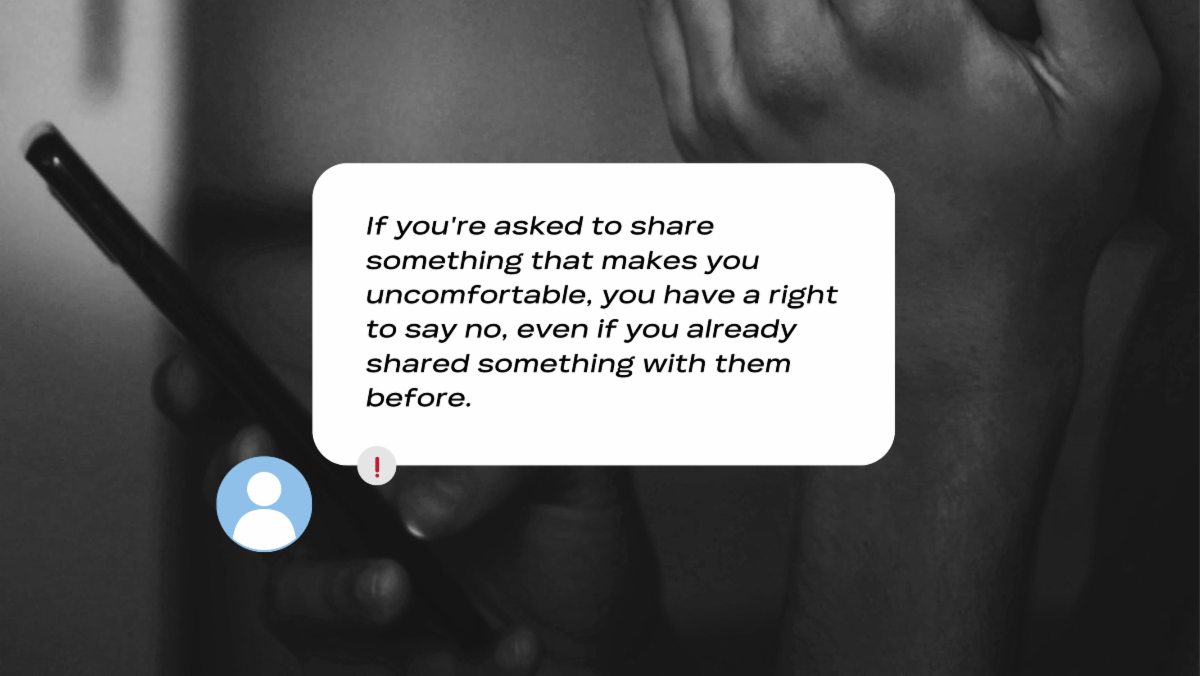
Take control and stop responding — If you're asked to share something that makes you uncomfortable, you have a right to say no, even if you already shared something with them before.
-
Get help instead of paying money or otherwise complying with the blackmailer. Cooperating or paying rarely stops their threats.
-
Talk with someone you trust — Addressing your feelings is important, and talking with people who care about you can help.
-
Text "THORN" to 741741 — Confidentially speak with a trained counselor.
-
Report sextortion to the platform — Tech companies can help remove images and in some cases remove the threats. You can report both the people threatening you, their threats, and the images if they've been shared.
-
Report sextortion to NCMEC's Cybertipline — At report.cybertip.org or takeitdown.ncmec.org
-
Block the blackmailer but save everything — Do not delete your profile or messages. This will help show law enforcement what happened instead of just relying on your memory. Sextortion is a crime.
-
Change all of your passwords — Maintain your privacy.
Source: Thorn @ stopsextortion.org
|
| | |
Watch Thorn's Stop Sextortion Campaign video below, which is a good video to share with your kids to start the conversation: |
| | |
|
RESOURCES & TIPS FOR PARENTS/CAREGIVERS
Having a conversation about sextortion with our youth can be hard. This type of abuse can be traumatic, isolating, and shaming. But talking about this issue is the first step in preventing it from happening.
-
Talk to your child without judgment about trust, consent, and what to do if someone asks for a photo of them or threatens them. Check out Thorn's discussion guide by clicking on the blue button below.
-
Be there unconditionally — They need to know you'll always get through tough situations together.
-
Tell them: don't forward pics — Talk with your kids about what it means to share nude photos of someone else, and remind them not to forward these images. If the image is of another minor, it is child sexual abuse material (which has legal consequences when shared).
-
Understand the issue — Know what sextortion is and how it happens.
-
Understand how it's perpetrated — Know what sextortion looks like.
-
Keep learning — Talk with your child about their digital world. What apps do they like to go on? What games do they like to play online?
-
Spread the word — By educating each other, we create a stronger safety net for all of our children.
Source: Thorn @ stopsextortion.org
|
| | |
|
HOW TO REPORT & WHERE TO REPORT
It can be difficult knowing where to start when it comes to reporting sextortion situations. Here's where to start:
If your content or AI generated content of you is posted on the internet you can get it taken down using National Center of Missing and Exploited Children's Take It Down.
|
| | |
|
Looking For More Prevention Resources?
Want additional talking points, situational drills, and a person to have direct Q&A? Request a FREE virtual or in-person speaker from C.A.S.T. for topics like:
- Human Trafficking 101
- Parent Workshops
- Youth Presentations
- Round Tables (small groups sessions for brainstorming and Q&A)
|
| | |
Want to Share With Us How You Are Taking Steps Toward Prevention? |
| | | | |