|
In last week's column I described a car's journey from new car to 'just a used car' to appreciating classic. Is it possible to look at the 200 or so new cars available today and predict which ones are destined to just be recycled, and which ones will turn out to be appreciating classics? Can we identify those characteristics that will lead to a reversal of depreciation? What is the common thread that classic vehicles share?
If we look at the various classic car price guides and indexes we see perhaps 500 cars that are investment worthy. Somehow or other these cars are special; either by design, technology, performance or cultural impact. Most often they have defined a shift in the marketplace, or created a new segment.
Many classics were yesterday's 'Halo' cars, produced by the manufacturer to demonstrate new technology. Some were necessary to homologate a racing car by producing a limited run of street versions. Others were introduced to generate column inches of press. Many were unprofitable, which is why not many were made.
Other cars, like the Citroen DS, had a massive cultural impact. The 'Goddess' stole the 1955 Paris Auto show - in the first 15 minutes over 700 orders were taken! Citroen went on to make almost 1.5M of them, and the car became ingrained in French culture. The best examples now approach the cost of a proper restoration.
Not so the made-in-Canada Cordoba, sadly. A triumph of marketing and celebrity endorsement over engineering, Chrysler sold 150,000 of them per year in the mid to late 1970's. Even today, most people have heard of the famous 'Corinthian Leather'. The Cordoba was certainly an impactful car, and I am sure one day the 10 remaining cars will be worth something. As I know from personal experience (!), it isn't now.
Fortunately for restorers and classic car dealers, there were many cars sold in volume that have a robust market today, though they have a value ceiling due to their production numbers. When the prices start to rise, more cars come to market and an equilibrium is established.
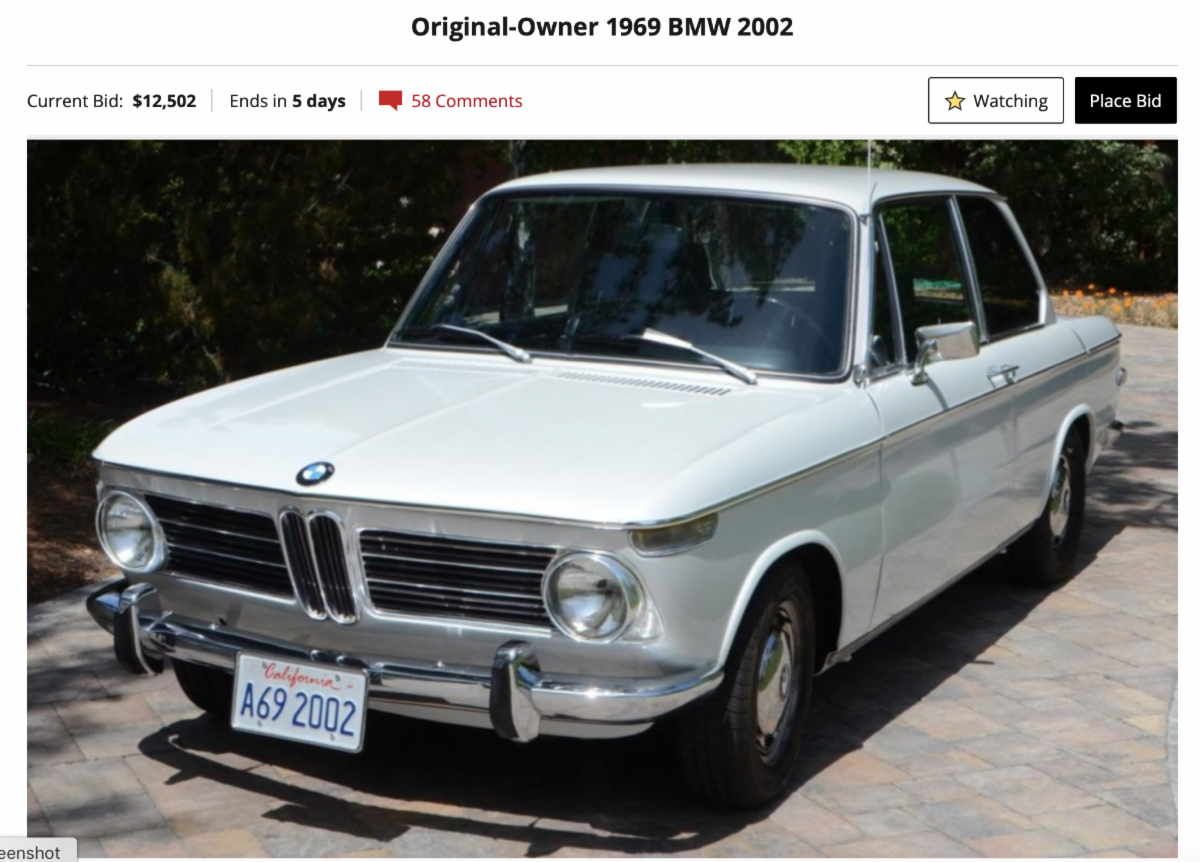
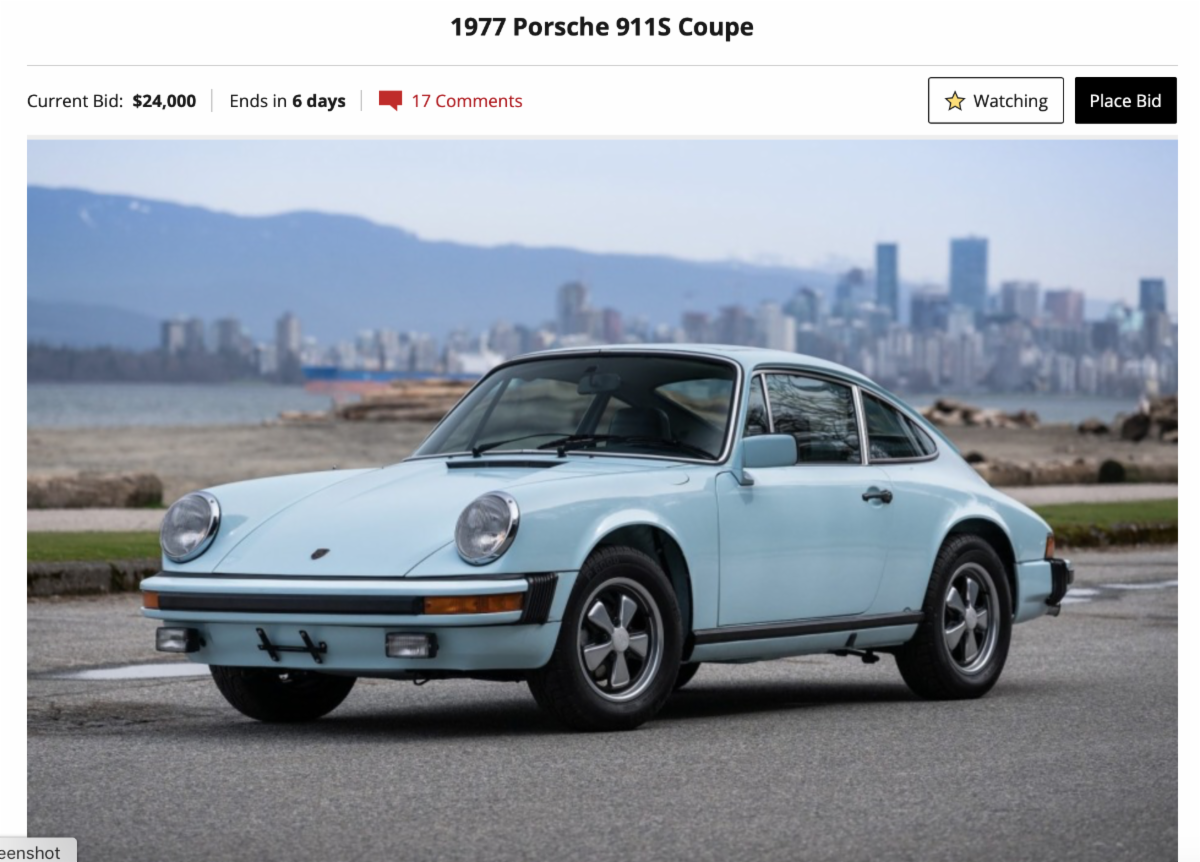
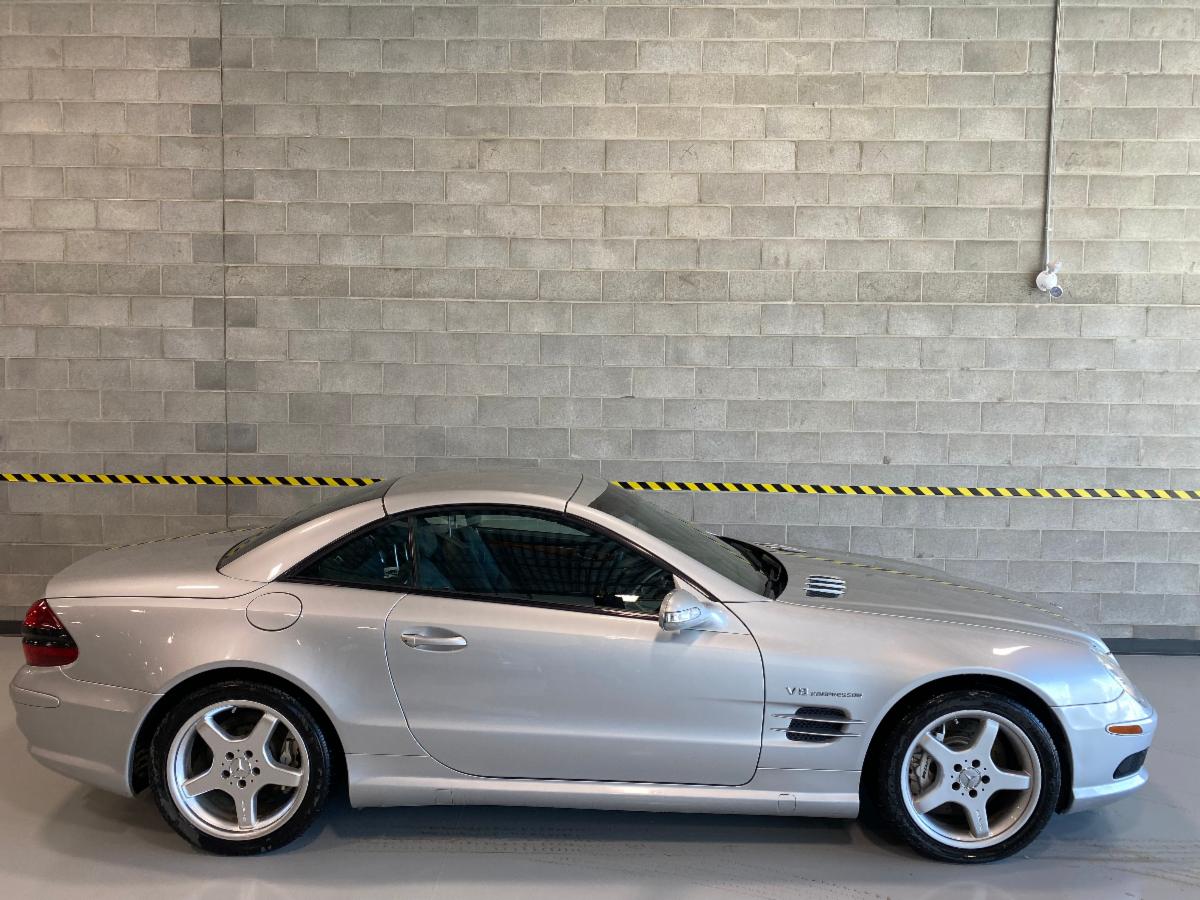
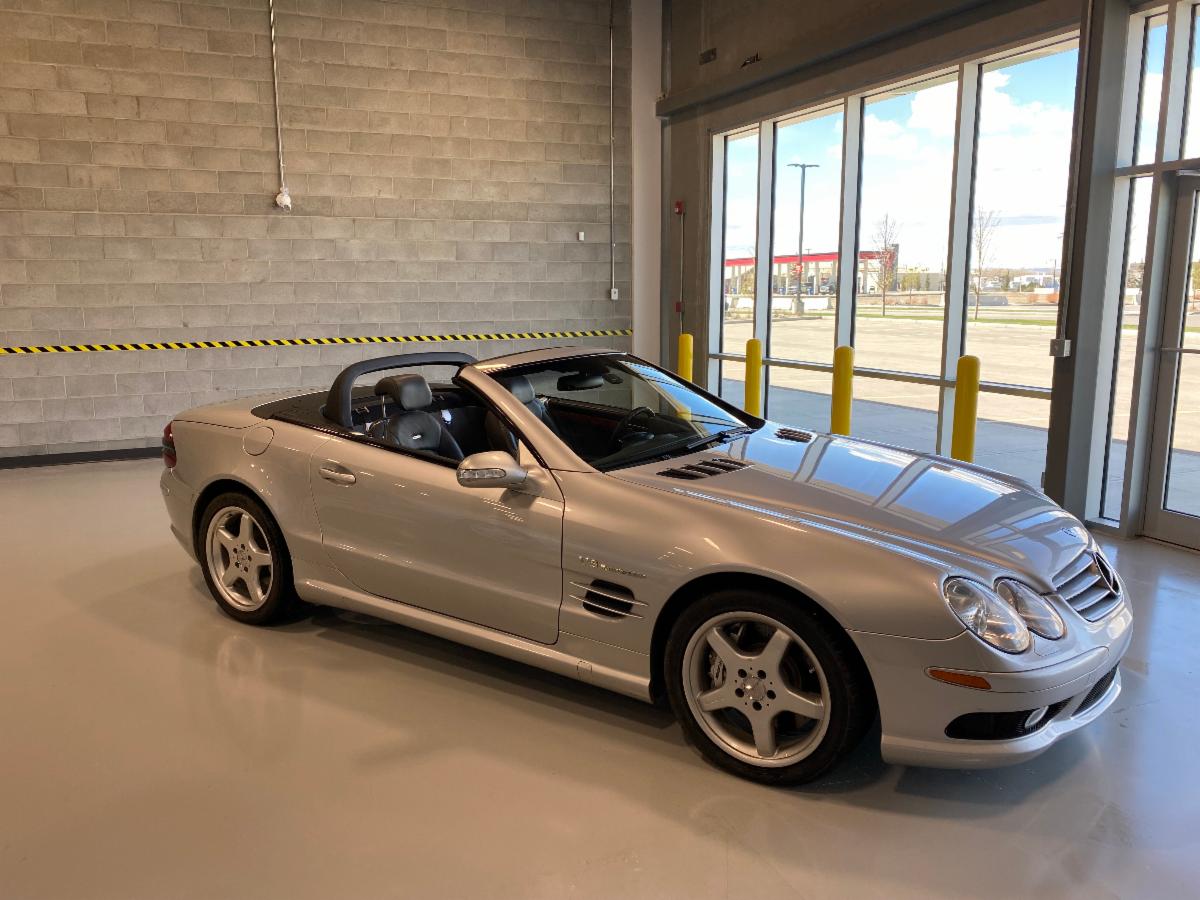
Most production-based cars will cost $150k-$200k to restore today. Often the cars that had the most monumental impact were sold in relatively large quantities: MG TC, Jaguar XK 120, Mercedes SL, Citroen DS, Jaguar E Type, Porsche 911, BMW 2002, Alfa Romeo GTV, Fiat Spider, Corvette - to name several. For the most part, at the upper end of the market, these cars sell for the cost of restoration - as you can always find another example and restore it. To get more than this, the car would have to be an exceptionally original car or be a limited production variant. Meaning you can't just, 'go find another'.
If you are valuing one of these cars, you can ask, "Can I duplicate this car at this price?" As long as you are getting the car you want, and it is less than the cost of restoring one, you should be happy. Regardless of what the market does, you will still get the utility and enjoyment from the automobile. Once you start paying more than the cost of restoration you are buying the VIN, and enter into the speculative market.
Another question to ask might be, "What is the cost of a modern equivalent". There are few classics which are worth more than their replacement cost. The vast majority of Corvettes, Ferraris and Porsches sell for less than the cost of a new one. The small number of variants that sell for above the new car MRSP are in some way special.
It isn't a very long list of cars whose values exceed the cost of restoration, or exceed their replacement cost. Some examples are the McLaren F1, the last of the Mezger engined Porsche 911 GT cars and the Carrera GT, some of the AMG 'Black' series cars and the Ford GT's... The commonality here is production volume, which isn't more than a few thousand copies and is only 106 for the $20M F1.
It is interesting that when new, most of these cars were a tough sell. McLaren was going to make 100 road cars but couldn't sell that many and converted some into racing cars. Porsche had to cut back the intended 1,500 production run of the CGT and many sat on dealer lots, unsold. The same dealers couldn't sell the GT2RS when they were new in 2011, as nobody thought a 911 could be worth $300k. Ford dealers didn't know what to do with the GT when it came out in the 2000's.
Hardly any of these cars remain with their original owners - only the most committed and astute collectors like Ralph Lauren and Jay Leno still have their F1s, which are now worth 20x what they paid. There is a lesson in there somewhere.
Rarity alone is not a guarantee of a future classic. Lots of cars are rare because nobody wanted to buy them, or because they were extremely expensive and had a thin market. There is always going to be a better, more powerful, faster hypercar and buyers want the newest and flashiest. Who wants yesterday's 800hp Ferrari, when today's 900hp version is on the cover of the Du Pont registry? The old car will be worth less. Same thing with a new Bentley or Rolls Royce - they are in for a long period of just being used cars and will hit a floor at a small percentage of their new car MRSP.
Porsche and Ferrari very carefully orchestrate the release of their Hypercars - they don't make them every year. A Carrera GT isn't better than a 959 or a 918 Hybrid; they each represent the pinnacle of technology in their eras. The same goes for the Ferrari 288 GTO/F40/F50/Enzo and LaFerrari. Ferrari is the undisputed master of this: they have convinced collectors that they need the 'Big 5', and if they get them they should get another set in a different colour!
I don't see a Bugatti Veyron ever being worth more than the later Chiron, because it is essentially the same car continuously developed over the years, and the wealthy buyers will aways want the newest one. The McLaren F1 is different: It made such a monumental impact when it was introduced that I think it will always be worth a multiple of McLaren's and Gordon Murray's later Hypercars. I see the Porsche 959 and CGT as becoming more valuable than the 918 Hybrid, as the earlier cars were more impactful when they were released.
If you are shopping for a new car that has a chance of appreciating beyond MSRP, you are looking for something that is impactful, not made every year, and is going to be produced in limited quantities - preferably with a series build number. How to get the dealer to allocate you one of these cars? Well, that's the subject of another column!
|