Design Once. Perform for Decades.

What if we judged landscapes not only by how they look when installed—but by how well they perform for decades?


Today’s landscapes are expected to do more: manage stormwater, cool communities, strengthen urban forests and working lands, support biodiversity, and create measurable ecological and economic value.


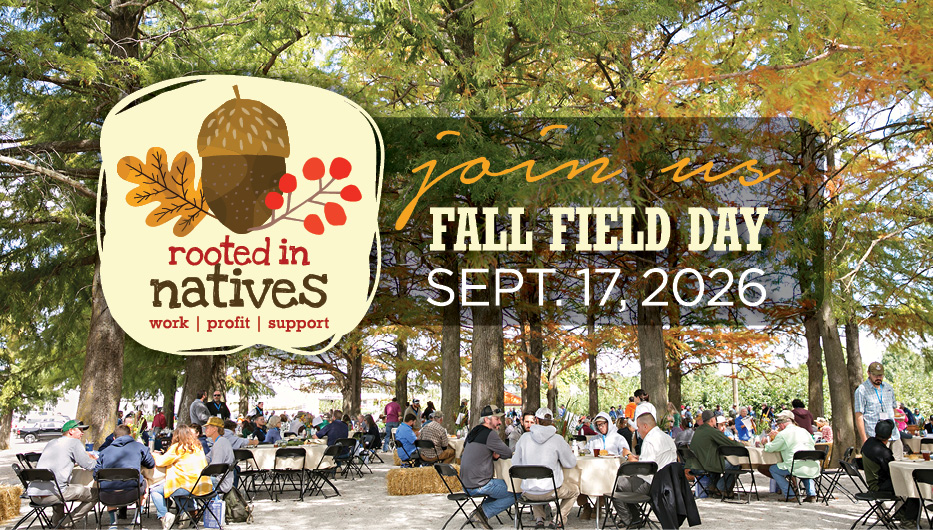
Join us for Fall Field Day, Sept. 17—a day of practical ideas that will change the way you think about landscapes. Throughout the day, green industry leaders will explore one practical framework:

Challenge → Nature-Based Solution → Why It Matters → Measurable Outcomes


Featured topics include stormwater management, urban forestry and community canopy, agroforestry, specialty crops, pollinator habitat, and measuring ecological and economic value.


Whether you design, grow, specify, install, restore, or manage landscapes, you’ll leave with ideas you can put to work.

Great landscapes don't begin in spring. They begin the season before.

The highest-performing landscapes often start with one simple decision: planting in the fall.


Cooler temperatures, warm soils, and reduced transplant stress let trees and shrubs focus their energy where it matters most—developing strong, healthy root systems before winter dormancy.


By spring, they're already established, more resilient, and ready for vigorous growth.


Whether you're planting a single shade tree, restoring habitat, or designing an entire community, fall remains one of the best times to create landscapes that will perform for decades.

AUGUST IS THE TIME!

Reserve your fall plant material now to give next spring a head start!

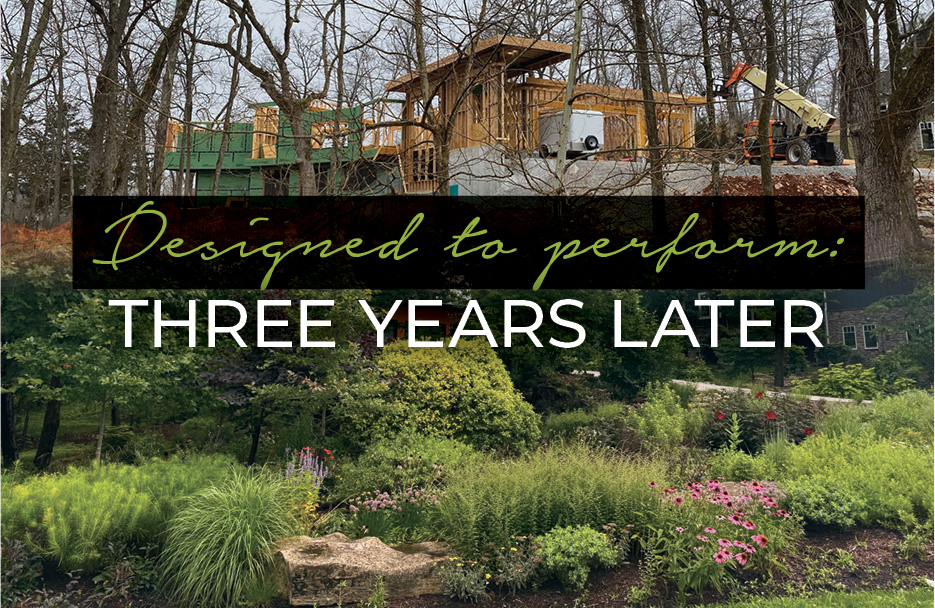
Most landscapes are judged the day they’re installed. This one was designed to be judged three years later—and for decades to come.


What happens when native trees, shrubs, grasses, and perennial communities are selected not simply for appearance, but to function as living infrastructure?


Just three years later, the results are remarkable:

  • Tree canopy expanded from approximately 40% to more than 60%
  • An estimated 400,000 gallons of stormwater managed during a 
    3–4-inch rainfall
  • Significantly expanded habitat for birds, butterflies, native bees, and other wildlife
  • Four-season beauty with greatly reduced maintenance inputs


But perhaps the most meaningful change can’t be measured. The landscape simply feels different. Healthier. More inviting. More alive. Because it is.

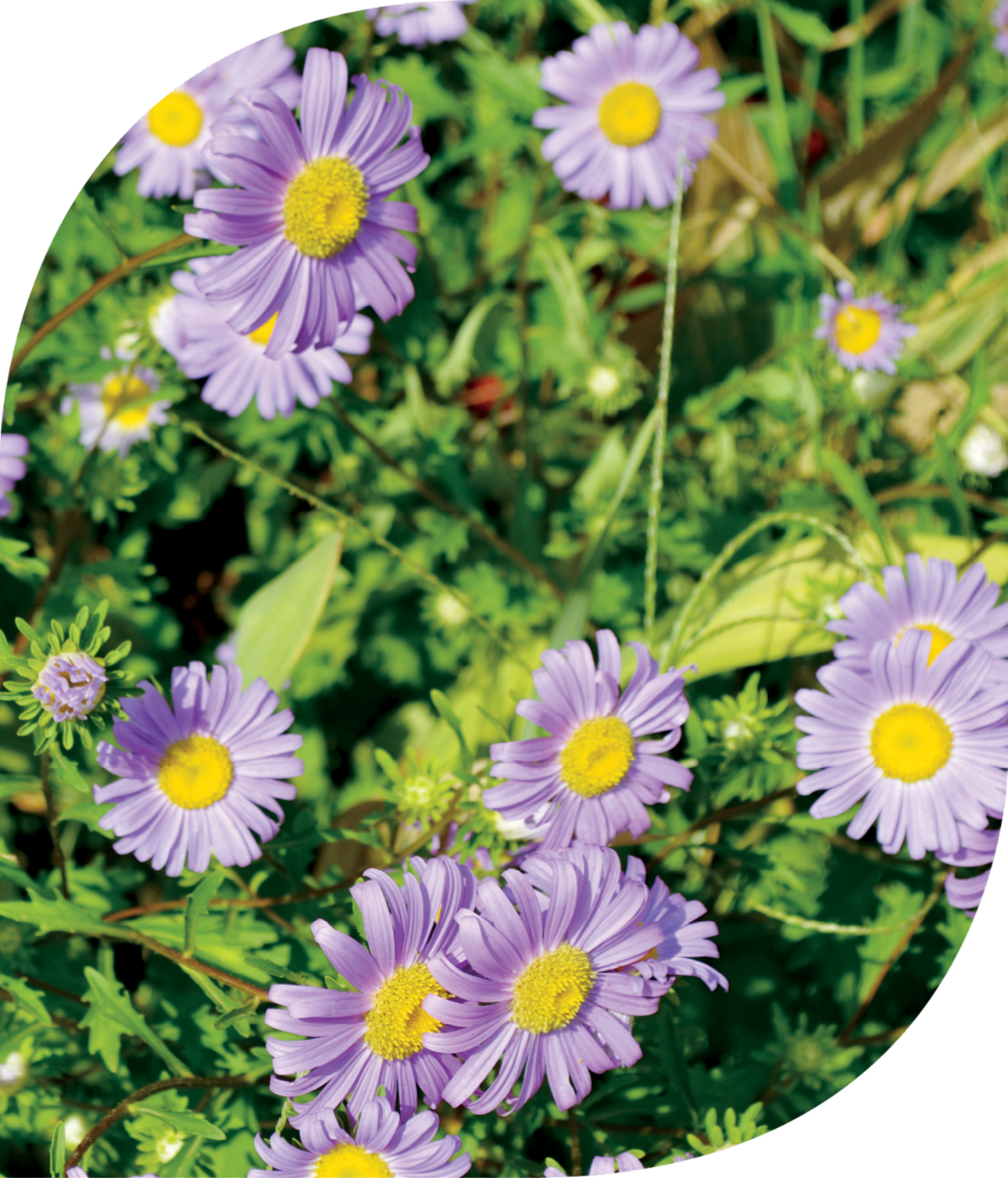
Aromatic Aster

Color, butterflies and bees

People don't by flowers. They buy butterflies.

But many landscapes lose color just as pollinators need nectar most.


Aromatic Aster provides brilliant lavender-blue blooms well into autumn, supporting bees and butterflies during one of the year's most critical feeding periods while extending vibrant fall color.

Wayne's Performance Tip:


"Don't just plant flowers for fall. Create a season of habitat. For fall, pair Aromatic Aster with Little Bluestem, Prairie Dropseed, Goldenrods, and native Sumac to create one of autumn's most beautiful—and highest-performing—plant communities."

Check current availability of this native rock-star plant.

Forrest Keeling Nursery (FKNursery.com) is the leading producer of native plants in North America. With over seventy-five years dedicated to environmental stewardship, Forrest Keeling’s innovative technology and meticulous attention to superior plant provenance make it exceptionally equipped to provide premium native plant materials for any project. 

WHOLESALE HOURS OF OPERATION

Monday-Friday: 7:30 am - 4:00 pm

Saturday: 8:00 am - 12:00 pm

Sunday: Closed

(800) 356-2401 | info@fknursery.com | Received from a friend? Subscribe Now!

Facebook  LinkedIn  YouTube
LinkedIn Share This Email