|
Join Us Next Meeting and Our Lunch and Learn Webinar 09/21! | |
Valley Youth Wellness Coalition's next meeting will be Monday, 09/21, from 9:00-10:00.
We will be meeting at the Augusta Health Community Care building 64 Sports Medicine Dr. Fishersville, VA 22939. Park out front, go in through the automatic doors, and make a right to meeting room 3.
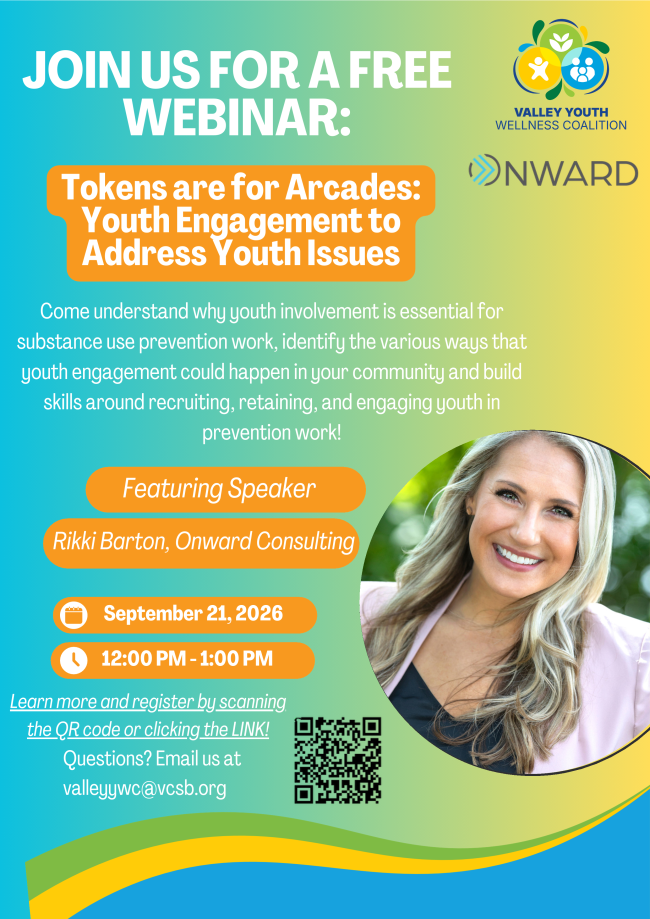
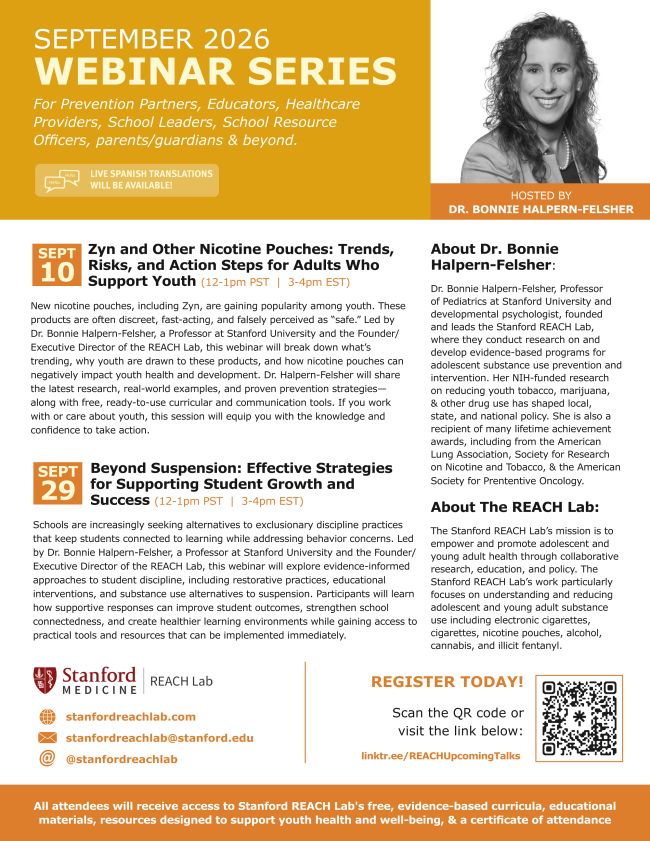
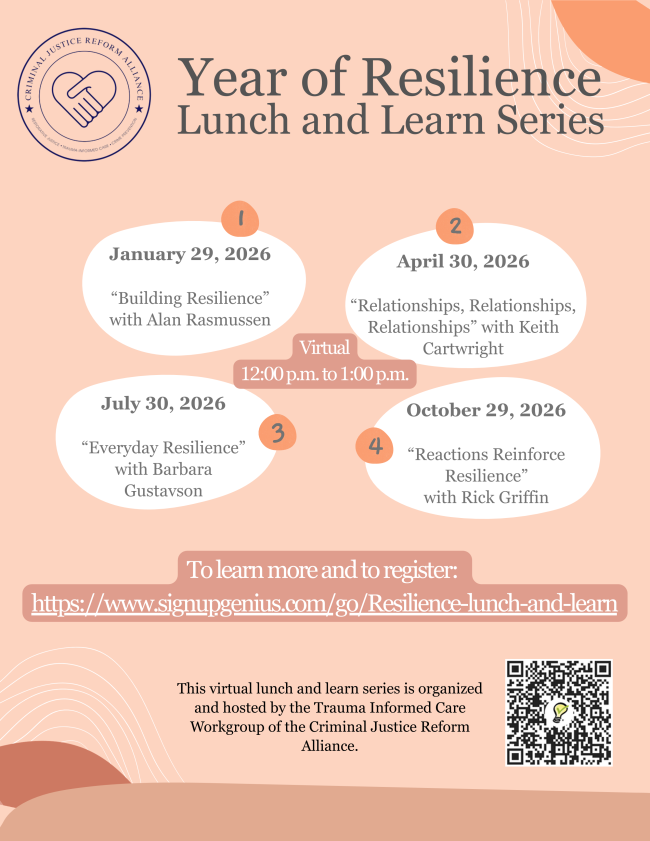
Please also scroll down to our "Community Events" section to sign up for our Lunch and Learn free virtual webinar opportunity with Rikki Barton also September 21 at Noon!
| U.S. Marijuana Smoking at Record High, Cigarettes at Low | |
Seventeen percent of Americans say they smoke marijuana, tying Gallup’s record high, while cigarette smoking matches its record low of 11%. Vaping is steady at 9%, and 4% of U.S. adults say they use nicotine pouches.
The 17% of U.S. adults who report smoking marijuana is more than double the 7% in 2013, when Gallup first measured the behavior using this question. The latest reading ties the record high from 2023. Separately, 15% of U.S. adults now say they consume marijuana edibles. The two previous readings on this question were 14% in 2022 and 12% in 2024.
Adults under 50 are the most likely age group to report smoking marijuana, including 23% of those aged 18 to 29 and 25% of those aged 30 to 49. The rate drops sharply among older Americans, to 10% of those aged 50 to 64 and 5% of those aged 65 and older. Edible use follows the same age pattern, though it is somewhat less pronounced.
These findings are from the July 1-19 update of Gallup’s annual Consumption Habits poll, which also finds that 54% of U.S. adults say they drink alcoholic beverages.
| | | US sees a big jump in nausea cases among frequent marijuana users in the hospital | |
The U.S. has seen a rise in cases of cannabis hyperemesis syndrome, a nausea condition caused by heavy marijuana use. This is largely in part due to the condition getting its own diagnosis code last fall, which is providing a more accurate picture of what was an underrecognized problem, the authors of the U.S. Centers for Disease Control and Prevention report wrote.
Hospital emergency room diagnoses of the condition, cannabis hyperemesis syndrome, rose 16% from last October to May of this year, federal researchers found. Past research has suggested that an estimated 2.75 million Americans suffer from it each year, and that hospital emergency room visits have been rising as daily recreational marijuana use has increased.
The largest increases were seen in people aged 15 to 24, in teenage girls and women, and in Black Americans and in American Indian and Alaska Natives. The findings suggest a need to raise awareness about the syndrome, particularly in teens and young adults, and suggests a need for more research, including into how newer high-potency THC and hemp-derived products — some of which come in the form of vapes, drinks and gummies — are being used by, and affecting, younger Americans.
| | | Former surgeon general compares sports betting to opioid crisis - Northeast Times | |
Former U.S. Surgeon General Jerome Adams warns sports betting is addicting young men and could rival the opioid crisis in public health damage.
“Sports betting is the new opioid crisis. Our kids, especially our boys, are getting exposed and hooked early. And it’s ruining lives as surely as turning a blind eye to prescription opioids did,” Adams wrote on X, the social media platform, in response to a post highlighting the industry’s growth.
Adams also claimed that “gambling is the addiction most likely to lead to suicide.”, and a 2024 Rutgers University study found that 28 percent of problem gamblers reported suicidal ideation and 20 percent had attempted suicide. More than one in four said they had engaged in non-suicidal self-injury.
Behavioral health experts say alcohol use disorder and opioid addiction remain the substance use disorders most frequently cited in suicide deaths and attempts. Gambling addiction, however, is associated with some of the highest rates of suicidal ideation among all addictions. Adams' post focused on awareness, urging the public not to repeat the mistakes made during the early years of the opioid crisis, when warning signs were dismissed until the damage was widespread.
| | | | September: National Suicide Prevention Month | |
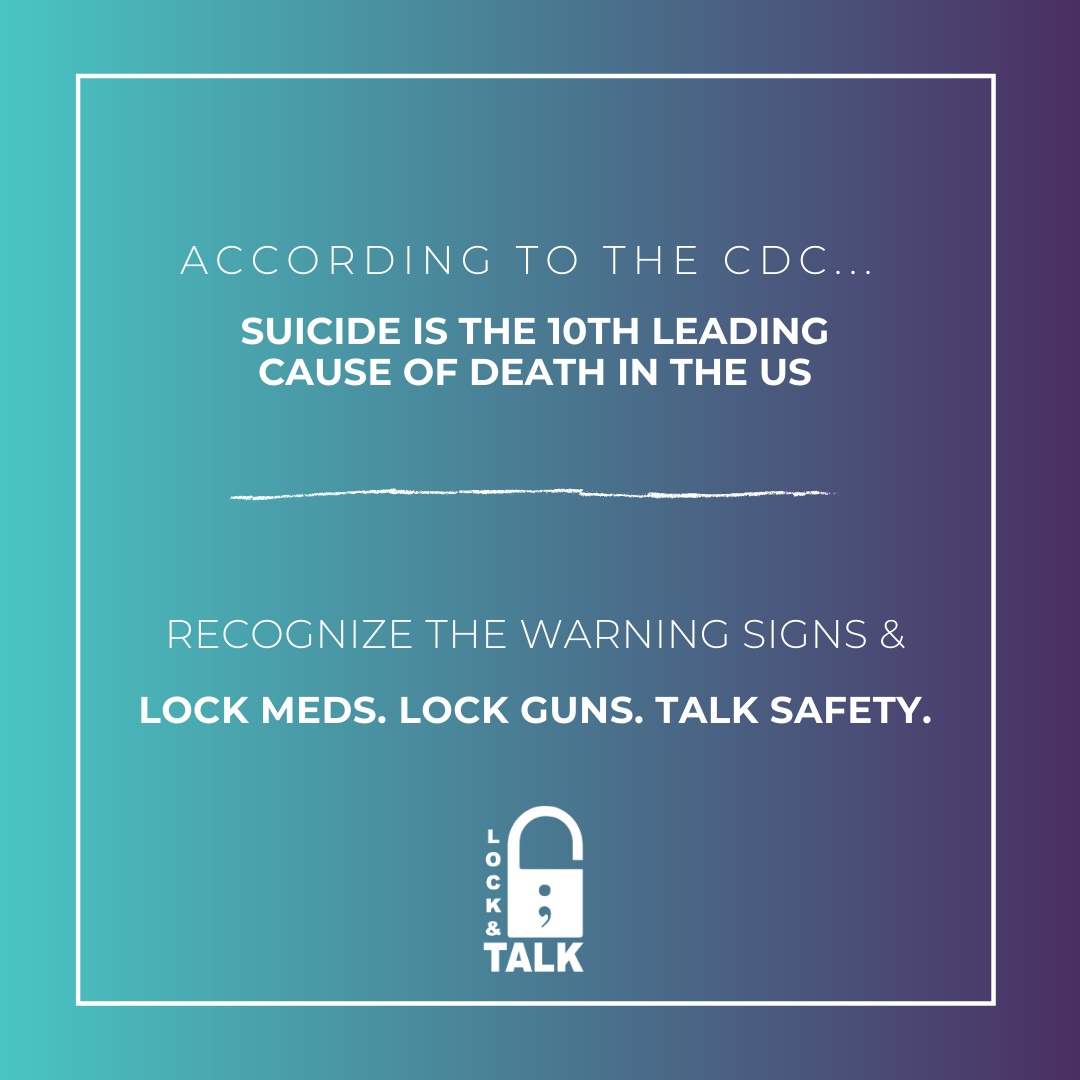
According to the Centers for Disease Control and Prevention (CDC), suicide is the 10th leading cause of death in the United States.
In Virginia, one person dies by suicide every seven hours.
Suicide IS preventable. Learn the warning signs and important steps to keep individuals safe by visiting Lock and Talk VA's website in the link below.
#BeThe1To Campaign shares 5 key actions steps when communicating with someone who may be having thoughts of suicide:
- Ask the question
- Listen to them.
- Help keep them safe.
- Connect them to help.
-
Follow up.
Learn more information on strategies for safety and resources available in your community by visiting the toolkit in the link below.
| September Campaign: Beyond the Chat | |
This September, Lock & Talk Virginia is going Beyond the Chat.
Young people are already using AI to study, write, think out loud, and sometimes to work through hard feelings. Technology can be part of your support system. It does not have to be your whole support system. This campaign is about keeping a real person in the conversation.
Studies from 2025 and 2026 show that AI chatbots are not appropriately recognizing when people are experiencing a mental health crisis or recognizing prompts of a suicide risk when people are going to AI for advice or therapy. Many are programmed to agree with users and reinforce what they say because this can encourage people to continue using the service. The American Psychological Association has cautioned that this approach may be harmful for people experiencing mental health difficulties. Unlike a chatbot, someone who genuinely cares about you may challenge you, be honest with you, and tell you when something is wrong. That distinction can be important.
Lock and Talk has a wonderful social media campaign for this month that encourages folks to use AI for simple advice, but seek out real people and real connections for what truly matters. Click the link below for campaign resources, conversation cards, and more!
| Student explores link between social media use and mental health in youth | The American Psychological Association estimates that teens are spending an average of five hours a day on social media. At Kennesaw State University, one student is examining whether this prolonged use can also impact their mental health. | | | Alcohol Education and Prevention Resources | |
Virginia ABC Community Health and Engagement is offering free publications on preventing alcohol misuse and teaching healthier habits across different age groups; all the way from K-12, college students, older adults, parent guides, and even a book for healthcare professionals!
These books teach students age appropriately across grade levels about healthy choices when it comes to alcohol and their body, leadership skills to have amongst peers, underage drinking laws, and education on blood alcohol poisoning/danger of binge drinking and healthy stress reduction tips.
View, download and/or order your publication today!
| | | |