Image by TYTW.

READ THE 2025 ANNUAL REPORT HERE

Dear Friends,


October 11th is the International Day of the Girl, a global movement to celebrate girls everywhere, amplifying their voices, actions and leadership. This year’s theme resonates especially strongly with Too Young to Wed - ‘End child marriage and invest in girls’ rights’. We couldn’t agree more. 


October 11th is also our birthday. It’s a moment for us to look back at another year of working alongside girls and communities - at what we saw, what we learned, and what that learning asks of us next.


A girl does not experience poverty, violence, displacement or child marriage as separate issues. These conditions meet in one life and determine the opportunities and possibilities of each girl's future.


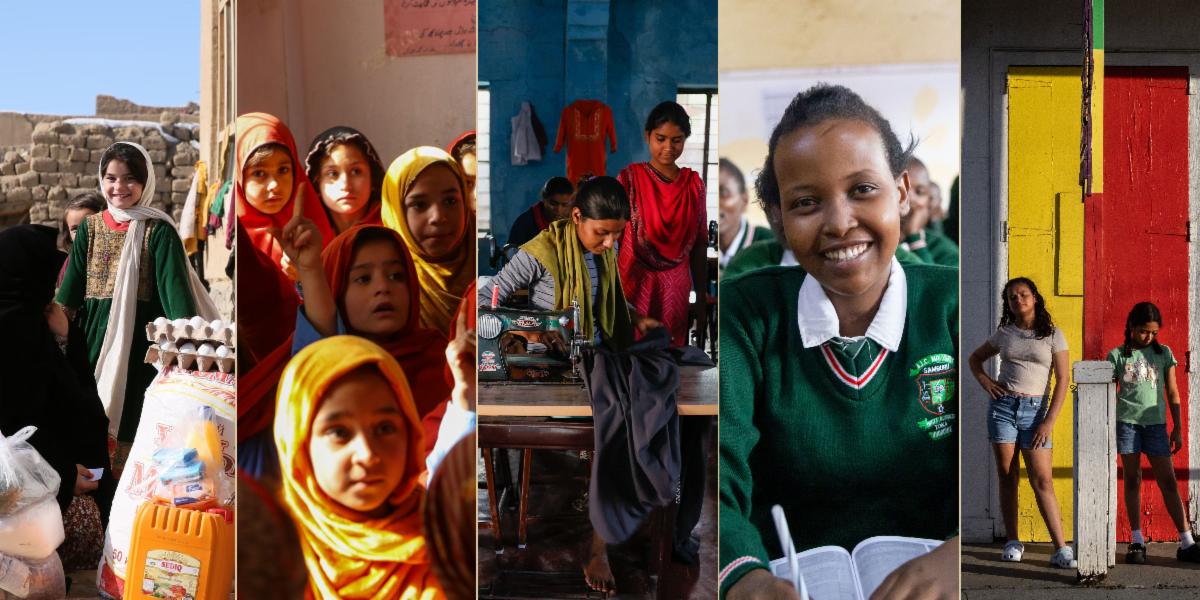
We see this clearly across the places where Too Young to Wed works. In Afghanistan, girls continued learning under a ban on secondary education and ever-worsening restrictions on their rights. In Kenya, drought and poverty shaped whether girls could stay in school. In India, girls and their families wanted opportunities for learning and support to continue beyond the program’s planned six months. And in Puerto Rico, girls and families shared the realities shaping their lives before a program was designed.


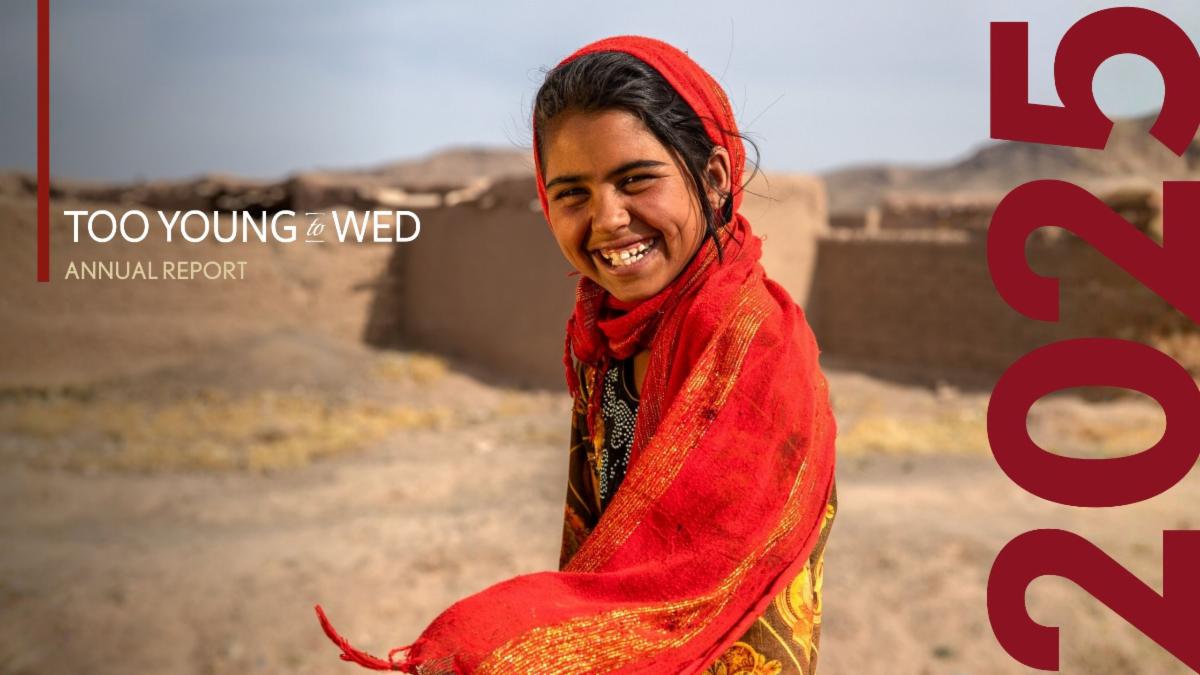
Today, on our birthday, we’re sharing our 2025 Annual Report, which highlights some of what you helped us achieve last year.

Image by Stephanie Sinclair.

We have a lot to be proud of:


In Afghanistan, 2,552 girls studied through 40 community-based clusters and centers, completing 469,920 days of learning despite restrictions that have made formal secondary education inaccessible to them.


In Samburu, Kenya, retention remained above 96 percent in shepherd classes and reached 99 percent among girls who moved into mainstream schools. Literacy and numeracy scores climbed steadily enough that parents who had once refused to let their daughters attend school began enrolling them.


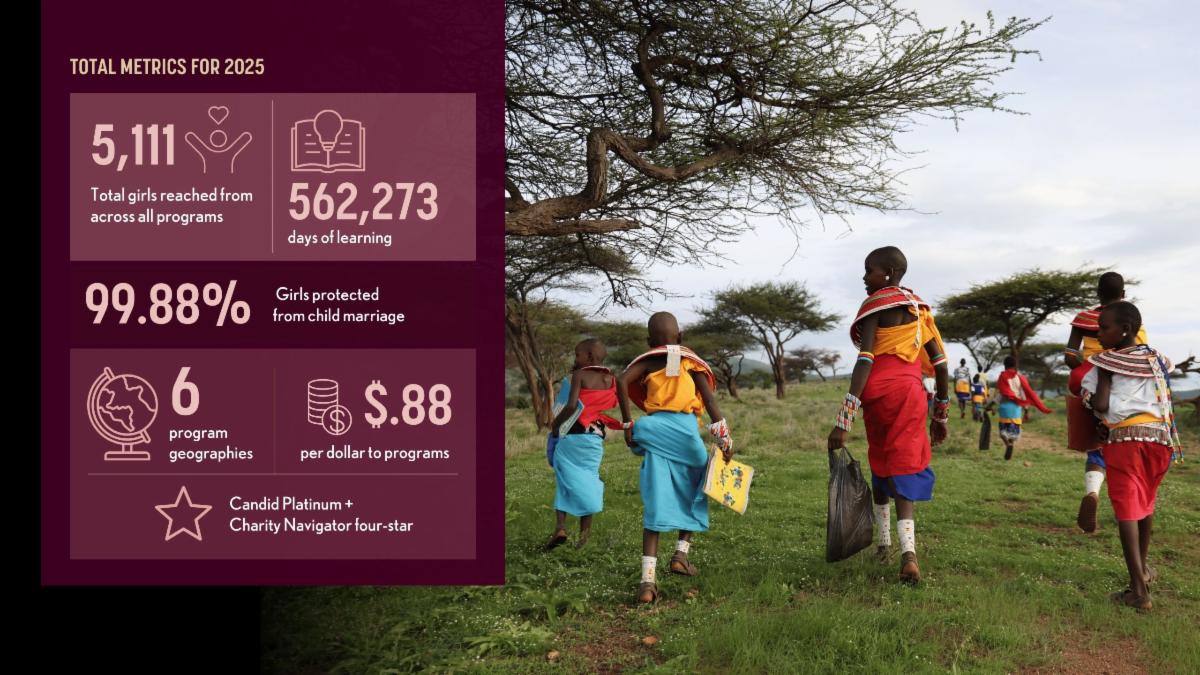
Across our programs, we reached 5,111 girls and delivered 562,273 days of learning. 99.88% of girls were protected from child marriage.


But some of the most important things we learned sit behind those numbers.


What we learned


Working close to girls and communities changes what we understand about the conditions shaping their lives.


In Kenya, drought is one of the forces driving child marriage. When a season fails, marrying off a daughter can look like a way for a family to survive it. That is why our livelihoods work there is protection, not an add-on.


In India, our program was designed to run for six months. Families asked us to stay for four more, and we did.


And in Puerto Rico, we began not by importing a model, but by listening first. We reached 303 families and surveyed 82 households before developing a locally adapted curriculum.

The conditions that endanger girls do not look the same everywhere. The response has to be built with the community, not for it.


One thing became especially clear this year: what we provide girls isn't just school, safety or a way to earn a living. It's the sense that someone is still standing with them, still believes in them.


In the places we work, that's not a nice add-on to the programs. Some days, it's the whole thing.

What Has Changed


What we learn in the field also shapes what we push to change beyond our programs.

In Kenya, the Ministry of Education visited the Sampiripiri program and confirmed that real learning was taking place. Samburu County committed to folding program sites into the national school feeding program, and we submitted recommendations asking that alternative learning pathways for shepherd girls be recognized under the national curriculum.


And when two girls in child marriages needed to get to safety, we covered the transportation costs and stepped in with emergency funding for the shelter caring for them. Both girls are back in school.


That kind of response comes from being trusted enough to get the phone call, and resourced enough to say yes.


What's next


We've built a safer, more cost-efficient hybrid model for Afghanistan's education program that is continuing to roll out.


In Kenya, we've secured early government co-investment, a sign that the model can run on more than philanthropy alone. Our first Sampiripiri cohort has completed its two-year cycle, and our priority now is raising the resources to bring in a new cohort.


We're also bringing our knowledge and skills closer to home through work in Puerto Rico and West Virginia.


This is what we can build at the scale we can sustain right now.


On our anniversary, we’re proud of what this work has made possible. But the Annual Report also makes clear how much remains to be done.


What comes after depends on what we’re resourced to do.


If you believe in this work, make a gift today. Your support allows us to stay close to girls, keep learning alongside them, and have the resources to respond when they need us.

Thank you for standing with girls, and with us.


In solidarity,

Stephanie Sinclair

President & CEO

Follow us

Facebook  X  Instagram  TikTok  Bluesky

Too Young to Wed | 1112 Main St Fl 1 | Peekskill, NY 10566 US

Constant Contact