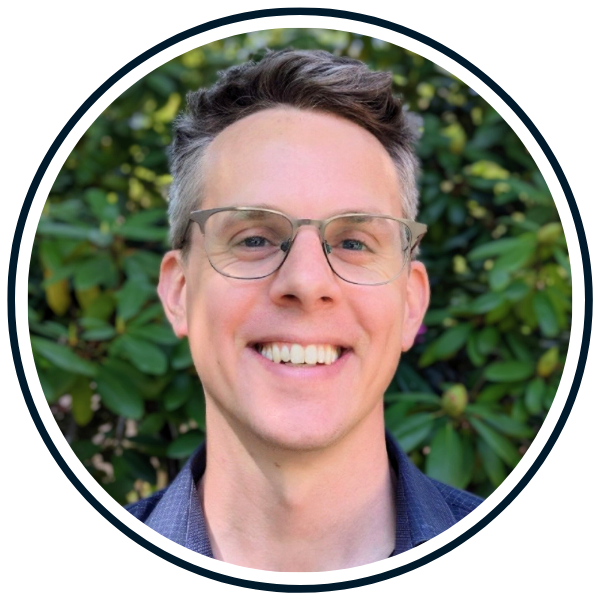
A message from Executive Director Rev. Michael Reed

When I lived in Trenton, New Jersey, I worked alongside a group of volunteers trying to keep people from dying of heatstroke. The utility company kept turning off people's power and light when they couldn't pay their bills, even though that summer was breaking heat records.


When poor people in town lost electricity in their homes, they had nowhere to go to escape the heat. One of the few free places with air conditioning was the public library. Tragically and somewhat typically, the city's only library was closed because someone had broken in and stripped all the copper wires from the walls. I remember noting with great irony that the library just down the road in Princeton, where I had attended seminary, was also closed. Only they were busy installing salt-water fish tanks.


It's a moment I can remember so clearly, because I understood in a profoundly literal way what we mean by climate justice. I could point at it. The experience has stayed with me, and informs the work I do today.


MassIPL Partners in Lawrence


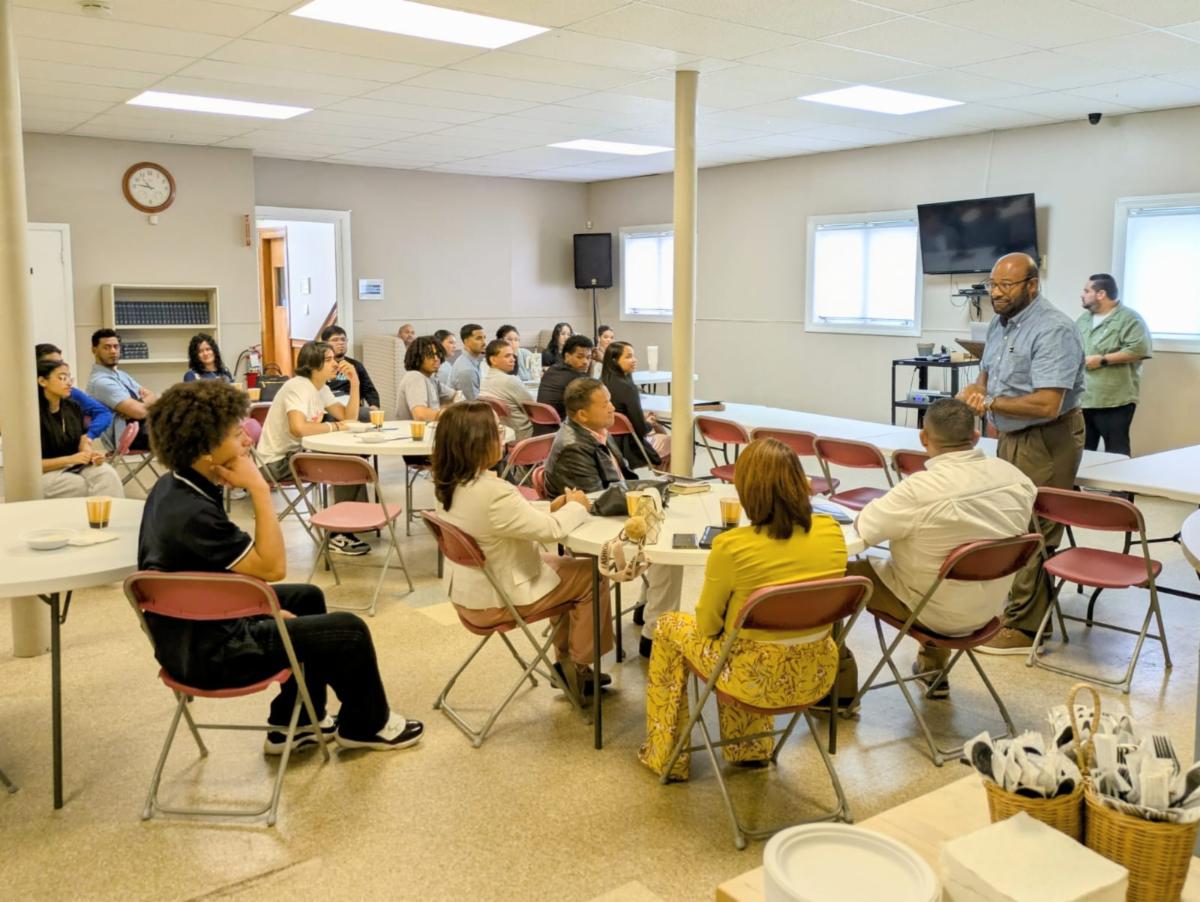
One of the things I like best about Massachusetts Interfaith Power & Light is our call to put climate change in human terms—in the language of faith, morality, and love of God and neighbor. That’s exactly what happened this weekend, as members of our staff and Executive Committee gathered with dozens of leaders and community members from local congregations—the majority of them young people. In partnership with the Merrimack Valley Interfaith Team (MVIT), we shared a meal and spent the morning talking about faith, climate change, and what it means to build for the future.


I wish you could have been there. Instead, I’ve got a few pictures.

Participants gathered at Lawrence Evangelical Church in Lawrence, MA


Lawrence is designated as an environmental justice (EJ) community. Like Trenton, it suffers from the urban heat island effect—where a lack of tree cover and miles of asphalt, steel, and brick trap and radiate heat, making the city significantly hotter than surrounding areas. The result? Higher energy use, more air pollution, and greater health and climate risks for already overburdened families.


That’s why, in conjunction with MVIT and a grant from the Massachusetts Clean Energy Center, we’re partnering with faith communities to provide education, energy assessments, low- or no-cost green renovations, and faith-and-climate programs rooted in the needs of local congregations.


Workshops to Build On


On Saturday, participants chose from three workshops, all themed Building for the Future. Jim Nail, our board chair, led a practical session on energy efficiency and sustainable buildings—what congregations can do right now. As part of MVIT, Father Joel Almonó spoke from the Christian tradition about “Finding your Timothy,” with a reflection on mentorship, leadership, and preparing the next generation.

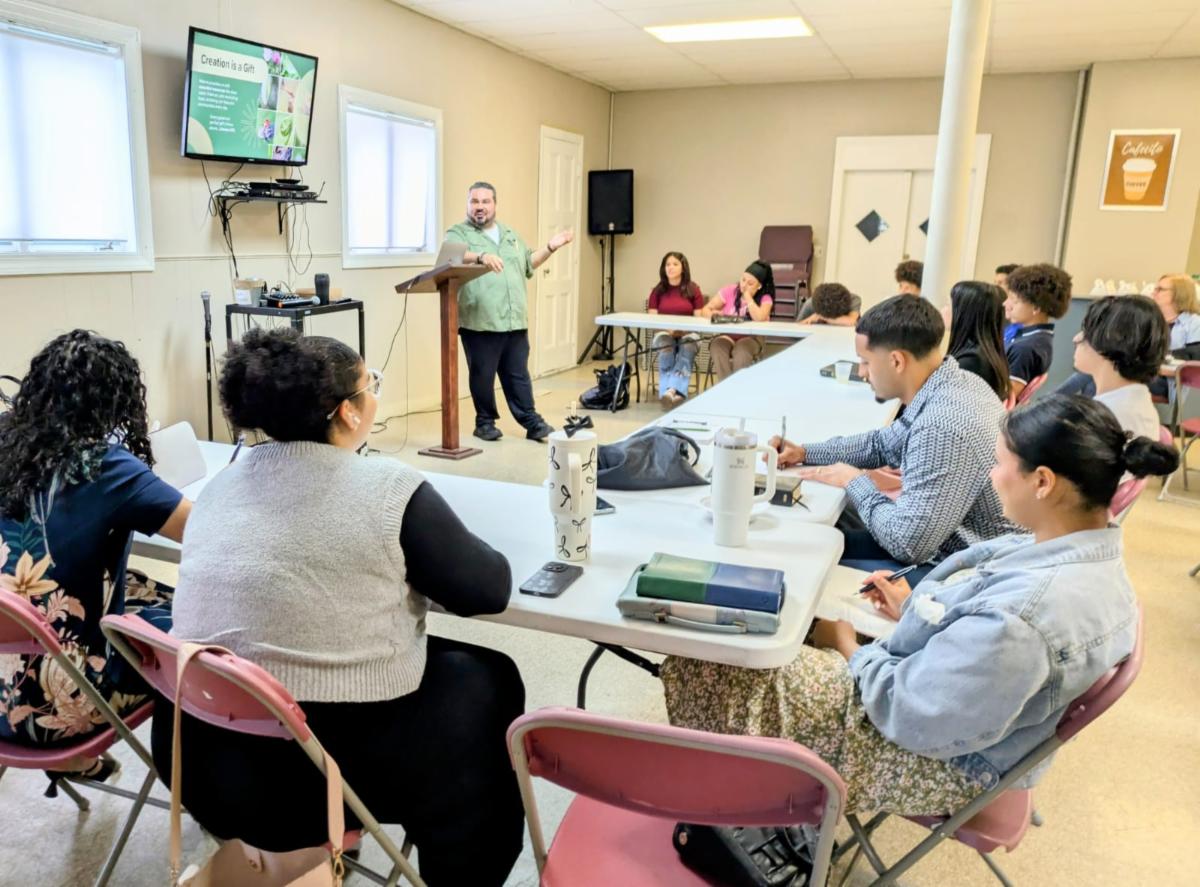
Javier Roche leads a workshop on creation and climate care for youth


Fittingly, our Technical Advisor Pastor Javier Roche launched a brand-new Youth Creation Care Ambassador program. This summer, he’s inviting young people ages 14–22 to become climate ambassadors in their churches and communities—grounded in faith, trained about climate change, and preparing to lead.


Youth and youth leaders explored the Biblical foundations of creation care, learned why Lawrence is especially impacted by climate injustice, and started brainstorming what they could do in response. It was incredibly energizing to see students ask questions, share ideas, and begin thinking out loud about summer projects. We’re excited to walk alongside them as they grow into this work.

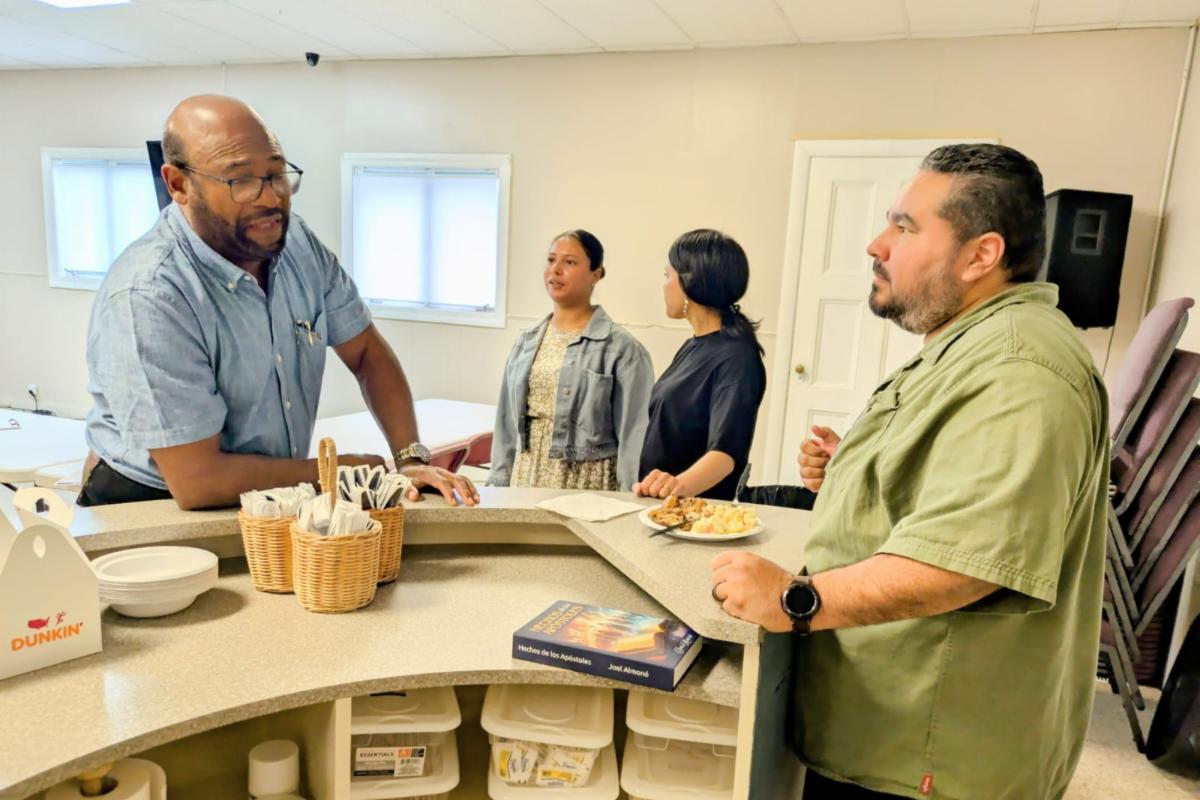
Discussion and lunch after the day's three workshops


I share all this because, well, it’s the work we do. It’s what you support when you donate to MassIPL or pay your membership dues. (THANK YOU to those who’ve already answered our call for support—we are so grateful! There's still time to give as we wrap up our mid-year campaign.)


It’s also why we care so much about oil boilers and tree planting and the climate-backward budget before the US Senate: because there’s no such thing as a contained carbon footprint. Climate change is everybody’s problem, but it doesn’t affect everyone equally. It hits struggling families first and hardest.


So—that’s a snapshot of what we mean by environmental justice. It’s one more reason we care about climate change, as people of faith and conscience. Whether it’s the radical teachings of Jesus, the Jewish call to tzedek, or the Buddhist path of compassion for all beings, we share a sacred responsibility to respond in love—for our neighbors and for the Earth.


That’s what MassIPL is doing. I hope you’ll join us.

Michael Reed

Executive Director

Massachusetts Interfaith Power & Light

Rev. Michael Reed is the Executive Director of Massachusetts Interfaith Power & Light, and an ordained Elder in the United Methodist Church. He holds graduate degrees from the University of Edinburgh and Princeton Theological Seminary, and lives with his wife and children in Andover, MA.

P.S.: Next week we'll be back with our usual roundup of Pray, Act, Mobilize opportunities. Do you have something you'd like us to share? Email mreed@massipl.org.