|
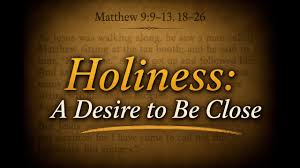
In these passages, Matthew outlines the nature of Jesus’s ministry: extending unconditional mercy to the marginalized, redefining holiness through transformative power, and prioritizing faith over religious ritual. Jesus subverts social norms by associating with the outcast and actively bringing physical and spiritual restoration.
The Call of Matthew & Dinner with Sinners (Matthew 9:9-13)
The Call: Jesus calls Matthew, a despised tax collector. Because tax collectors were seen as corrupt traitors who extorted their own people, this act demonstrates that Jesus extends grace to society’s most unlikely and rejected individuals.
The Banquet: Matthew hosts a dinner for Jesus alongside other "tax collectors and sinners". Jesus actively chooses to associate with them rather than remaining in isolated, "respectable" circles.
Mercy over Sacrifice: When the Pharisees object, Jesus uses the analogy of a doctor and the sick. He quotes Hosea 6:6: "I desire mercy, not sacrifice," making it clear that compassion and relationship are the true heart of God's law.
The Healing of the Hemorrhaging Woman (Matthew 9:18-22)
Breaking Taboos: A woman suffering from bleeding for 12 years, which made her ritually unclean under Jewish law, approaches Jesus from behind to touch his cloak. Jesus does not become unclean; instead, his holiness transforms and heals her.
Faith and Restoration: Jesus intentionally turns to validate her, calling her "daughter". He affirms that her bold trust in him, rather than rigid adherence to purity laws, is what has saved her.
Raising the Synagogue Leader's Daughter (Matthew 9:18-19, 23-26)
A Bold Request: A synagogue leader approaches Jesus in faith, begging him to restore his dead daughter. This shows that Jesus’s ministry crosses lines between the religiously prominent and the social outcast.
Power Over Death: When Jesus arrives, he clears the professional mourners, gently stating that the girl is only asleep. He takes her by the hand and resurrects her, demonstrating ultimate authority over sickness and death.
|