|
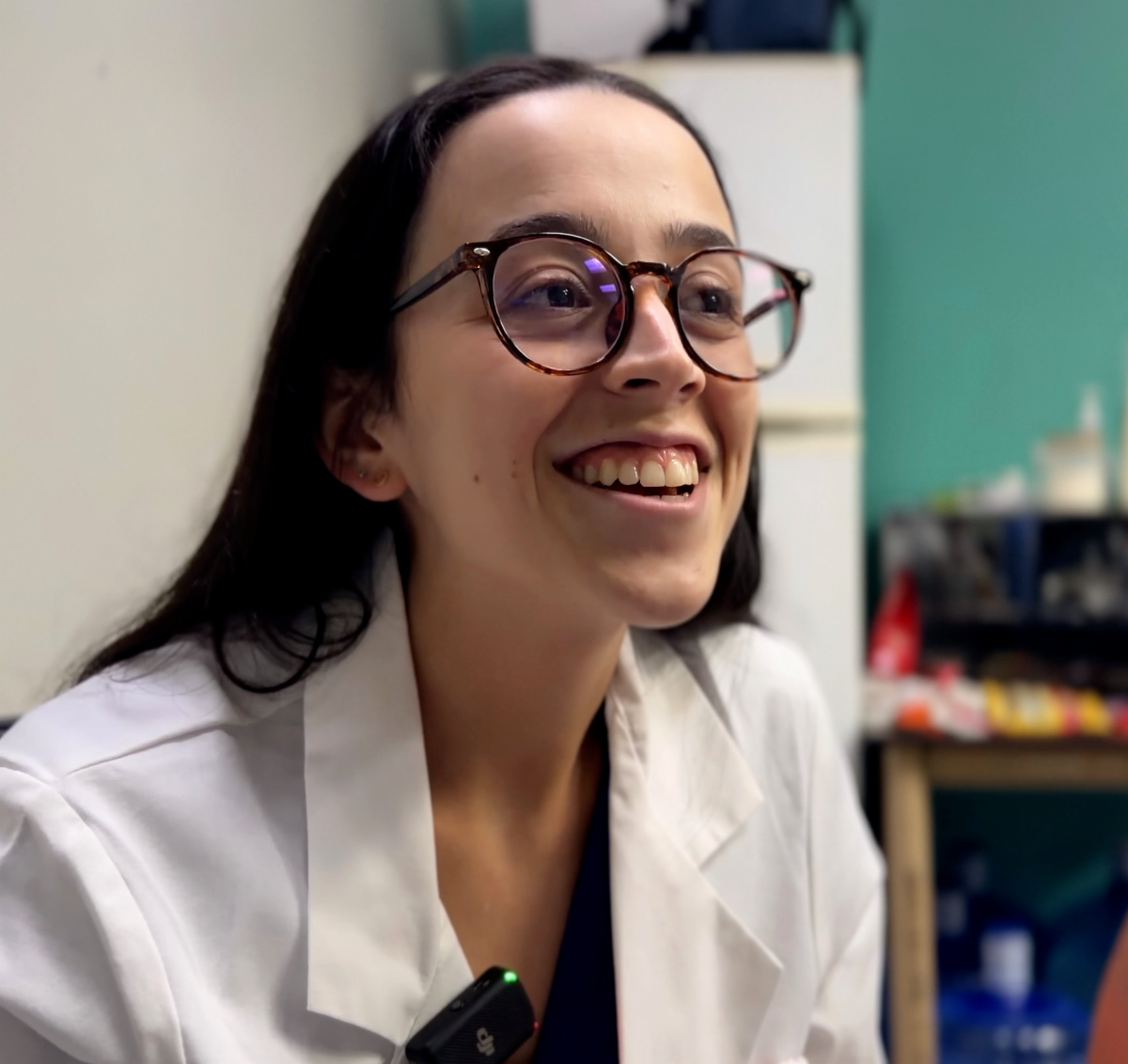
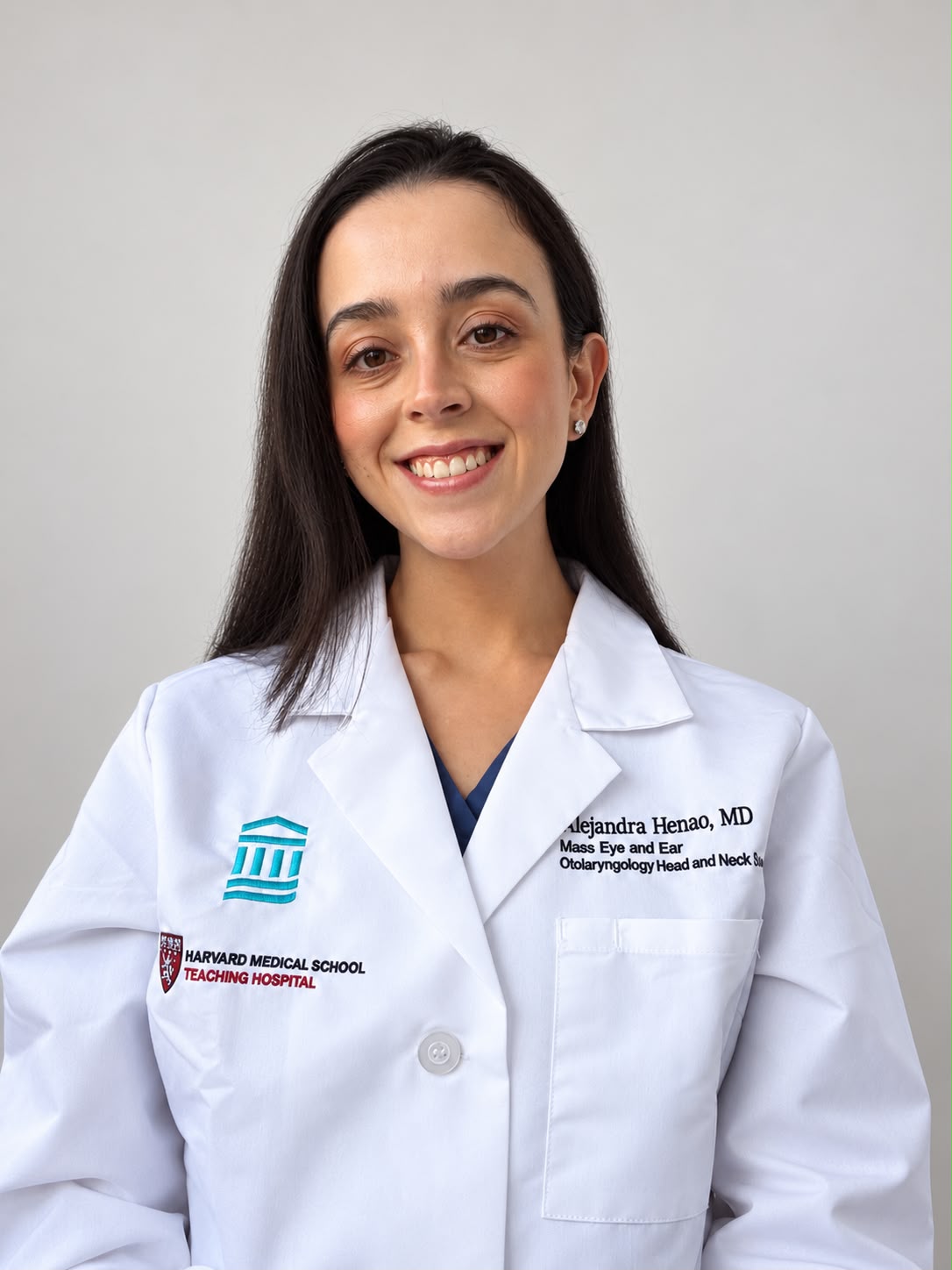
Maria Alejandra Henao Rincón was a first-year otolaryngology resident at Casa del Niño Hospital in Cartagena, Colombia when CareWays first arrived in April 2023. “I remember perfectly when my mentors, Dr. Steven and Dr. Perla, first told me about the possibility that CareWays might come. It seemed like an almost utopian project,” she recalls.
True to her nature, before the visit, Alejandra did her homework – and then some. She printed every patient chart, memorized every case, and rehearsed her patient presentations in English, at night. "I had no idea how much that first week would end up changing my residency, my career and, in many ways, my life."
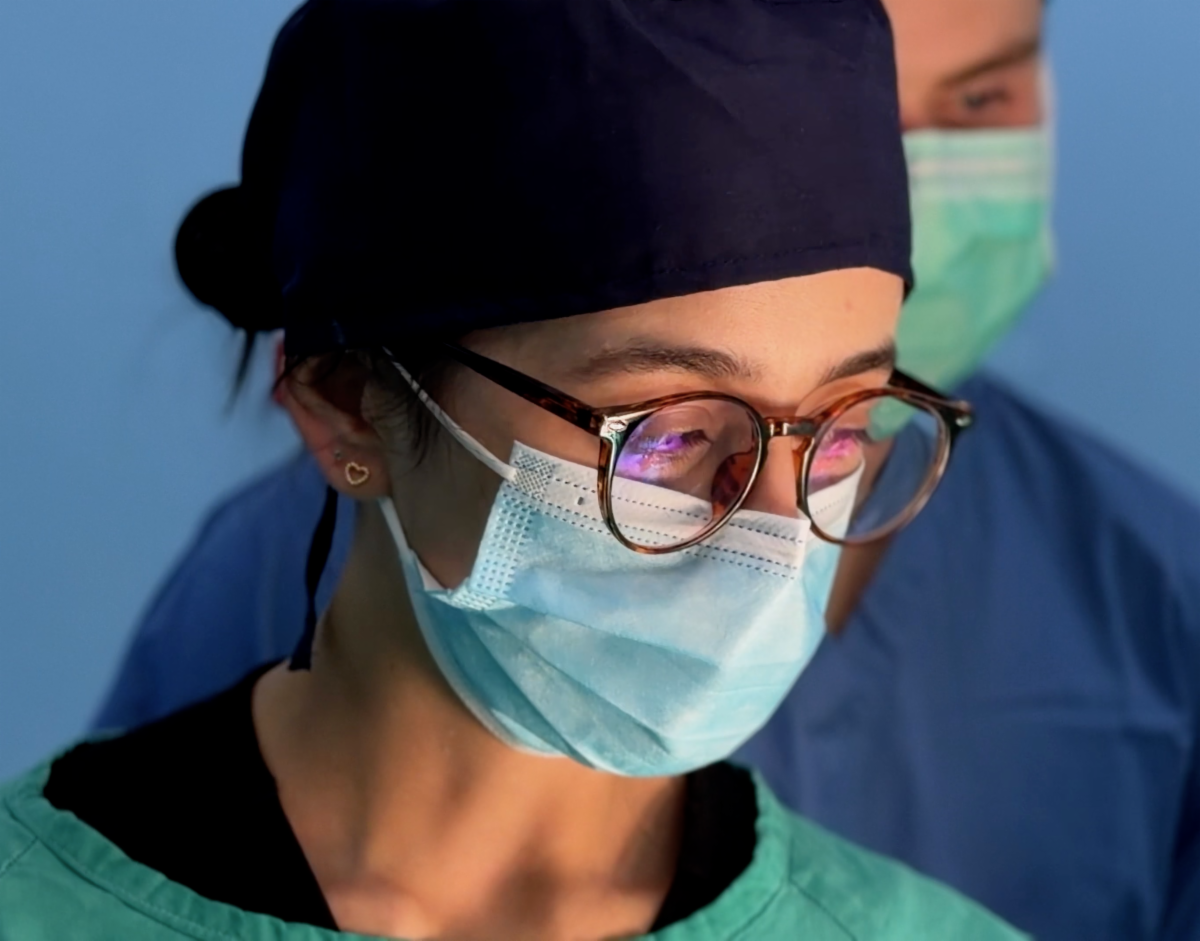
Fast forward to today, when now Dr. Henao Rincon is a pediatric otolaryngology fellow and surgeon at Massachusetts Eye and Ear, a journey that has made her the living embodiment of the CareWays arc, bringing peer-to-peer training to health facilities throughout Latin America, as they move patients from home to hospital, back home. As Alejandra observes from her years with the organization, for them, surgery is just the beginning, never the end.
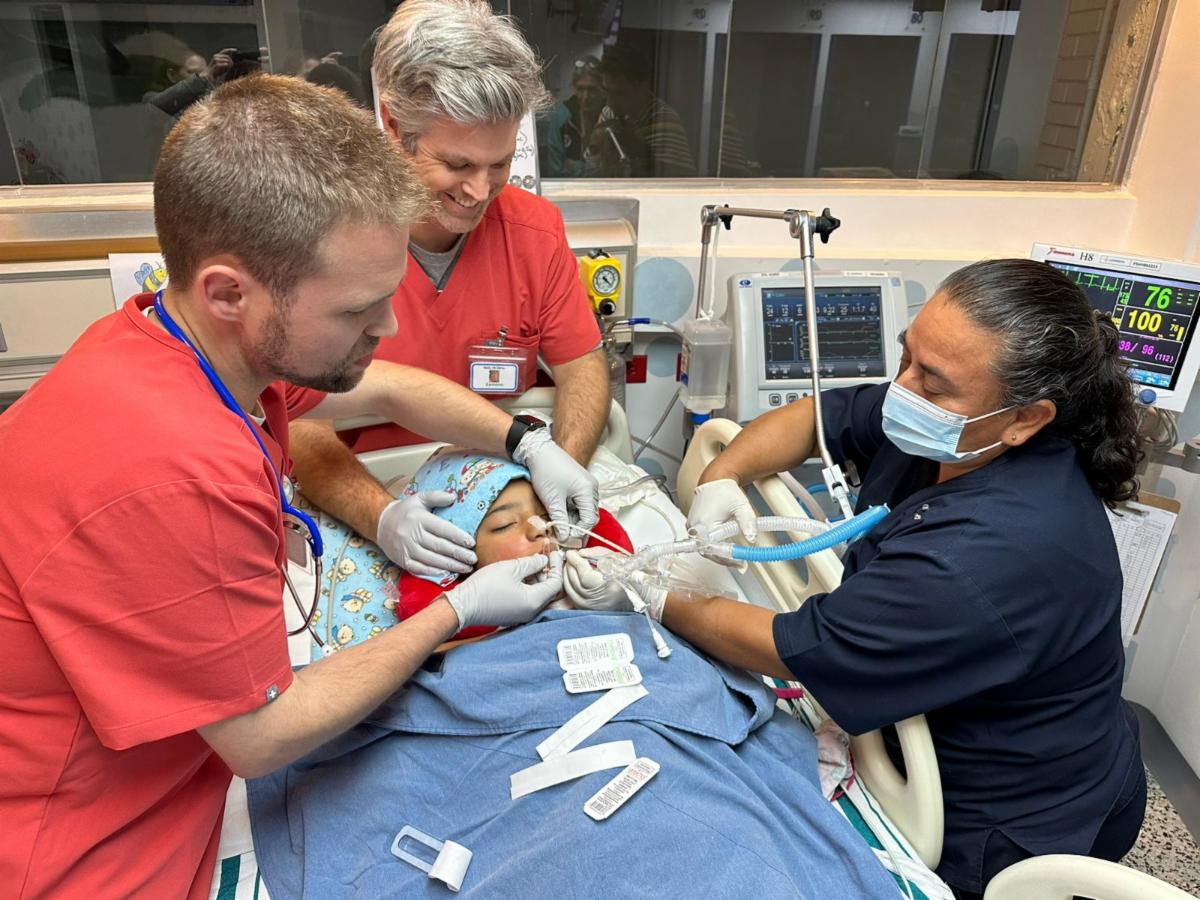
In Cartagena, Alejandra remembers the extensive work the local practitioners did just to prepare for CareWays. “We tried to anticipate absolutely everything: the diagnosis. …The surgical technologists prepared for far more complex procedures, and the anesthesiologists took on a fundamental role, because in airway surgery the surgeon and the anesthesiologist literally share the airway.” “It was an extraordinary commitment from the entire hospital,” she recalls. .
The week’s visit, filled with as many surgeries as possible, passed quickly. “Before leaving they gave us extremely detailed plans,” Alejandra explains. She laughs as she remembers, “I used to tell my professors that this was where ‘the real surgery’ began…So much of its success depends on what happens during the days, weeks, and months that follow.”
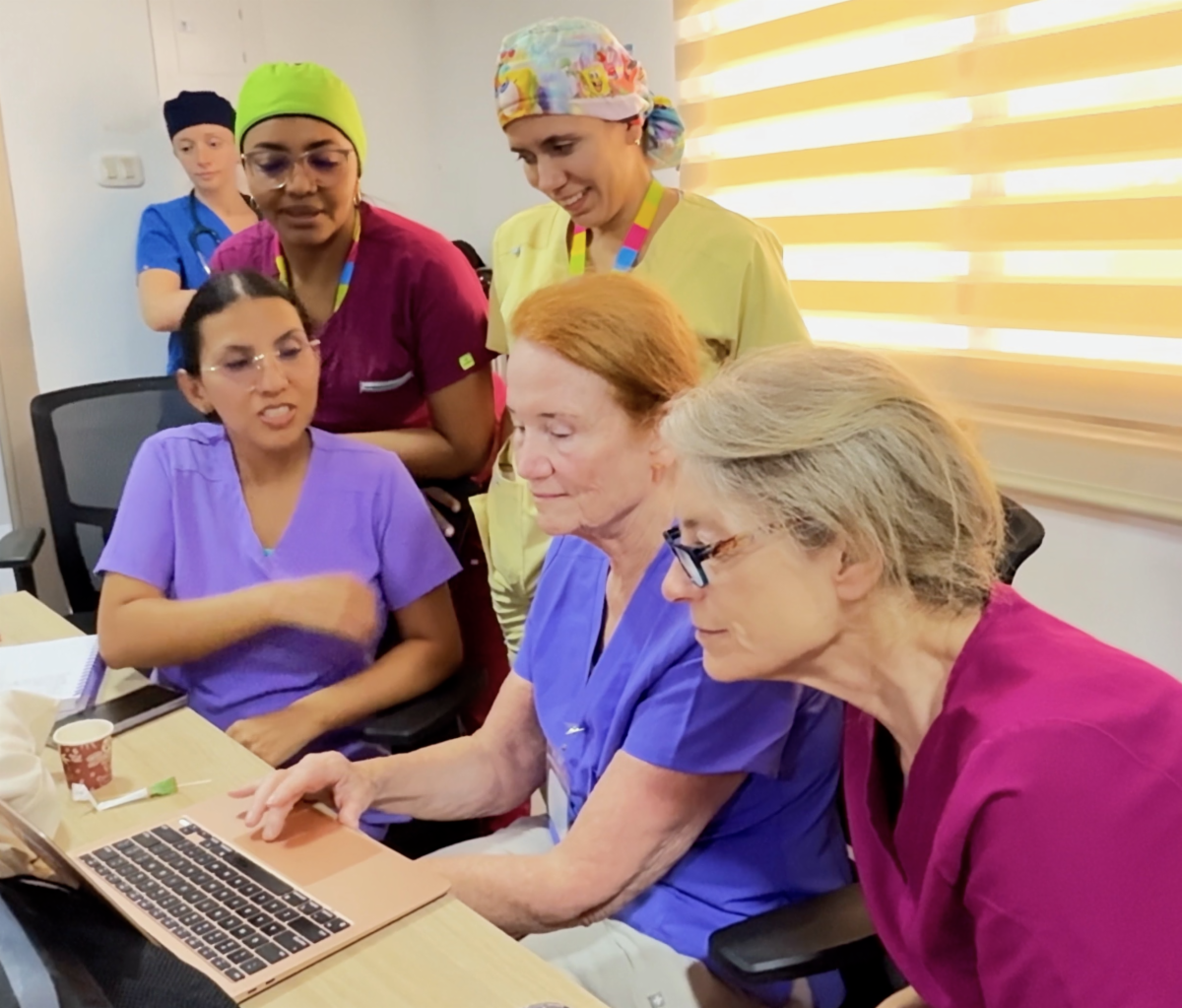
Carrying out that plan without CareWays there was an enormous challenge. “We progressively learned the importance of a true multidisciplinary handoff,” Alejandra explains. The children needed the whole team. “They forced us to learn a great deal,” she adds “and to take on new responsibilities.” But those first few weeks, she says, is “when we began to see why all that effort had been worth it.”
Things evolved quickly soon after. “When I think about what changed during those first few years, I think the answer is: almost everything. It changed what our team knew was possible. It changed our ability to care for the patients. It changed my place within that team. And it also changed the doctor I wanted to become.”
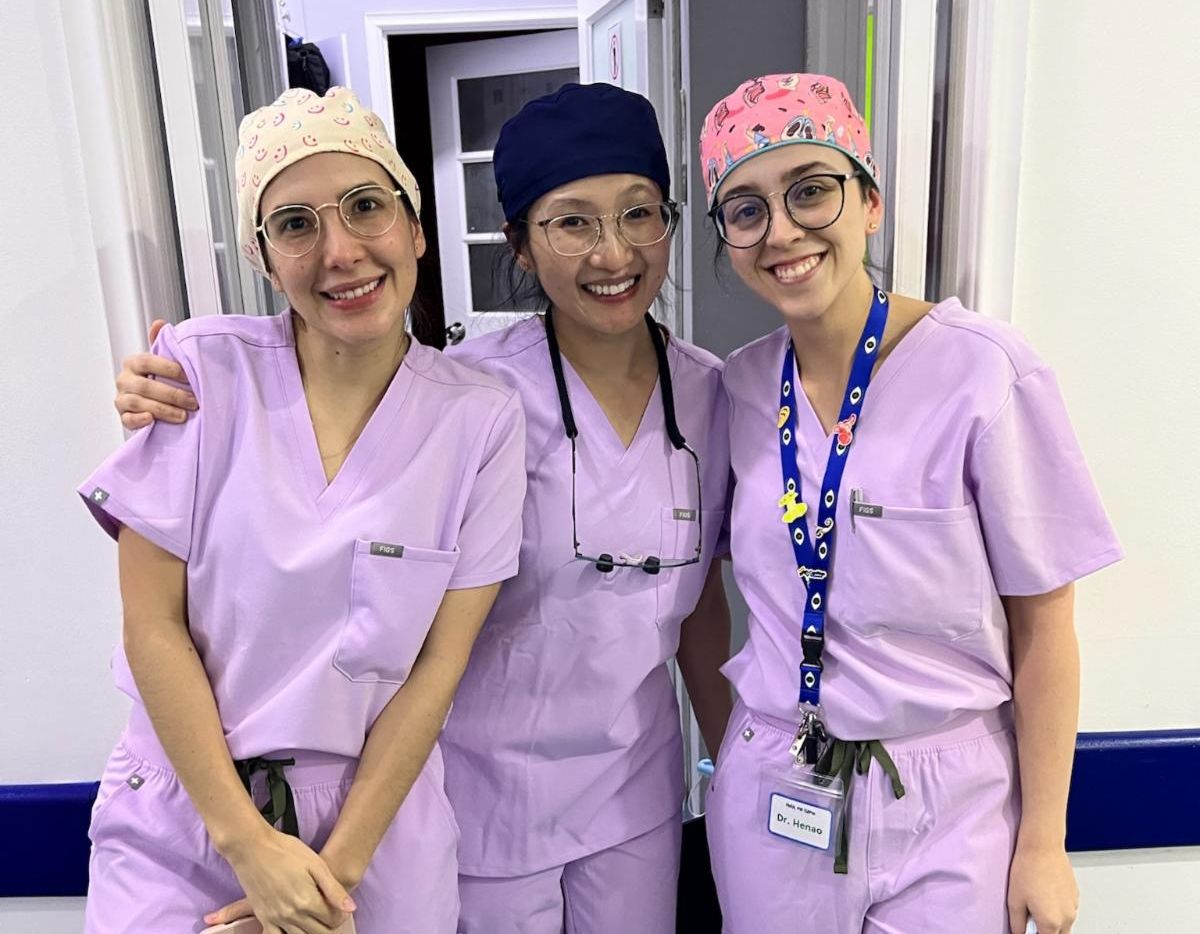
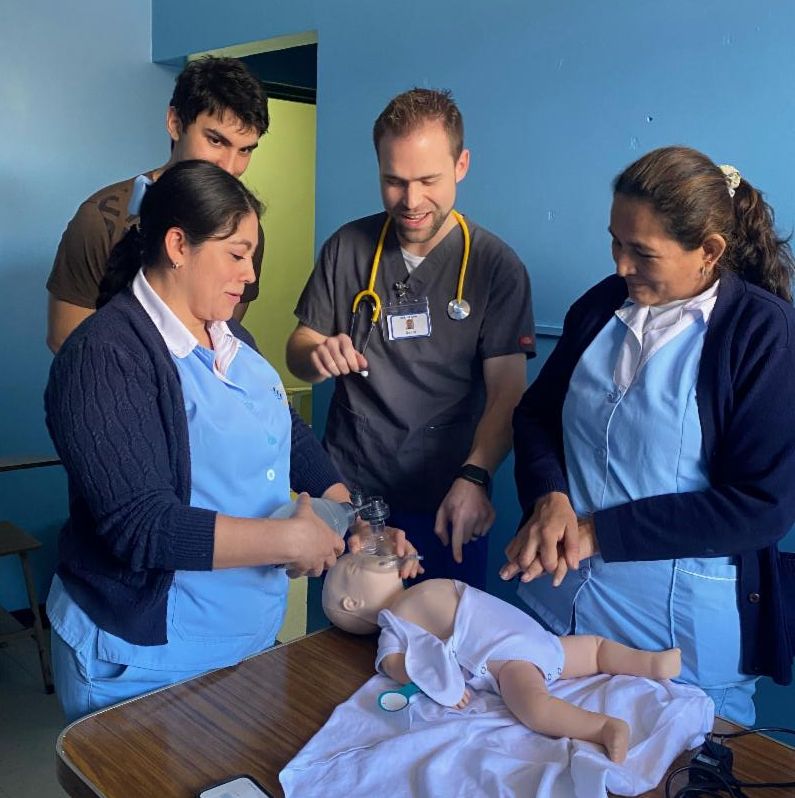
Alejandra’s skills and confidence took off, as well. She grew from an early observer in Cartagena into a full participant in even the most challenging decannulation decisions, then into a teacher of other local residents, a respected researcher, and, more recently, a teacher and CareWays team member, mentoring peers at another public pediatric hospital in El Salvador. At every step, she has been very conscious of her shifting role, working to maintain to same level of care and respect throughout. “I didn't want to arrive in another country thinking we had come to tell someone how they should care for their patients,” she says. The local providers knew the children and the families “long before we arrived and would keep caring for them long after we left.”
Alejandra sounds almost surprised as she looks back on her time in El Salvador from her current perch in Boston. “I understood that many of the things I had watched CareWays do in the early years - teaching, explaining every decision, building trust, sharing knowledge, and leaving capacity in place - were exactly the things I was now trying to do for someone else. It was one of those moments when you realize that something has become much bigger than you imagined…[And] I was now one of them."
Alejandra seems most moved by the young lives that she has touched and likely why much of her independent research has focused on quality-of-life issues. “I think in medicine, and especially in surgery, the scientific world constantly pushes us to measure technical results... And all of that is fundamental. Producing evidence is also a way of taking better care of our patients. But I think we sometimes run the risk of measuring a surgery perfectly and not measuring enough of what that surgery meant to the person.”
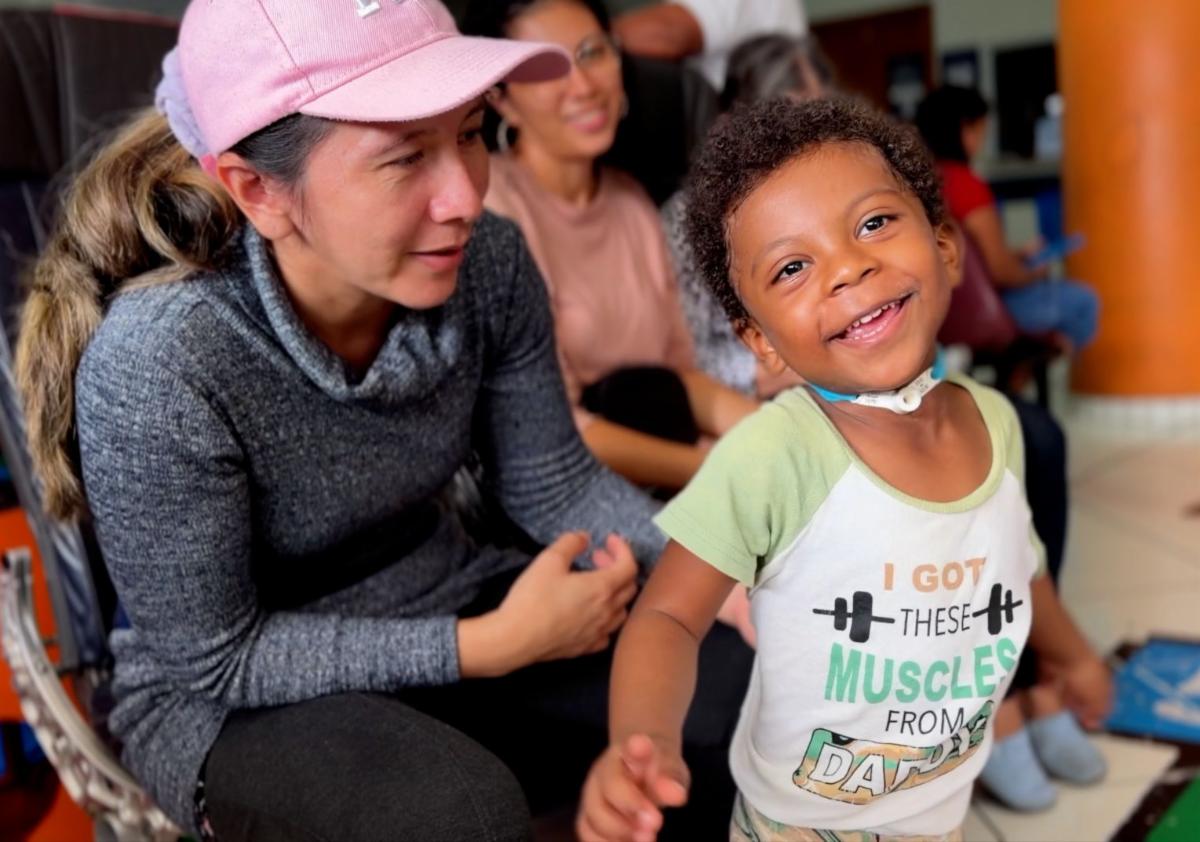
She describes a few of the many instances she witnessed a patient before and after decannulation. “When you see a child walk into the sea, learn to swim, laugh with other children, or simply call out to his mom and be heard, you understand that removing a tube isn't only a surgical success. We're giving back pieces of a childhood that an illness had put on pause.”
As to her dream for CareWays in the future? More education, more simulations. But most of all, for getting to that day when a child in Colombia or elsewhere in Latin America with a complex airway does not depend on luck, where a network of prepared airway teams shares cases across cities, and where a generation of doctors is trained to do the work and teach it forward.”
|