|
Sibling in Christ,,
As we move closer to Easter, you are invited to slow down rather than rush ahead.
The Fifth Sunday in Lent—traditionally called Judica—marks the beginning of what the church has historically called Passiontide, the final two weeks in which we focus more deeply on the suffering of Christ and the meaning of the cross. In many ways, this moment marks the turning point of Lent: the beginning of the end of our season of repentance and preparation.
Lent has always been a time of reflection, prayer, and turning back to God. Yet the readings, prayers, and hymns of this Sunday carry a heightened sense of urgency and longing. They echo the cry of the psalmist: “Judge me, O God, and defend my cause.” These words remind us that the brokenness of the world—and the brokenness within our own hearts—ultimately finds its answer in the mercy of God.
The Gospel for this Sunday, from John 8, shows that the suffering of Jesus did not begin only in the final hours before his crucifixion. Throughout his ministry he encountered rejection, misunderstanding, and hostility. As John writes elsewhere, “He came to what was his own, and his own people did not receive him.” Passiontide reminds us that the road to the cross was not a single moment, but the unfolding story of Christ’s love in the face of human resistance.
The roots of Passiontide stretch far back into the history of the Church. In fact, this period of reflection on Christ’s passion was observed even before the full season of Lent took shape. Early Christians dedicated these two weeks especially to fasting, prayer, and meditation on the suffering of Christ. Over time, many of the practices we now associate with Holy Week and the Triduum developed within this larger framework of Passiontide.
Today, our attention often focuses most strongly on the three holy days leading up to Easter. Yet Judica reminds us that the Church once set aside these full two weeks to prepare heart and mind for the mystery of the cross. It is a gift of the Christian tradition that invites us to slow down, to listen carefully to the story of Jesus, and to reflect on the love that carried him all the way to Golgotha.
These days can feel heavy. The themes of suffering, rejection, and sacrifice run deeply through the scriptures and prayers of Passiontide. Yet the Church does not dwell here without hope. Even as the story darkens, we walk it with the quiet confidence that Christ has already entered the darkness on our behalf.
And so, Passiontide becomes a time of honest reflection and renewed trust. We acknowledge the ways sin still wounds our lives and our world, while remembering that Christ walks this road with us—and for us. The cross stands at the center of these two weeks not as a symbol of defeat, but as the place where God’s love is most clearly revealed.
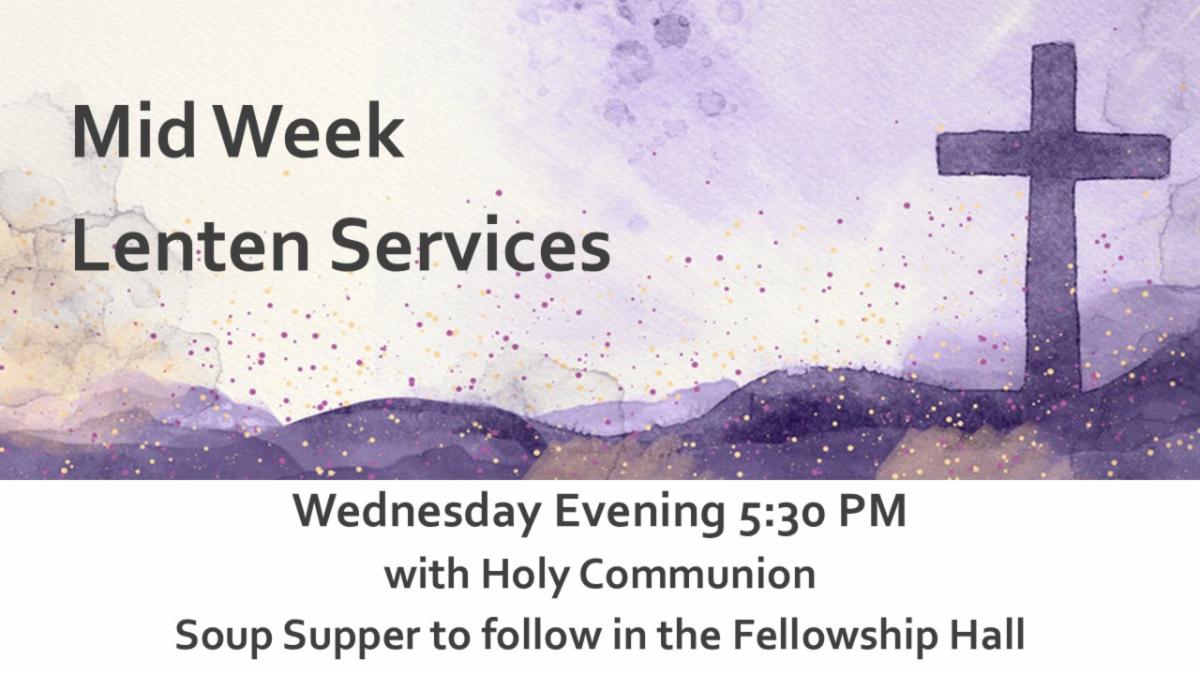
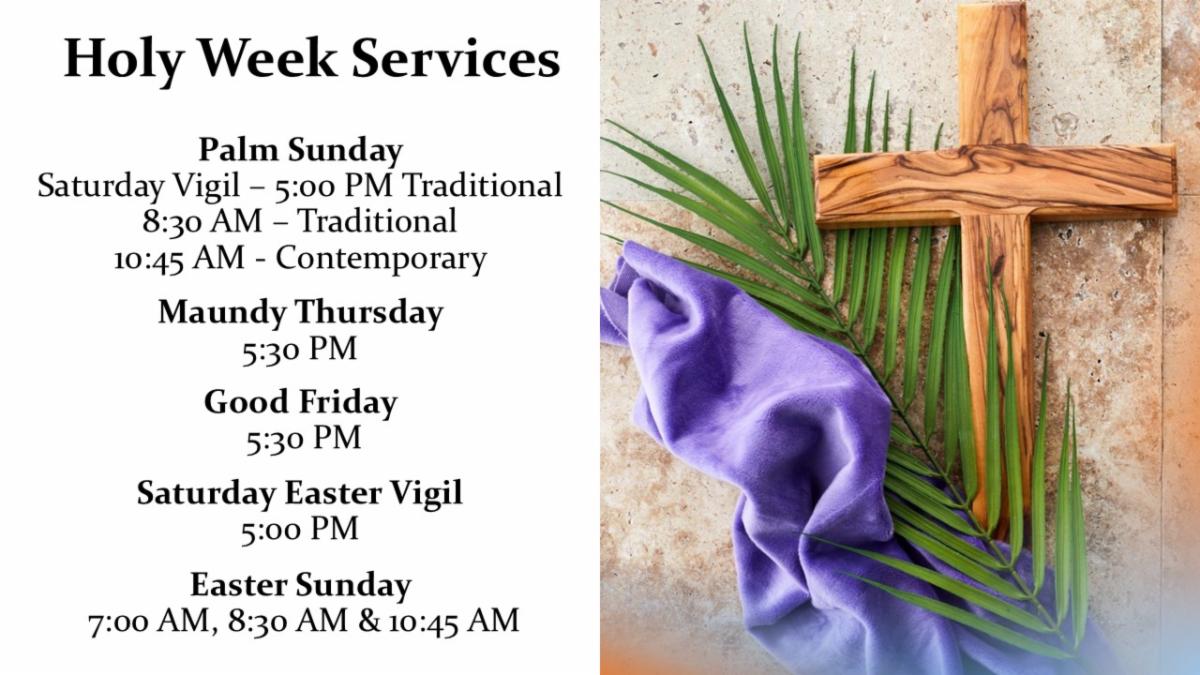
These final weeks of Lent invite us to walk more closely with Christ as he makes his way to the cross. I hope you will join us for worship during these sacred days as we prepare our hearts for the joy of Easter.
Yours in Christ,
Pastor Will
P.S. Do you have a Holy Week tradition that has been meaningful to you over the years—perhaps a service, a hymn, or a family practice? I would love to hear about it. Just hit reply and share it with me.
|