Volume 10 : Issue 5AAAAAAAAAAAAAAAAAAAA March 6, 2026


Your Local Source for Green Inspiration and a Deeper Connection to Nature!

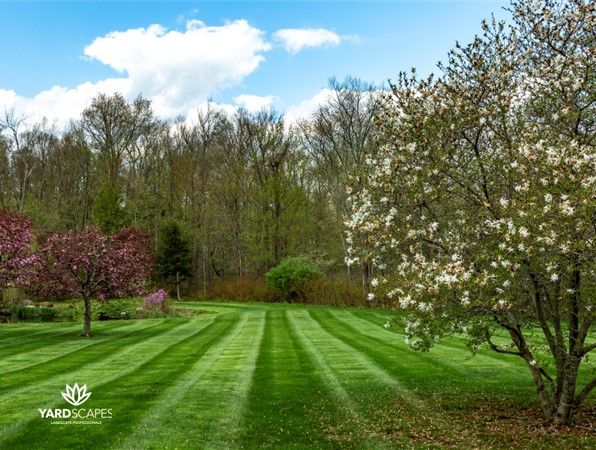
Marvelous March is here, and with it come the first true signs that our landscapes are finally waking up again. The days are a little longer, the sun is shining a little brighter, and the soil is thawing enough to remind us that spring is on its way.


With Daylight Saving Time beginning this weekend, even brighter and longer days are ahead—another welcome shift as we ease out of winter and into the season full of life and colorful beauty.


March is the in‑between time when winter steps aside and spring steps forward, and even the smallest shoots of green are celebration worthy. This is the time to assess how winter treated your landscape, decide and prioritize what needs attention, and plan new projects that will take center stage in the warmer months and longer evenings ahead.


Our main goal has always been to provide outdoor spaces our clients truly love spending time in, and we’re always excited to help create beautiful, welcoming environments for every moment spent outdoors. -Shayne

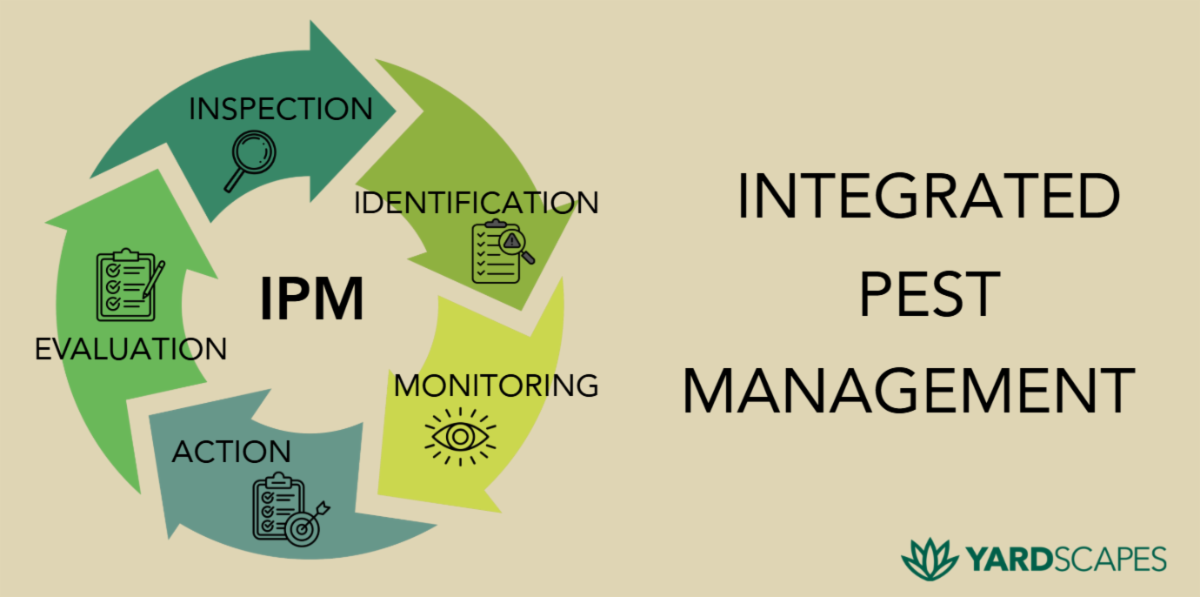
Integrated Pest Management (IPM) is defined as:

a process consisting of the balanced use of cultural, biological,

and chemical procedures that are environmentally feasible, and

socially acceptable to reduce pest populations to tolerable levels.


Knowledge of both pests and plants—along with consistent monitoring of any sightings—is essential for maintaining a healthy landscape. A variety of pests can affect a property, from turf‑damaging insects such as grubs and chinch bugs to plant‑feeding pests like aphids and scale. Landscapes also face invasive weeds, ticks, fungal diseases such as powdery mildew and leaf spot, and even nuisance wildlife. Understanding how all these factors interact allows us to identify issues early and manage them effectively before they impact the beauty and vitality of your outdoor space.


Some "pests" are acceptable, and pesticides are only used when insect and/or disease levels reach intolerable levels. Understanding the micro‑ecosystem of a yard helps us see how plants, pests, soil, wildlife, and environmental conditions all interact—allowing for smarter, more effective landscape care and a reduced reliance on chemicals.


This sustainable approach not only helps protect the environment but also ensures that your property remains vibrant, resilient, and enjoyable throughout each season. Our goal is simple: to provide effective, science‑based care that keeps your lawn looking great while supporting its long‑term health and avoiding any damage and expense that comes with unchecked infestations.

IPM FOR TICK CONTROL

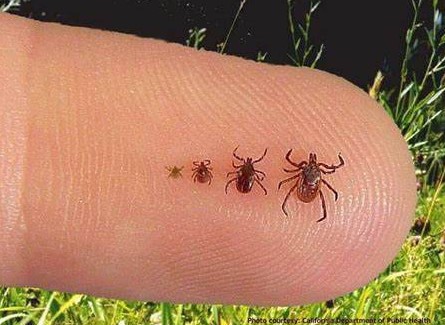
As early spring arrives in Litchfield County, we’re not the only ones becoming more active outdoors—ticks are too. Once temperatures rise above 45°, they show up, and in more places across Connecticut and in larger numbers than ever before. Recent statewide monitoring reports that both native deer and black-legged ticks, along with newer invasive species like the lone star tick and long‑horned tick, are expanding into additional CT counties. With several species capable of transmitting Lyme disease, babesiosis, anaplasmosis, Powassan virus, and other debilitating illnesses, early awareness and timely proactive steps are an important part of protecting your family and pets.


Spring brings the first major yard cleanups—a high‑risk moment for tick encounters, especially around wooded edges, brush piles, and leaf litter. Incorporating Integrated Pest Management (IPM) into your landscape care is beneficial.


For tick management specifically, timing is extremely crucial as different life stages become active at different points in the season. Precisely timed interventions allow ticks to be targeted when they are most vulnerable—greatly improving results and reducing the likelihood of them spreading disease.


If you want a healthier, safer outdoor space this year, contact your consultant to discuss strategies and let's get your property on our schedule!


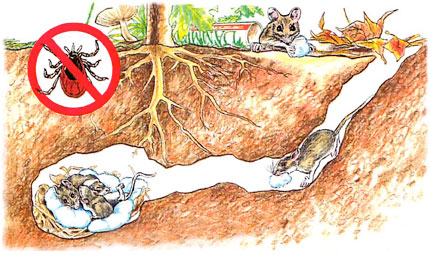
Tick tubes contain chemically soaked cotton that mice, a carrier species for tick diseases,

use for bedding in their nests. The chemical kills the ticks yet is harmless to the mice

so secondary poisoning to non-target animals is not an issue.

YOUR BEST LAWN STARTS HERE

A beautiful lawn happens by design. Our Lawn Care Program gives your property the full, science‑backed treatment it needs to stay green, healthy, and resilient all season long. If you currently receive only basic lawn maintenance, now is the perfect time to upgrade and enjoy the results of a truly comprehensive lawn care approach.

Here’s how our full program works:

🔬 Step 1: Soil Analysis & Customized Plan

Every great lawn starts with healthy soil. We begin with a complete soil analysis to identify any nutrient deficiencies or pH imbalances that may be holding your lawn back.

From there, we create a tailored fertilization plan—and recommend any corrective measures your lawn may need. If your soil is already in great shape, we move directly into our standard program.

🌿 Fertilization & Care Program

MAY - Broadleaf Weed + Crabgrass Control

JUNE - Organic‑Based Fertilizer Application

JULY & OCTOBER - Lawn Health Inspections

AUGUST - Core Aeration

SEPTEMBER - Organic‑Based Fertilizer + Broadleaf Weed Control + Overseeding

🌟 Why Upgrade?

When you combine regular lawn maintenance with complete lawn care, you get:

✔ A thicker, greener lawn

✔ Fewer weeds and bare patches

✔ Stronger resistance to heat, drought, and pests

✔ Professional monitoring all season long

✔ Long‑term improvement of soil and turf health.

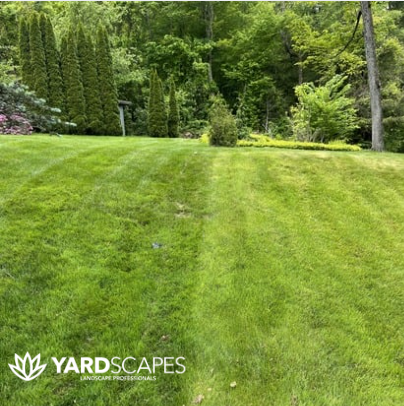
The YardScapes lawn is greener, denser, and much more healthy.

Web  Facebook  Instagram  LinkedIn  Pinterest  Email

YardScapes Landscape Professionals(860) 350-2737 18 Aspetuck Ridge Road New Milford, CT 06776 US

Constant Contact