|
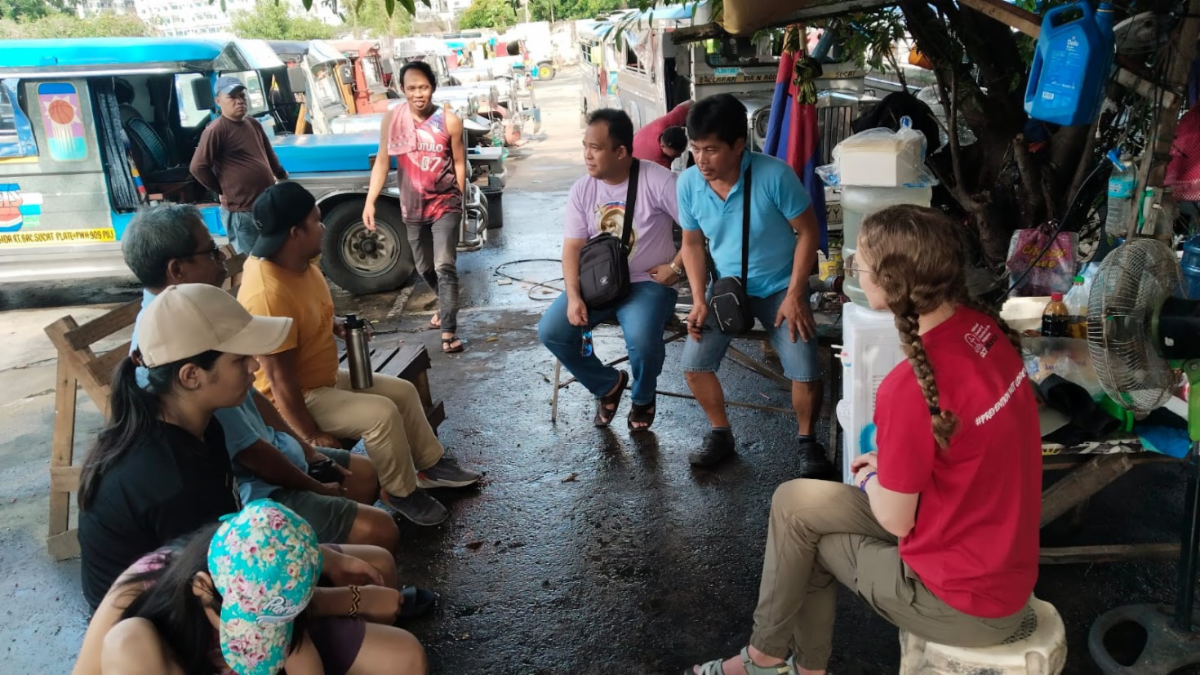
There used to be plenty of fish, they told Amelia. Now there were few. Families who once earned enough from fishing to send their children to college were taking loans simply to afford food. Sitting beneath the tarp and listening, something Amelia had been learning throughout the summer, became tangible. Creation care and care for vulnerable communities could not be separated.
“The stories I heard on this particular day really took a highlighter to that theme for me,” Amelia reflected. Questions about environmental harm, poverty, and justice were not abstractions. “We are always talking about lived realities.”
Learning to Show Up
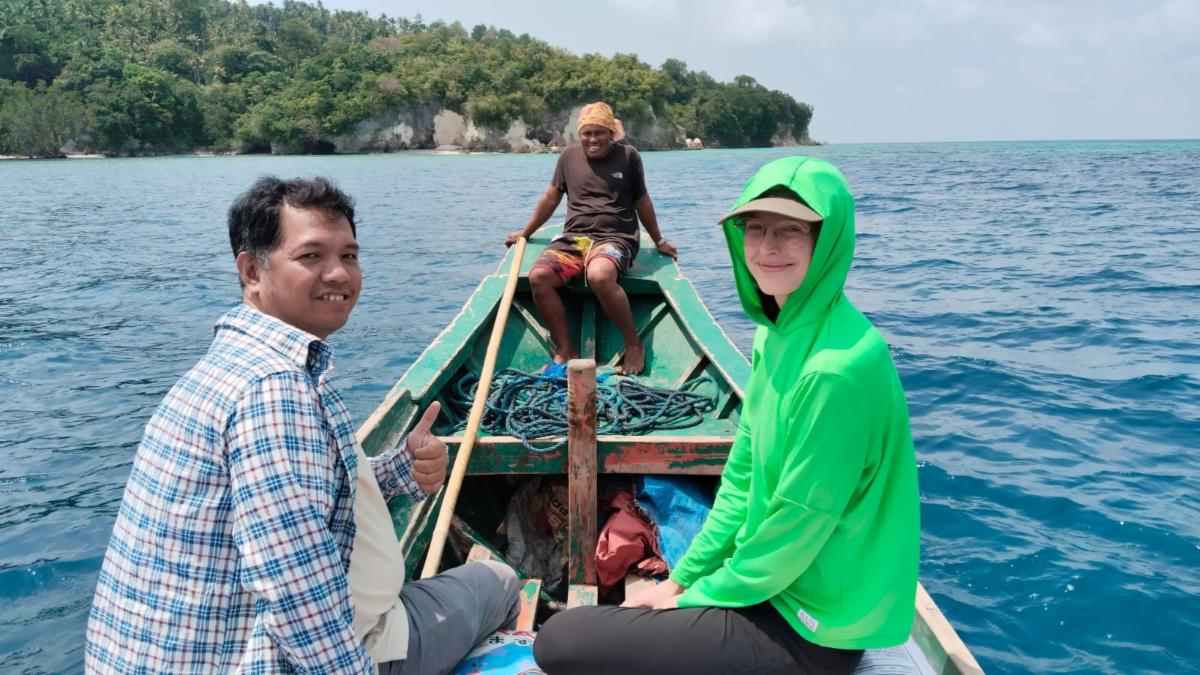
Amelia spent the summer in the Philippines alongside the National Council of Churches in the Philippines (NCCP), a longtime Week of Compassion partner. Her placement was part of Week of Compassion's Global Community Resilience Fellowship, created to give emerging church leaders opportunities to learn alongside international partners engaged in disaster recovery, resilience, and humanitarian response. The program is designed around mutual learning—not sending participants abroad with answers, but placing them alongside communities and organizations whose knowledge and relationships are already deeply rooted.
Over the course of the summer, Amelia saw what that kind of accompaniment could look like. One encounter came in a conversation with a driver of a jeepney, a small public bus common in the Philippines. As he showed Amelia around the lot, their conversation turned toward the movements he had joined throughout his life—from labor organizing to resisting mining operations to efforts involving the livelihoods of jeepney drivers. Again and again, he told her, church leaders had been there alongside the community.
“And every time, the priests were right there beside us.”
For Amelia, the encounter made the language of accompaniment remarkably concrete. These clergy had not simply expressed concern from a distance. They had developed relationships with communities long before moments of crisis arrived. Amelia began to understand “showing up” not as a single act of service, but as a more continual state of being in relationship.
Carrying the Questions Home
That understanding is part of what Amelia now carries with her as she begins seminary and prepares for ministry. Her summer in the Philippines did not leave her with simple answers. Instead, it left her with deeper questions about the responsibility of the church in a world where environmental disasters, poverty, and injustice are interconnected—and about how Christians in one part of the world can listen faithfully and respond to communities in another.
“What it looks like to bring these voices into Global North spaces in a way that fosters ethical accompaniment is the main question I'm carrying home with me,” Amelia said.
|