Greetings!

Every election cycle gives us another opportunity to ask: What kind of political future are we building? Egalitarian, multiethnic democracy, anyone?


And what’s our role in building it? 


Over the last several cycles, we’ve written about the need to see elections as more than winning or losing—or simply electing aligned politicians. It’s about building the power of communities to identify their own leaders, organize around them, and hold elected officials accountable once they’re in office—or keep building the power and organization necessary to elect them when they aren’t there yet. Middle class and the elite have done this already, but working class, new immigrants, the working poor and young people are the majority and don’t have adequate representation yet. 


Movement groups are doing the double work of raising money for candidates and for themselves. They have limited resources, but they bring something donors often cannot: deep relationships, local knowledge, and a clear understanding of where and how to build power. 


That’s why one of our roles as donors is to make their strategic choices possible—while continuing to invest in the candidates and projects we’ve supported over the long term. 


This is especially important in a primary election. 


We can invest in leaders before they are household names. We can support a candidate through multiple races. We can help movement organizations take the risks that come with challenging entrenched incumbents. And we can keep investing in the people and organizations building the political infrastructure we want to see years from now—not just the candidate who happens to be on the ballot this November. 


Our 2026 Massachusetts Primary Slate 


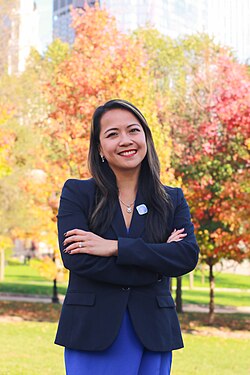
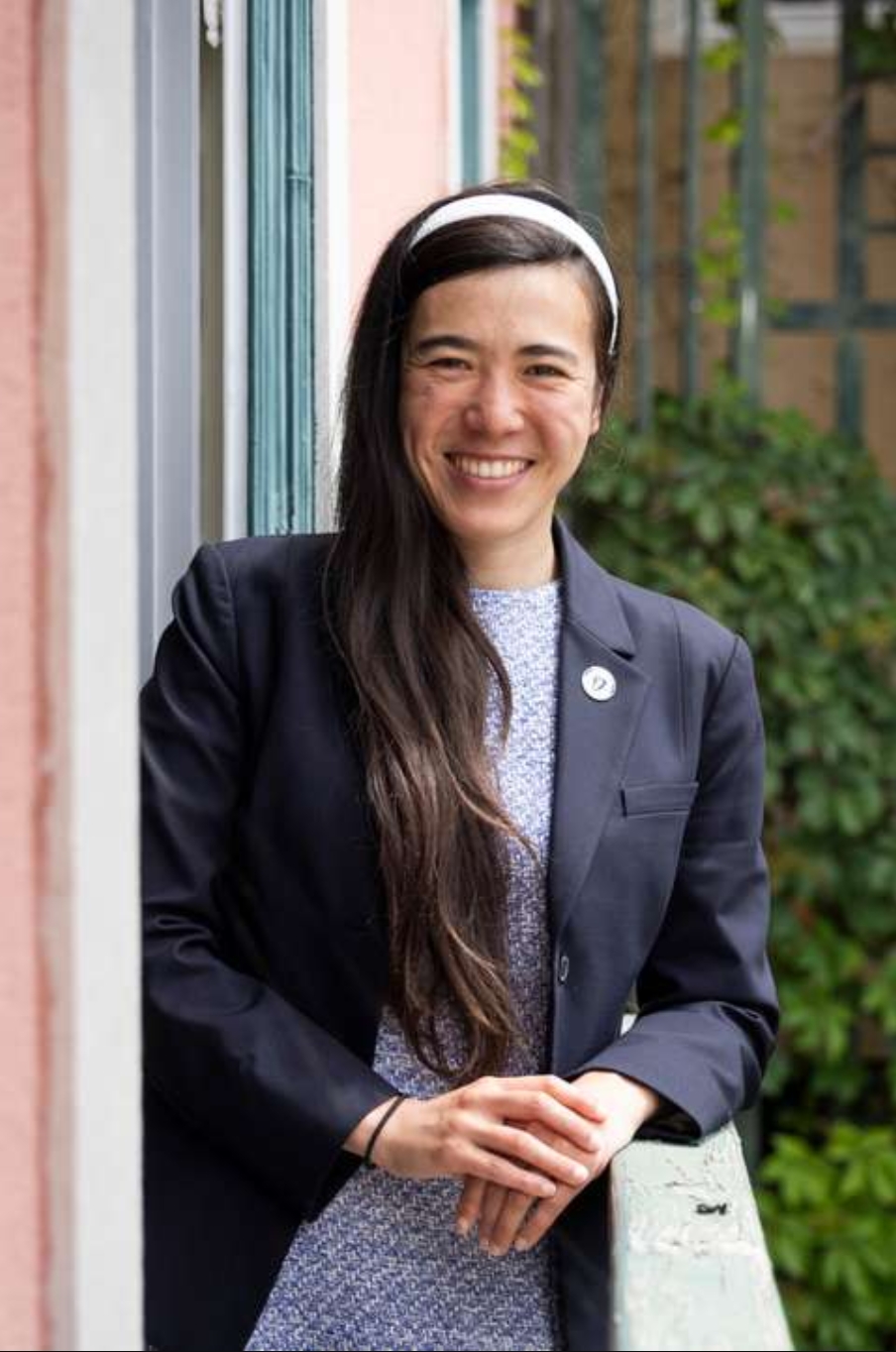
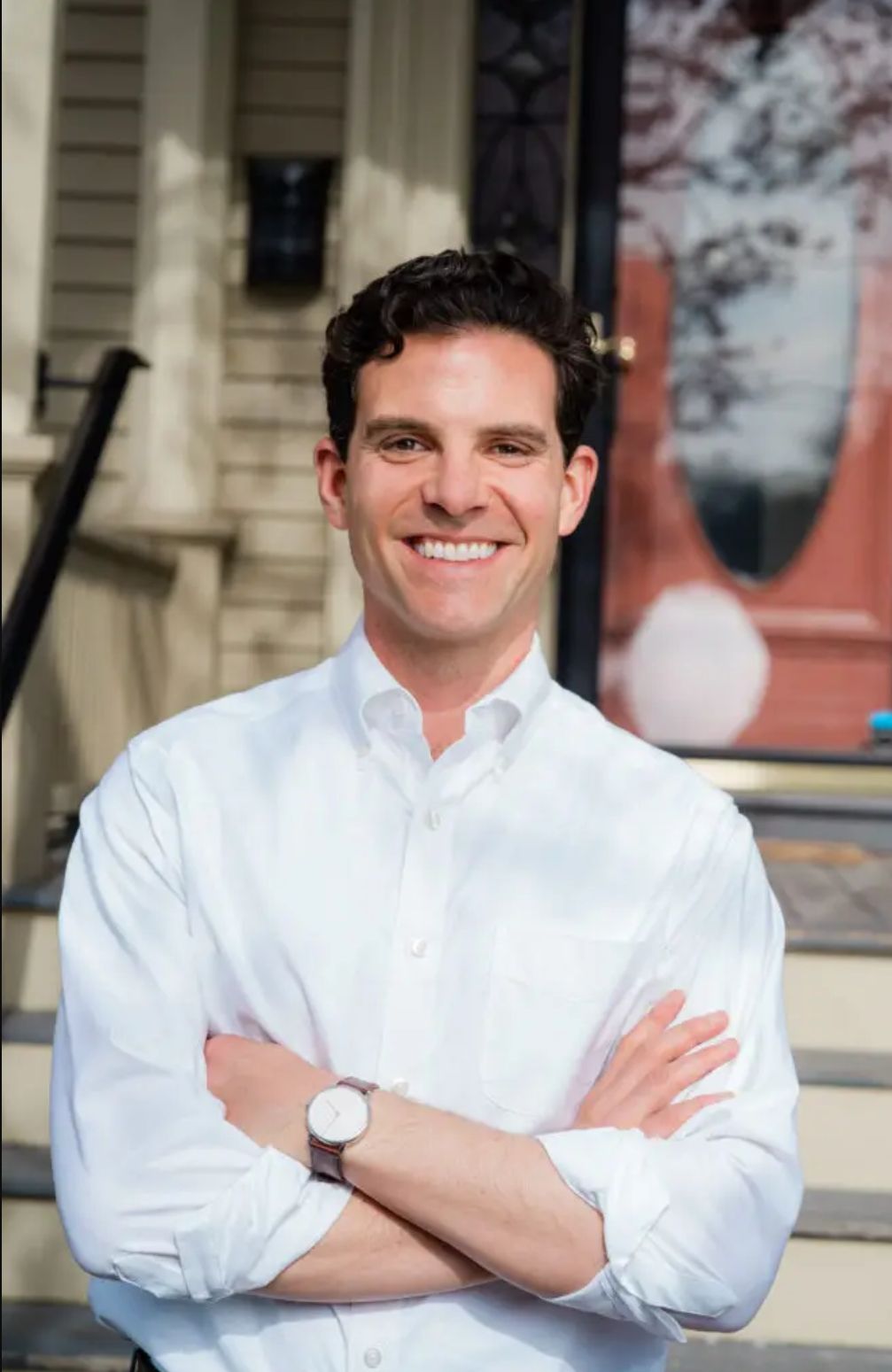
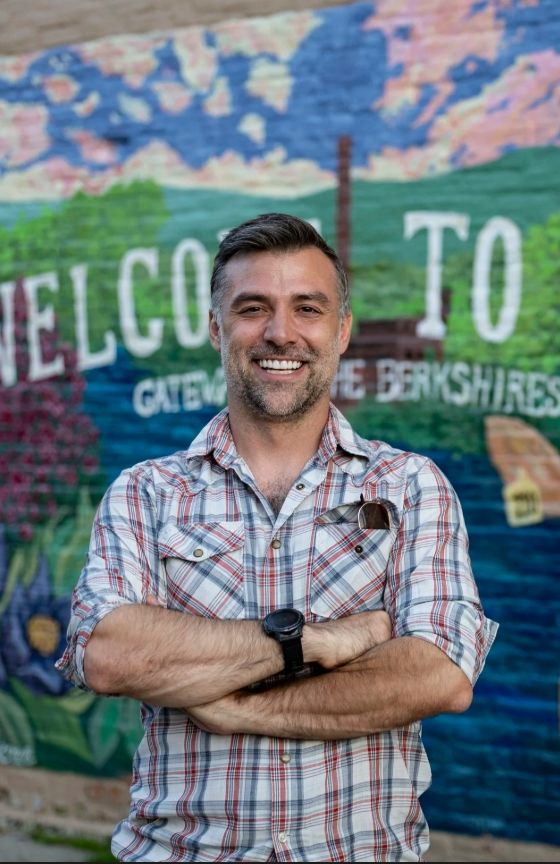
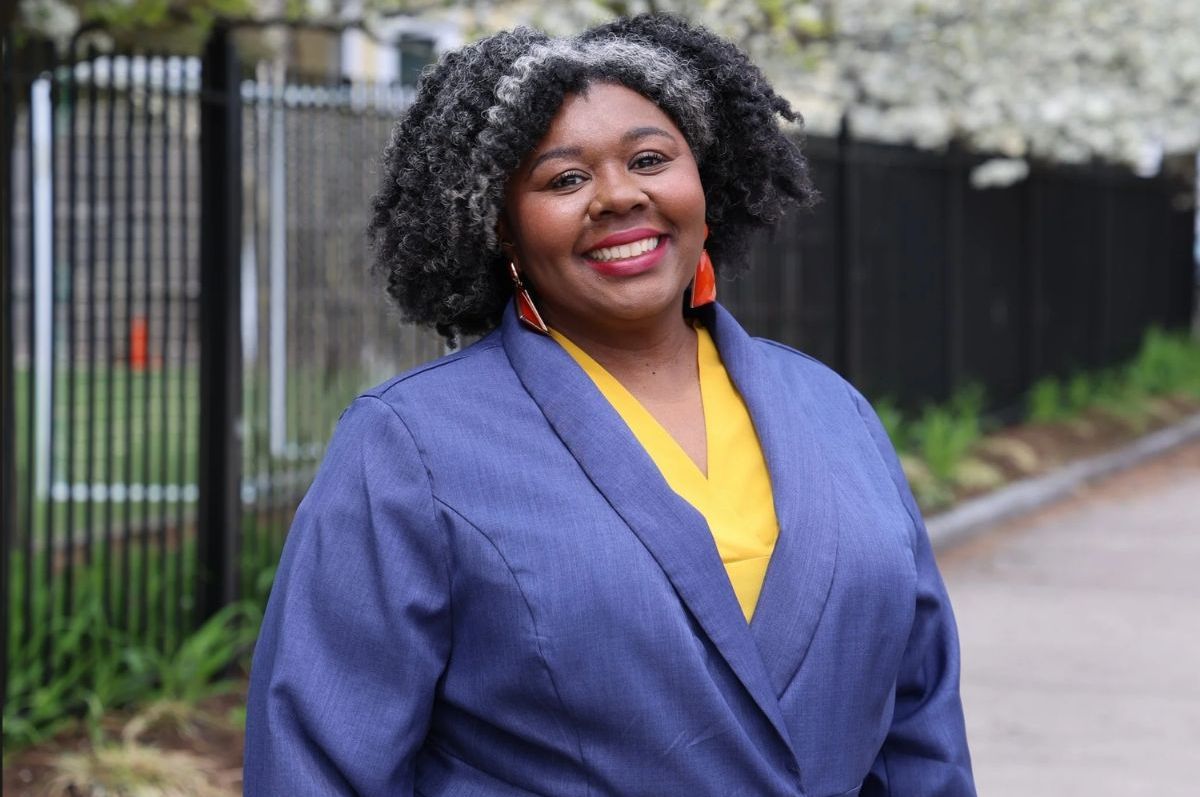
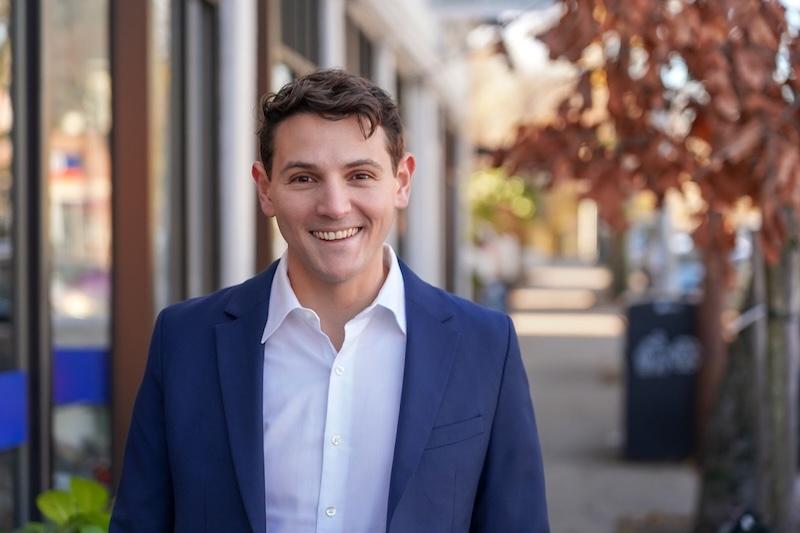
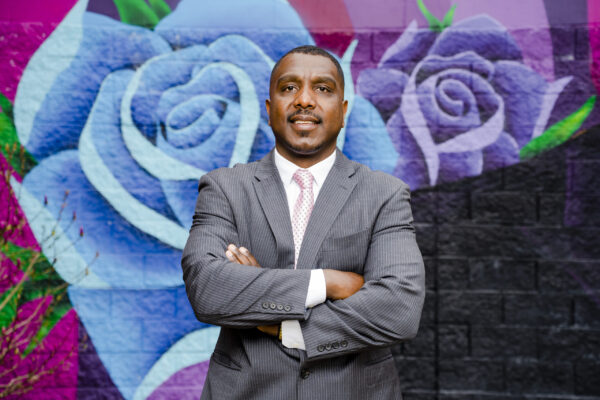
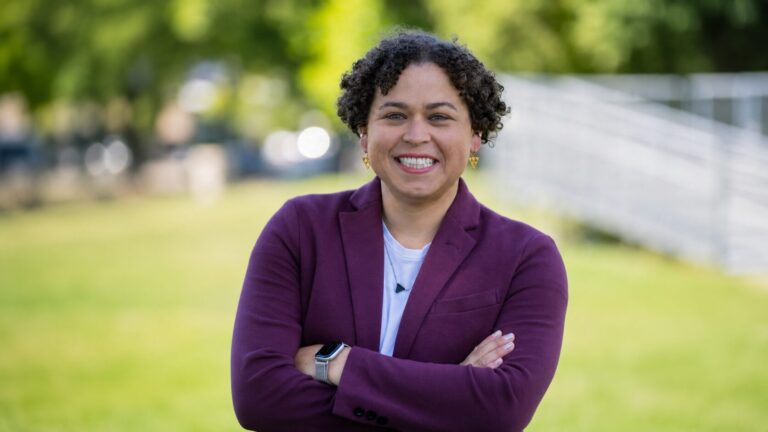
We want to make it possible for community and democracy advocates like Tram Nguyen, Patrick Roath, and Erica Uyterhoeven, teachers like Jeromie Whalen, and other tenant leaders, union members, and movement leaders to run for office knowing there are people willing to invest in them—not just once, but over the course of their political lives. 

Tram Nguyen

U.S. House — MA-06

Open Seat

Erica Uyterhoeven

MA State Senate — 2nd Middlesex

Open Seat

Patrick Roath

U.S. House — MA-08

Challenging Incumbent

Jeromie Whalen

U.S. House — MA-01

Challenging Incumbent

This cycle, we’re also excited to be working with and supporting the Working Families Party, whose model is centered on building independent political power: bringing working people together across race and class to shape elections, elect accountable leaders, and govern around community needs rather than corporate or establishment interests. 


That distinction matters. Electing people, we believe in, is only part of the work. We also need political organizations that can help hold elected officials accountable after the election—to the people and communities who organized to put them in office, not simply to the institutions or party structures that helped them get there. The Democratic Party no longer consistently provides that kind of accountability to voters.

Community-based Independent Political Power is the collective ability of organized working people—across race and class—to build their own lasting political infrastructure, run and elect accountable candidates, and govern in ways that prioritize community needs over corporate or establishment interests.


Want to learn more about independent political power read about how Working Families Party is exploring it right here in Massachusetts.

Organizations like the Working Families Party, Neighbor to Neighbor is another independent political organization we have highlighted in the past, can provide an independent base of organizing, relationships, staff, and resources that remains in place after Election Day. 


That means candidates don’t just have to be supported when they’re running. They can be supported, organized with, and held accountable once they’re governing. And it means elected officials have a political home outside the traditional party apparatus—one that can push and support them to keep fighting for the people who elected them. 


The candidates below reflect that approach and expand the range of community-rooted leaders we’re able to support across Massachusetts. 

Latoya Gayle

MA State Senate — 1st Suffolk

Challenging Incumbent

Daniel Lander

MA State Senate — Suffolk & Middlesex

Challenging Incumbent

Johnnie McKnight

MA House — 11th Hampden

Challenging Incumbent

Carey McDonald

MA State Senate — 5th Middlesex

Open Seat

Tara Hong

MA House — 18th Middlesex

Incumbent

And this accountability matters especially now. 


We hear growing frustration that too many of our elected representatives are not fighting with urgency. There is much more that Massachusetts representatives can do to push back—and to use the power they have here at home to keep poverty, displacement, and fear from crashing down on the people least able to absorb it. 


We need fighters. 


We need representatives who will use every tool available to protect their constituents, challenge injustice, and make clear that Massachusetts will not simply wait for federal politics to determine what happens to our communities. 


We need to keep building the democratic infrastructure that makes that accountability possible. Let’s focus on rules reforms that would make the Massachusetts House more democratic, transparent, and responsive to its members and to the people they represent. The work of changing how our legislature operates is part of the longer-term project of building the kind of democracy we want—not just electing better people into a dysfunctional system but fixing the system so that communities have more power over what their representatives do once elected. 


Is this our secret sauce? Our donor resources + the strategic capacity of movement organizations = the stamina to build the political future we want to see. Yes! 


That requires investment from each of us. 


So, this primary, we’re asking you to do two things:

Donate directly to the candidates on our slate. These campaigns need resources now, when a relatively small investment can make a meaningful difference in a competitive primary.

And donate to the organizations doing the organizing. Groups like the Working Families Party bring the relationships, expertise, and strategic discipline that make this work possible. Their resources are limited. Their knowledge is not.

So exciting to be building with you; candidate by candidate, organization by organization, primary by primary.

In Solidarity, 

Maria Jobin-Leeds