|
The Digestive System is the 2nd of the 7 Systems and one that I frequently talk about in the articles that I write. Each system is fundamental to overall health, but it would have to rank at the top because the rest of the body typically follows if it is out of whack. When the father of medicine, Hippocrates, states "all disease begins in the gut," it is a call to action and makes sure that we are righting the ship in the area of gut health. I will give an overview of how to make that happen.
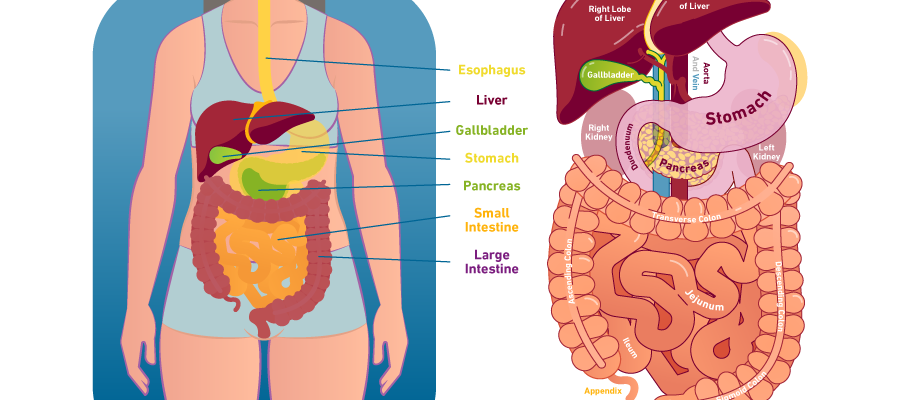
It isn't easy to simplify something so complex as the Digestive System, so I will do my best to break it down and give you some definitive items to work to make your Digestive System better. The Digestive System consists of; stomach, small intestine, and colon. Each of these areas has a separate function. Together they make up most of the Digestive Systems, which I will refer to as the gut for the rest of this article.
The stomach is where acid and pepsin are produced. Our brains and our mouths begin the digestive process. Seeing and smelling food starts the salivary process, which contains enzymes to break down carbohydrates in our food. The physical act of chewing takes large bites and reduces them down to easily handled bits of food that travel through the esophagus to the stomach. Once in the stomach, the acid and pepsin further break down these larger chunks, or if you have chewed your food 20-30 times with each bite, the fragments are much smaller and easier to break down further.
Most patients have the acidity of battery acid in their stomachs, which makes digestion quite simple. The stomach contains a mucus lining to protect the stomach wall from this harsh acid. If the lining is compromised, it can lead to gastritis or inflammation of the stomach. If untreated, the patient may be quite uncomfortable and in pain. The standard way to treat this is to make the stomach less acidic, so it doesn't irritate the inflamed area, essentially band-aiding the issue. Addressing and fixing the inflammation is the ideal approach to achieving long-term health.
Once the stomach contents achieve an acidic state, the pyloric sphincter, or valve that connects the stomach to the small intestine, opens and allows the contents to go to the next phase of digestion. In the small intestine, the digestive process continues as the food particles get broken down into even smaller units. Fat is digested with the help of bile, produced in the liver, and stored in the gall bladder. Bile is responsible for breaking down fats. Digestive enzymes are released from the pancreas to break down proteins, carbohydrates, plant matter, and essentially everything ingested. The absorption of nutrients is the critical function of the small intestine.
The last major section of the gut is the colon. The colon is where the majority of our bacteria reside. There are good and bad bacteria, fungus, viruses, and in some, parasites. All of these living organisms inside of our living organism, for the most part, reside in a harmonious state. When things get out of balance is when we have an issue. What can knock things out of balance? Here are some of the major offenders:
• Antibiotics
• Pesticides
• Alcohol
• Stress
• Artificial Sweeteners
• Birth Control pills
• Refined sugar
• Lack of sleep
Why are these bacteria important? The bacteria help produce hormones like serotonin which directly affects our mood and cognitive health. Bacteria help to digest our food, extracting energy and nutrients. It is also imperative in supporting our immune health and protects us from toxins getting into our system.
According to a survey from 2013, 74% of the population live with digestive symptoms like diarrhea, gas, bloating, and abdominal pain. The thought that ¾ of our population has gut issues is daunting, and many of these patients can get help by simply changing their diets and supplements.
The tools to find out what is going on in the gut can range from simple to complex. A simple way to check for acidity in the stomach is to drink some water with a small amount of baking soda, set a timer, then see how long it takes you to burp. The longer it takes, the less acid a person may have in their stomach. The baking soda option costs pennies vs. the conventional test where you swallow a capsule, and it gathers data regarding the pH of the digestive tract as it meanders its way through your system.
My staff and I like to use a GI quiz. The quiz asks questions about the gut in the 3 of the areas we discussed and has a section on overall inflammation. This quiz is an inexpensive way to gather information, and depending on the answers, a protocol can be developed based on those answers.
Not all patients get results from the simple tests we utilize, and when that happens, further testing may be necessary to get to the bottom of the ongoing issue. There seems to be an explosion of gut testing companies these days. Much information can be gleaned from doing these tests, and some of the tested conditions include SIBO, leaky gut, and dysbiosis.
I hope the information provider gave you some insight into the importance of the Digestive System and some ideas on how to test and work on fixing this critical aspect of your health. The next system I will cover is the Delivery System.
Stop by or call (701-483-4858) the pharmacy if you want more information on the 7 Systems Plan (see video below) to regain your health. Please visit my website at www.irsfeldpharmacy.com to find this and other archived articles in the blog section. Until next time, be vigilant about your health!!
|