|
National health awareness campaigns play a crucial role in our collective mission to combat gynecologic cancer. These dedicated days, weeks, and months serve as a platform to:
- increase public understanding
- promote preventive measures and research advancements
- advocate for those affected by cancer and related health conditions
- bring together patients, survivors, caregivers, and healthcare professionals around a common goal
Together, we have an opportunity to make a significant impact in our mission to educate, advocate, fundraise, and unite to reduce the burden of gynecologic cancer on individuals and families and across communities. Join us!
| |
Gynecologic Cancer Awareness Month (GCAM) | |
|
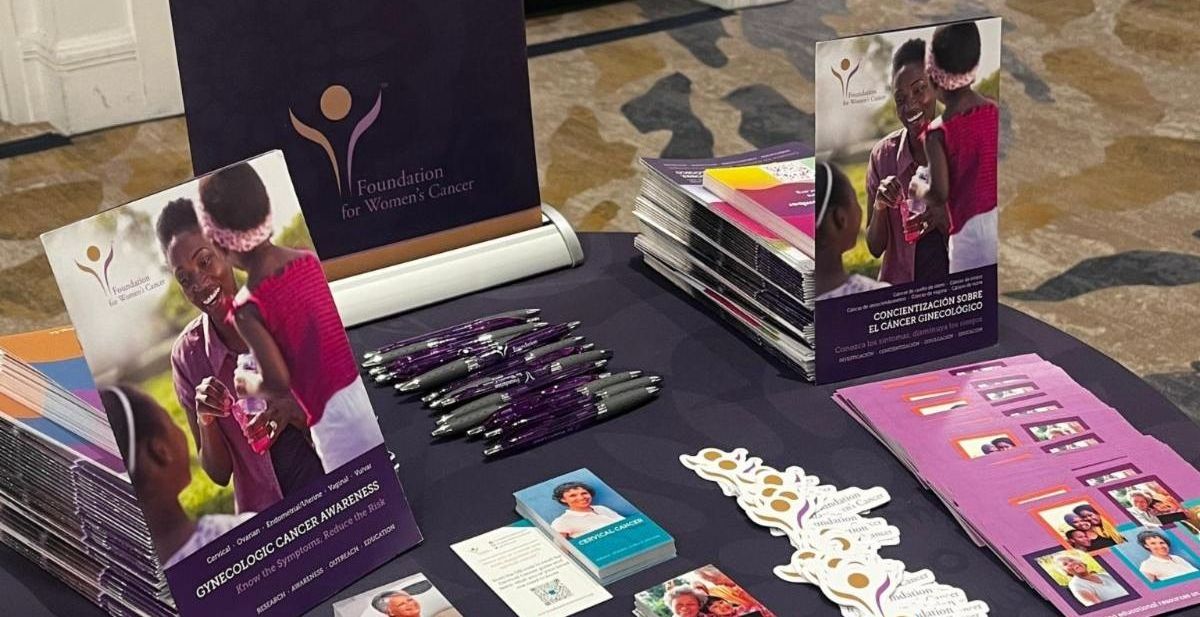
Join us this September for Gynecologic Cancer Awareness Month (GCAM), an inspiring annual observance dedicated to driving public awareness and prevention of the five gynecologic cancers – cervical, ovarian/fallopian tube, uterine/endometrial, vaginal, and vulvar malignances. The Foundation for Women's Cancer (FWC) is committed to raising awareness and empowering communities with free educational resources for those at risk, individuals living with gynecologic cancer, care partners, and survivors.
Thanks to the generosity of our donors and the energy of our fundraising events, particularly our hallmark campaign, Move4Her, we can continue providing these invaluable resources. This year, we're rallying the community to surpass all previous fundraising efforts, helping us in our relentless fight to end gynecologic cancers and create a brighter, healthier future for generations to come! Get involved by participating in the exciting events lined up for GCAM – from FWC-hosted activities to dynamic events organized by Move4Her participants. Dive into our updated Move4Her fundraising toolkit and discover how you can make a difference.
A Snapshot: The Five Gynecologic Cancers
| |
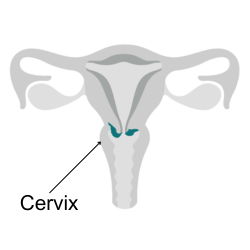
Cervical cancer is the fourth most common cancer in women globally, though much less common in the U.S. Due to the effectiveness of screening tools such as Pap smears and the highly efficacious human papillomavirus (HPV) vaccine, which targets the primary cause of cervical cancer, many cases of cervical cancer are now preventable. The HPV vaccine is recommended for individuals aged 9 to 45, offering protection against genital warts and various HPV strains that can lead to cervical and other cancers. Symptoms of cervical cancer can include vaginal discharge, abnormal vaginal bleeding, vaginal odor, and pelvic pain. | |
|
|
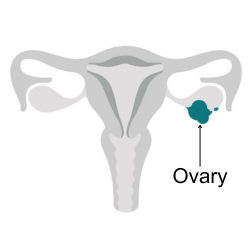
Ovarian, fallopian tube, and peritoneal cancer ranks as the seventh most common malignancy among women and individuals with gynecologic organs globally. The symptoms are often nonspecific (examples include abdominal bloating, nausea, feeling full quickly, and constipation) and can be easily overlooked. As many as 20-25% of all ovarian, fallopian tube, and peritoneal cancers are inherited and may be preventable.
| |
|
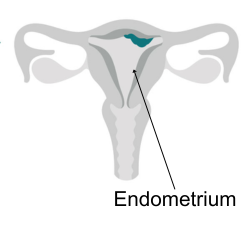
Uterine/endometrial cancer is the fourth most common cancer in U.S. women and the 15th most common worldwide. It is associated with being overweight or obese and is on the rise. Although it primarily affects postmenopausal women, a growing number of premenopausal women are being diagnosed. Symptoms of uterine/endometrial cancer include abnormal or postmenopausal vaginal bleeding or spotting; these symptoms should always prompt a visit to a healthcare provider. | |
|
|
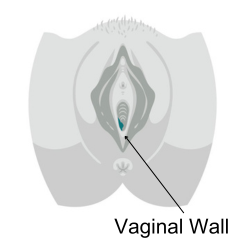
Vaginal cancer is one of the rarest gynecologic cancers, accounting for only 1-2% of all cancers of the female reproductive tract, as oftentimes cancer cells found in the vagina originate from the uterus, vulva, or other organs. Some cases of vaginal cancer may be prevented with the HPV vaccine and most cases occur in postmenopausal women. Symptoms include vaginal discharge, bleeding, or pain.
| |
|
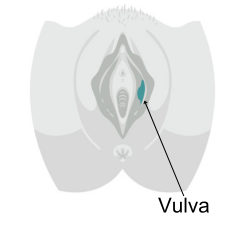
Vulvar cancer is a rare disease accounting for 5% of all cancers of the female reproductive tract that can be associated with HPV infection, conditions of the vulva associated with chronic irritation and inflammation, and smoking. Many cases of vulvar cancer may be prevented with the HPV vaccine. Symptoms may include vulvar bleeding, itchiness, pain, or swelling. | |
|
|
FWC's Free Educational Resources Available 24/7
The FWC has free resources to help you learn more about the five gynecologic cancers, including symptoms and risk factors, diagnosis, treatment, and more.
| |
|
FWC Involved in Patient Education Summit on September 7
Join fellow gynecologic cancer patients, caregivers, and survivors for CURE Educated Patient® Gynecologic Cancers Summit on September 7. FWC Patient Education Committee Member Jessica Walchonski, PA-C, MMS, and other leaders within the Society of Gynecologic Oncology (SGO) will lead a variety of free seminars.
Share Your Story
Your voice has the power to show people they are not alone and the power to increase awareness, education and hope. Would you consider sharing your heroic story with us and the gynecologic cancer community?
| |
National Hispanic Heritage Month | September 15-October 15 | |
|
In honor of National Hispanic Heritage Month, we celebrate the 2024 theme "Pioneers of Change: Shaping the Future Together." This month is dedicated to recognizing the trailblazers in the Hispanic/Latinx community who are driving progress and innovation across various fields. Join us as we honor those who are breaking barriers and laying the groundwork for a more inclusive and equitable future.
While celebrating Hispanic culture, we also want to highlight the significant health disparities that affect this community. Research presented at the SGO 2024 Annual Meeting on Women's Cancer shows:
- While Hispanic patients account for approximately 24% of cervical cancer patients in the SEER database, they accounted for a higher proportion (38%) of patients who had a longer diagnosis-to-treatment interval which is associated with worse outcomes (Mona Saleh, MD, et al.).
- Hispanic patients with gynecologic cancers were more likely to receive high-intensity end-of-life care compared to non-Hispanic white patients (Daisy Cruz, MD, et al.).
- Uterine cancer trends are shifting toward diagnosis at a more advanced stage, which limits expected survival and curative options. This is disproportionately affecting minority populations, including Hispanic women in the U.S. (Alex Francoeur, MD, et al.).
- Hispanic patients experience longer times to treatment and have higher healthcare resource use (medicine, staff time, and facilities) (Tara Castellano, MD, et al.).
| |
FWC Highlights Grant Recipient Valentina Hoyos Velez, MD, During National Hispanic Heritage Month 2024
There are several cancers, including cervical, vaginal, and vulvar, caused by human papillomavirus (HPV), a common infection worldwide. Valentina Hoyos Velez, MD, and her team are developing a cutting-edge approach to treatment using a special type of immune cell that could lead to more effective outcomes for individuals battling these cancers. Continue Reading
| |
|
National Ovarian Cancer Awareness Month | |
|
Ovarian Cancer Awareness Month is acknowledged during Gynecologic Cancer Awareness Month (GCAM) and highlights the specific challenges of ovarian cancer. This disease often goes undetected until it has reached advanced stages, so recognizing the symptoms is vital to early detection and treatment. Common symptoms of ovarian cancer include:
- Abdominal bloating or swelling
- Abdominal/pelvic pain
- Constipation or changes in bowel habits
- Loss of appetite or feeling full quickly, even after small meals
- Urinary symptoms (urgency or frequency)
These subtle signs are often mistaken for other conditions; if you experience any combination of these symptoms, please seek attention from a healthcare provider immediately.
It is also important to note that family history of breast or ovarian cancer, a personal history of certain cancers, specific gene mutations (BRCA1 and BRCA2), and age are factors that can increase the risk of ovarian cancer. Being aware of these risk factors can help you take proactive steps to manage your gynecologic health.
Download our free resource, Ovarian Cancer: Your Guide
| |
National Essential Medicine Shortage Awareness Day | September 8 | |
|
On September 8, we observe National Essential Medicine Shortage Awareness Day to highlight the critical importance of access to essential medicines for all individuals, particularly in the field of gynecologic oncology. These medicines are fundamental in our fight against gynecologic cancers, ensuring that patients receive the timely care they need to treat their cancers and lead healthier lives.
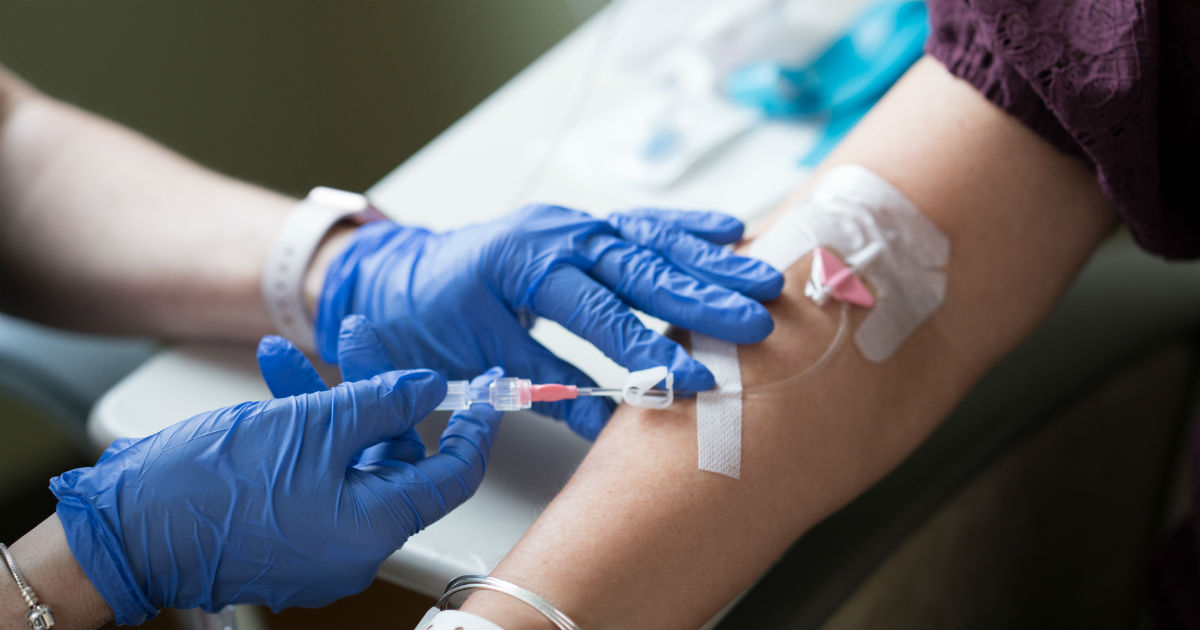
Access to essential medicines, like chemotherapy, is a cornerstone of effective healthcare systems and a key factor in improving patient outcomes. The SGO/FWC have prioritized this issue over the last year and served as effective advocates for policies and practices that ensure life-saving treatments are available to patients. In 2023, our pivotal work on Capitol Hill and working with several federal agencies and medical societies helped secure critical chemotherapy drugs during a nationwide shortage. The SGO/FWC continues this work today to ensure that long-term solutions are implemented.
As we observe this important day, let us reaffirm our commitment to advancing research, supporting equitable healthcare access, and raising awareness about the pivotal role of essential medicines in cancer treatment and prevention.
| |
The FWC is the official foundation of the Society of Gynecologic Oncology. | | | | |