February 2026 Newsletter from the 30 Mile River Watershed Association | | |
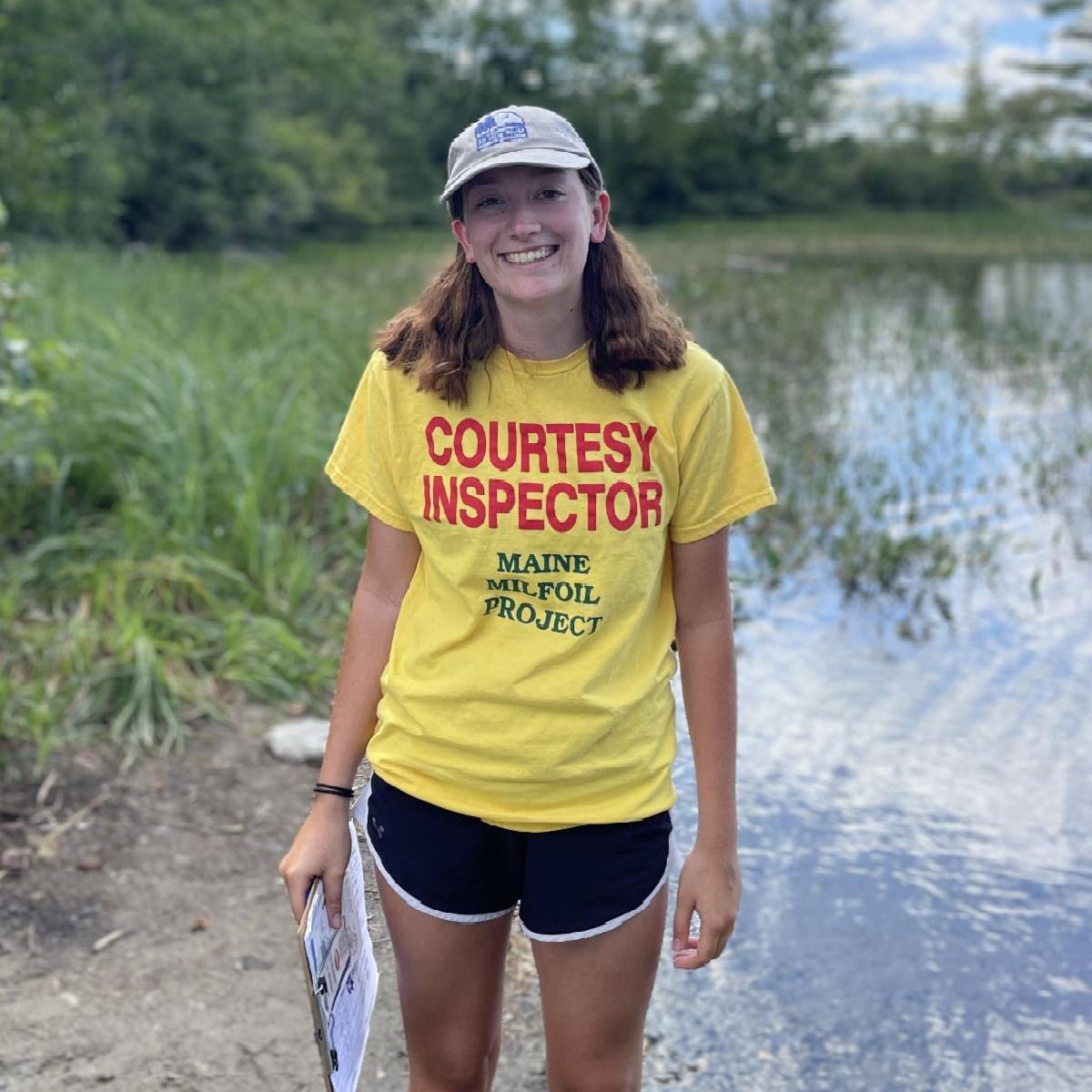
We’re seeking applicants for multiple positions for the upcoming field season! These positions are great opportunities for students interested in gaining experience in environmental conservation and helping protect our lakes.
-
Geospatial Intern (in partnership with the Maine Geospatial Institute)
- Courtesy Boat Inspector
- Aquatic Invasive Plant Survey Team Member
Interested or know someone who might be? Visit 30mileriver.org/join-our-team.
| | |
Volunteers Needed:
Androscoggin Algal Bloom Work Groups
| | |
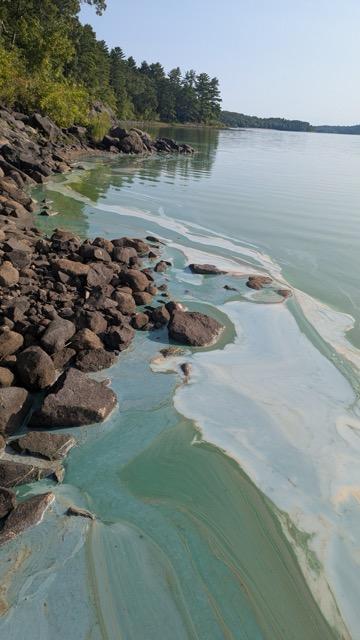
In response to the recurring algal blooms on Androscoggin Lake, we have had the first meeting of the Androscoggin Lake Steering Committee. This group represents organizations, towns, businesses, lakefront owners, and lake users – all working together to provide a forum for meaningful citizen dialogue and discussion to foster a realistic and timely action plan to restore the health of Androscoggin Lake. The committee will work to coordinate, guide, and steer four work groups and the broader community toward positive action. We are now recruiting volunteers for the work groups.
If you are interested in getting involved in one of the work groups, please fill out the Work Group Volunteer Interest Form. Groups will include focus areas of science, fundraising, communications, and government.
| | |
LD 2141 Update:
Thank you for speaking up for our lakes
| | |
On February 4th, the Maine State Legislature’s Committee on Environment and Natural Resources held a public hearing on LD 2141, a bill that would bring $2 million in funding to protect Maine’s lakes, paid for by unredeemed bottle deposits. From our watershed alone, 28 of you submitted written testimony, and hundreds of you signed the Lake Protection Coalition’s letter in support of the bill (over 1400 signatures total!). Thank you!
Our Executive Director, Lidie Robbins, and Board Chair, Beth Trehu, joined many others to testify at the hearing about the threats to our lakes, and the need for more funding to address them. The next step in the process is the ENR Committee’s work session, likely to be scheduled for later this month.
Stay updated on the bill and our advocacy efforts here.
| | Come see us at the Mount Vernon Fishing Derby | The 3rd Annual Mount Vernon Fire Company Fishing Derby is on Saturday, February 21st! Come visit us inside the Mount Vernon Fire Station from 12 PM - 3 PM. We will have equipment we use to collect water quality data, merchandise for sale, and we’ll be ready to talk about why protecting our lakes is important for our fisheries. Good luck to those going after the big one! | | |
Echo Lake Watershed Survey
Call for Volunteers
| | |
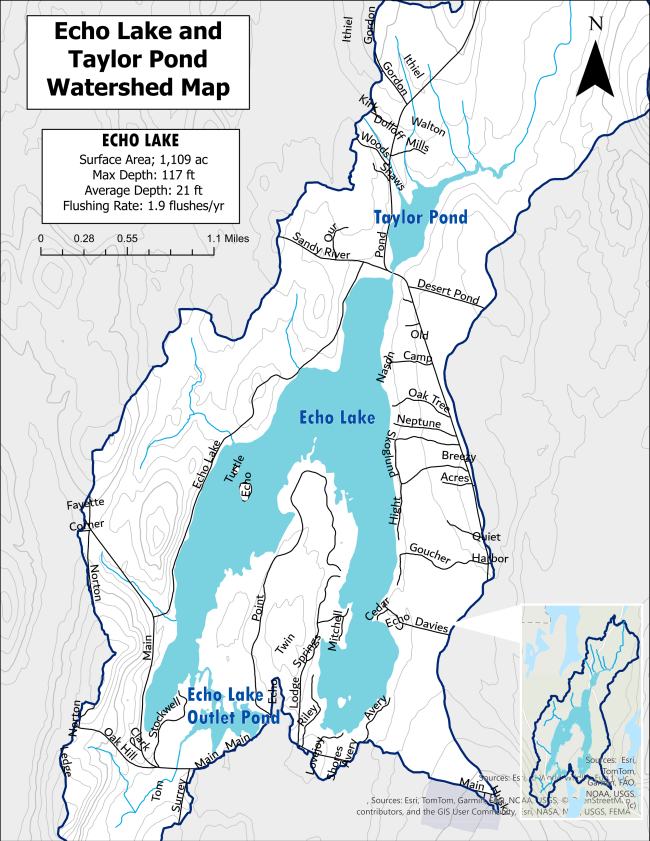
On Saturday, April 25th, volunteers and technical leaders will be conducting a watershed survey throughout the Echo Lake and Taylor Pond watersheds.
What is a watershed?
A watershed is the total area of land that drains into a lake, stream, river or bay. Watersheds drain (or “shed”) water into lakes via streams or ditches, directly over the ground surface via roadways and development, or through groundwater. Everything that happens in a lake watershed has the potential to impact the health of the lake, for better or for worse. No matter where you live – you are in a watershed! The Echo Lake and Taylor Pond direct watersheds cover approximately 7.5 square miles in the towns of Fayette, Mount Vernon, and Readfield.
What is a watershed survey?
Locally-led watershed surveys such as this one have been used successfully for decades throughout Maine to document threats to water quality. During a survey, trained volunteers work alongside technical leaders, surveying the watershed by foot and by car, to identify sources of erosion and polluted stormwater runoff. Data gathered during the survey will give us a better understanding of the watershed’s condition, and give us information needed to provide solutions for landowners and apply for grant funding to fix priority problems.
Volunteers are needed!
To conduct this survey, we are looking for volunteers from the broader community - not just Echo Lake. We will provide online training shortly before the survey, where you will learn how to identify erosion and other sources of polluted stormwater runoff, along with practices that will help protect water quality. To volunteer, register online here: 30mileriver.org/watershed-surveys or contact Ellie Hatt at (207) 860-4043 / gabrielle@30mileriver.org.
| | |
Save the Date:
Water Quality Monitoring Workshop
| |
This year’s Water Quality Monitoring Workshop will be held on Thursday, June 18th, on Echo Lake.
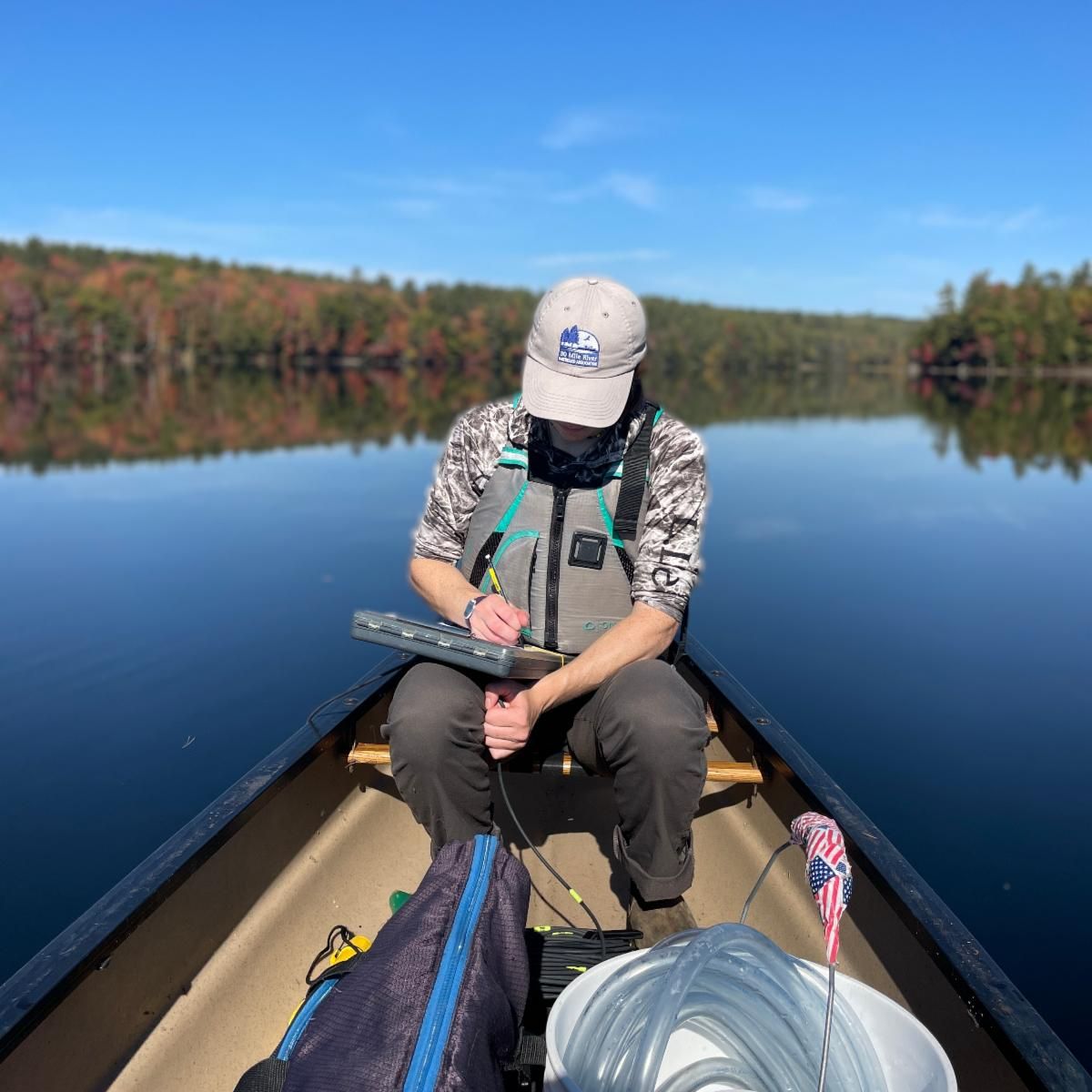
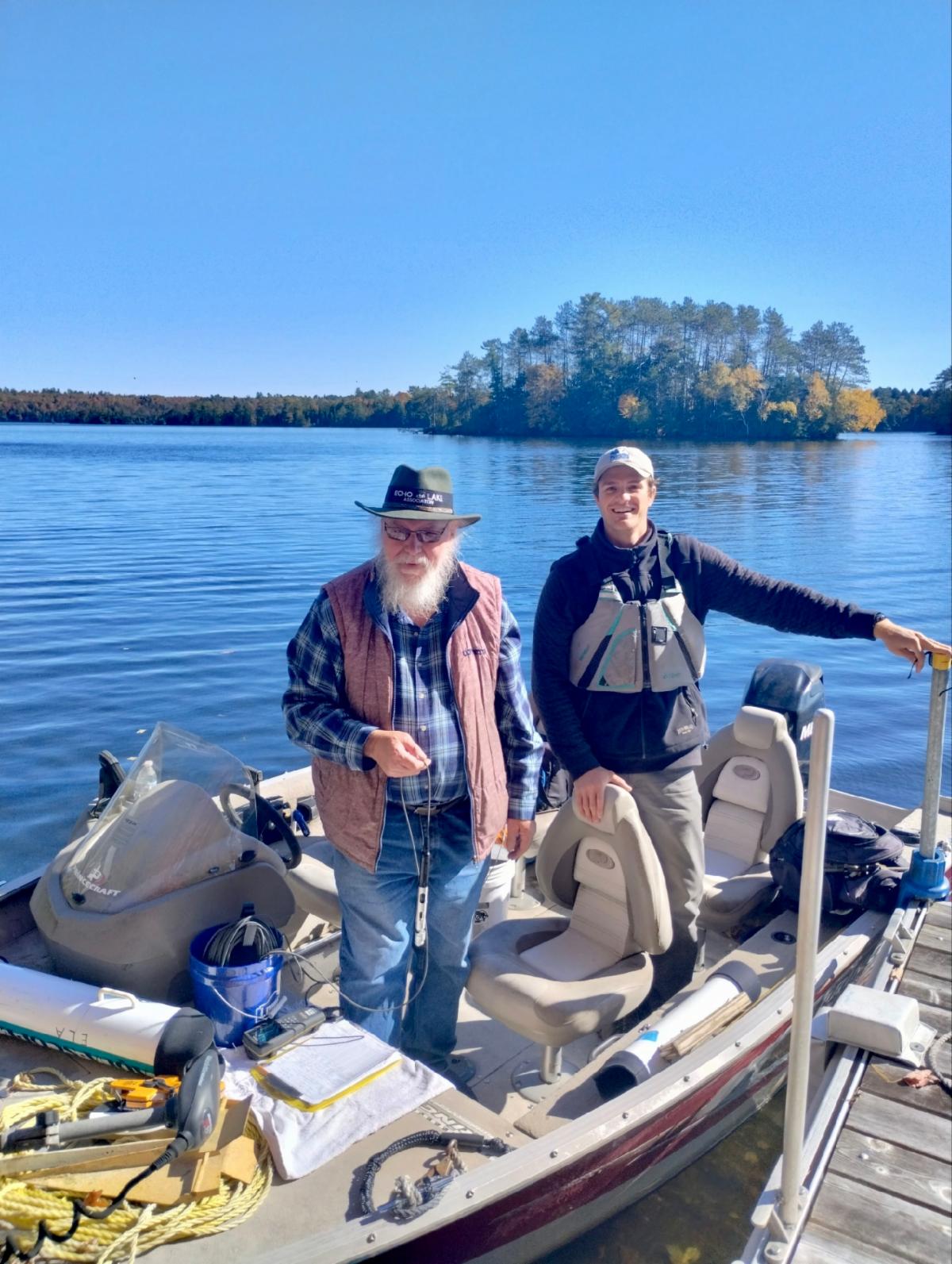
Are you interested in becoming a Water Quality Monitor? Volunteers work alongside our staff, in a canoe or motor boat, assisting in data collection. Volunteers who complete training may become certified to collect data. There are roles for both trained and untrained volunteers to support our program. If you are interested in becoming a certified volunteer or learning more, contact Water Quality Specialist, Sara, at sara@30mileriver.org.
| |
Mark your calendars!
17th Annual Paddle Trek
| |
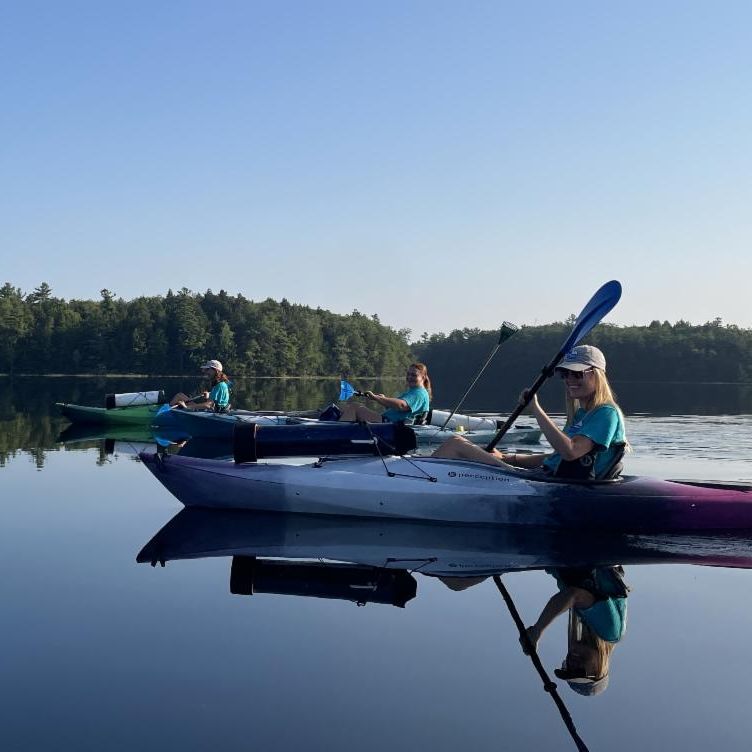
This year’s 17th Annual Paddle Trek will be held on Saturday, July 25th. Join us for all or just a part of this 15-mile paddle from Mt. Vernon Village to Wayne Village, traveling along many of the lakes and streams that form the “30 Mile River.”
Not up for paddling 15 miles? No problem! Many people join for one, two or three legs of the trip. Visit our website for details about how the event works, which lakes, ponds and streams you will paddle, and more. Registration will begin in June. We have kayaks available to rent.
| |
Question of the Month
How does life survive under the ice?
| | |
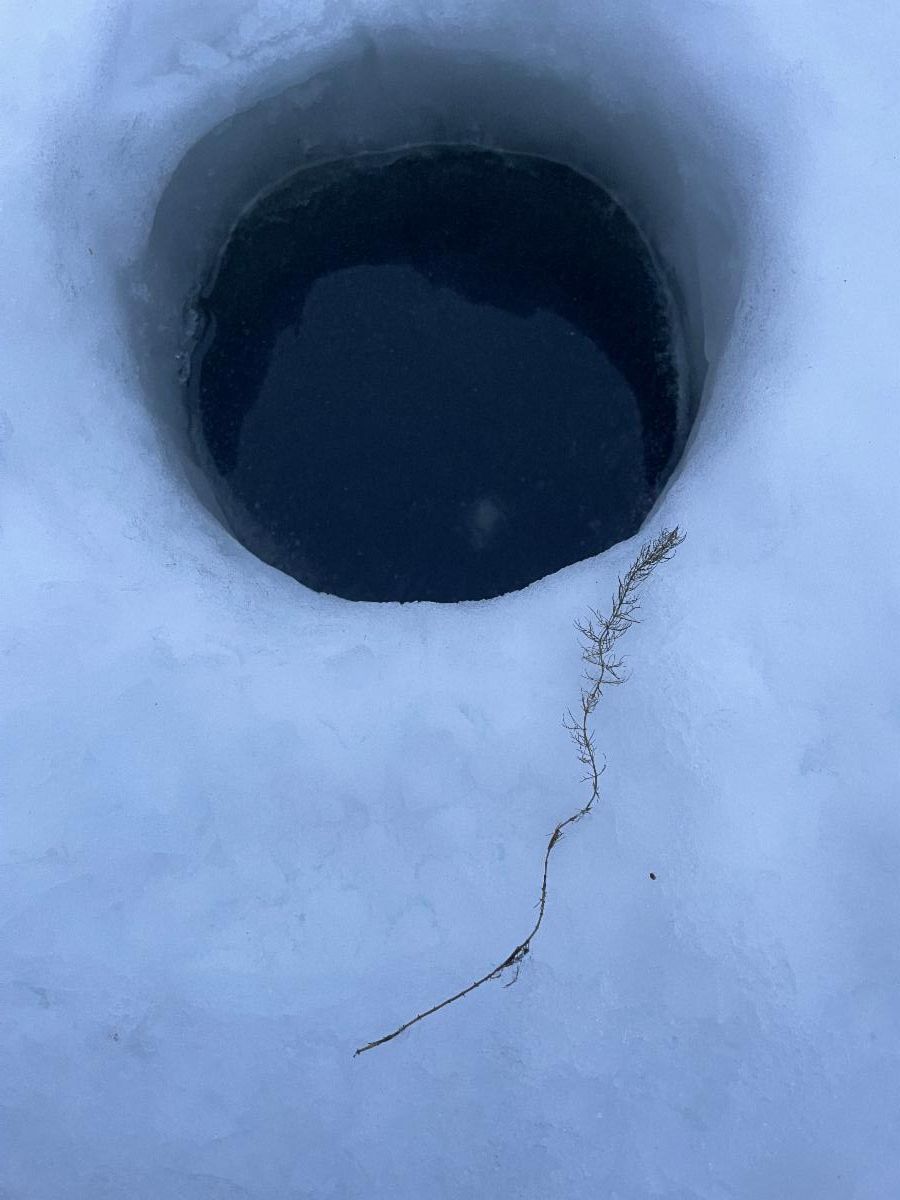
When we think of lakes in the winter months, we often picture a barren expanse of ice. It’s easy to think that there isn’t much going on beneath. But for many organisms, this is not the case! Our lake ecosystems don’t come to a halt when lakes ice over. While some processes may slow down, lakes are still teaming with life.
After the fall turnover, ice begins to form at the lake’s surface. Ice is less dense than the water beneath it, keeping it afloat and acting like an insulating blanket. This ice cover reduces the rate of heat loss, keeping lake temperatures relatively stable for the winter, with the warmest water at the lake bottom (if you can call 4°C/39°F warm!). Streams and groundwater continue to flush water, nutrients, and oxygen into lakes, connecting them with their surrounding landscapes.
Sunlight may be limited, but it doesn’t disappear entirely. Light can get through thick ice and even some snowpack. For photosynthetic organisms (those that utilize sunlight to produce energy), production continues, just at a slower rate. Aquatic plants may have winter-specific leaves to aid in energy production, while others rely on energy stored in their roots and specialized structures (rhizomes and tubers).
Other organisms don’t change their productivity much at all, such as diatoms (a type of algae). They feed other organisms, sustaining life throughout the food web including plankton, invertebrates, and eventually, fish! Many cold-water fish remain active throughout the water column, continuing to feed on organisms. Meanwhile, warm-water fish will settle into the lake's depths to use as little energy as possible. Similarly, frogs and turtles will bury themselves in the mud until spring, using adaptations that allow them to take in oxygen through their skin.
A lake’s productivity in winter can impact it for the rest of the year. Longer, colder winters can help keep summer water temperatures cooler, reducing the risk of harmful algal blooms. Unfortunately, changes in ice-in and ice-out timing are shortening winters, a shift that could contribute to higher summer water temperatures, and more productive algae populations that favor these conditions. While we cannot control the warming temperatures, we can continue to minimize our impact by reducing the amount of nutrients entering lakes, which is the other factor impacting algal blooms.
So while the lakes and ponds in our watershed may look quiet in the winter, beneath the ice they are still active, preparing for the busy seasons ahead. They aren’t asleep, just moving at a slower pace!
| | Support 30 Mile! Your gift today will make a difference in protecting our lakes from phosphorus pollution, invasive species, and other threats. Find the giving level that works for you. | | Follow us on Facebook and Instagram! | | | | |