After 14 Years, Gold Creek Valley Restoration Begins

Gold Creek Valley has a big milestone to celebrate. After 14 years of planning, permitting, and partnership-building, the Gold Creek Valley Restoration Project is officially under construction.


Forterra has been part of this story since 2009, when we purchased 250 acres in the valley with support from the U.S. Fish and Wildlife Service to help protect habitat for bull trout and other at-risk species. This project represents one piece of a longer effort, alongside projects like the I-90 wildlife overcrossing, to restore habitat connectivity in this stretch of the Cascades.

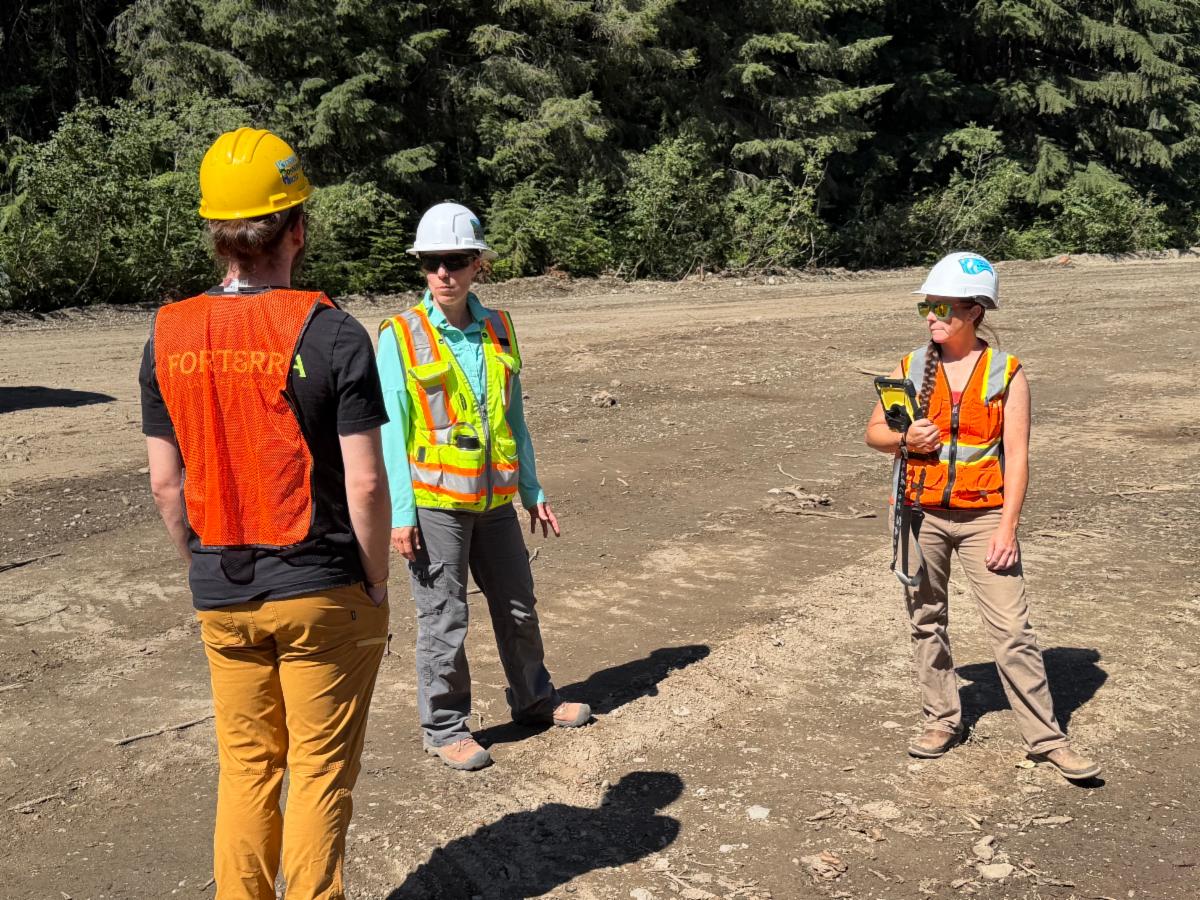
The heavy lifting on this phase belongs to our partners: Kittitas Conservation Trust has led the on-the-ground work for years, alongside the U.S. Forest Service, Washington Department of Fish and Wildlife, Yakama Nation, U.S. Fish and Wildlife Service, the Bureau of Reclamation, and Conservation Northwest.

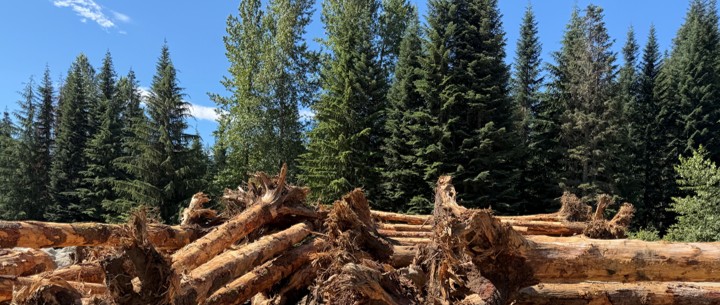
Crews broke ground this spring, filling and reshaping Gold Creek Pond — a legacy gravel pit from I-90's construction — while turbidity curtains, fish exclusion structures, and careful fish rescues protect bull trout and other aquatic species along the way. Boulders, logs, and root wads are being staged on-site to rebuild the log jams and side channels the creek needs to thrive naturally.

Because of the scale of the work, the U.S. Forest Service has a seasonal closure in place around Gold Creek Pond, with the site reopening December 1 for winter recreation. Restoration will continue over the next several years as part of the broader Yakima Basin Integrated Plan, eventually bringing a new ADA-accessible trail system to the valley — a great example of what patient, collaborative conservation can achieve.


11,180 Trees Have Landed


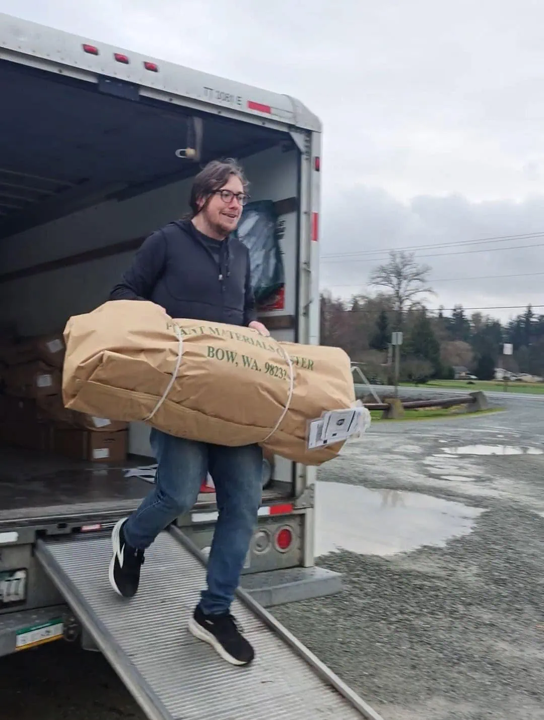
Remember when our team squeezed 11,180 native trees into two buzzing, rain-soaked days of deliveries last winter? Those trees are now in the ground at 27 parks across Washington, from Bellingham to Tacoma. Take a look at the map to see exactly where they landed — and the growing legacy taking root in your community.


Download the Evergreen Restoration Program Fall 2025-Spring 2026 Planting Sites (PDF)

Understanding the Real Carbon Cost of Growth

What does growth actually cost a community — not just in dollars, but in carbon? A student team from the University of Washington's Net Impact Consultancy Experience (NICE) explored that question by comparing the social cost of carbon in Shoreline and Sammamish.

Activism image

They found geography and development patterns shape costs differently: Sammamish's spread-out, single-family housing and longer commutes drove higher carbon costs from heating and transportation, while Shoreline's denser layout kept those costs lower — with tree canopy in both cities helping offset emissions. As the students note, it's not about right or wrong choices, but understanding the real tradeoffs behind them.


Looking ahead, the NICE team's takeaway is simple: our region will keep growing. The question is how, and whether the public understands the tradeoffs involved. A special thank you to the UW Net Impact Consulting Experience (NICE) Consultants: Uma Drinan, Britney Ikemura, Olin Blycker - we're incredibly grateful for their effort, time and talent.


Read more about their findings on our blog.

Facebook  LinkedIn  Instagram