|
A story is told of a young boy who began taking remedial classes in his school’s resource room. Day after day he attended, and yet the teacher could not find any learning difficulty at all. Finally, she confronted him: “You don’t need these sessions. Why are you here?” The boy hesitated and then whispered, “My friend does need help. His teacher told him in front of the whole class. He was so embarrassed. So, I told him it wasn’t a big deal, because I also take remedial classes. That’s why I’m here. So, he won’t feel alone.”
There are many lessons in that exchange - about friendship, about innocence - but above all about empathy: the extraordinary human capacity to feel another’s pain from within their frame of reference. As Henry David Thoreau once wrote, “Could a greater miracle take place than for us to look through each other’s eyes for an instant?”
This week’s parsha gives us a profound example of that miracle. When Moshe first ventures out from Pharaoh’s palace, the Torah records that “he saw their burdens” (Shemot 2:11). Rashi, citing the Midrash, explains that Moshe “gave his eyes and his heart to feel their distress.” The Midrash elaborates: he saw heavy burdens placed on the weak, and light burdens placed on the strong; men forced to carry the loads of women, and the elderly the loads of the young (Shemot Rabbah 1:27). And Moshe did not remain a spectator. “He set his shoulder to their burdens” (Ibid., 1:27). He quite literally entered their world.
It is this moment - more than any act of brilliance, pedigree, or charisma - that marks Moshe as a leader. As the Yalkut Lekach Tov observes, “Because Moshe shared the yoke of Israel’s suffering, he merited to draw them near to their Father in Heaven” (2:11). Empathy not only brings human beings closer to one another; it brings them closer to God.
The child in the story did not change his friend’s challenges. He did, however, change his experience. By refusing to let another feel shame alone, he altered the emotional landscape of that classroom. That is what empathy does. It does not always remove burdens, but it refuses to let them be carried in isolation.
In an age when noise, conflict, and indifference dull our hearts, empathy is increasingly countercultural. Yet it remains one of the few spiritual practices available to every one of us, every day. Not all of us can be Moshe Rebbeinu. But all of us can choose to see with another’s eyes, and in doing so, help another soul feel a little less alone.
Shabbat Shalom!
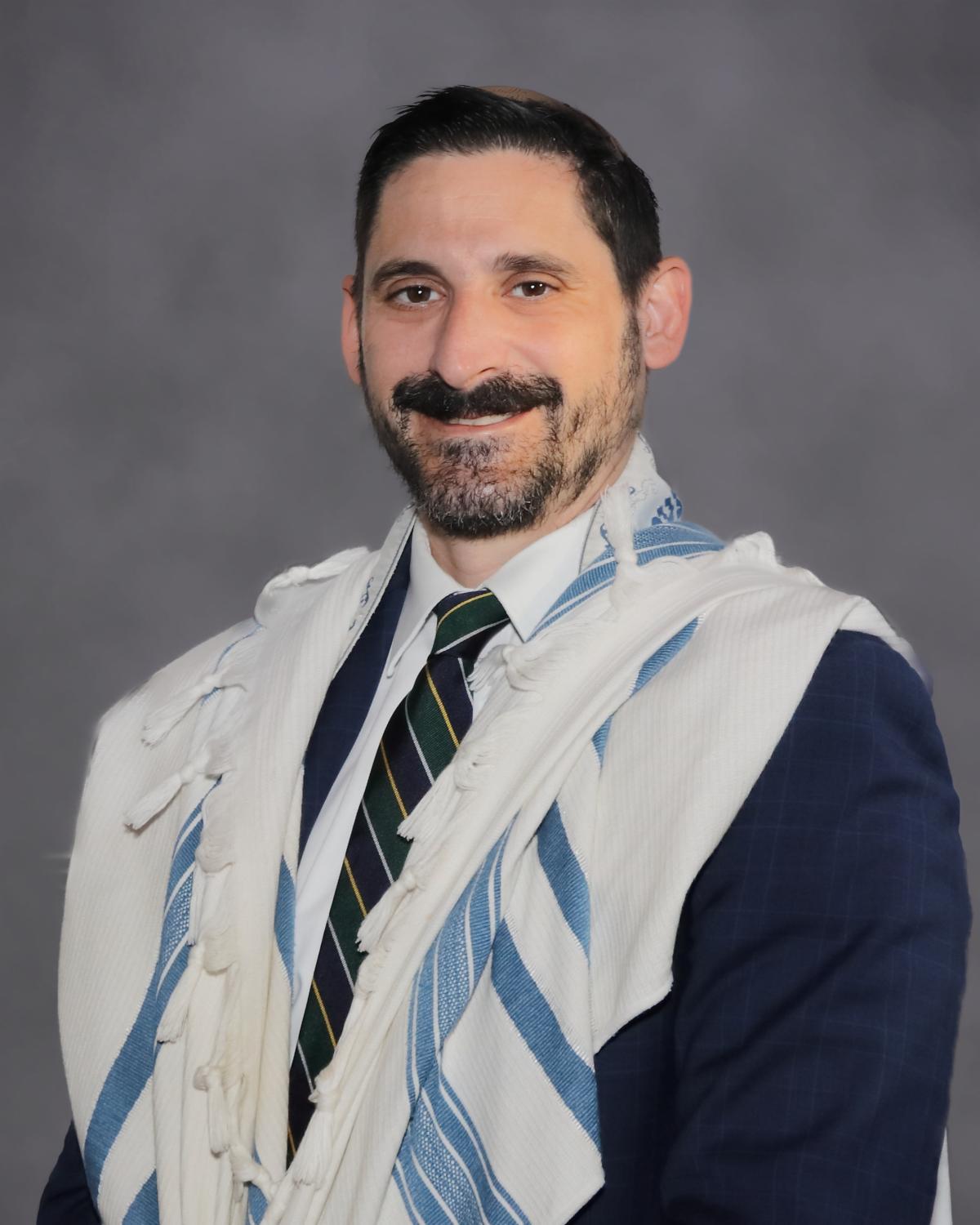
-Rabbi Dan
|