Vermont Public Health in Focus

Vermont Public Health in Focus highlights the work of your Health Department, both behind the scenes and in the field, by providing examples of how public health benefits entire communities by supporting the mental, physical, and social well-being of everyone in Vermont. Thank you for standing with us and supporting the work we do. 


In this month’s issue, we’re providing tips for how to handle drying wells and looking into how false claims about health spread, cause harm and what we can do to stop it.


See last month's edition here.

Drought and Drying Wells 

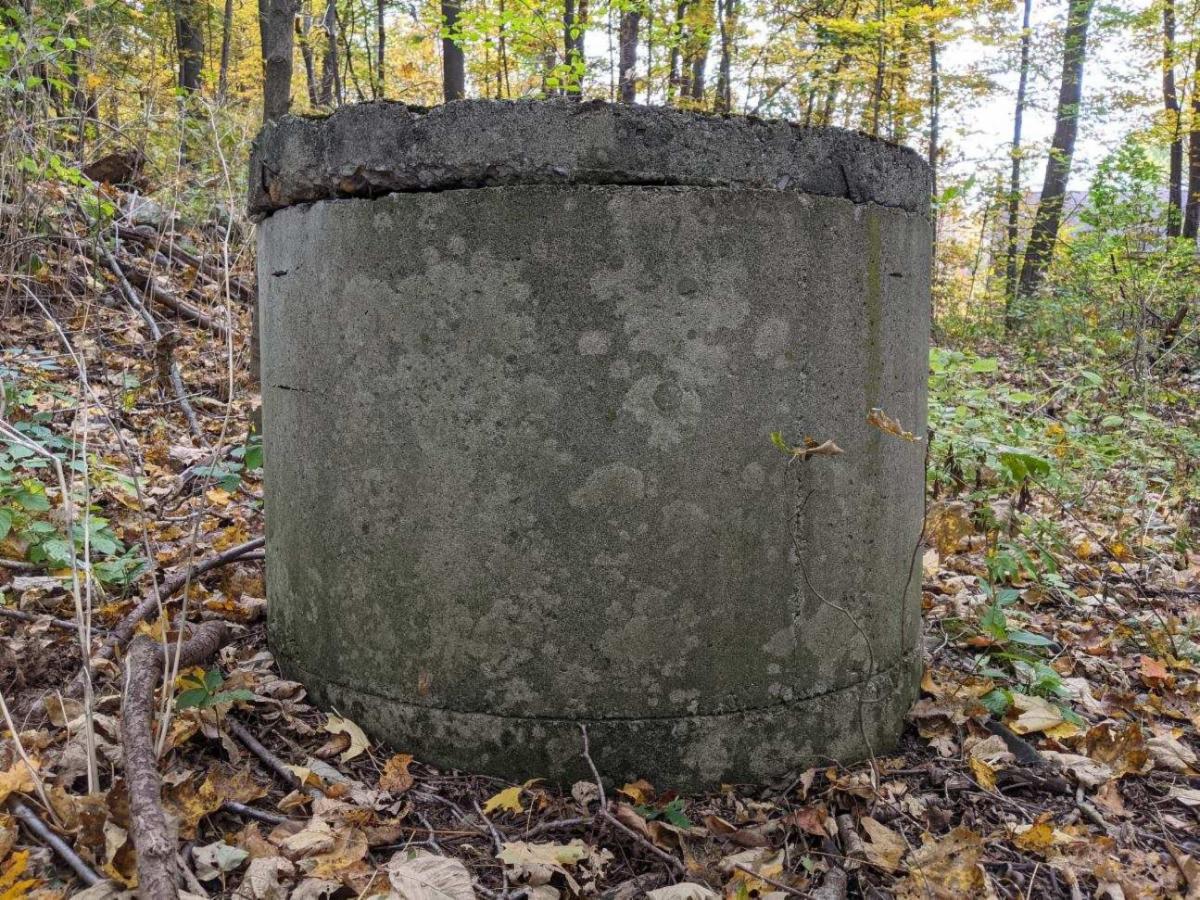
dug well

The lack of rain this summer has led to drought conditions across the state. Currently, almost all of Vermont is in a severe drought, and nearly a quarter of the state is in an extreme drought. Vermont needs a significant amount of rain to return to normal water levels, so the issues will likely worsen in the coming months. 


This drought has left more people in Vermont than ever before without reliable water or with no water, because their water sources are running dry. People who have shallow dug wells or springs are most impacted. But some people with deeper drilled wells are also without water. 


Learn more about how the Health Department can help people in Vermont with private water find safe, alternate water sources.


Have a well? Look for these signs that indicate that your well is starting to run dry:  

  • Low water level 
  • A drop in water pressure 
  • Air bubbles in your water 
  • Cloudy, “dirty” or sediment-filled water 
  • No water  


If you notice your well is drying, be sure to report it to the Agency of Natural Resources Drought Reporter to identify areas vulnerable to drought. 


It’s always a good idea to reduce your water use in drought conditions, but conserving water may not keep your private well or spring from running dry. Be sure to have a backup plan for getting drinking water in your area. 


Easy tips for how to conserve water: 

  • Take shorter showers.
  • Match the water level to the size of the load of laundry. 
  • Run the dishwasher with full loads only.
  • Turn the water off when brushing teeth, washing hands and doing dishes. 
  • Cut back on — or cut out — outdoor water use.

The Latest in Public Health

The Harms of False Claims about Health


It can be hard to know what’s true when it comes to health information these days. One topic recently in the news that is creating confusion is whether acetaminophen, commonly known as Tylenol, is linked to autism.


To be clear: there is no medical evidence that taking acetaminophen during pregnancy causes autism. This claim has been reviewed and rejected by trusted health organizations, including the American College of Obstetricians and Gynecologists. These groups have spent decades focused on the health of parents and children, using science and research to guide their recommendations. 


This is one example of how false claims about health can cause real harm. Some parents might feel guilty for using acetaminophen while pregnant, even though it’s safe. Others might avoid taking it, even if they really need it, which could harm someone who is pregnant and their developing baby.  Also, autism isn’t something that needs to be cured – it is an aspect of the diversity that makes us all human.  


False claims and misleading information can spread quickly and affect anyone. People often share them with good intentions, like: 

  • Wanting to protect loved ones.
  • Trying to make sense of confusing events.
  • Feeling good about sharing “new” or surprising information, especially if it seems like a solution.
  • Looking to connect with others who share similar beliefs.


Here’s how we can help slow the spread: 

  • Use terms like “misleading information” or “rumors” when speaking to someone who believes a false claim. This helps keep the conversation open and alleviates some of the embarrassment of believing it.    
  • Share accurate info from trusted, science-based sources.
  • Listen with empathy and avoid shaming – most people mean well.


By understanding why people share false claims, we can respond in ways that build trust and promote the truth. And as always, we encourage everyone to follow the guidance of science-backed medical organizations and talk with their health care providers about their personal health care. 

In the Media

Check out these recent local news stories featuring subject-matter expert interviews and information provided by the Health Department.


Facebook  X  Instagram  LinkedIn  Email  YouTube  Web