|
By Margaret Evans
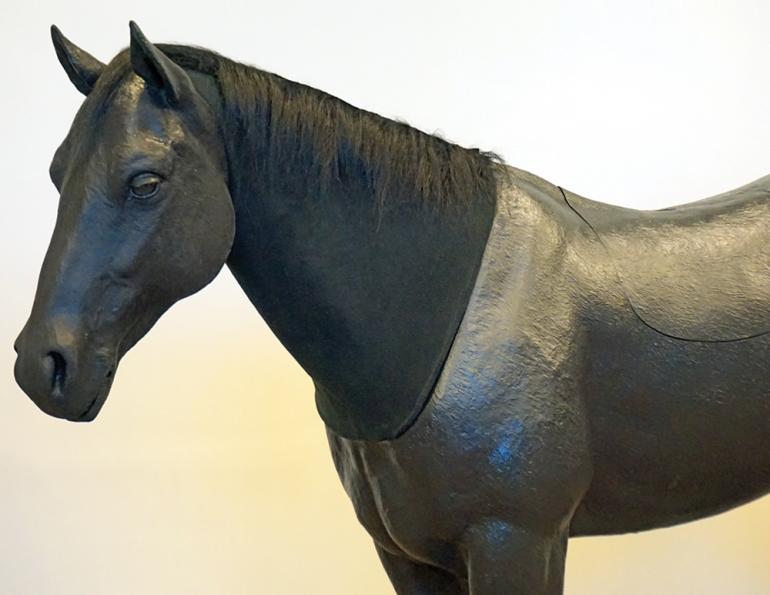
"I used to build props and worked in film and television production, and I had a shop in my garage at home," says Russ Gray, cofounder of Veterinary Simulator Industries (VSI) in Calgary, Alberta. "My neighbour was the dean for the University of Calgary's new Veterinary School. He knew that I built weird things, so he asked me if I could build the back end of a cow just to garner some interest for the new school at the agricultural fair in Calgary. He wanted the back end of three cows so that kids could reach up into the rectum and palpate a calf's head..."
That was 2009. In the past decade, the innovative partners have built a whole new generation of working models of cattle, horses, and more recently, dogs as educational aids for veterinary students. Their products are now marketed in 43 countries...
|
|
By Shawn Hamilton
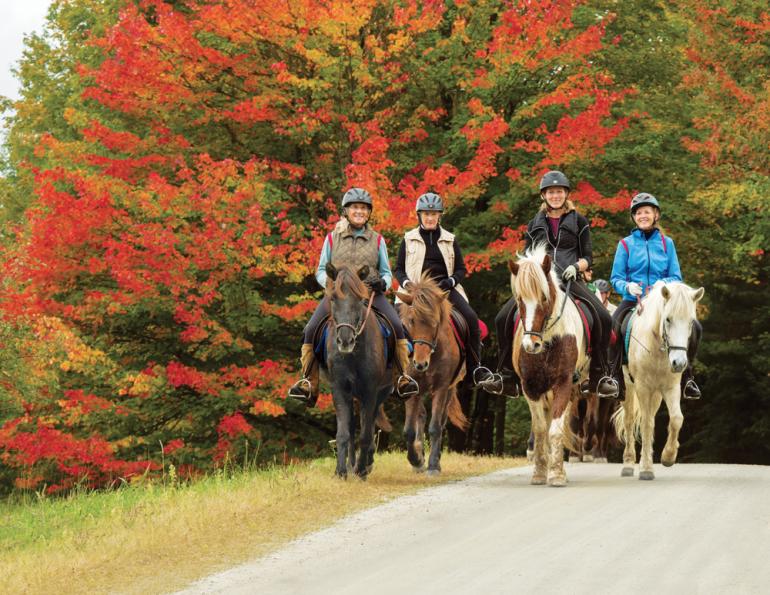
Autumn, one of the most colourful times of the year, is my favourite season for riding. The pesky bugs are gone, the air is crisp, and the horses are fresh and eager to head out on the trails. Nothing beats a good canter in the woods as the reds, yellows, and oranges of the leaves go whizzing by. Living in Ontario, we pride ourselves on the colourful vistas our province displays as the trees dress themselves in fall finery, but a hop across the border into Vermont provides the rolling hills of the Green Mountains as a scenic backdrop. And in my opinion, the best way to enjoy any type of scenery is from the saddle. So, after a little research, I found two gems in the Green Mountain state where one can enjoy the fall foliage from the back of a horse...
|
|
Source: Morris Animal Foundation
Latex exposure could be detrimental to a horse's respiratory health. That's the surprising discovery from Morris Animal Foundation-funded research at the Royal Agricultural University and University of Nottingham. While further investigation is needed, researchers say latex could be among the allergens responsible for causing severe equine asthma (sEA), a serious horse ailment with limited treatment options. The team published their findings in the Nature journal Scientific Reports.
The finding came from a larger study that applied a new, more-comprehensive microarray platform to determine the precise allergens within horses' stable dust that elicit sEA. Researchers tested nearly 400 extracts and proteins associated with the equine environment...
|
|
|
|
|
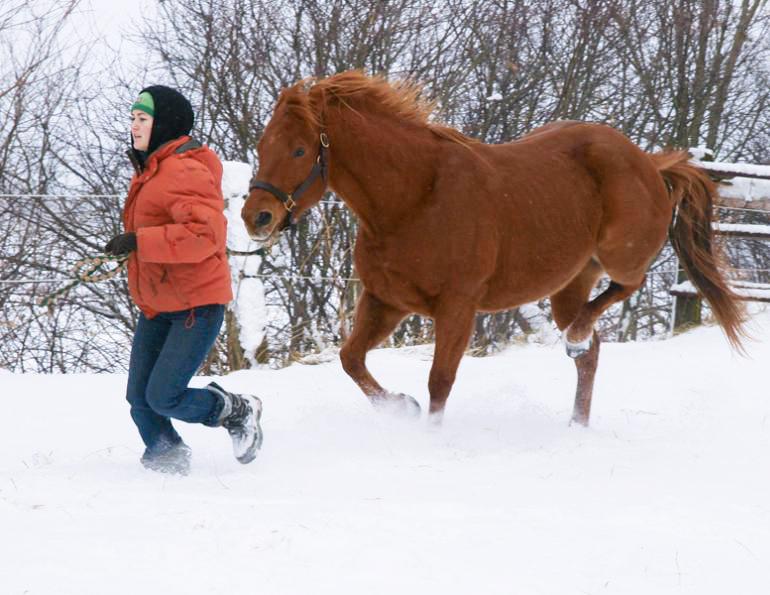
By Will Clinging
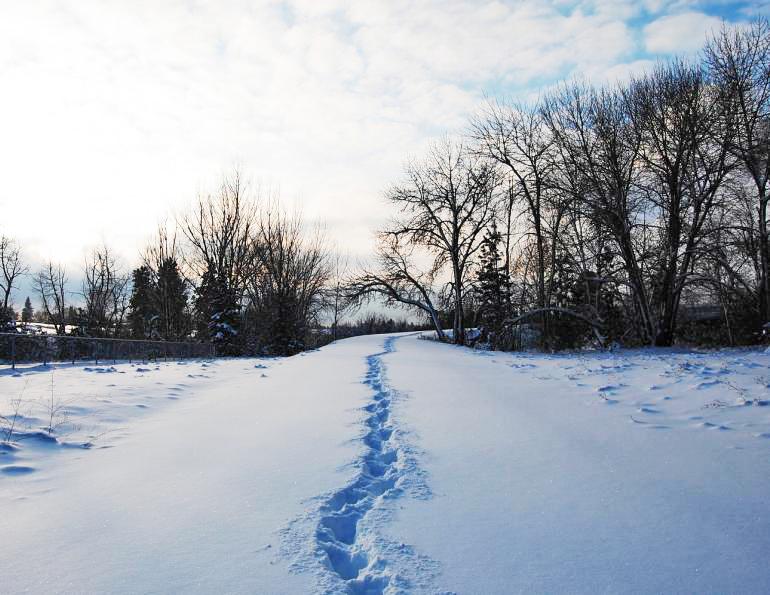
When I was younger and hardier, I was happy enough to ride in all kinds of weather. If truth be told, I have made my living riding and maybe I felt more obligated to ride rather than being happy to ride. Now that I am a bit older I've become a fair weather rider - or at least I'm not an extreme weather rider.
I used to have a cut off point at minus 25 degrees Celsius. I would use a hair drier to warm up the bit before I put it in the horse's mouth. I would ride in insulated coveralls, felt pack boots, deerskin mittens, a sheepskin hat, and ski goggles. I was a sight to see!
I did not enjoy those cold days when staying warm took all my attention and energy. When I was a cowboy it was different because livestock depended on me. Recently, I talked to a young cowboy who works for one of the big ranches in the area and he told me that every man on the cowboy crew has had frostbite this winter while straggling for stray cattle or working in the feedlot doctoring calves. Riding in the winter is part of the life of a cowboy.
|
|
By Dr. Colin Scruton, BVetMed, MS, MRCVS, DipACVS
Hind limb problems can be confusing to identify and even harder to diagnose in horses. Some conditions can lead to mechanical deficits or difficulty in certain movements without causing the classic pain-associated lameness. Stringhalt, fibrotic myopathy, shivers, and equine polysaccharide storage myopathy (PSSM) are four distinct diseases in horses that result in gait deficits. Accurate differentiation of these conditions allows for the most effective management to be used.
Stringhalt is a disease characterized by sudden hyperflexion of the hind limb at the beginning of the stride. The limb is seen to jerk towards the abdomen in the early phase of the stride. This is most commonly seen at the walk and can be intermittent or every stride...
|
|
By Hayley Kosolofski
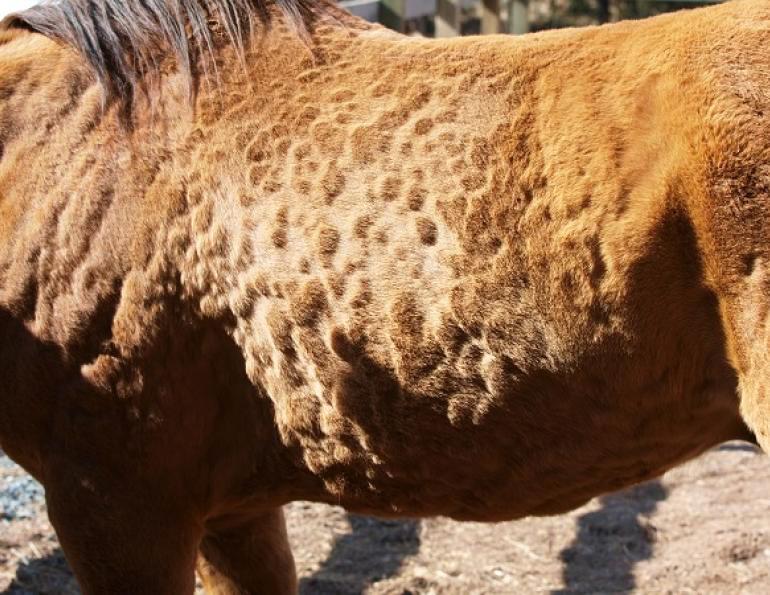
If you have ever owned a horse with a skin disease, you know from experience that these conditions are frustrating to manage - diagnosing them can be difficult, and their treatment is tedious. Worse yet, skin diseases can be painful for your horse if they cause lameness, or irritation under tack.
Dr. Michelle Husulak has seen her fair share of equine skin diseases during her work as a resident in equine field service at the Western College of Veterinary Medicine's Veterinary Medical Centre in Saskatoon, Saskatchewan. Husulak talks about diagnosing and treating four of the most common skin conditions that plague horses in Canada.
Pastern dermatitis goes by many names: scratches, grease heel, cracked heel, or mud fever. Veterinarians can rarely identify the cause of the disease, but the main suspects are bacteria and fungus...
|
|
By Dr. Wendy Pearson, Ph.D.
(Dr. of veterinary toxicology)
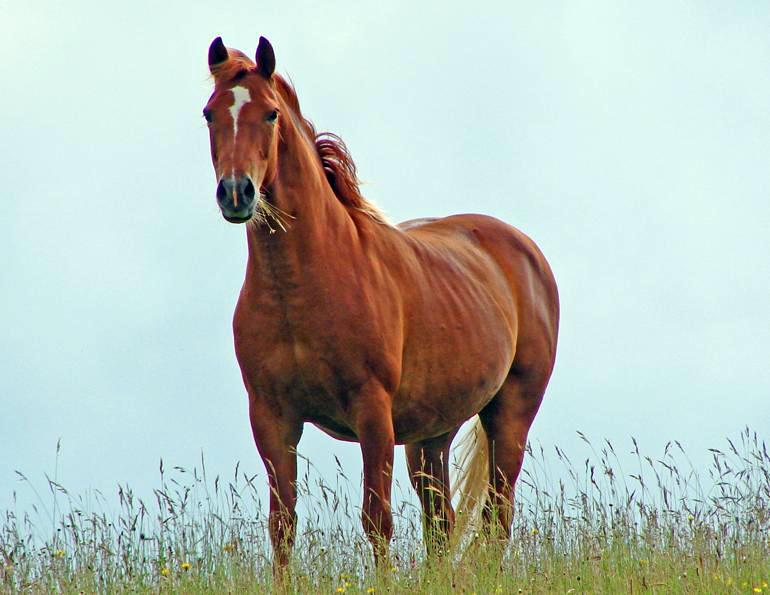
There are few things we humans are more sensitive about than our body weight. Where the rest of the world sees our gentle curves and happy smiles, we see lumps and wobbles and wrinkles. We generally have a far worse opinion of our own body condition than do any of the people around us. I would hazard that this is because our friends and family care about us and see the best in us, and recognize that while we may have a few extra curves we are healthy and happy, and that's what counts. And if anyone ever said things about our friends that resemble what we have said about ourselves, most of us would likely get pretty vocal about defending our friends.
And so it is with our horses. Our emotional connection to our horse often blinds us to his or her extra "fluffiness" - and a plague on anyone who dares suggest our Fluffy needs to shed a few pounds...
|
|
Source: TMI Medical Distribution Inc.
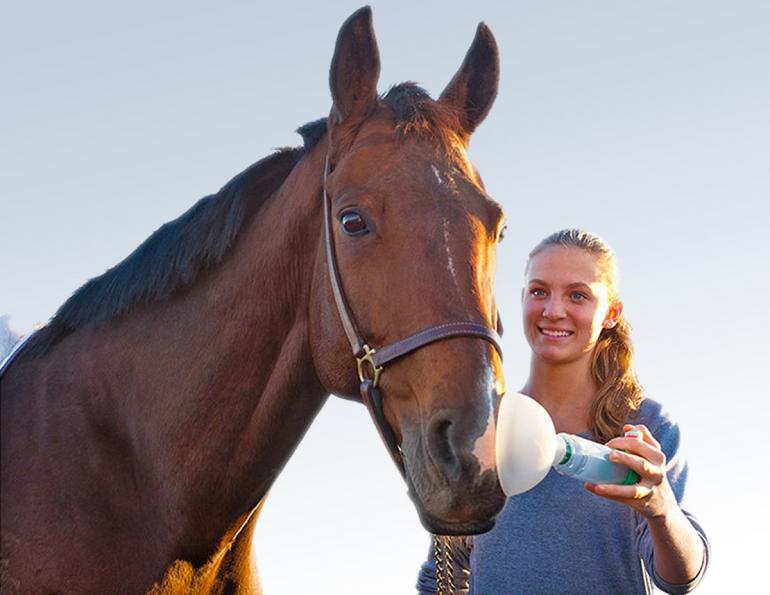
A diagnosis of asthma used to mean retirement for performance horses, or in some cases, euthanasia. But with advancements in research, good management, and the development of products that help coughing horses perform, now many riders can keep their wheezing horses comfortable and extend their lives.
Asthma - also known as inflammatory airway disease (IAD), heaves, broken wind, COPD, and recurrent airway obstruction (RAO) - is one of the most common respiratory ailments in horses, whereby the horse's air passages narrow and normal breathing becomes onerous. Depending on the horse, asthma may be mild, reducing the horse's ability to exercise, or severe, causing the horse to gasp for air...
|
|
1930. The Great Depression. Money wasn't flush anywhere. But savvy and successful businessman Conn Smythe had become the newly minted owner of the Toronto St. Patrick Hockey Club, or Toronto St. Pats. This hockey club was no slouch. It had won the Stanley Cup in 1922.
Smythe had two passions - ice hockey and horse racing. When the chance to buy St. Pats came up in 1927, he cobbled together a syndicate to purchase the club for $200,000, immediately renaming it the Toronto Maple Leaf Hockey Club.
Smythe wasn't satisfied with just owning a hockey team. He wanted a winner. To turn the Maple Leafs into Stanley Cup potential again, he needed a great defenseman. And he had an ace up his sleeve. Enter Rare Jewel...
|
|
I call it the lameness that is not really lameness. Sometimes, a horse develops an unexplainable hitch in his movement that leads to much head scratching from vets who, after an array of diagnostics, find no clear answers. The horse is described as being "not quite right," but beyond that, there is no reason or treatment.
This mystery lameness that produces an inconsistent limp during one or more gaits is often what we call "rein lameness." It is a disrupted gait pattern owing to muscular tension or imbalances that have reached a point of negatively affecting motion through the spine. The term "rein lameness" originated from the frequent occurrence of horses made sore from riders with too much rein pressure...
|
|
I have a confession to make. I am struggling. And in the interests of being open and honest, I am going to write all about it. Never being one to shy away from sharing even the deep, dark, and twisty parts of my journey with my horse, it only makes sense to share this part, too. Sure, it's scary, and it makes me feel vulnerable, but it's also cathartic and hopefully, will be helpful in solving the struggle.
A few months ago, they painted the jumps in the outdoor ring. Great right? Well, my mare, Fire, does not like change, especially when no one has consulted her about it. If anything is out of place, she is the first one to draw attention to it...
|
|
A horse and rider were struck by a Canadian National Railways train just outside Rayleigh in Kamloops, BC, on Sunday morning, January 12, 2020. Sadly, the horse, Rory, was found dead at the scene, and the rider, Jordan Camille, is recovering in hospital with numerous injuries including a broken shoulder, a concussion, and a lacerated kidney. Camille was attempting to find horses that had been reported to the Tk'emlups te Secwépemc band as being in distress. Weather conditions at the time were blizzard-like with limited visibility...
|
|
|
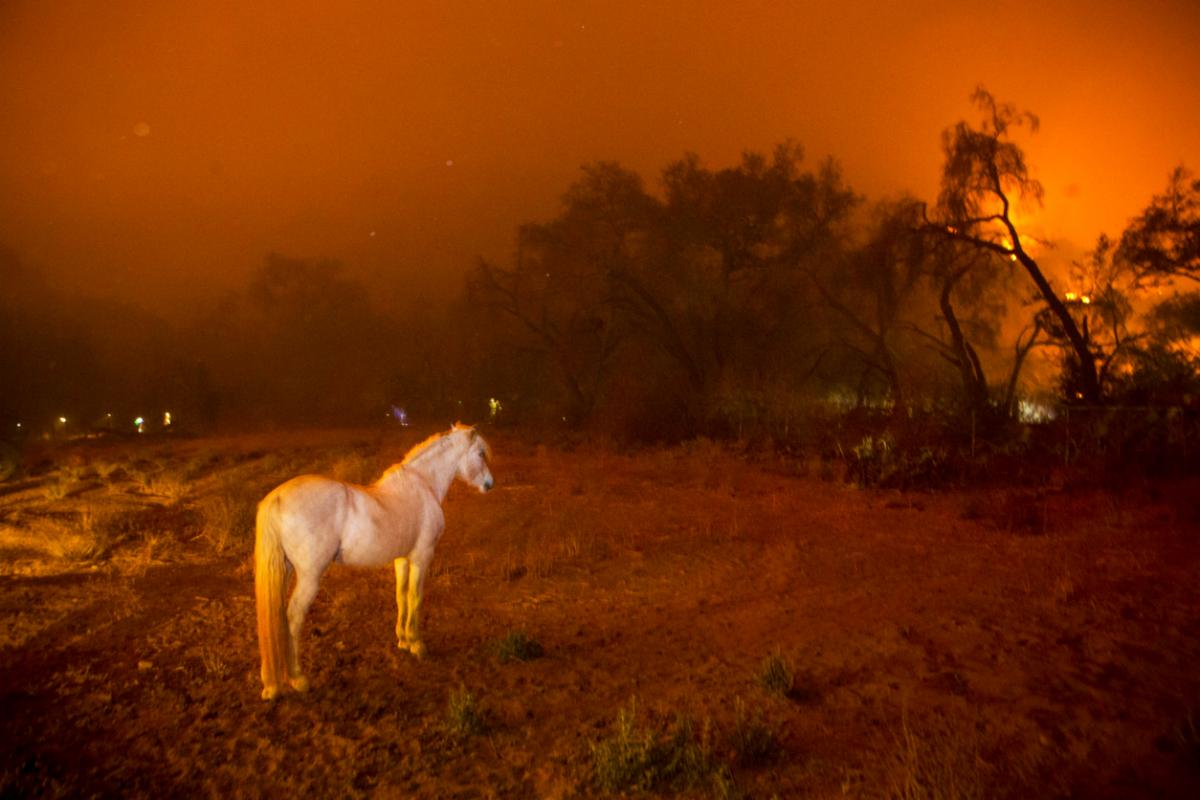
The Foundation for the Horse is accepting aid through its Disaster Relief Fund to support veterinarians working with wildlife, horses, and other livestock affected by the Australia wildfires, which have taken an unimaginable toll on the nation and its animals.
The Foundation, whose mission is to improve the welfare of horses, will match the first $10,000 in donations. All contributions will be distributed to the Australia Veterinary Association's Benevolent Fund to support the many veterinarians impacted by the fires or providing charitable care to affected animals...
|
|
January 15, 2020, Lexington, KY
- The Certified Horsemanship Association (CHA) has expanded its educational offerings on its YouTube channel again. These free resources are great for all ages and experience levels to watch and expand their knowledge, while keeping a focus on horsemanship safety. Viewers can watch all the videos, which cover a variety of topics and range from three to fifteen minutes in length by clicking on the links below.
|
|
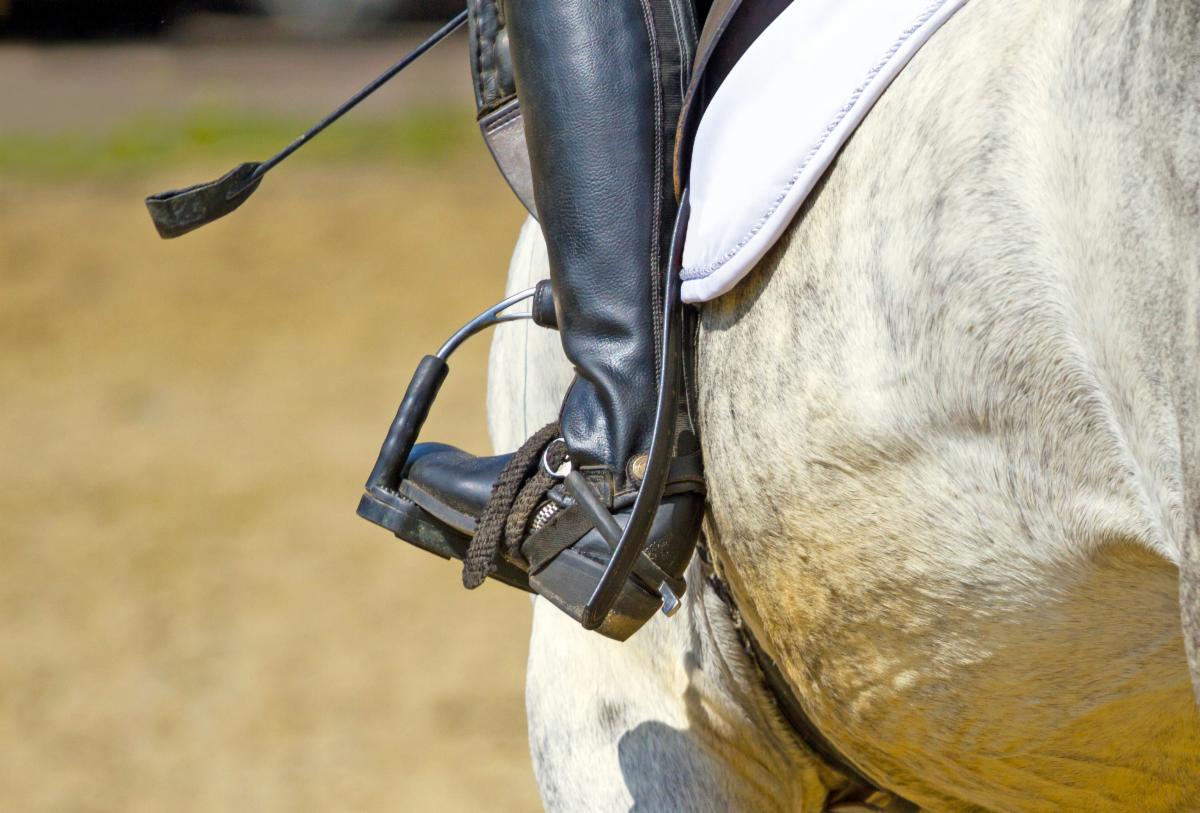
How Often Do You Use a Whip When Riding?
|
|
|
See what's happening on our social sites
|
|
|
|
|
|
|
|
|