|
Hello Great-Gardeners,
October has flown by fast this year. My daughter has had a marching band competition and practice every week. This weekend Licking Valley will be performing at Hilliard Bradley for States. It is their last competition of the season. I wish them lots of luck.
I want to introduce you to my new Boston Terrier, Bella. I decided my daughter's dog needed a friend in the house. They have become best buds in the week we have had her.
Every year at this time, we get the same questions.
- Can I trim back my perennials?
- Can I trim back my hydrangeas?
- Can I trim back my roses?
Right now, we are in a transition period between summer and winter. You want to avoid trimming anything at this point. If you prune, you may cause the plant to start growing again, and that new foliage will not have time to harden off before we get some hard freezes again. That new growth will get damaged, causing the plant stress or death. I have included an article from the OSU extension for when to trim trees and shrubs.
As always, if you have any questions, comments or suggestions, hit reply. I would love to hear from you. Have a great-gardening day.
Sincerely,
Holly
| |
When To Prune Trees & Shrubs | |
|
From The OSU Extension Service
The late dormant season is best for most pruning. Pruning in late winter, just before spring growth starts, leaves fresh wounds exposed for only a short length of time before new growth begins the wound-sealing process. Another advantage of dormant pruning is that it's easier to make pruning decisions without leaves obscuring plant branch structure.
Pruning at the proper time can avoid certain diseases and physiological problems:
-
To avoid oak wilt disease, DO NOT prune oaks from April to October. If oaks are wounded or must be pruned during these months, apply wound dressing or latex paint to mask the odor of freshly cut wood so the beetles that spread oak wilt will not be attracted to the trees.
-
To avoid the increased likelihood of stem cankers, prune honeylocusts when they are still dormant in late winter. If they must be pruned in summer, avoid rainy or humid weather conditions.
-
Prune apple trees, including flowering crabapples, mountain ash, hawthorn, and shrub cotoneasters in late winter (February-early April). Spring or summer pruning increases chances for infection and spread of the bacterial disease fireblight. Autumn or early winter pruning is more likely to result in drying and die-back at pruning sites.
- Some trees have free-flowing sap that "bleeds" after late winter or early spring pruning. Though this bleeding causes little harm, it may still be a source of concern. To prevent bleeding, you could prune the following trees after their leaves are fully expanded in late spring or early summer. Never remove more than 1/4 of the live foliage.
Examples Include:
· All maples, including box elder
· Butternut and walnut
· Birch and its relatives, ironwood and blue beech
-
Trees and shrubs that bloom early in the growing season on last year's growth should be pruned immediately after they finish blooming; otherwise, you will be cutting off next year's blooms. Never remove more than 1/3 of the live foliage.
Examples Include:
Lilacs, Azaleas, Rhododendrons, Pieris, Weeping Cherries, Forsythia, Fothergilla, Deutzia, Dogwoods, Magnolias, and Redbuds.
Pruning Evergreens:
With few exceptions, evergreens (conifers) require little pruning. Different types of evergreens should be pruned according to their varied growth habits.
- Spruces, firs, and Douglas-firs don't grow continuously but can be pruned at any time because they have lateral (side) buds that will sprout if the terminal (tip) buds are removed. It's probably best to prune them in late winter before growth begins. Some spring pruning, however, is not harmful.
- Pines only put on a single flush of tip growth each spring and then stop growing. Prune before these "candles" of new needles become mature. Pines do not have lateral buds, so removing terminal buds will take away new growing points for that branch. Eventually, this will leave dead stubs. Pines seldom need pruning, but if you want to promote more dense growth, remove up to two-thirds of the length of newly expanded candles. Don't prune further back than the current year's growth.
- Arborvitae, junipers, yews, and hemlocks grow continuously throughout the growing season. They can be pruned any time through the middle of summer. Even though these plants will tolerate heavy shearing, their natural form is usually most desirable, so prune only to correct growth defects.
| | |
|
Philodendrons
There are many types of philodendrons out on the market today. These popular houseplants are known for their easy care and exotic beauty. They come in various shapes, colors, and sizes and can be upright (doesn't require support) or vining (needs support).
Philodendrons grow best in medium to bright indirect light. They do not like wet feet and can tolerate it if you miss a watering.
The name Philodendron comes from the greek words Philo (love, affection, and dendron (tree).
Keep plants away from pets and children.
| | |
|
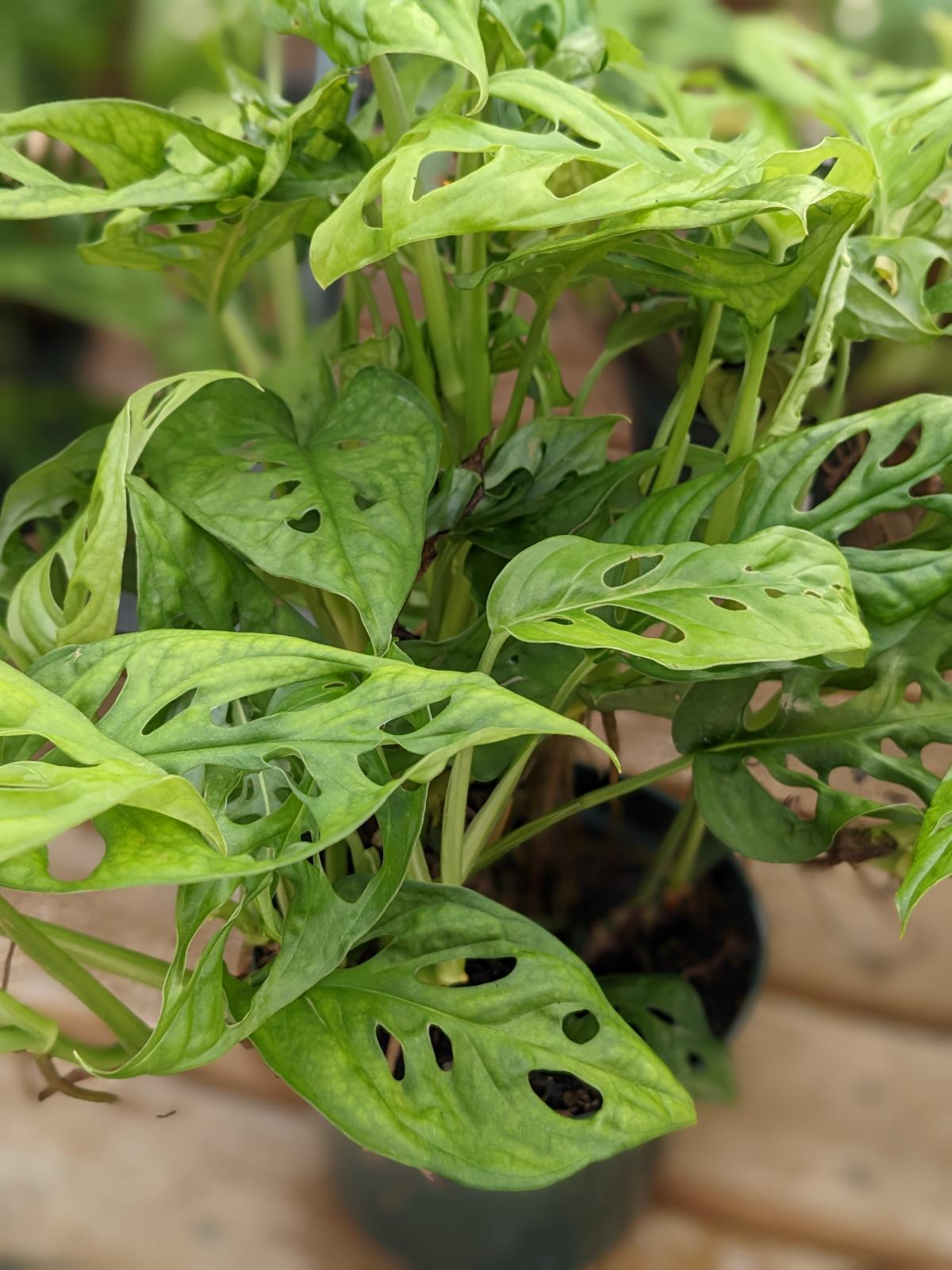
Philodendron 'Swiss Cheese'
The Philodendron Swiss Cheese is a member of the Monstera family that gets its name due to its leathery, heart-shaped leaves that develop perforations as they grow out, resembling the holes and perforations of its cheesy namesake.
Purchase Online Here
| |  |
|
Philodendron 'Dragon Tail'
A rare, hard-to-find tropical houseplant. Dragon tail leaves change shape as they mature. Young leaves are blue-green and oval-shaped, but as they age the leaves spread out and develop deep lobes. Mature leaves can be as big as 40 inches long and 20 inches wide.
Purchase Online Here
| | |
|
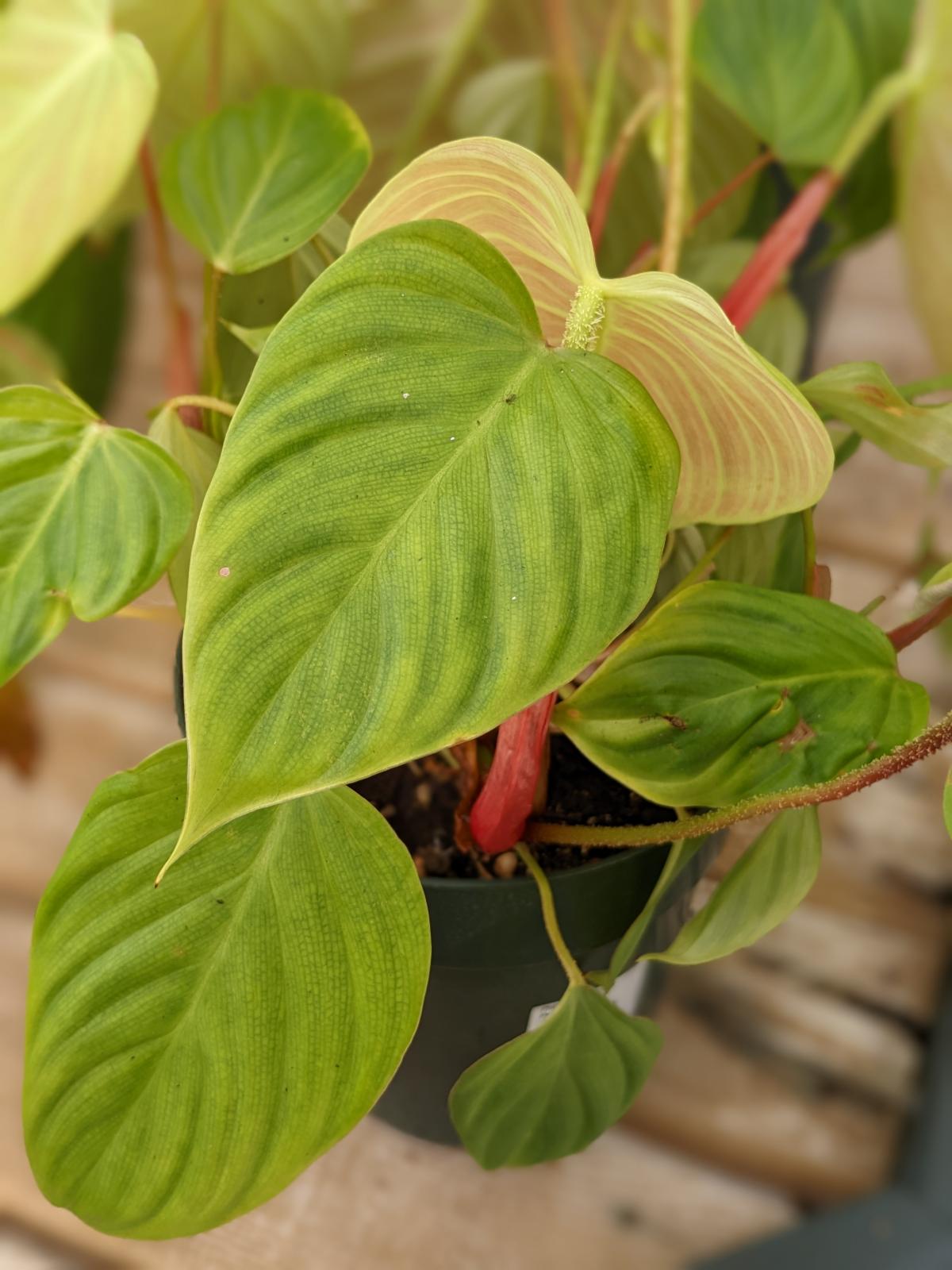
Philodendron 'Fuzzy Petiole'
A unique philodendron with petioles that are covered in fuzzy hairs.
Purchase Online Here
| | |
|
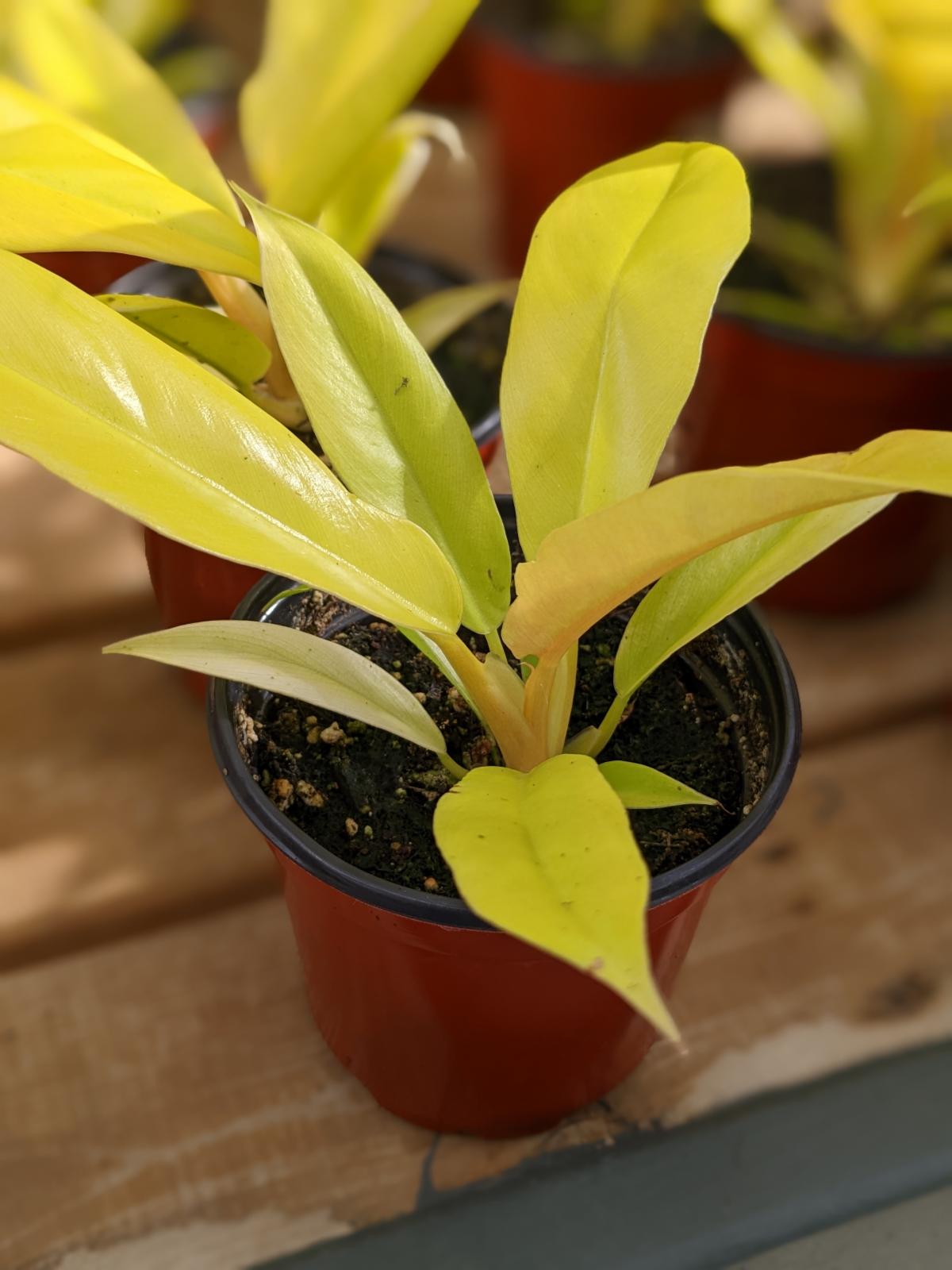
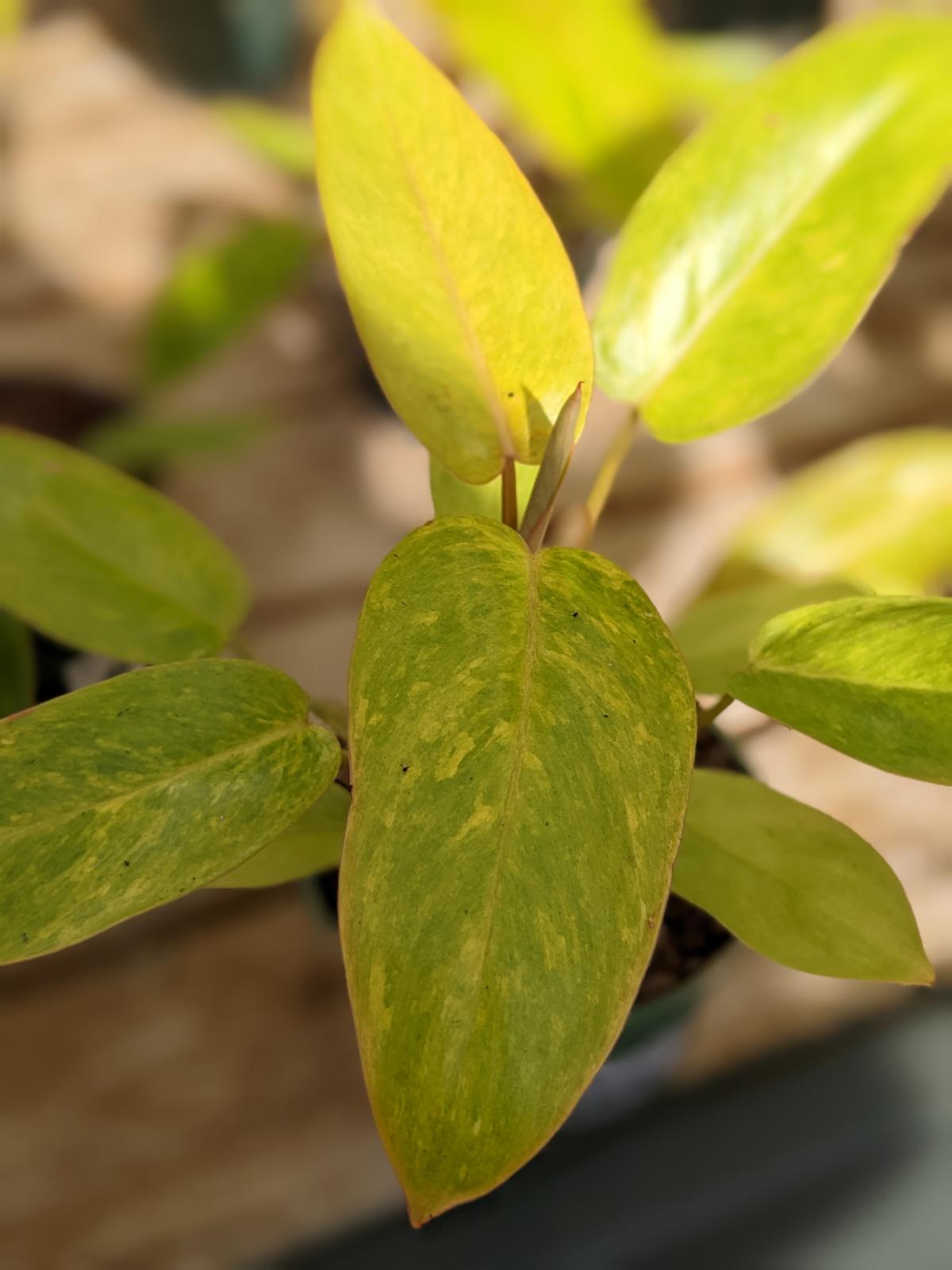
Philodendron 'Painted Lady'
A striking Philodendron with bright pink petioles and chartreuse leaves. New leaves unfurl bright yellow-green before fading to a deeper mottled green.
Purchase Online Here
| | |
|
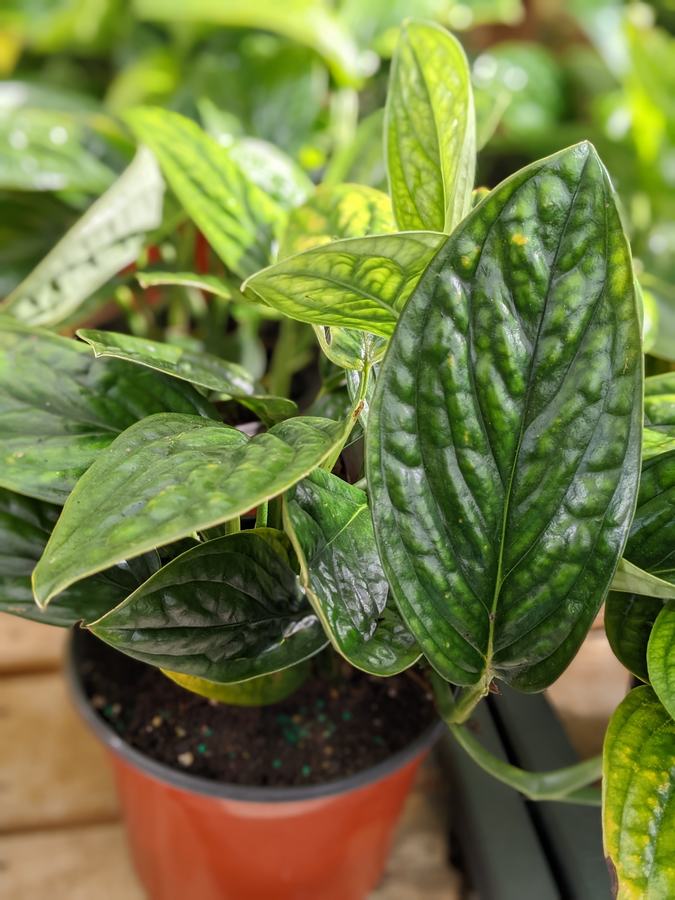
Philodendron 'Peru'
A unique rare philodendron that has textured leaves with deep green veining. Leaves feel like leather to the touch. Has an upward, vining growth habit and does well when supported by a moss pole or trellis.
Purchase Online Here
| | |
|
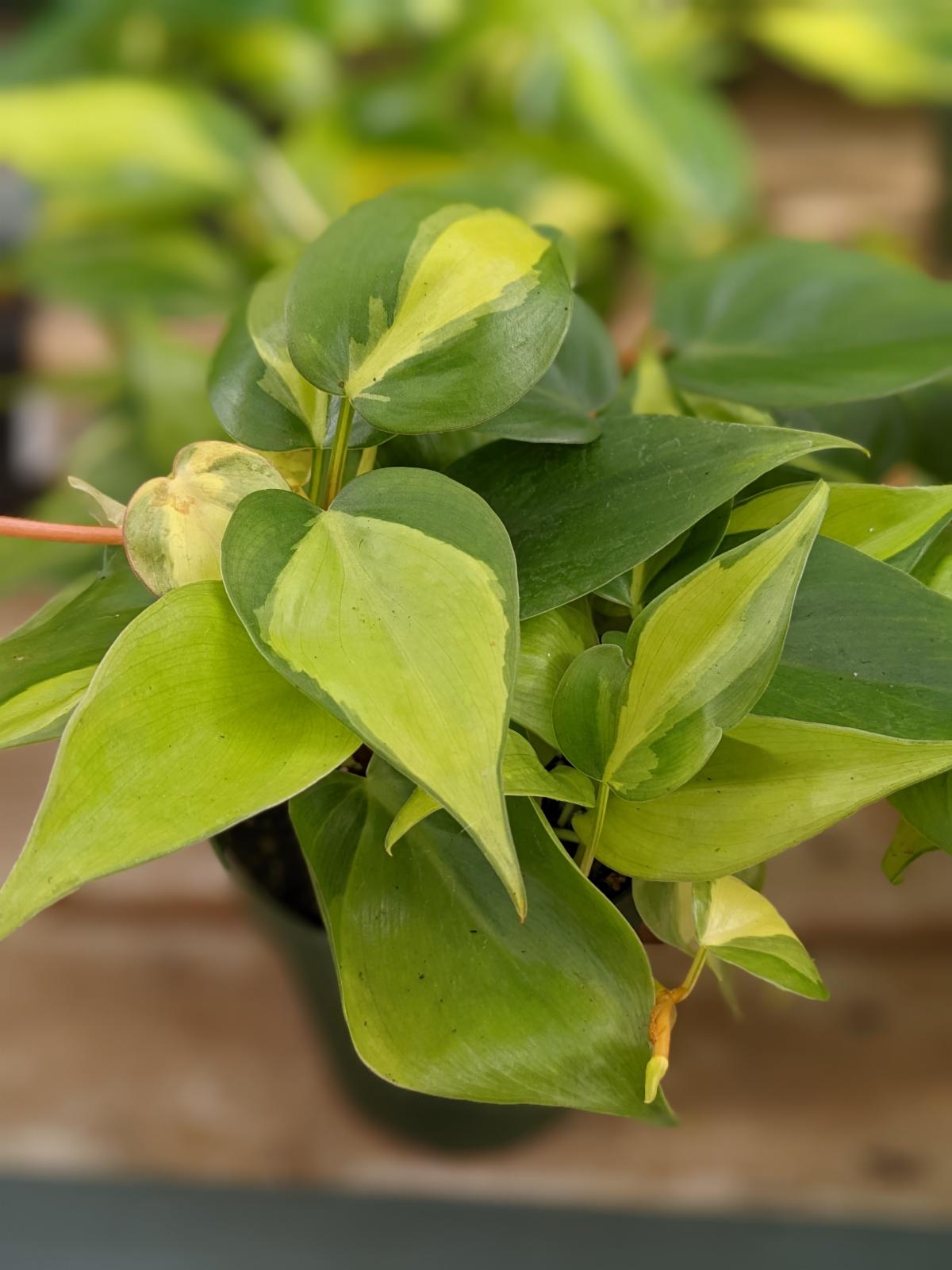
Philodendron 'Brasil'
Heart-shaped leaves in different shades of green and yellow, this trailing plant earned its name thanks to its close resemblance to the Brazilian flag.
Purchase Online Here
| | |
|
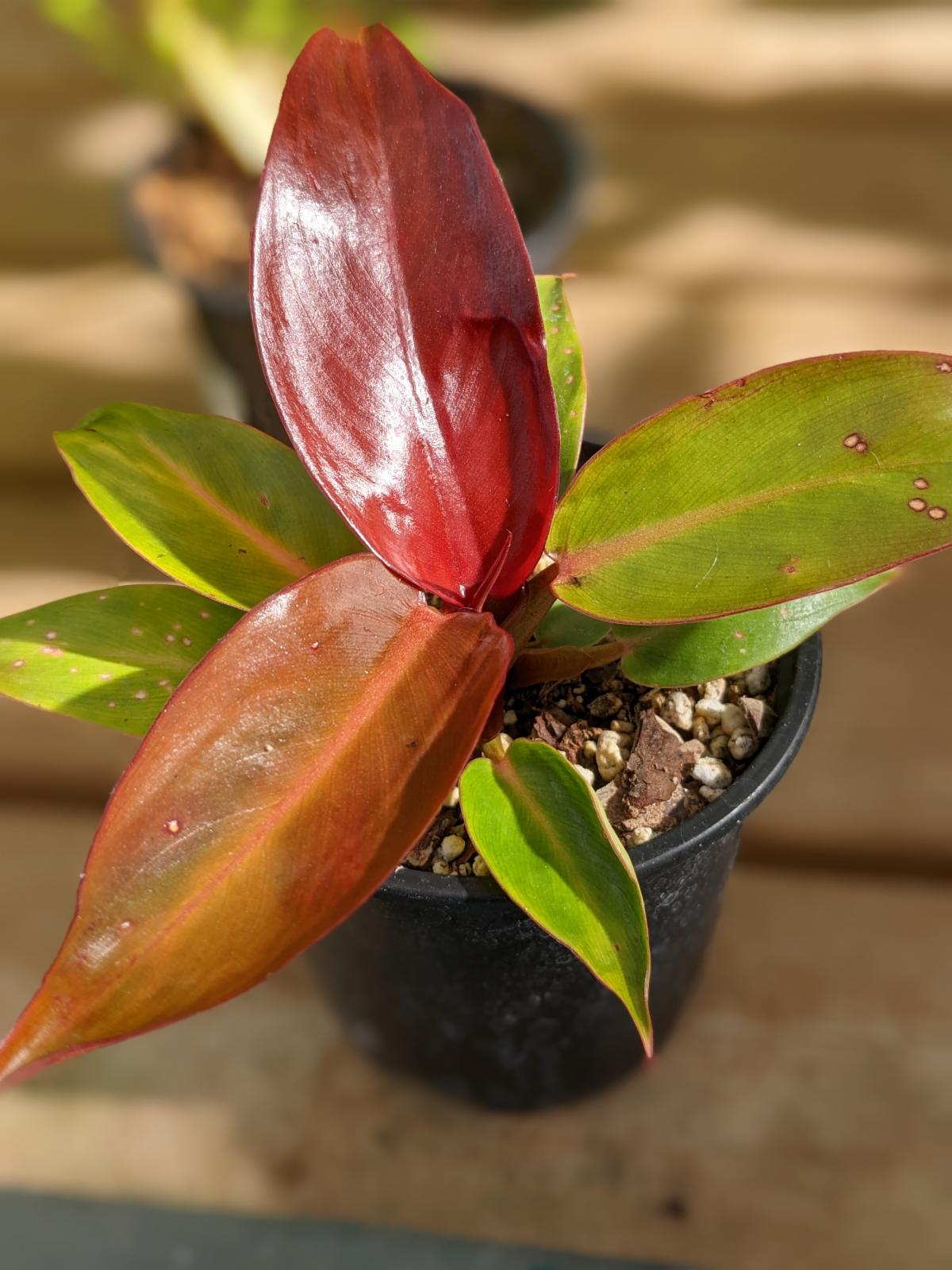
Philodendron 'Red Sun'
Features large, oval-shaped leaves. Young leaves start bright red, then turn to burgundy/maroon in color. When fully mature, leaves become lush green. This plant is stunning to look at.
Purchase Online Here
| | |
|
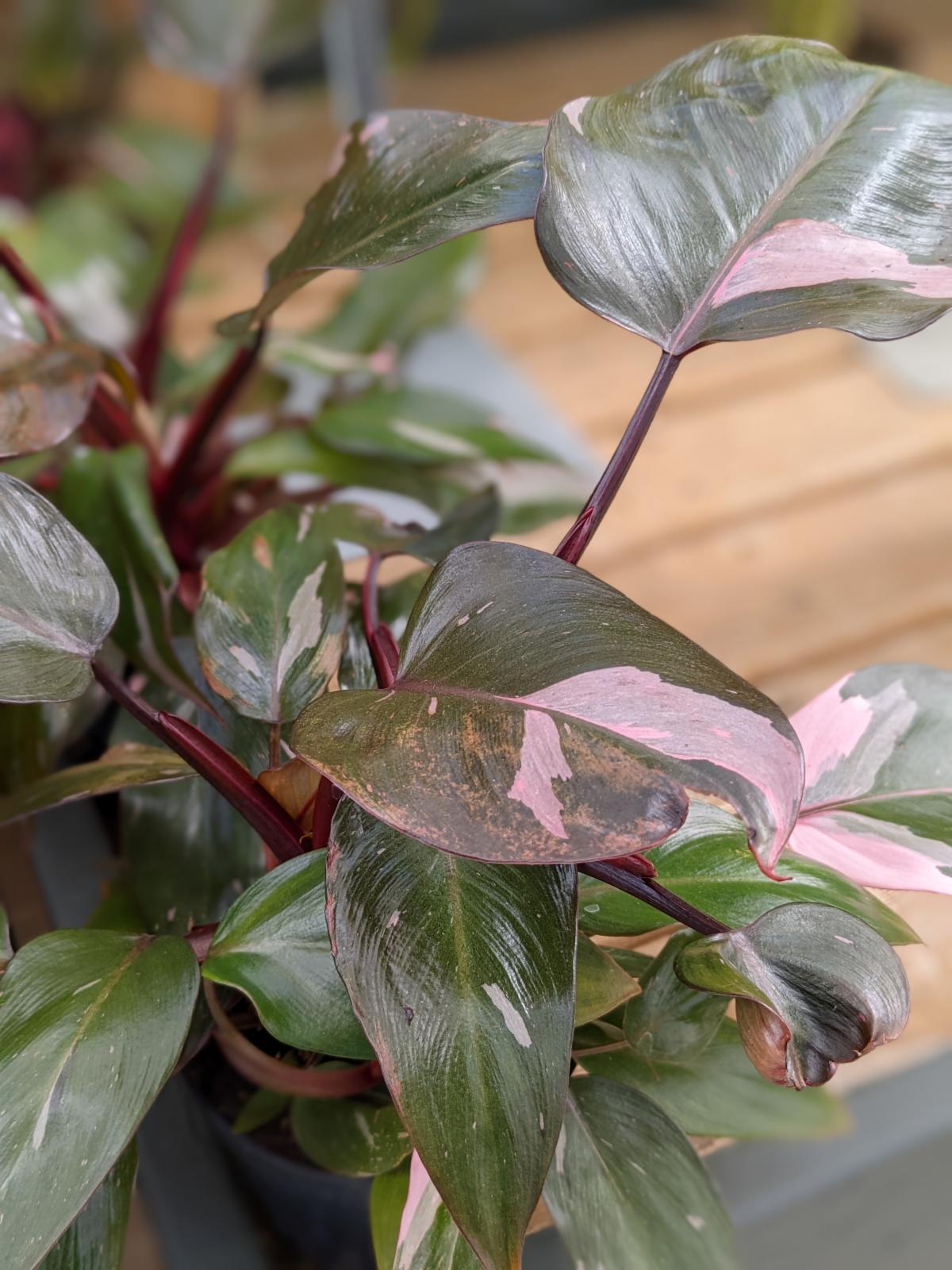
Philodendron 'Pink Princess'
Pink Princess has heart-shaped leaves with bubblegum pink variegation.
Purchase Online Here
| | |
|
|
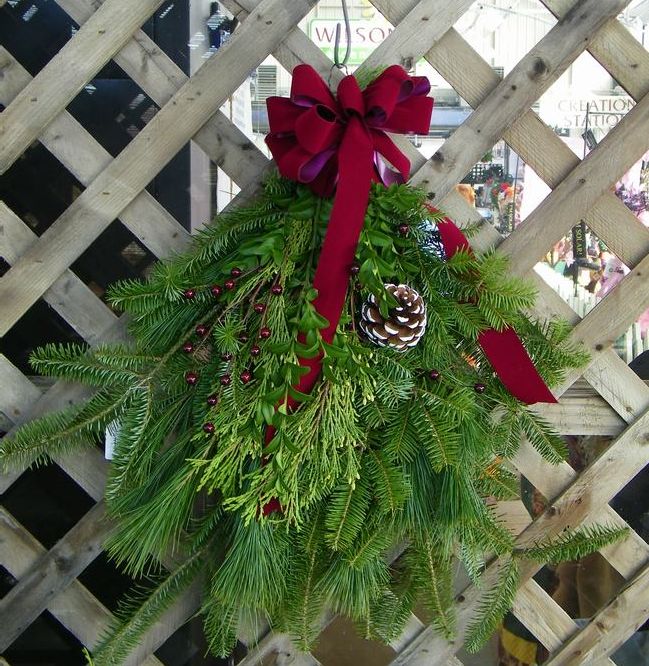
Fresh Greens Arrangements
Here at Wilson's Garden Center, we hand-make and decorate our Grave Blankets, Wreaths, Porch Sitters, Doors Swags & Center Pieces with you in mind.
CUSTOM ORDERS:
Unlike pre-made arrangements, custom ordering allows you to pick what color ribbon, berries, and pine cones you want on your greens, enabling you to match your home decor or add a little extra flair.
We take orders on a first-come, first-serve basis.
Starting November 1st
To place a Special Order, contact us at
(740)763-2873
(Ask For Greens Department)
Sorry, there are No Discounts Allowed On Specials Orders
PRE-MADE:
We will have a selection of pre-made memorial blankets, wreaths, porch sitters, and centerpieces on the sales floor starting mid-November.
Pre-made arrangements can not be customized and are sold as decorated.
| | | |
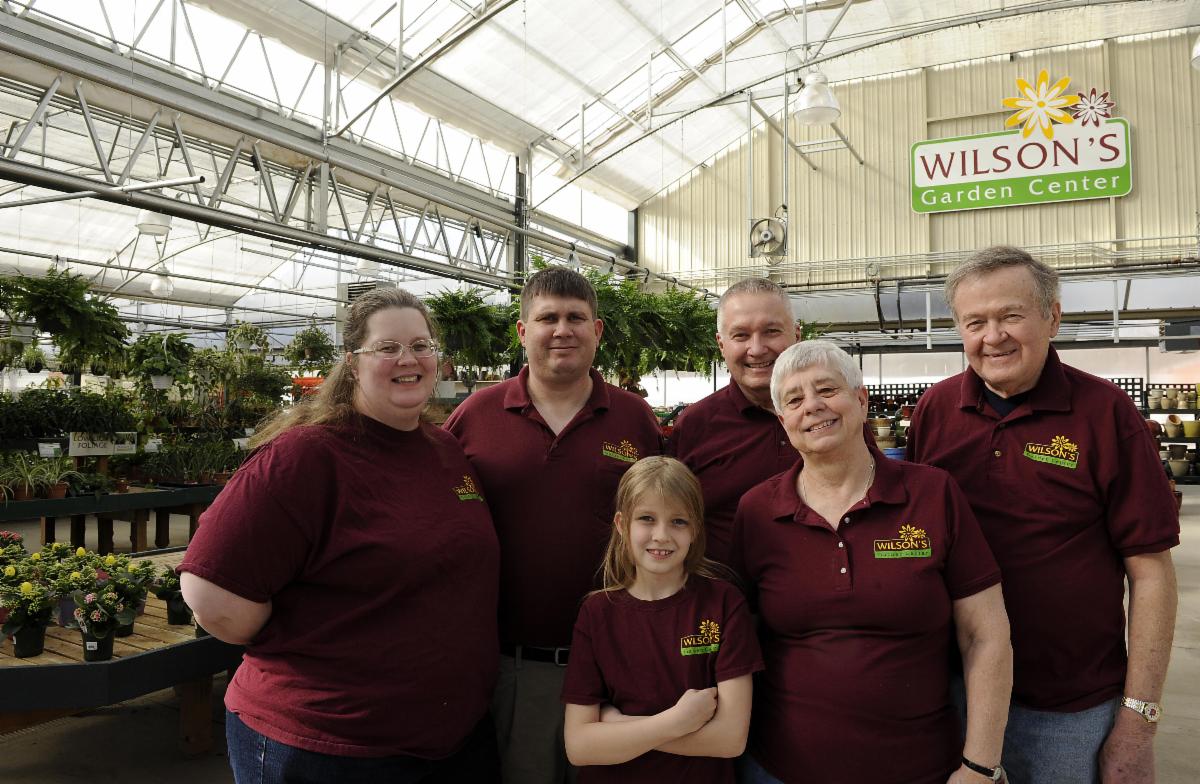
Wilson’s is a beautiful place for you to have a great time discovering beautiful plants and products that will delight your senses. We have full displays of the newest and best colorful plants that will energize you to get into your garden.
| | | | | |