|
When Yesterday’s A-Players Become Today’s C-Players
One of the most difficult realities for owners of $10 million to $25 million businesses is recognizing that a long-time high performer may no longer fit the role the company needs today.
They may be loyal, hardworking, and central to the company’s history. They may have helped you survive difficult years, satisfied customers, solved countless problems, and worn multiple hats. But as the organization grows, the job changes. The person who was an A player in a smaller, more entrepreneurial company can become a C player in a larger, more structured business—not because they are bad, but because the business has outgrown their capabilities.
The key is to separate appreciation for what someone has contributed from an honest assessment of what the company now requires.
The Role Has Changed
At $10 million, a department leader may succeed by being experienced, responsive, technically strong, and willing to jump into problems personally.
At $25 million, that same role often requires someone who can build systems, lead through others, manage measurable outcomes, develop supervisors, coordinate across departments, and improve performance without constant owner involvement.
The work may look similar from the outside, but the leadership capability required is very different.
Why Owners Delay the Decision
Owners often hesitate because the employee has earned trust and loyalty. The person may have been there from the beginning, worked through challenging periods, and become someone the owner depends on personally.
That history matters. But it should not override the needs of the business.
Keeping someone in a role they cannot successfully perform is not loyalty. It places them in a position where they struggle, frustrates capable employees around them, and keeps the owner involved in work that should be handled by the leadership team.
The question is not, “Were they valuable?” The question is: Can they consistently succeed in the role the company needs over the next two to three years?
How to Detect the Gap
A former A player may be struggling with the next-stage role when you see recurring patterns such as:
- They remain the bottleneck for decisions, approvals, customer issues, and problem-solving.
- The same quality, scheduling, customer service, labor, inventory, or communication issues recur without lasting correction.
- Their team lacks accountability, clarity, development, or confidence.
- They resist scorecards, documented processes, meeting rhythms, CRM discipline, or performance measurement.
- They are highly busy but do not produce measurable improvement.
- Strong employees leave, disengage, or bypass the leader to reach the owner.
- The owner continues to intervene in daily departmental decisions.
- Their department cannot operate effectively when they are absent.
A key distinction: a leader who struggles occasionally may need support. A leader who repeatedly creates dependency, confusion, and recurring problems may no longer be the right fit for the seat.
Options to Consider
The choice is not simply “keep them” or “let them go.” Owners have several options.
Develop Them. If the person has the desire, humility, and potential to grow, create a structured development plan. Define the outcomes they must own, the capabilities they need to build, the support they will receive, and the specific results expected within 90 to 180 days. Measure behavior and results—not effort or training attendance.
For example, an operations leader may need to demonstrate improved on-time delivery, documented core processes, stronger supervisor accountability, a reliable weekly scorecard, and measurable reduction in rework.
Move Them Into a Better-Fit Role. Some people are far more valuable as technical experts, relationship managers, estimators, project leaders, trainers, or quality specialists than as department heads. A reassignment can be a strong solution when it addresses a real business need and allows the employee to use their strengths. It should not become a vague “special projects” position created to avoid a difficult conversation.
Add a Stronger Leader. Sometimes the business needs a more experienced leader above or alongside the current person. A long-tenured production manager, for example, may continue leading day-to-day execution while an experienced operations leader takes responsibility for capacity planning, cross-functional coordination, process improvement, leadership development, and operating performance. This can work only if roles, decision rights, and reporting relationships are clear.
Make a Respectful Transition. If the person cannot grow into the role and there is no meaningful alternative seat, a transition out of the business may be necessary. That decision should be respectful and direct. Appreciate their contribution, explain that the company’s needs have changed, and avoid vague or prolonged conversations that create false hope.
Why Upgrading Matters
The cost of leaving the wrong person in a key seat compounds quickly in a $10 million to $25 million company.
- Growth slows because the organization cannot execute consistently.
- Margins erode through rework, overtime, poor pricing discipline, weak productivity, and recurring mistakes.
- The owner remains trapped in firefighting instead of leading strategically.
- High performers become frustrated when standards are inconsistent.
- Culture becomes political when long tenure receives more protection than performance.
- Customers experience inconsistent quality, communication, delivery, or service.
At this stage, the business does not need more heroes. It needs capable leaders who can create repeatable results through people, processes, and disciplined execution.
The Right Standard
Evaluate the seat first, then the person.
Define what each leadership role must produce. Clarify the required competencies. Use scorecards and direct feedback to assess results. Then ask whether the current person gets it, wants it, and has the capacity to perform at the needed level.
The goal is not to discard people who helped build the company. The goal is to give people the best opportunity to succeed while ensuring the business has the leadership capacity to reach its next level.
A former A player is not necessarily a bad employee. But in a company growing from $10 million to $25 million, past performance alone cannot determine future role fit.
The question isn't whether you should make this shift. It is what's keeping you from starting today?
Question for You to Ponder
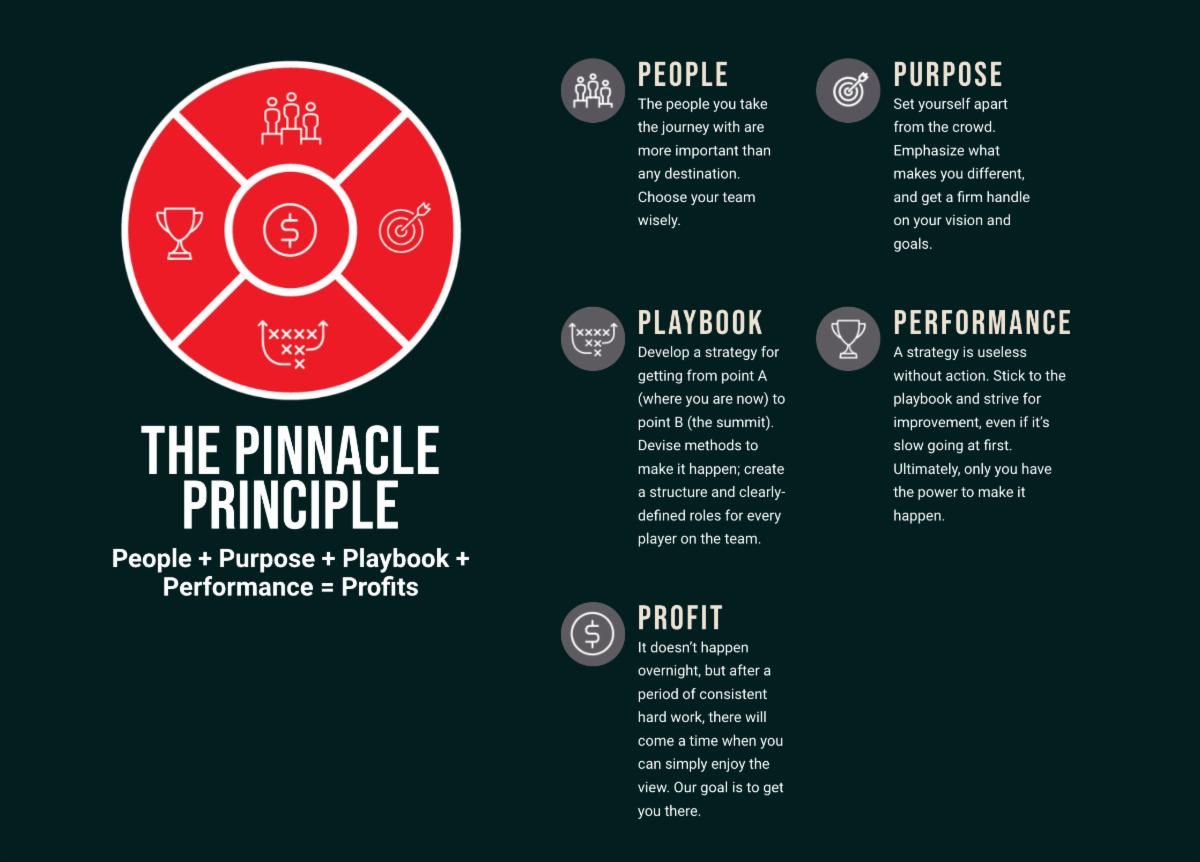
Are you ready to lead your business to its Pinnacle?
Outcome (if you act)
More profit and a better quality of life.
Call to Action
-
Ask me for a copy of the Path to Pinnacle
- Schedule a Meeting with Me
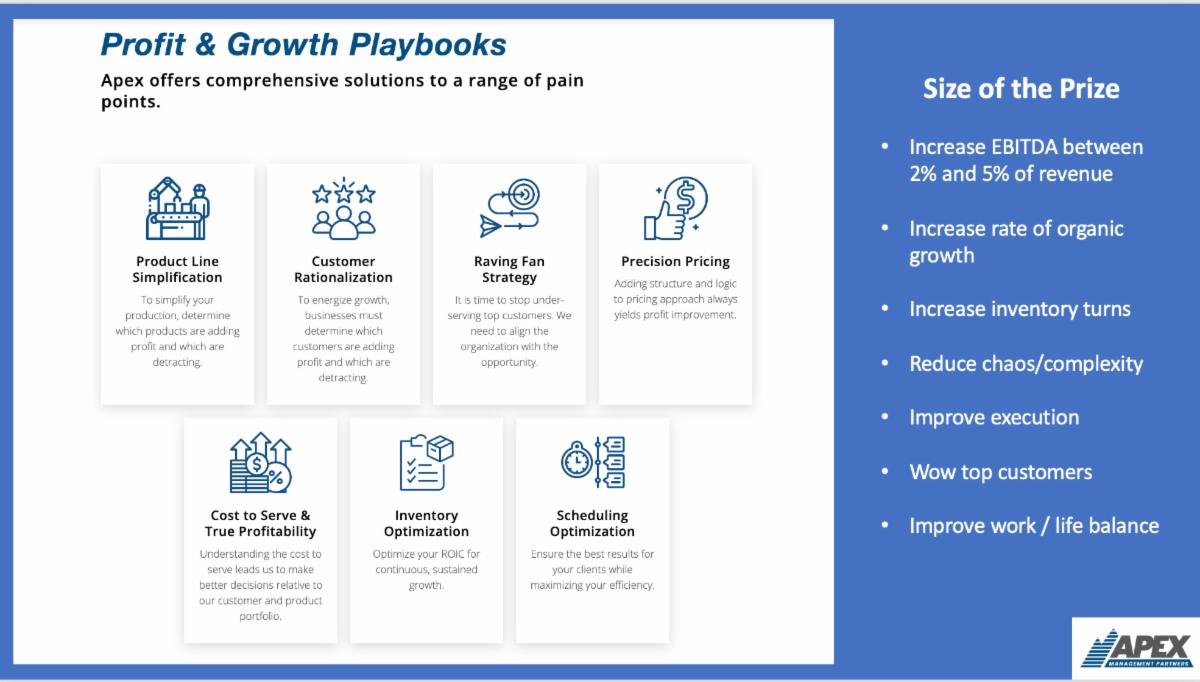
Our Mission: Accelerate Profitable Growth and Improve Execution
|