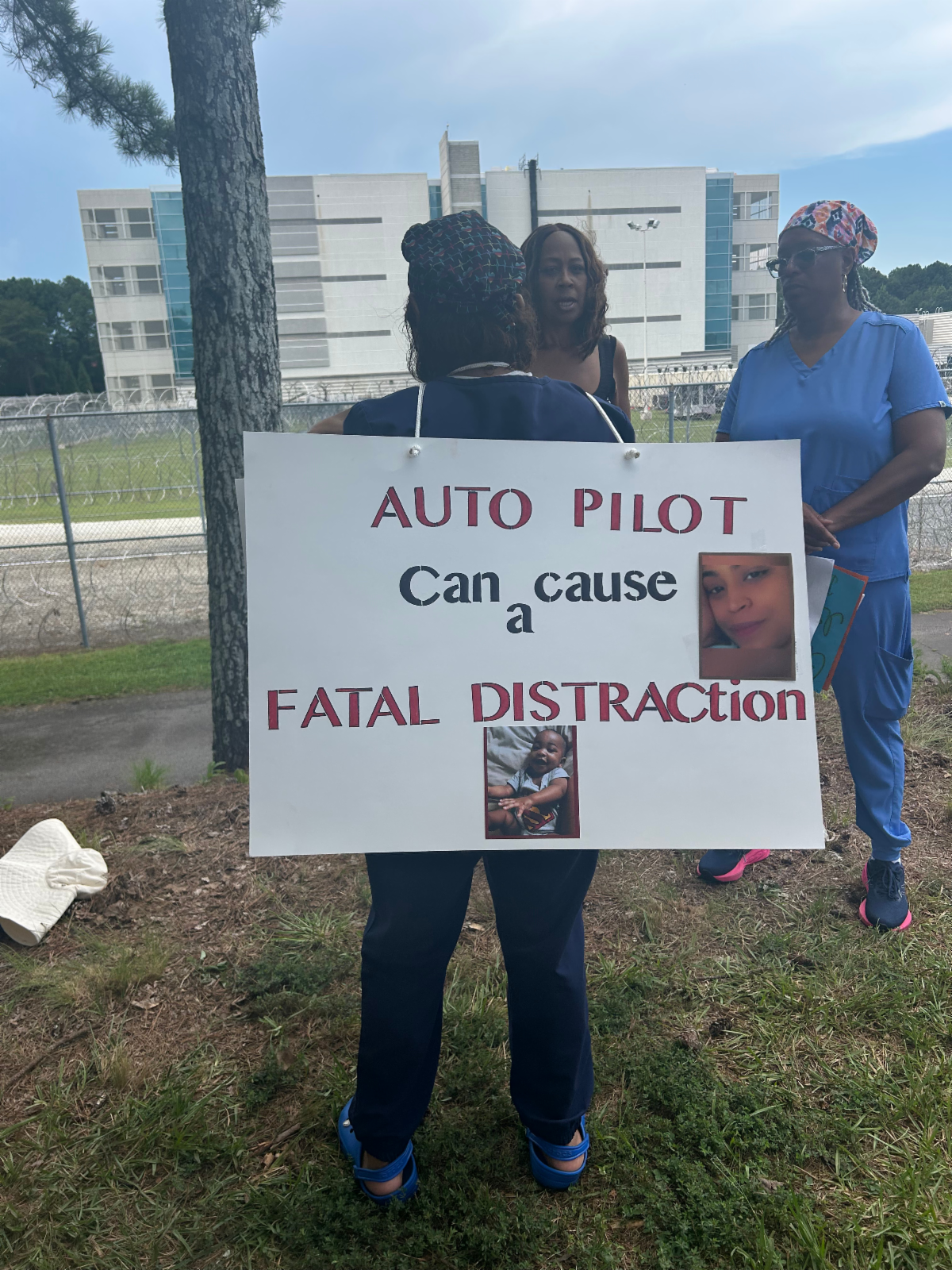
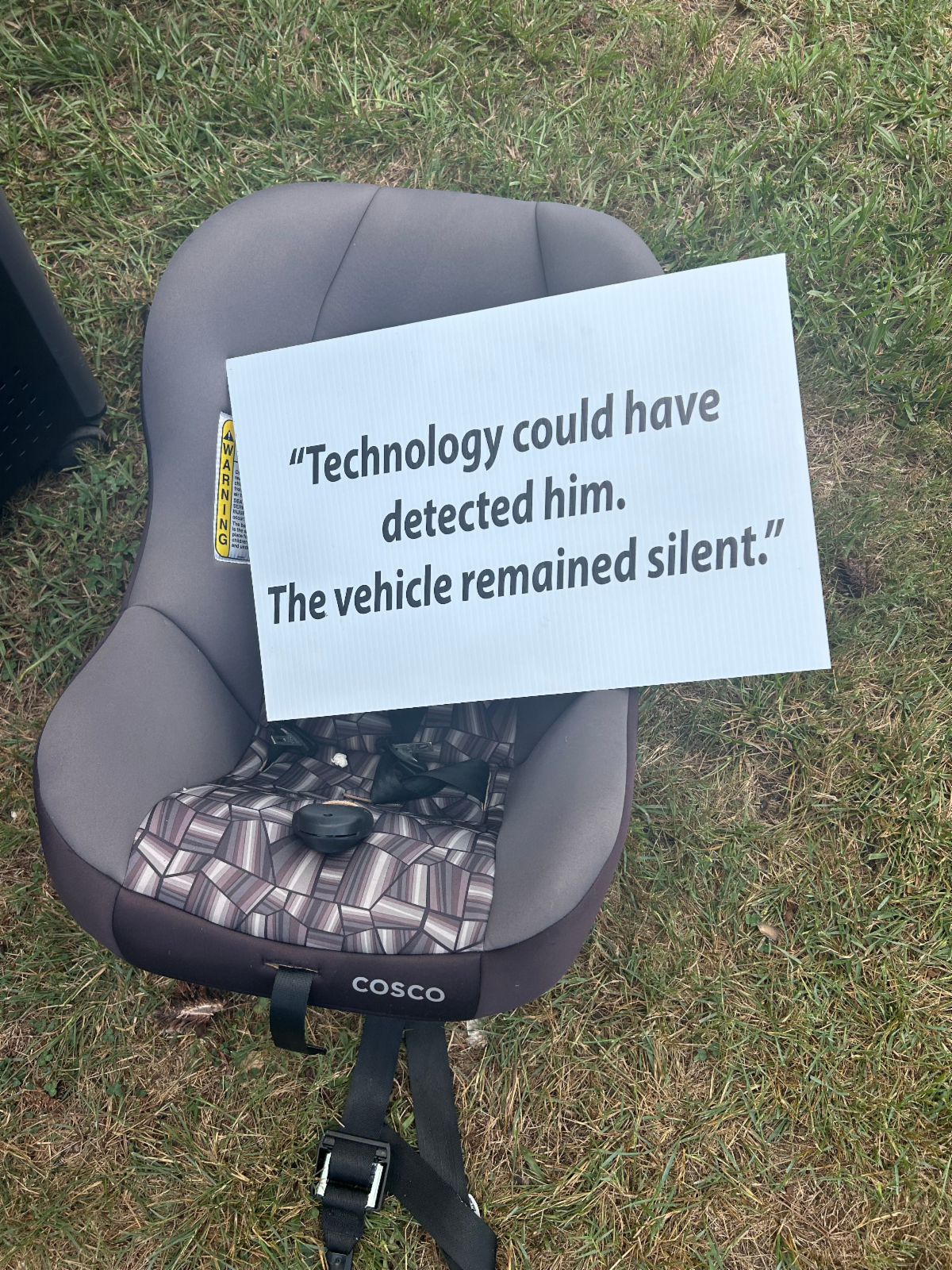
|
Coleman is not alone.
Daniel became one of 17 children already this summer to die in a hot vehicle.
Parents and caregivers across the United States have faced criminal prosecution after unknowingly leaving children in vehicles. Yet despite decades of prosecutions, children continue to die in hot cars year after year.
Almost weekly, a child dies inside a hot car in the United States. Hundreds of fatalities have also happened across the globe.
These tragedies cross virtually every demographic, geographic and socioeconomic line.
They have happened to teachers, police officers, nurses, construction workers, attorneys, judges and even a NASA engineer.
The common denominator is not a particular type of parent. It is the vulnerability of human memory.
Under certain conditions, including severe fatigue, sleep deprivation, stress, a disruption in routine and a quiet or sleeping child, the brain can revert to habitual behavior while failing to execute a planned future action.
Neuroscientist and memory expert Dr. David Diamond has studied these cases for decades and describes the phenomenon as a catastrophic failure of prospective memory.
The result can be particularly difficult for the public to comprehend because the parent may not simply “forget” the child in the ordinary sense. The brain can instead create the devastating belief that the intended action, such as dropping a child at daycare, has already been completed.
That helps explain one of the most troubling aspects of these tragedies: loving, attentive parents can go for hours believing their child is somewhere safe.
Yet most parents remain convinced it could never happen to them.
That belief, advocates warn, may itself stand in the way of prevention.
When hot car deaths are portrayed primarily as the actions of negligent or irresponsible parents, other caregivers can distance themselves from the risk: I would never do that. I am a good parent.
But decades of cases tell a different story.
|