London Inc Ad_1.png
in partnership with.png

PRODUCTIVITY

Your apathy is trying to tell you something

Feeling a little burned out? Surprisingly, you might need more work to do

MANAGERS AND EMPLOYEES can no longer ignore burnout as a serious workplace concern, as the affliction has seen a huge spike in awareness (especially since the start of the pandemic). But what causes burnout remains difficult to identify.


One of the great paradoxes of burnout is that it isn’t just about being overloaded. For some, it’s too much work, or deadlines are too tight — and it might be best addressed with a little R&R.


But for others, it’s the exact opposite: to avoid burnout, they might actually need more work, because the problem isn’t that they are burned out, it’s that they’re bored.


“We see burnout as the result of doing too much and boredom as the result of doing too little,” writes Caroline Beaton in Psychology Today. “In fact, neither state is related to quantity of activities so much as what we’re doing. Boredom stems from uniform, repetitive tasks. No matter how many emails we have to answer, we’ll be bored if all of our tasks feel similar.”


“You become irritated, cynical and you feel worthless,” writes psychologist Steve Savels. “With bore-out you get stuck in your ‘comfort zone’ for too long, until your personal development comes to a halt.”


When Google wanted to try to tackle burnout and increase productivity, they found that one successful strategy was to give their employees more to do. And it appeared to work. Why? Experts say that the crux is that they gave employees work that felt meaningful, work that had purpose.


“It may seem counterintuitive, but statistics show that it’s better to lean toward staff feeling overworked than underworked,” writes Kelly Main. “It’s not about employers becoming slave drivers. It’s about employers having faith in their staff and helping them reach new heights by expanding their capabilities.” Kieran Delamont


CAREERS

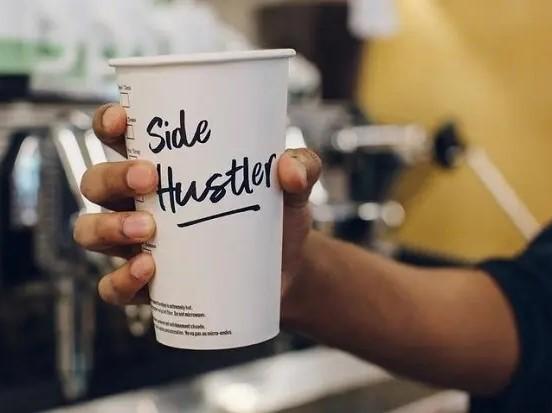
Swipe right (still) on side hustles

As economic waters get choppy, side gig income becomes more critical

THE PHENOMENON OF the side hustle is, by now, not a new phenomenon — but amidst a looming economic downturn, affordability pressures and a general rethinking of the relationship between life and work, the side hustle is an increasingly important part of many people’s employment picture.


“Side hustles seem to be sprouting up everywhere,” writes Tony Case at WorkLife, who found that many people — from startup cofounders to executives to the rank and file workers — were increasingly turning to side hustles both to bring in some extra income and to diversify their employment situation. “I was terrified to lose a paycheque,” said one digital marketing executive, who eventually left their job to focus on building the side hustle into a full-time gig.


As we head into choppy economic waters, some experts think the rise of the side hustle over the last decade or so is ultimately a good thing.


“Having more options gives them more of a safety net,” said Young Kim, founder and CEO of staffing platform Wonolo. “A guarantee that even if something were to happen to their permanent jobs, they may have something that can bridge the gap between what they’re faced with and where they need to get to.”


That shift appears especially prominent in younger workers, who come into the workforce at a time when it’s easier than ever to carve out your own enterprise within it.


“With the rise of the creator economy and side hustle era, the typical nine-to-five career isn’t the only viable path for people my age,” one soon-to-be communications grad told CNBC earlier this year. “With the technology at our fingertips, if there aren’t opportunities out there, we can create them.” Kieran Delamont


Terry Talks: Is your organization ready for pay transparency?

Pay transparency has snowballed into a growing movement, and for many being transparent about salary information is one way to help further pay equity in the workplace. But beyond pay equity, pay transparency can bring plenty of benefits to an organization ― from increased job performance and satisfaction to improved retention and trust. But before you can begin the process of implementing pay transparency in your workplace, it’s necessary to consider what your goals are in making this change.

LEARN MORE HERE

ENTREPRENEURS

Business, faith and the common good

The movement to profit-for-purpose structures is inspiring a new generation of faith-driven businesspeople

FOR MANY, THE topic of religion might seem like a no-fly zone in the workplace. But a new study out of the UK suggests not only is religion important to many entrepreneurs, but that faith is often a key motivator at the heart of purpose-driven enterprises in the private sector.


“There is clearly much that needs to change in the way that we do business,” write the Jubilee Centre, which published the report 21st Century Pioneers. “But there is good news: change has already started. The role that Christians play in enterprise is often low profile within the church, but their impact is significant. For the church, enterprise is on the frontline of mission in many ways.”


“The rise of the modern profit-for-purpose movement is inspiring a new generation of religious believers to connect the dots between their spiritual and professional lives,” added Oliver Balch in the Financial Times. “The research identifies a growing appetite for turning market mechanisms to the cause of social justice and environmental stewardship.


The faith-based businesses profiled by the Jubilee Centre often hewed closely to principles like fair pay, dignified work, ethical deployment of capital and community investment — virtues that are commonplace in discussions of sustainable business practices.


The secular cousin of this trend might be the B Corp movement, which sees a lot of crossover in their respective missions.


“I’m continually surprised how many people I meet through B Lab who have some form of faith or spiritual life,” said B Lab board member James Perry. “They tend not to wear it on their sleeve, but it’s a big part of what they do.” Kieran Delamont

 
London Inc. Ad_5.png

PERKS

Corporate retreats go next level

Employers are pulling out all the stops for business retreats as they attempt to inject a sense of culture and camaraderie for staff

giphy image
 

AS YOU'LL HAVE read in this newsletter more than once, managers are feeling some anxiety lately: with many employees no longer a regular feature around the water cooler ― and many spread out geographically ― building a team culture has become a growing concern.


And out of that concern has emerged an “arms race” when it comes to corporate retreats, which are rapidly getting bigger, more elaborate and more important to corporate leaders.


“Even with a recession looking increasingly likely in the next 12 months, founders are willing to spend to get their teams together to recreate the sense of culture and camaraderie that came naturally when employees shared a workspace five days a week,” writes Inc.’s Ali Donaldson.


She highlighted one executive who had recently booked an Irish castle for a single team. “Some of these trips — often splashed across hiring portals to entice applicants — could be mistaken for a spring break itinerary or an episode of The Amazing Race.”


News media outlet Axios found itself in just such a position. Seventy-five per cent of their staff were hired in the remote era: “They’ve never set foot on a piece of Axios real estate, and they’ve never met most of their coworkers in real life,” their founder wrote.


The solution? Retreats.


But are things getting out of hand? They’re certainly getting amplified, at least. “Companies are trying to extend the longevity of the event, and the spend, as it’s not just about those few days,” said Ian Cummings, global head at CWT Meetings & Events.


But experts pretty much expect that if remote work is here to stay, so are the elaborate retreats, which have proven a popular — if expensive — way to build team culture.


“The tangible impact of these retreats is that you don’t lose that guy to a different company that has a better culture,” said the aforementioned castle-booking executive Sean Hoff. “It’s probably the single best investment you can make.” Kieran Delamont


MORE FROM LONDON INC.

LINC_5years_GREEN.png
LondonInc_Sig.png
LinkedIn Share This Email

Follow Us

Facebook  Instagram  LinkedIn  Twitter