|
The Many Benefits of Exercise
It's not often that you have a pharmacist talking about exercise, and some of you may be thinking, stay in your lane and stick to pharmaceuticals and supplements. You have a good point because so many in our community with backgrounds in exercise science talk about this stuff daily. The reason I wanted to bring it to light is the recent studies that have come out promoting the benefits of exercise.
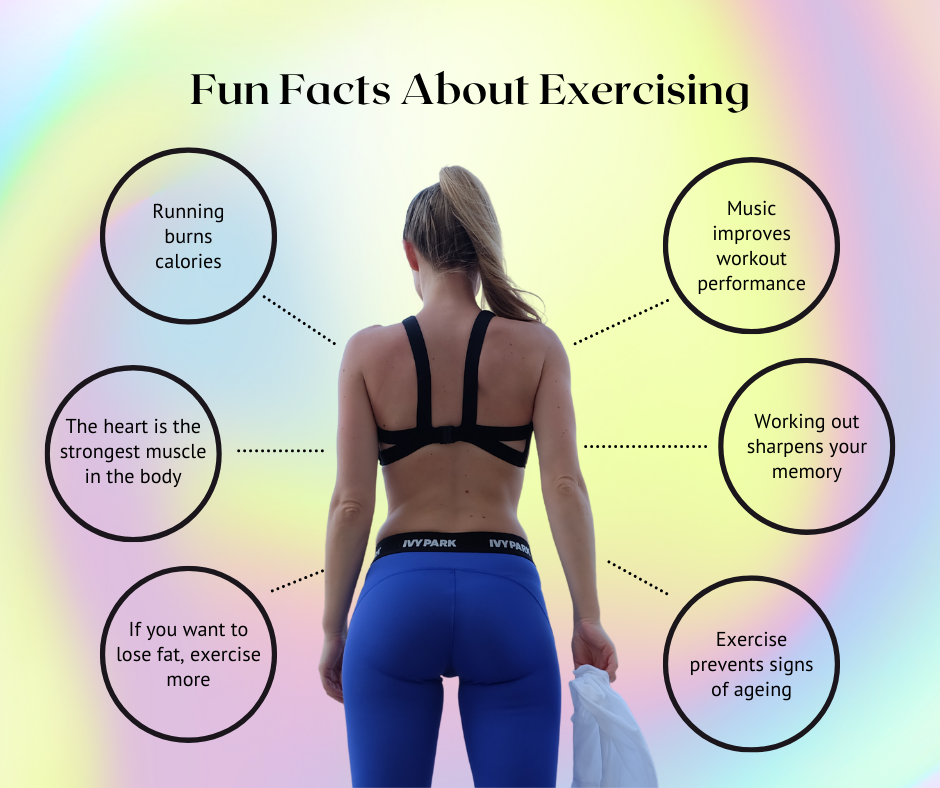
Exercise is a lifestyle modification that most think is important for overall health. However, that doesn't mean we are all exercising. I have thrown out the quote, "sitting is the new smoking." The words fit these covid times as many sat in their homes or apartments and did very little regarding exercise. It is time to start moving, and this article will discuss information on the benefits of moving.
A recent study from the University of California San Francisco found that when older adults stay active, their brains have more of a class of proteins that enhance the connections between neurons to maintain healthy cognition. This protective impact was found in biopsied brains at autopsy and even in people whose brains contained toxic proteins. These proteins are associated with Alzheimer's and other neurodegenerative diseases.
"Our work is the first that uses human data to show that synaptic protein regulation is related to physical activity and may drive the beneficial cognitive outcomes we see," said Kaitlin Casaletto, Ph.D., lead author of the study. The information appeared in the Jan. 7 issue of Alzheimer's & Dementia: The Journal of the Alzheimer's Association.
"Maintaining the integrity of these connections between neurons may be vital to fending off dementia since the synapse is the site where cognition happens," Casaletto said. "Physical activity – a readily available tool – may help boost this synaptic functioning."
Another study looked at exercise and depression. One in 10 adults in the United States struggles with depression, and antidepressant medications are a standard treatment. However, pills aren't the only solution. Research shows that exercise is also an effective treatment. "For some people, it works as well as antidepressants, although exercise alone isn't enough for someone with severe depression," says Dr. Michael Craig Miller, assistant professor of psychiatry at Harvard Medical School.
The type of exercise recommended is low-intensity exercise sustained over time. That kind of activity spurs the release of proteins called neurotrophic or growth factors, which cause nerve cells to grow and make new connections. The improvement in brain function makes you feel better. "In people who are depressed, neuroscientists have noticed that the hippocampus in the brain—the region that helps regulate mood—is smaller. Exercise supports nerve cell growth in the hippocampus, improving nerve cell connections, which helps relieve depression," explains Dr. Miller.
The last study I would like to address is the effect of exercise on inflammation. Inflammation is the body's way of healing after an injury and protecting itself from infection, but chronic inflammation has links with all kinds of diseases, from diabetes to heart disease. When you start exercising and moving your muscles, your muscle cells release a small protein called Interleukin 6, or IL-6, which appears essential in fighting inflammation. IL-6 has several anti-inflammatory effects, including:
• Lowering levels of a protein called TNF alpha, a trigger of inflammation in the body.
• Inhibiting the signaling effects of a protein called interleukin 1 beta, which triggers inflammation that can damage the cells in the pancreas that produce insulin.
The review said this study and others show that a single bout of exercise induces a strong anti-inflammatory effect that appears partly due to IL-6. Still, the review acknowledges that IL-6 is likely not the only factor involved in exercise's anti-inflammatory effects.
You know I like to talk about lowering inflammation and am a huge proponent of supplements to help in the fight, but now you have an additional tool in your kit to get the job done.
The benefits of exercise when looking at our heart have been studied for years and show that regular exercise can improve heart function. The American Heart Association has exercise recommendations to improve cardiovascular health:
• Get at least 150 minutes per week of moderate-intensity aerobic activity or 75 minutes per week of vigorous aerobic activity, or a combination of both preferably spread throughout the week.
• Add moderate- to high-intensity muscle-strengthening activity (such as resistance or weights) on at least two days per week.
• Spend less time sitting. Even light-intensity activity can offset some of the risks of being sedentary.
• Gain even more benefits by being active at least 300 minutes (5 hours) per week.
• Increase amount and intensity gradually over time.
What exercise is best for you? The one you like to do often and one you can do for an extended period. The type of exercise you choose will vary from person to person, which is excellent as there are so many options. If you are fortunate enough to enjoy the exercise, that is a huge bonus. Don't be afraid to experiment with different exercise options until you find one that fits you.
I apologize if I got out of my lane today. When the need arises, I will do it again, and this is one of those times. Our community has many great options for incorporating exercise into our daily routine. If you are struggling to start exercising, reach out to one of the gyms in town or visit with my staff about options to consider. Thanks for letting me share information, and I hope it inspires you to work on becoming the optimal you.
Please stop in or call the pharmacy if you want further information or ideas to incorporate exercise into your daily routine. Please visit my website at www.irsfeldpharmacy.com to find this and other archived articles in the blog section. Until next time, be vigilant about your health!
|