|
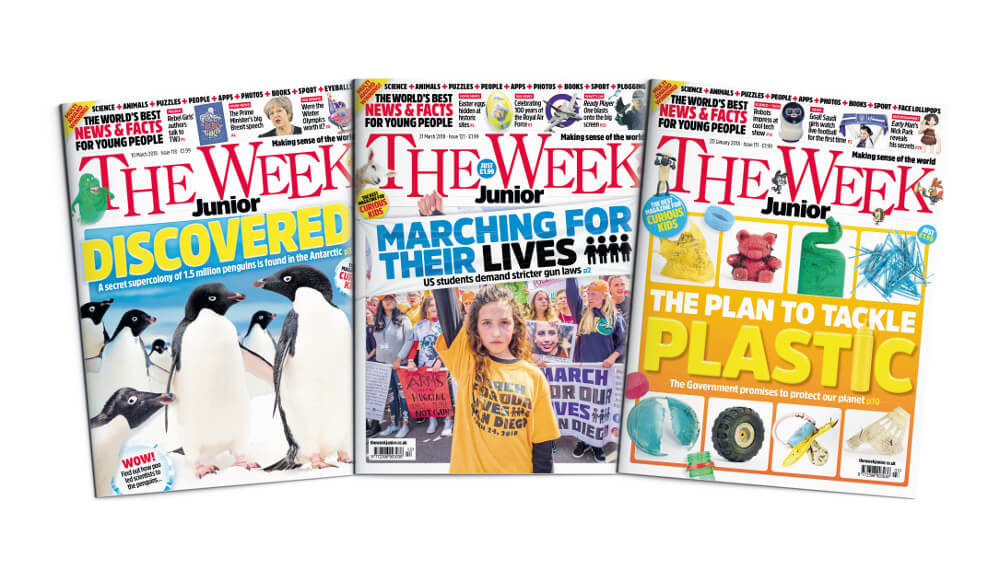
One unique challenge the brand faces is that the purchase decisions aren’t being made by the target audience. Getting copies of the magazine into the hands of parents is the best way to explain what the magazine is about and convince them it’s helpful for their children. “Our product is our most valuable marketing tool. So if we’re really confident that overall, in aggregate terms, the vast majority of people will go on to pay for it once we’ve got that out to them, then we’re happy to invest in making that the case to start with,”said Campbell, explaining their investment in trial issues.
“[Parents] really do get to see for themselves if we’re keeping our word, and our pay-up rates and our renewal rates show that they overwhelmingly believe that,” The Week Junior US Editor in Chief Andrea Barbalich said.
The Week Junior has another advantage: being a print product is very appealing for parents and carers looking to reduce screen time for their children. “A big part of our promise is the idea that children will be reading on paper. The parents love that, but the children love it too,” Barbalich explained. “They love running to the mailbox to get it, they’re excited. They love having their names on it. The tactile part of it becomes a big part of the love and joy they feel for the magazine, because they hold it in their hand.”
It’s easy to dismiss the sentimentality around ‘page sniffing’ and holding a real magazine in your hands, especially given the overall decline of magazines. But as Barbalich pointed out, there’s something very special for children about holding the magazine, taking it places and collecting it. “And what parent doesn’t want to see their child happily engaged in reading something?” she asked.
Perhaps surprisingly, there’s a digital version of the magazine which Campbell said is often taken up by schools on an education license. But consumer subscribers make use of this too; sometimes grandparents or parents will read the digital version in order to spark conversations with the children.
But the majority of the readership and audience growth focus is on the print magazine. “One of the critical points of the value proposition is that it’s in print, and it’s not screen time,” Campbell said, emphasizing that print will be the center of their growth strategies for a long time.
Real investment in marketing
When you can’t rely on digital growth and readership, marketing strategies take on a whole new level of importance. “PR and brand campaigns have been a big focus, and we really have raised a lot of awareness through that and are seeing a significant difference,” said Campbell, of their recent marketing push. “We’re evolving our paid-for marketing, and we’ve made a real breakthrough on influencer-led marketing on social, and when we’re doing that at the same time as brand campaigns that have real cut-through appeal and real PR activity around that as well, then we’re covering off all the basics on all the other direct response channels.”
Product marketing is something Campbell believes other publishers with print products are lacking. “I think there’s a lot of brands out there at the moment that are under-published, and lots of places where people have been too accepting of decline,” he theorized. “[The decline] is undoubtedly structural – the print magazine isn’t going to have a U-turn and go up on exponential growth. But actually, I think there are a lot of places where people have been too accepting of brand decline, and there’s a lot more that you can do about it.”
Future plc – owners of The Week Junior brand since 2021 – have a range of print titles, from women’s lifestyle magazine Marie Claire to property and garden magazine Country Life, and news weekly The Week. Thanks to these strong surrounding subscriber-driven brands, Campbell noted that the publisher has nurtured “an internal marketing culture that is open to spending money on and trying new things, and that tends to turn up some good results. We’ve made a number of breakthroughs in different places this year that’s really additive to the business.”
These include big PR wins and endorsements from celebrities and public figures like Drew Barrymore and Jenna Bush Hager, with more in the works for the rest of the year.
That’s not to say The Week Junior can’t do any content marketing. The publication is often approached for perspectives on how to speak to children about difficult world events, and has resources on its website, social channels and newsletter around events like the 2024 Election.
Although 2024 marketing performance has been “phenomenal” according to Campbell, it’s ultimately the product’s brilliance that keeps subscribers.
|