|
Human beings possess an innate fear of darkness. Years ago, I was director of Camp Solomon Schechter in Olympia, WA. Each summer we took campers on an overnight hike into the adjoining woods. One of the purposes served by this exercise was teaching the campers a respect for the awesomeness of nature. As darkness fell upon the campsite, the first task at hand was building a campfire; not merely for warmth, but subconsciously as a separation from the fears that lurked in the darkness. After sitting around the campfire, we gathered the campers together for a late-night walk in the woods. . .without flashlights. The slightest noise created fear among many of the campers. Everyone huddled closer together. The campers soon embraced the comfort provided by the light of the moon, but the fear remained until we returned to the safety of the campfire. No one likes to stand in the dark, physically or metaphysically.
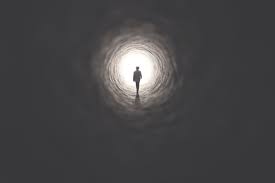
Darkness was the 9th plague God brought upon Pharaoh and the Egyptians. The Egyptians worshipped the sun. Darkness was their greatest fear, especially when there was no proverbial light at the end of the tunnel. In fact, the final three plagues all share a common presence of darkness: In the 8th plague the locusts darkened the face of the earth and the 10th plague (death of the first-born) took place at midnight.
It is no coincidence that God is often discovered in the night of our lives. It is within moments of personal crisis that one turns to God for comfort. God becomes the primordial light when our world is enveloped in darkness. Rabbi Harold Kushner writes, “God is found in our insistence on finding our way through the valley of the shadow, knowing that there is evil in the world, knowing that some of the time the evil may overpower us, yet fearing no evil, for Thou art with me.”
The 9th plague was intended to destroy the faith of the Egyptian people by blotting out their Sun god with 24-hour darkness. Without the light of hope, how long can one sustain life? Professor Ismar Schorsch writes, “That faith is a compassionate creator also helps to account for the unconventional fact that in Judaism the day begins at nightfall. Yet we greet the new day as our strength wanes because in the darkness we detect the light to come.”
Rabbi Howard Siegel
|