Street Daylighting

A City-Wide Safety Strategy

Intersections are critical conflict points in urban environments, with nearly 50% of traffic fatalities occurring there. Improving visibility at these locations is vital.


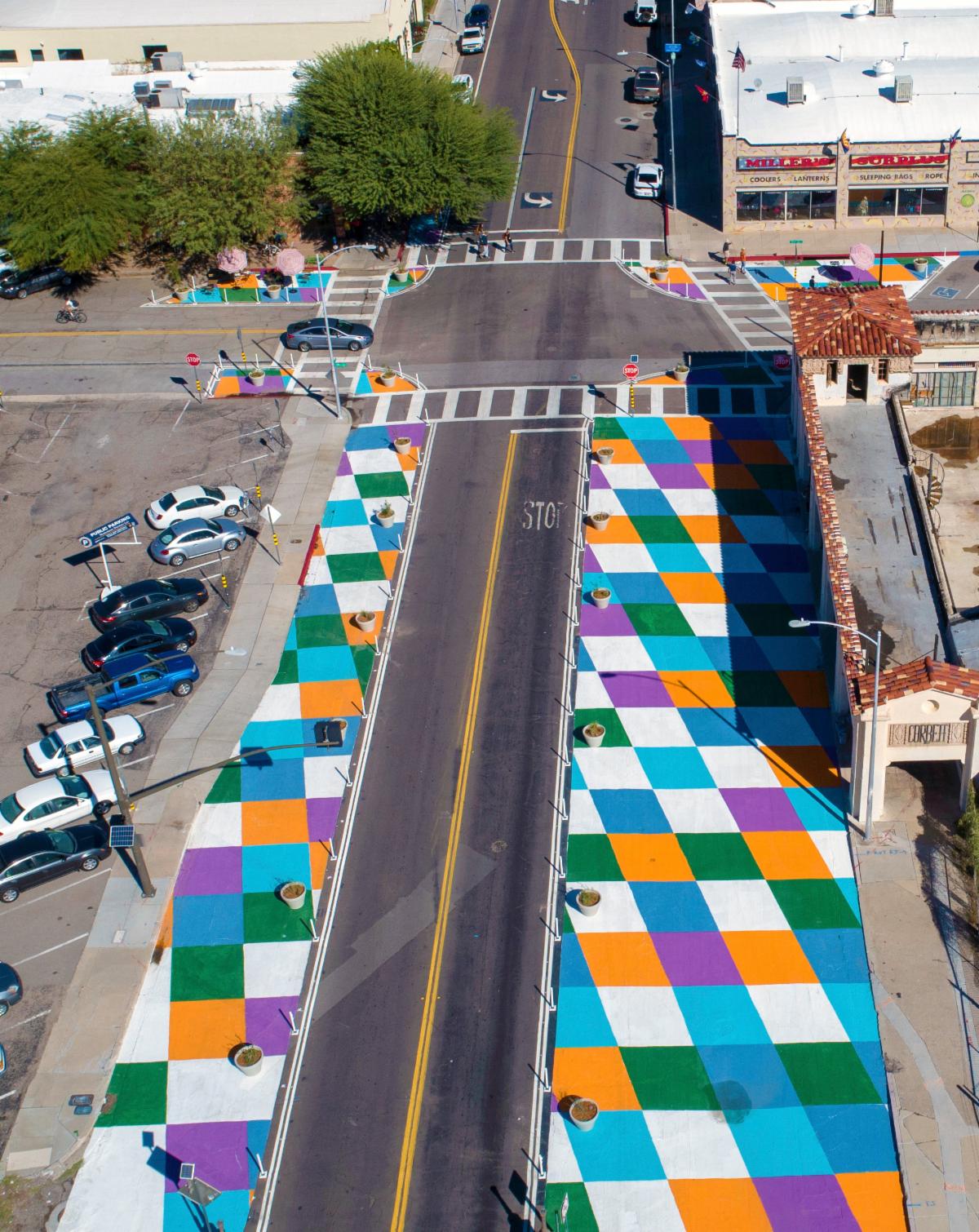
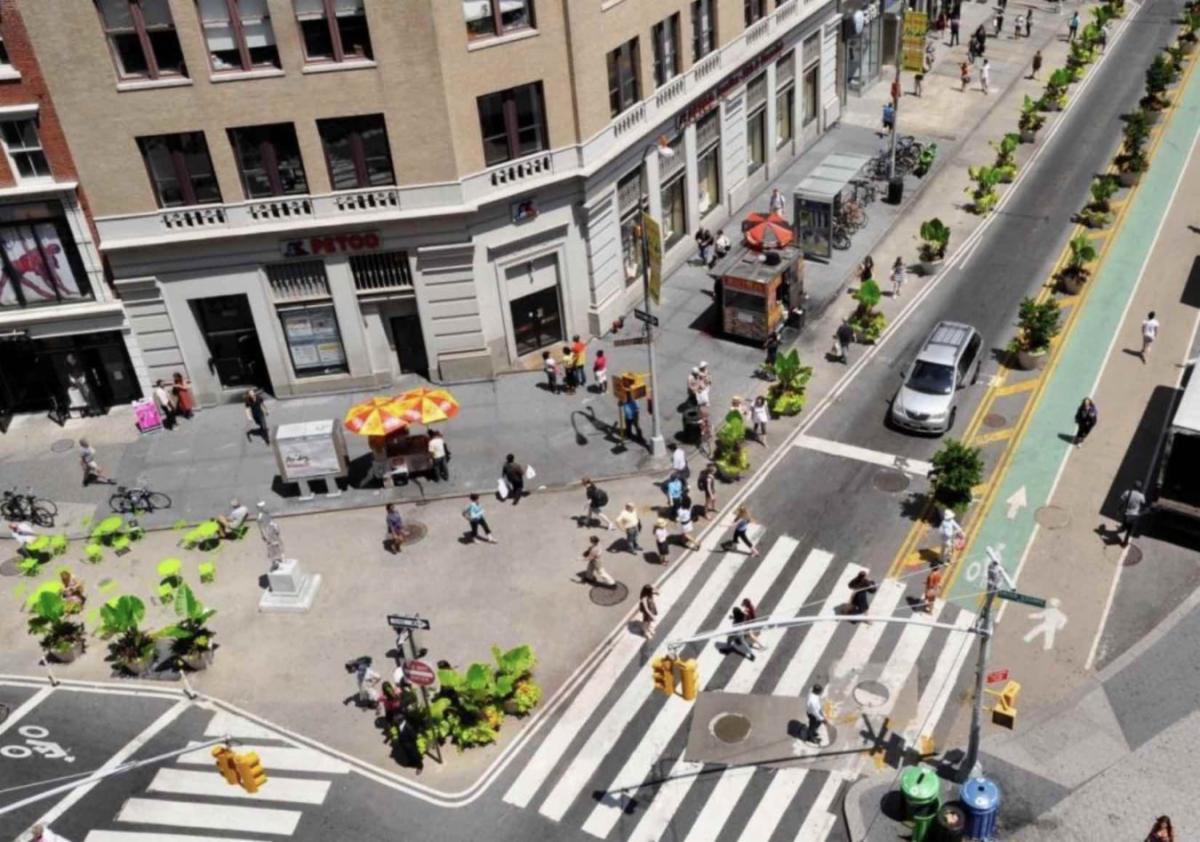
Street daylighting, which involves removing parking near crosswalks and corners, enhances sightlines for drivers, pedestrians, and cyclists by eliminating visual obstructions. This practice reduces uncertainty at complex street network points.


In New York City, daylighting is incorporated into the city’s broader safety strategy as part of the ongoing Vision Zero efforts.


From Visual Markings to Physical Enforcement

Early daylighting treatments primarily used painted curb extensions or signage, but in dense urban areas, these markings are often insufficient to prevent encroachment. 


A recent analysis by the New York City Department of Transportation found that effective daylighting needs physical reinforcement. Simply removing parking spaces without added structures offers limited safety benefits and may not change behaviors.


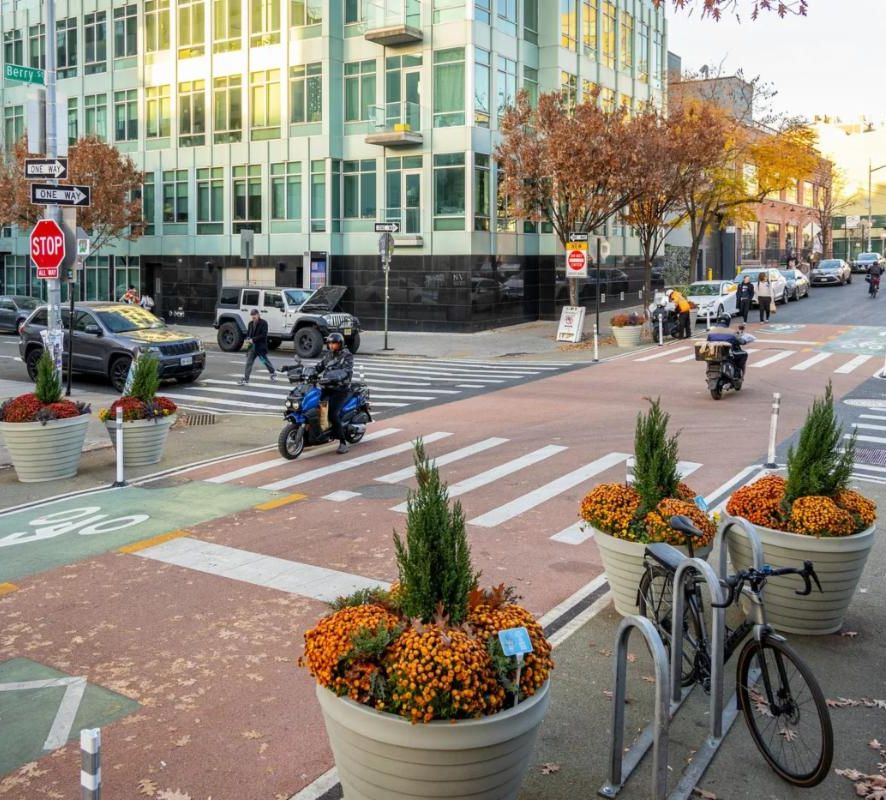
Consequently, cities like New York are adopting hardened daylighting strategies that include physical elements like planters to define and secure these zones. In 2024, NYC implemented these measures at nearly 300 intersections, indicating a shift toward more durable design solutions.

Planters as Functional Street Infrastructure

Within hardened daylighting strategies, planters have become a widely used tool for translating design intent into physical reality. In applications across New York City and other U.S. cities, planters are used to:


  • Establish a clear physical boundary at intersections
  • Prevent vehicle encroachment into daylighted zones
  • Reinforce predictable sightlines for all road users
  • Support quick-build and phased implementation strategies


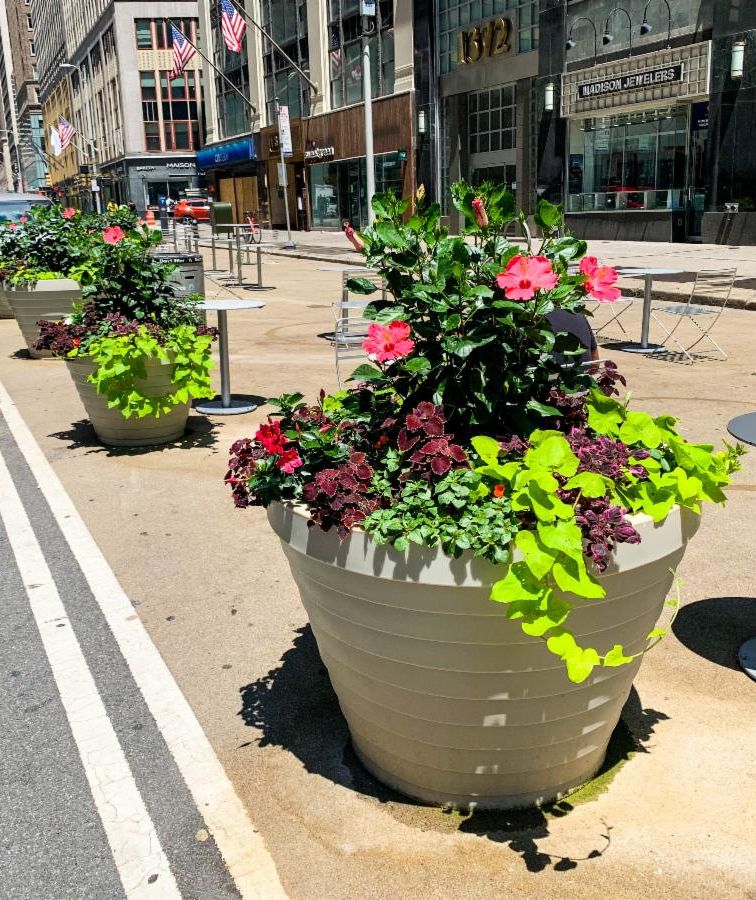
Beyond safety, these elements also contribute to streetscape quality by introducing greenery into otherwise underutilized curb space, allowing infrastructure improvements to double as placemaking opportunities.

Material Performance in Real-World Conditions

Daylighting installations are exposed to constant environmental and physical stress, requiring materials that perform reliably over time with minimal maintenance. Planters used in these applications must withstand frequent vehicle proximity, year-round UV exposure, seasonal temperature fluctuations, moisture, road salts, and continuous public interaction in high-traffic corridors. Material selection therefore plays a critical role in the long-term success of any daylighting project.


TerraCast® resin planters are well suited to these conditions due to their:


  • High impact resistance without cracking or shattering
  • Corrosion- and rust-free performance
  • Lightweight construction for efficient installation and repositioning
  • Long-term durability with minimal maintenance requirements


These characteristics make TerraCast® planters a practical solution for cities implementing daylighting at scale, where both performance and lifecycle considerations are critical.


X Share This Email
LinkedIn Share This Email

TerraCast® Products | 305-895-9525 | info@terracastproducts.com | Website

LET'S GET SOCIAL

Facebook  X  Instagram  Youtube  Pinterest  LinkedIn  Web