|
1. Qatar funding of American universities is disturbing
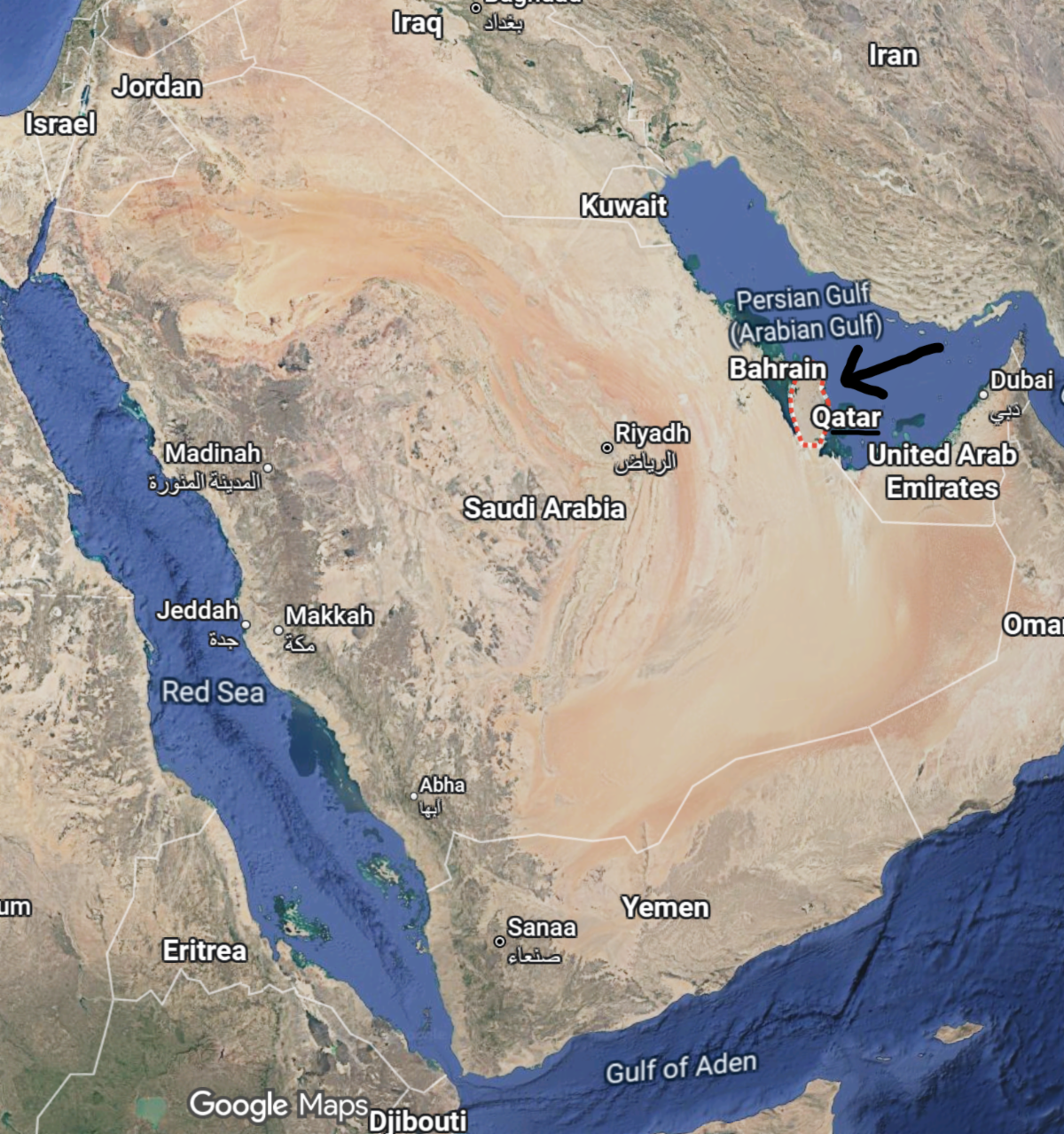
Qatar is the largest foreign donor to American universities – contributing billions of dollars over the past two decades. This funding is not neutral philanthropy. It comes from a foreign monarchy that hosts Hamas leaders, suppresses dissent at home and actively promotes anti-Western narratives through its state media. When American universities accept these funds, they risk importing foreign propaganda into classrooms that shape public opinion and influence future leaders.
2. Qatari textbooks promote hate not peace
While Qatar presents itself internationally as a “moderate” partner promoting peace, its own government-approved textbooks tell a different story. Educational materials used in Qatari K-12 schools condemn Judaism and Christianity as “corrupted,” label non-Muslims as “infidels” and promote religious intolerance. This contradiction exposes the gap between Qatar’s public narrative and its actual values – raising serious questions about its influence abroad and credibility as a global partner.
3. International charities work with Hamas to promote lies
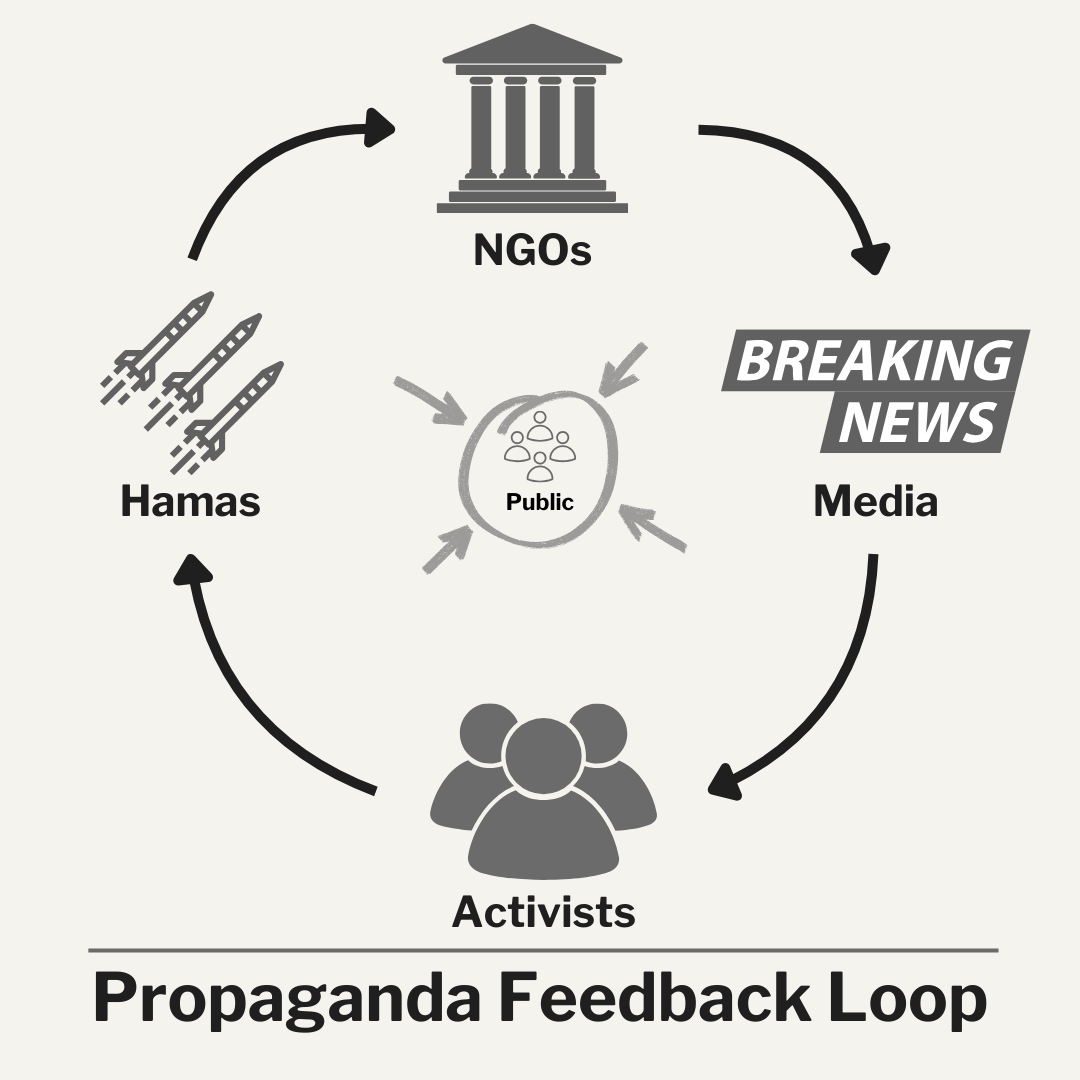
Trusted humanitarian organizations have amplified false Hamas narratives that shaped global coverage and perceptions about the Gaza war. Many NGOs dismissed years of evidence about Hamas using hospitals for military purposes – only for Doctors Without Borders recently confirmed an armed presence at the largest Gaza hospital. By repeating unverified claims and redefining legal terms to single out Israel, these organizations help legitimize disinformation that fuels antisemitism and places Jews at greater risk worldwide.
4. Campus activism that amplifies terrorist propaganda is unacceptable
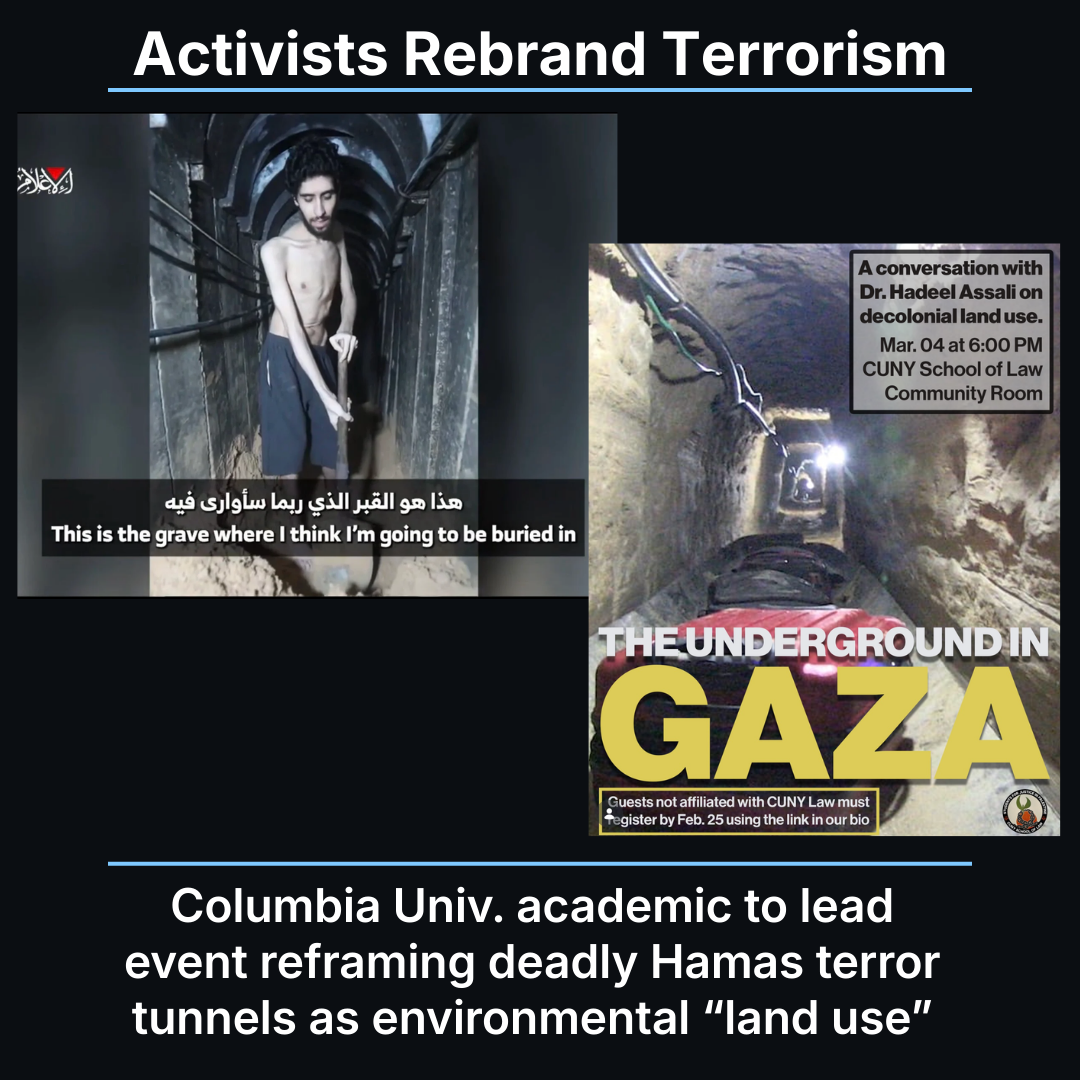
Activist students, professors and groups on university campuses around the world increasingly echo narratives promoted by Hamas, NGOs and manipulated media agencies. Terror tunnels are reframed as environmental “land use” and violence against civilians is relabeled as “resistance.” This is not an academic subject – it is moral perversion. When terrorism is repackaged as justice, universities stop being centers of learning and become platforms for radicalization and intimidation.
5. Antizionist activism is not grassroots community organizing
Much of today’s activism against the Jewish state reflects narratives promoted by foreign governments, amplified by NGOs and legitimized by sympathetic media and academic networks. When the same slogans are chanted simultaneously on city streets, campuses and social media around the world, it points to high level coordination and funding – not spontaneous, grassroots support.
6. Selective outrage exposes political bias
Campus activists who mobilize aggressively and loudly against Israel have been largely silent about the mass murders in Iran, Russia’s invasion of Ukraine and Hamas atrocities against Palestinians. This selective outrage reveals bias against Jews and Israel, not a genuine concern for human rights. When only one country and one people – the Jewish state and Jewish people – are singled out for condemnation, activism crosses the line from advocacy into outright discrimination.
|