Feeling Dizzy? Discover the Hidden Causes and Get Relief Today!
Why Are You Still Dizzy?
Most people with vestibular disorders don't get better because they're treated for the wrong type. Here's what you need to know — and what actually helps.
Dizziness is not a diagnosis — it's a symptom. And not all dizziness comes from the same place. Some dizziness starts in the inner ear (called "peripheral"). Other dizziness starts in the brain (called "central"). These two types look similar from the outside, but they need completely different treatments. Treating one like the other is why so many people stay dizzy for months — or even years.
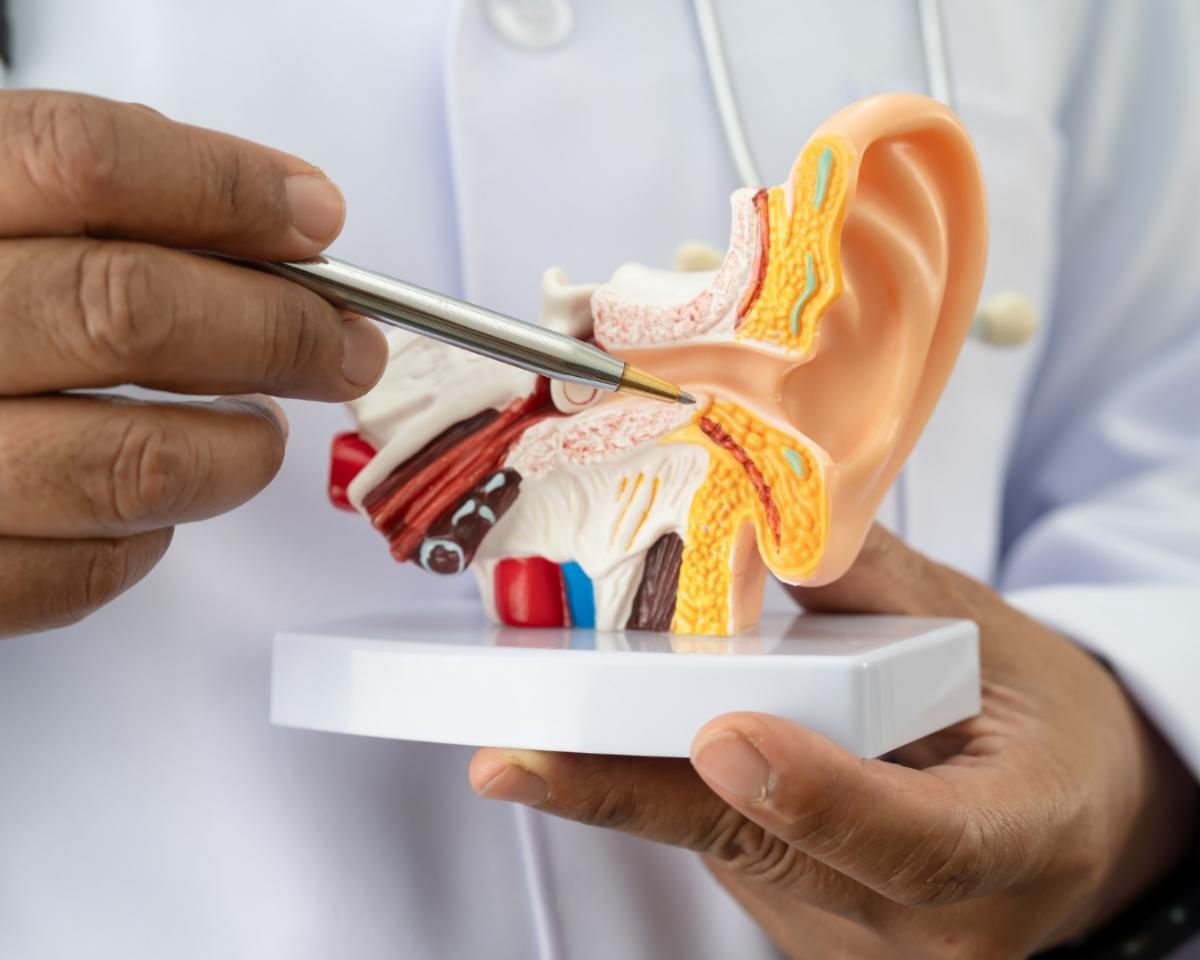
The problem is in the ear itself — tiny structures that sense balance and motion. Think of it like a faulty sensor sending bad signals to your brain.
Central (brain)
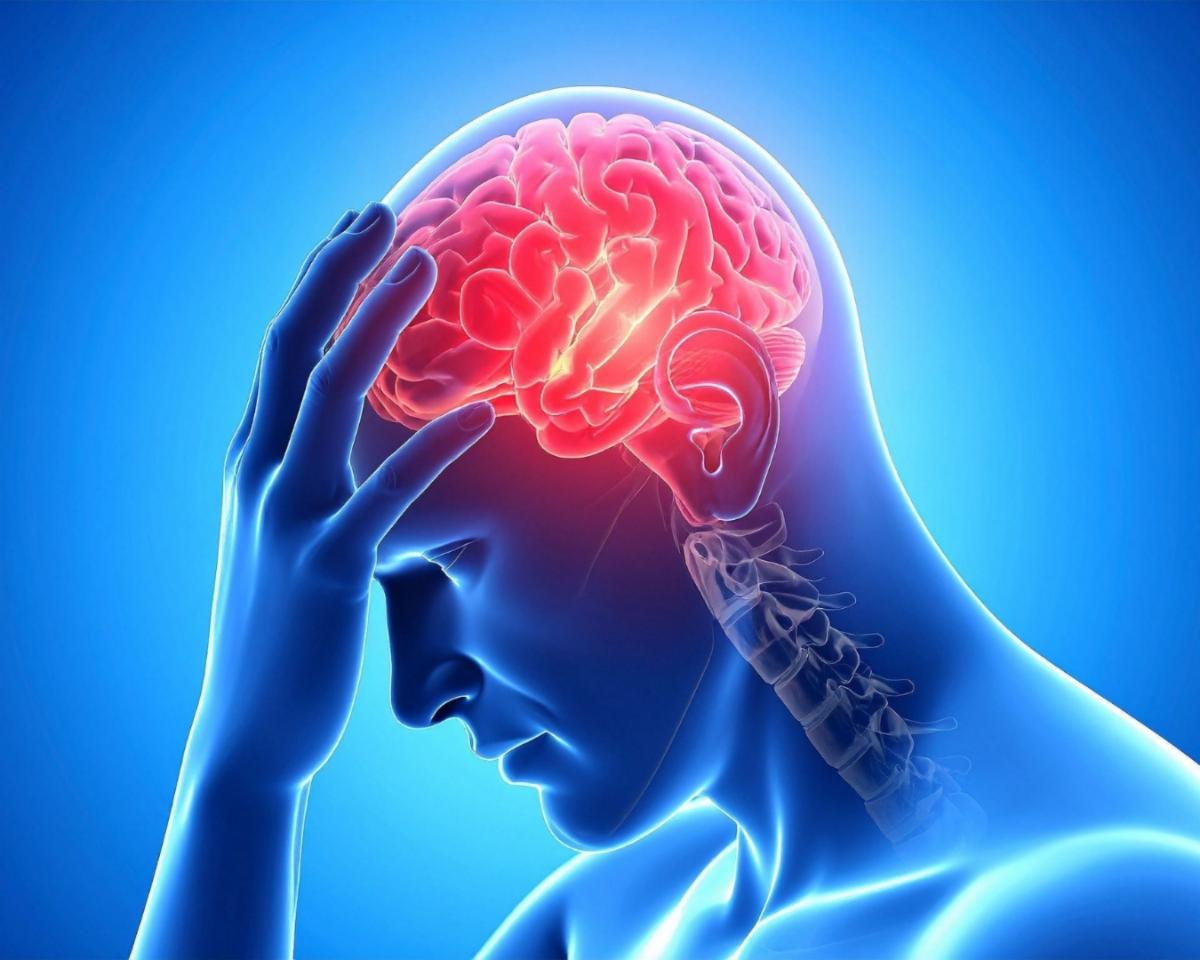
The inner ear is fine, but the brain is misprocessing balance signals. The hardware is okay — the software has a glitch.
The 6 conditions we treat
BPPV & positional vertigo
Tiny calcium crystals get displaced in the inner ear, causing brief, intense spinning when you move your head.
Vestibular neuritis & labyrinthitis
Viral infection damages the vestibular nerve. Often leaves behind brain compensation deficits that need rehabilitation.
Vestibular migraine
Migraine pathways in the brain cause dizziness — not the ear. Needs neurological treatment, not ear maneuvers.
Mal de Débarquement
Persistent rocking or swaying — often after travel — because the brain's motion-adaptation system got stuck.
PPPD
Chronic dizziness caused by the brain's threat system getting stuck in "alert mode." The ear is fine — the brain needs retraining.
Post-concussion vestibular dysfunction
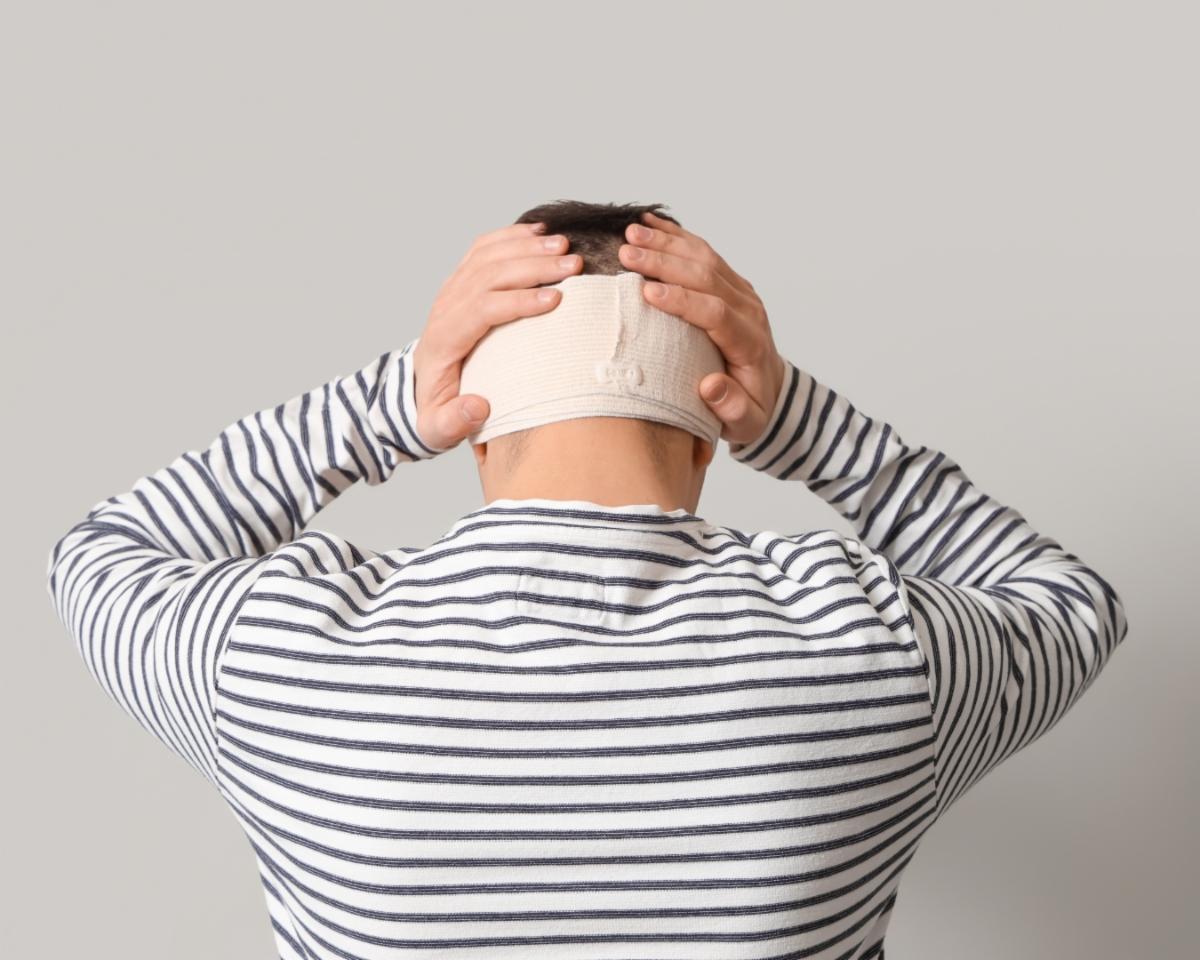
Head trauma disrupts both the ear and brain together, requiring an integrated rehabilitation approach.
Applying the same vestibular exercise program to every dizzy patient is like prescribing the same glasses prescription to everyone who can't see clearly. The mechanism matters.
Standard care vs. the Plasticity approach - What most clinics do
Epley maneuver — only helps BPPV, not other types
Meclizine and suppressants — masks symptoms, slows recovery
Generic vestibular exercises with no mechanism
ENT referral to rule out structural ear problems
Result:symptom management, frequent relapse
What Plasticity Brain Centers does
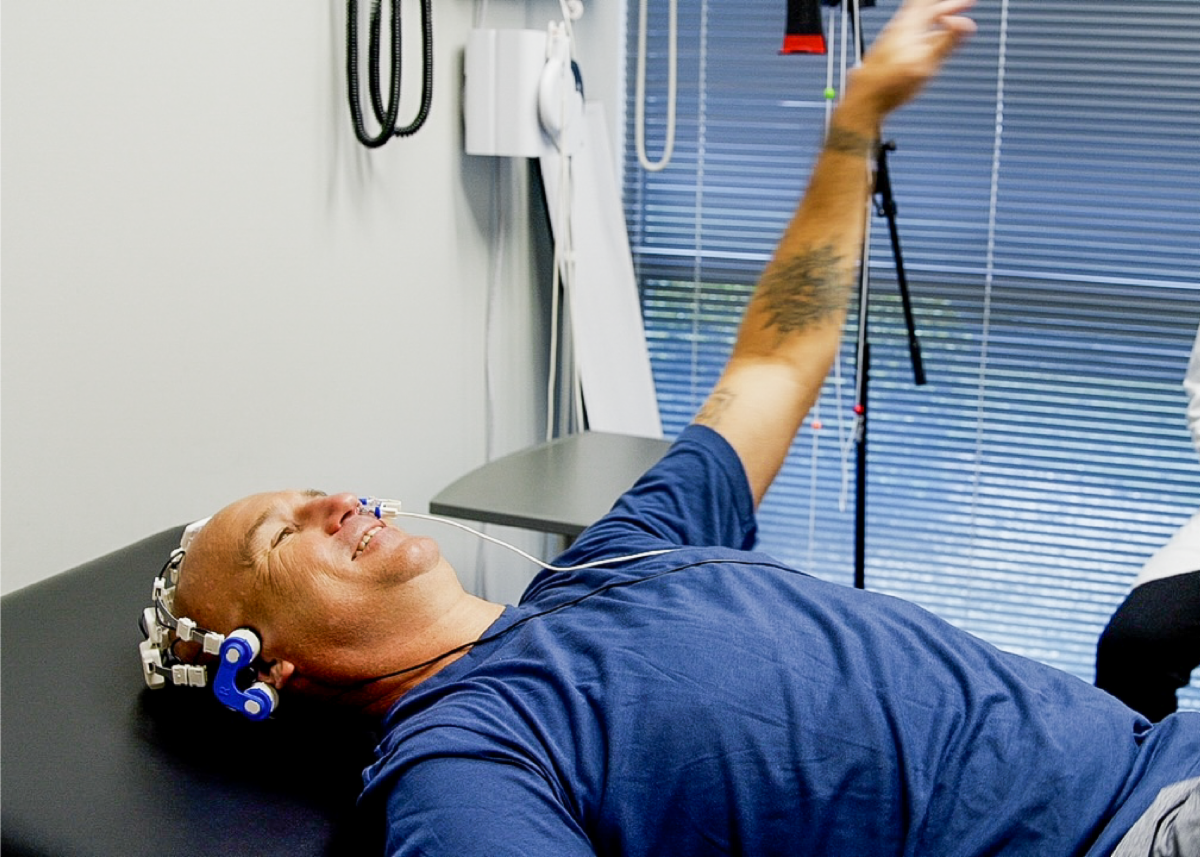
Full peripheral and central vestibular assessment
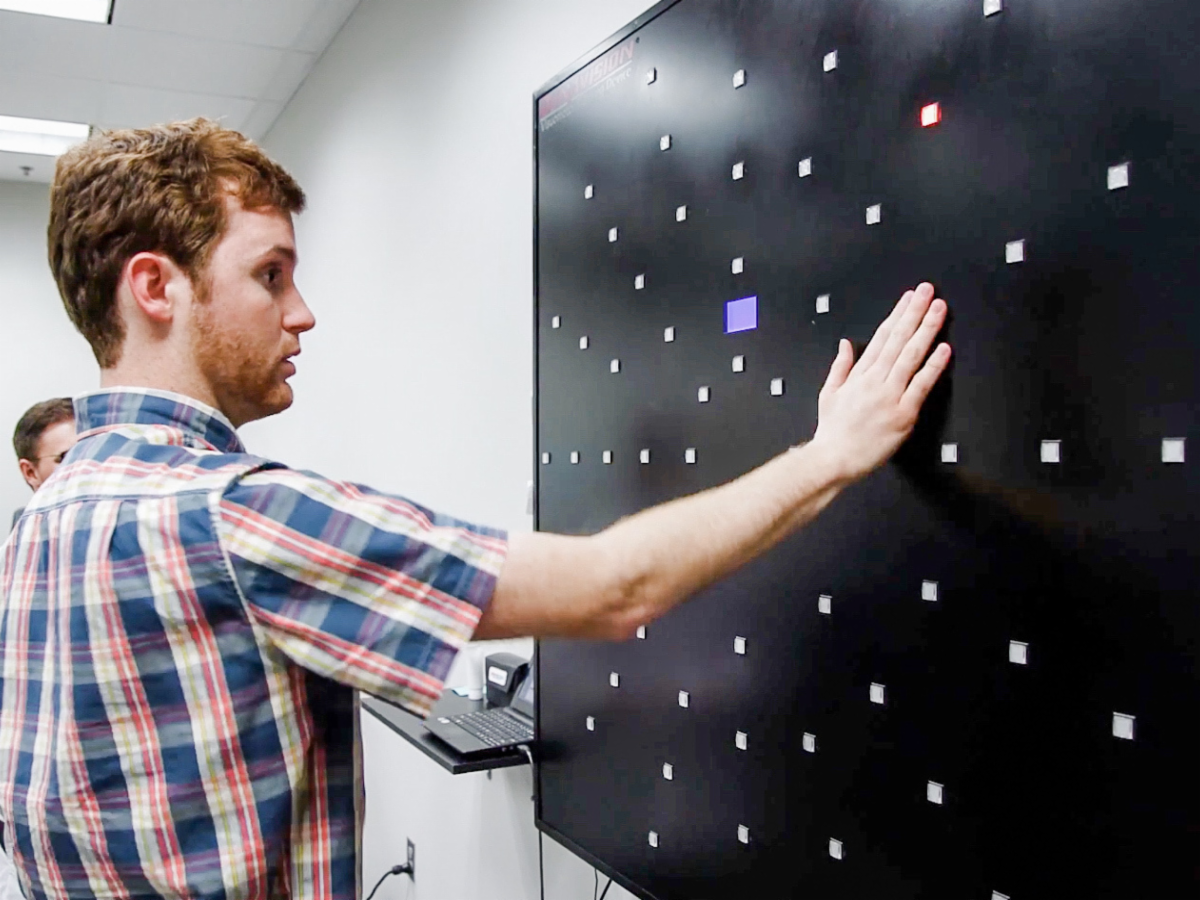
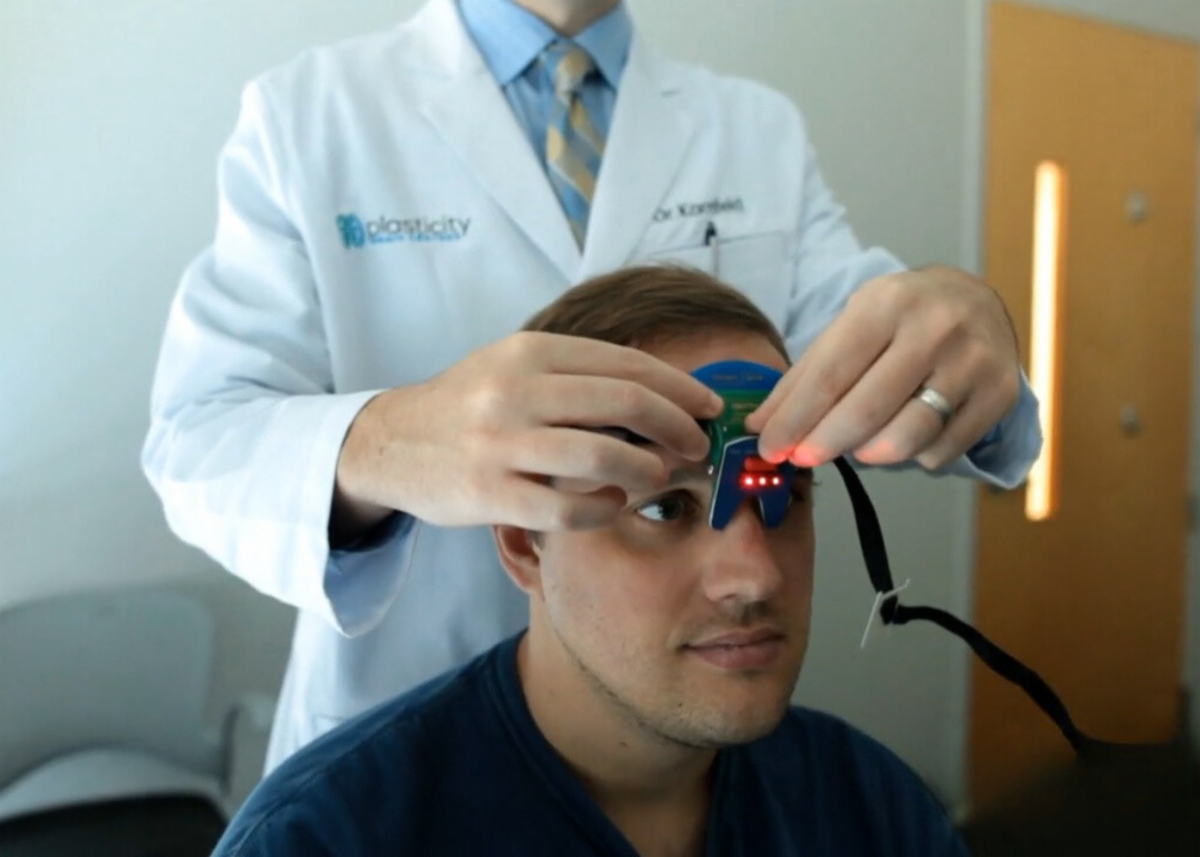
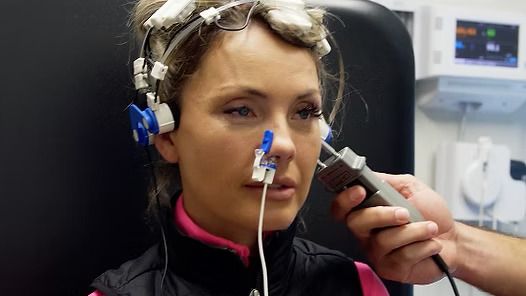
Eye-tracking and vestibulo-ocular reflex testing
Rehab program matched to your specific mechanism
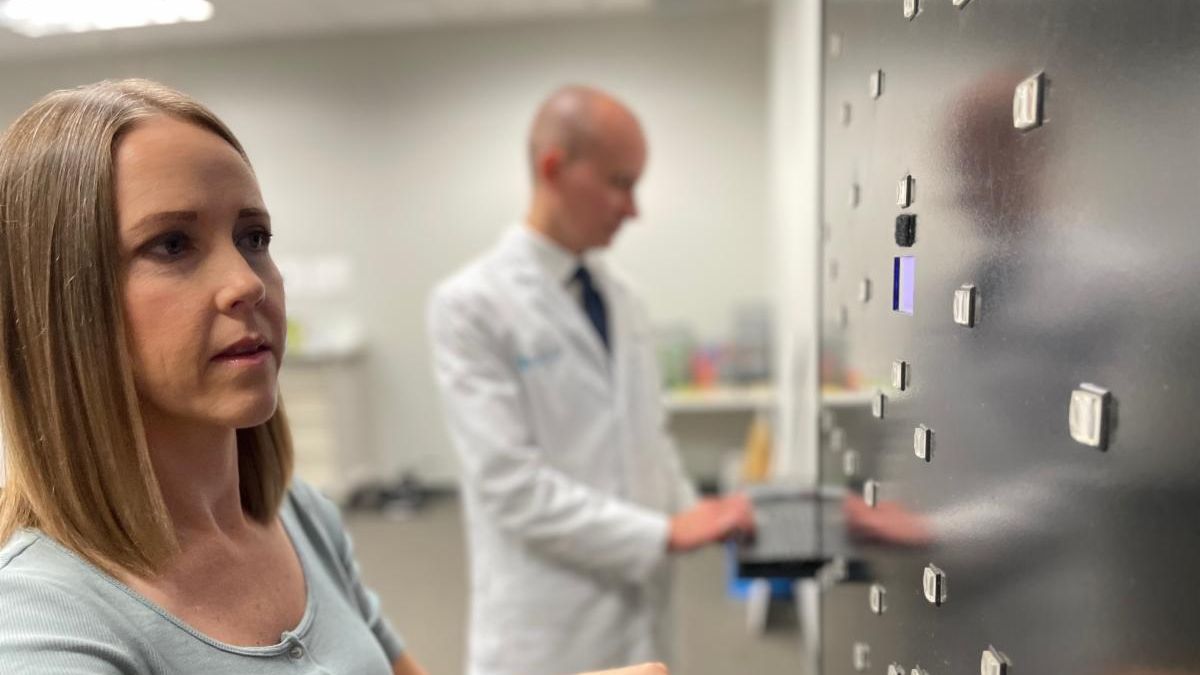
Computerized posturography to isolate which system is failing
Result: neurological retraining, not symptom suppression
How we identify — and treat — the driver
Computerized posturography
Measures how much your balance relies on your eyes, ears, or muscles — pinpointing exactly what's failing.
VOR testing
Tests the connection between your vestibular system and eye movement — invisible to standard exams.
Central pathway assessment
Evaluates the brain's neurological processing networks for central conditions like PPPD and vestibular migraine.
Your path forward — 3 clear steps
1.
Book a free 15-minute discovery call
Talk with a New Patient Coordinator about your history. No commitment required — just clarity on whether our program fits.
2.
Get a comprehensive evaluation
We assess both your peripheral (ear) and central (brain) vestibular systems to find the actual driver of your dizziness.
3.
Complete a 5-day intensive program
A rehabilitation protocol built around your specific mechanism — neurological retraining, not symptom suppression. Patients from all 48 states have done it.
Ready to find out why you're still dizzy?
A 15-minute call is all it takes to get real answers about your vestibular condition and whether our program is right for you.
Are you or a loved one prepared to embark on a transformative journey towards better brain health? Reach out to Katie via email at katie@plasticitycenters.com or give us a call at 855-955-9727. Discover firsthand the positive transformation that awaits you at Plasticity Centers!
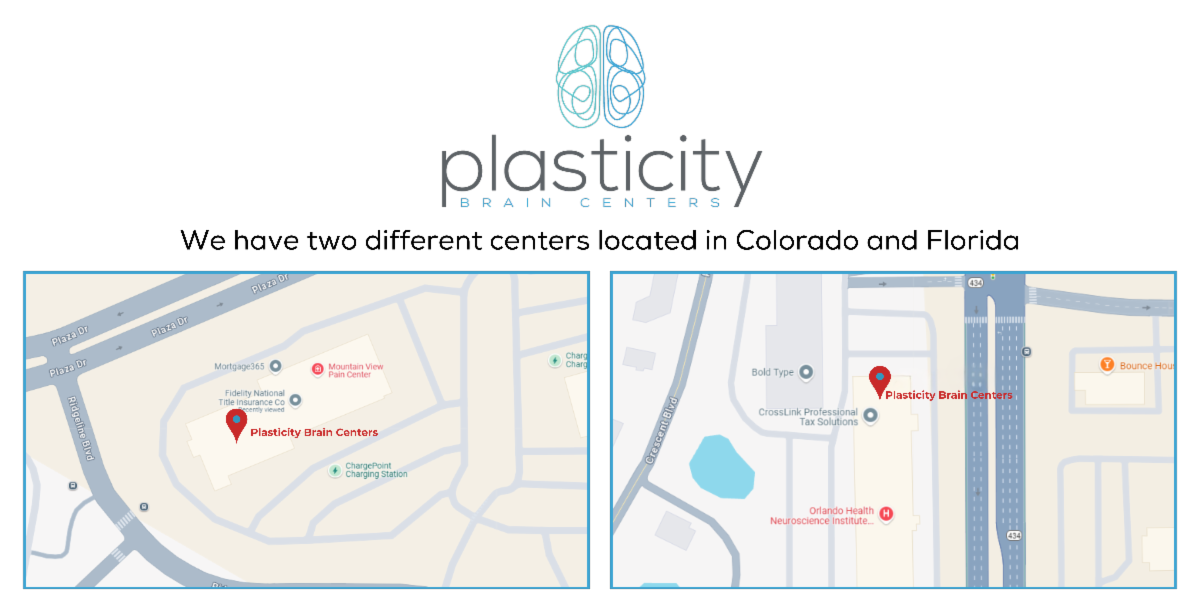
Plasticity Centers | 640 Plaza Dr. Suite 170 | Highlands Ranch, CO 80129 US