Why Do Bright Lights Feel So Intense for Some People? | | For some people, walking into a brightly lit room is completely unremarkable. The light is there, but it doesn’t really change how they feel or function. For others, though, the experience is immediate and unmistakable. | | |
The space can feel harsher, more intense, almost like everything is turned up a level, and without always realizing it, they may start squinting, tensing, or feeling mentally drained much faster than expected.
And that often leads to a very understandable question: why does this happen?
| | It’s Not Just About Being “Light Sensitive” | | Most people assume that discomfort with bright light simply means someone is more sensitive than average. But that explanation tends to fall short of what’s actually happening in the brain. | | |
Light isn’t just something the eyes detect in isolation. It’s a constant stream of visual information that the brain has to organize, filter, and interpret in real time, while also managing everything else happening in the environment.
When that system is working efficiently, you don’t notice the effort behind it. A bright room feels like a bright room, nothing more. But when that visual processing system is under strain or not filtering smoothly, the experience of light changes. It stops being background information and starts requiring active effort from the brain just to stay oriented and comfortable.
That shift alone can make everyday environments feel unexpectedly intense or draining.
| | When Visual Processing Starts to Feel Overloaded | | This is often why people describe feeling overwhelmed in places that don’t seem extreme on the surface. Grocery stores, classrooms, offices, or even home environments with screens and overhead lighting can start to feel like “too much,” not because anything is wrong with the environment, but because the brain is working harder than usual to process what it’s seeing. | | |
And when that happens, people often begin to notice patterns that seem unrelated at first but are actually connected:
- Difficulty focusing under bright or artificial lighting
- Mental fatigue that builds faster than expected
- Feeling overstimulated in visually busy environments
- A subtle urge to avoid certain places without knowing exactly why
- A sense of tension or irritability that shows up during or after exposure
Over time, this can start to affect daily routines, productivity, and even social comfort, often without people realizing that visual processing may be part of what’s driving it.
| | The Hidden Link Between Visual Load and Daily Energy | | |
What’s especially important here is that this doesn’t stay limited to “light sensitivity.” When the visual system is constantly working harder to interpret basic environmental input, that effort adds to overall cognitive load.
In other words, the brain isn’t just focusing on tasks—it’s also working in the background to stabilize and organize visual information that most people take for granted. That extra workload can contribute to fatigue, reduced focus, and a feeling that everything simply takes more effort than it should.
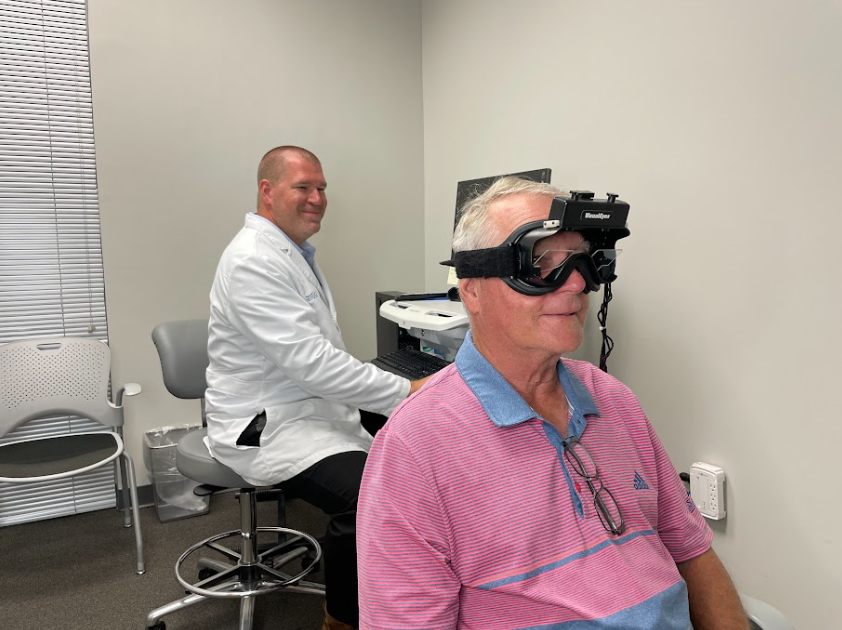
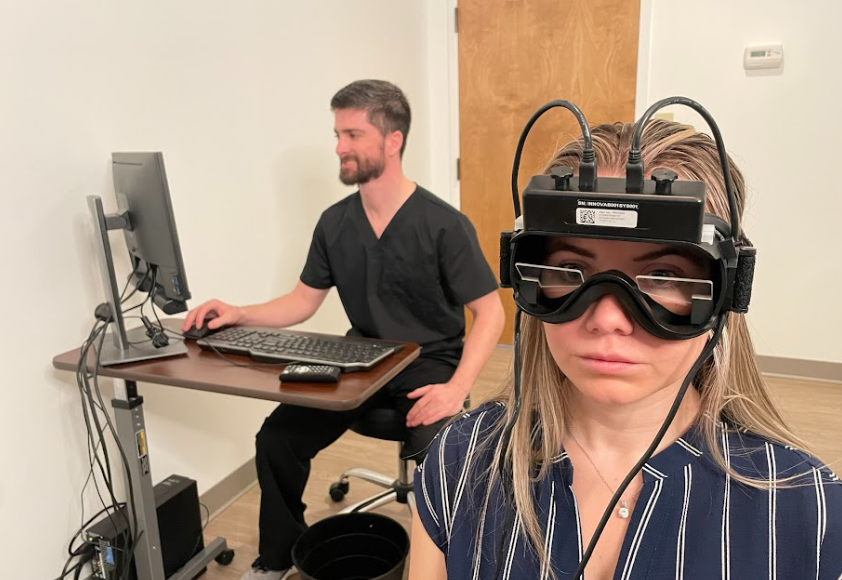
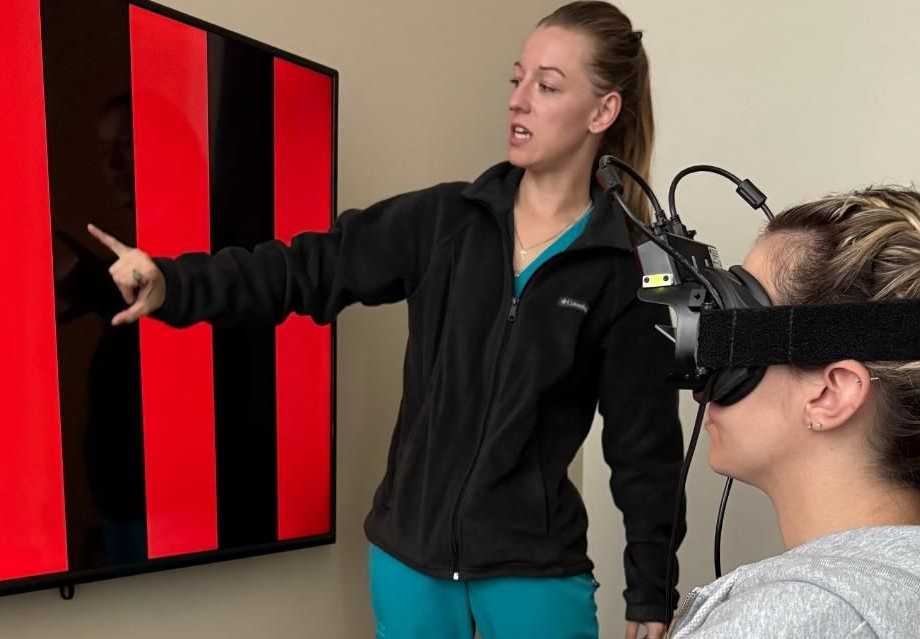
| | What We Often See at Plasticity Brain Centers | | At Plasticity Brain Centers, we frequently find that what people experience as light sensitivity or visual overwhelm is less about the eyes themselves and more about how efficiently the brain is processing visual information. | | |
When that system is strained, everyday environments can feel disproportionately demanding. But when visual processing becomes more efficient, something noticeable tends to shift. The same spaces that once felt harsh or draining often begin to feel easier to tolerate, with less effort, less fatigue, and more natural focus.
And for many people, that change doesn’t just affect comfort in bright environments—it can also improve overall mental clarity, energy, and day-to-day functioning.
| | |
If This Sounds Familiar, There May Be More Going On
If bright lights feel intense for you—or if you’ve found yourself avoiding certain environments because they feel mentally or physically draining—it may be worth looking beyond surface-level explanations like sensitivity or stress.
In many cases, these experiences are connected to how the brain is processing visual input, and that is something that can be evaluated and trained.
| | At Plasticity Brain Centers, we look at how the brain is functioning as a whole system, including how it processes visual information and how that impacts attention, energy, and daily performance. | | |
If any of what you read here feels familiar, you don’t have to just adapt to it or push through it. There may be a reason it feels harder than it should—and there may also be a way to change that.
If you’d like to explore what’s going on more deeply, you can reach out to our team to learn what an evaluation would look like and whether it could help clarify what’s driving these experiences for you or someone you care about.
| |
PLASTICITY BRAIN CENTERS TREAT & IMPROVE:
-Vertigo -Concussion - Hypoxic Injuries - Stroke - Autism - ADHD & Dyslexia
-Cognitive Challenges - Parkinson’s Disease - Improved Brain Function - Headache & Migraine -Dysautonomia - Long Haul Covid -Dizziness
| |
We know that each person is unique and we tailor our treatments accordingly. Book your personal 15-minute phone consultation today!
Let's talk today to see if we can help.
| |
Are you or a loved one prepared to embark on a transformative journey towards better brain health? Reach out to Katie via email at katie@plasticitycenters.com or give us a call at 855-955-9727. Discover firsthand the positive transformation that awaits you at Plasticity Centers!
| | | | |