September 4, 2025

Time to Read: 6 Minutes


CAM Joke of the Week

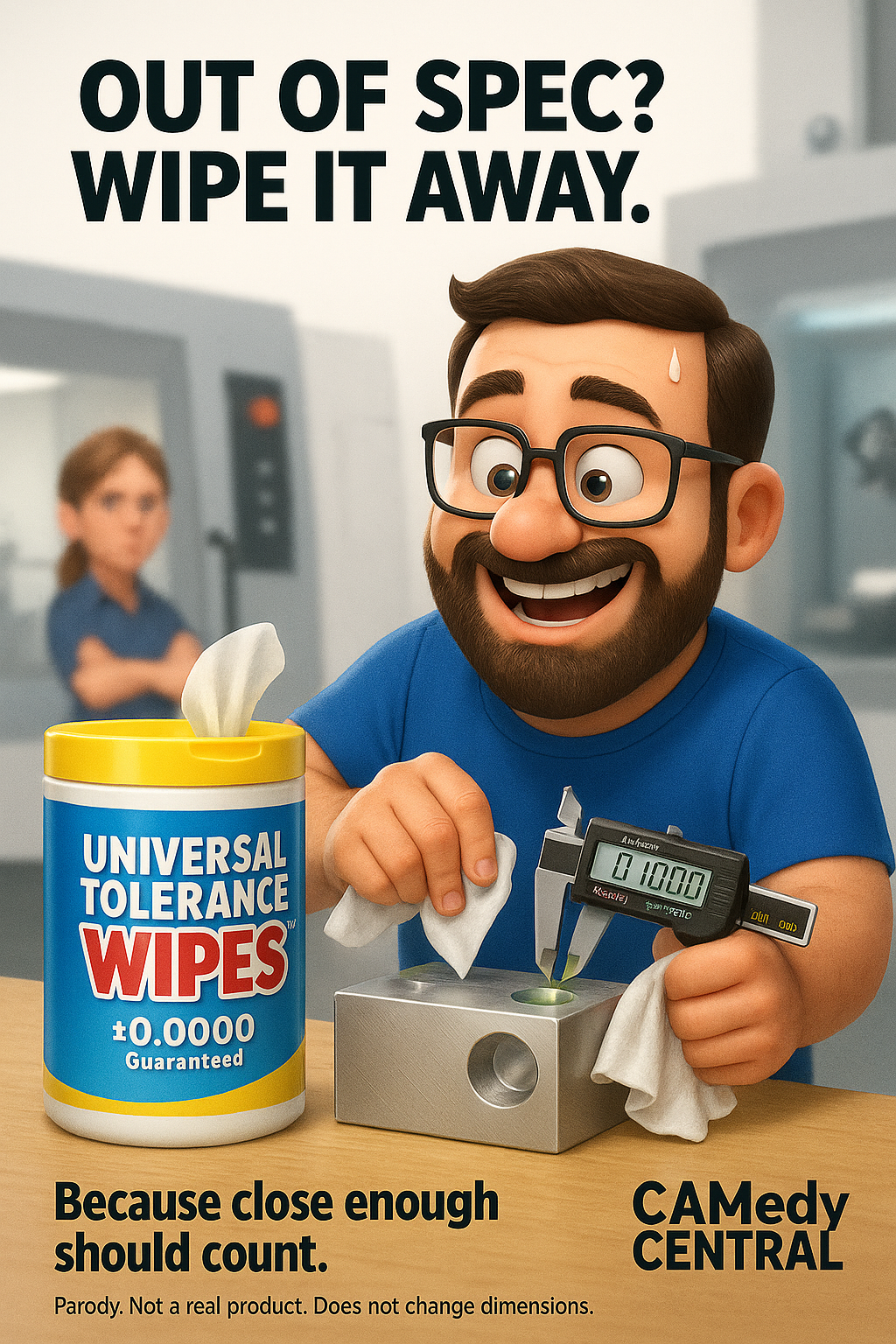
CNC programming is 90% planning…

…and 10% explaining why the plan didn’t work.


Industry Intel

AI Spending Offers a Lifeline as U.S. Manufacturing Slumps for Sixth Month - U.S. manufacturing continued its contraction, marking the sixth straight month below the 50‑point growth threshold, yet surging investments in AI-related intellectual property and equipment began to cushion the blow amid tariff pressures and sluggish factory output.


Bridging the Manufacturing Talent Divide: Strategies for Survival and Growth - Industry leaders are charting new courses, reframing employer branding, upskilling existing workers, and expanding recruitment pipelines to overcome the mounting talent shortages threatening manufacturing's future.


Tariff Turbulence Keeps U.S. Manufacturing in Contraction for Six Months Running - In August, U.S. manufacturing shrank for a sixth consecutive month with the ISM’s PMI dipping to 48.7 amid elevated import duties and worsening factory conditions, some even likening the downturn to the Great Recession.

Industry Growth (Open Jobs)

A few hot openings across the industry this week:


CNC Milling Machine Lead (Day Shift) - Arundel Machine - Crystal, MN


CNC Machinist Programmer - Astro Metal Craft - Hanover, MN


Toolmaker/Machinist - Prototype Engineering Technician - Tenneco - Burlington, IA


CNC Machinist - Geater Machining & Manufacturing, Co. - Independence, IA


Mold Maker/Machinist - ComDel Innovation - Wahpeton, ND


CNC Machinist - Quality Tool - Brookings, SD


Tooling Machinist - D-J Engineering - Augusta, KS


Sr. CNC Machine Operator (2nd Shift and Weekends) - Aero-Tech Engineering, Inc. - Maize, KS.


CAM TIP OF THE WEEK (Powered by GibbsCAM)

Tech Tip: How to Use Utility Markers


Learn how to use Utility Markers in GibbsCAM to take more control of your toolpaths. This tip shows you how to drag-and-drop markers to adjust feed rates, spindle speeds, insert comments, and even add program stops right in your toolpath. Quick, flexible, and editable on the fly, Utility Markers give you precision without extra coding.

Trade Show & Event Radar

Date

Show

Location

Sept 8-11, 2025

Fabtech

Chicago, IL

Sept 23-25, 2025

SteakFest Open House

Plymouth, MN

Oct 1, 2025

GibbsCAM 2026 Rollout & Vendor Event

Brooklyn Park, MN

Oct 7-9, 2025

Westec

Anaheim, CA

Oct 22, 2025

GibbsCAM 2026 Rollout

Wichita, KS

Oct 21-23, 2025

Wichita Industrial Trade Show

Wichita, KS

Oct 21-22, 2025

MD&M Midwest - Advanced Manufacturing Minneapolis

Minneapolis, MN

Ask a CAM Pro

Q: How do I adjust toolpath strategy for very brittle materials?

Philip Bryans

Applications Engineer

Brittle materials, ceramics, graphite, hard plastics, or some hardened alloys don’t give you a second chance. They don’t bend, they break. If your toolpath isn’t gentle and controlled, you’ll be sweeping up pieces instead of checking tolerances.


Start by reducing cutting forces. Skip the aggressive stepovers and deep DOCs. Use light, shallow passes with higher RPMs. Let the tool shave, not bulldoze its way through the material.


Climb milling is your friend. It produces smoother cuts with less pressure on the part, which helps avoid edge chipping and microcracks. Conventional milling in brittle materials often leads to early failure, even if the rest of the program looks solid.


Pay close attention to entry and exit moves. Avoid plunging straight in.Use ramps or helical entries to ease the tool into the cut. Brittle parts don’t like surprises, especially at the start or end of a cut.


Sharp tools only. Dull tools will tear instead of shear. In fragile materials, that’s all it takes to ruin a part. Monitor tool wear closely and swap tools sooner than you normally would.


Chatter is your worst enemy. Vibration leads to cracks, plain and simple. Minimize stick-out, use rigid setups, and tune your feeds and speeds to stay out of any resonance zones. If you hear it, fix it fast.


Coolant matters, but be consistent. Some materials (like graphite or composites) hate flood coolant and do better with dry cutting and air blast. Just make sure your cooling method is steady. Thermal shock is a silent killer.


Bottom line?

Machining brittle materials is more about finesse than force. Respect the fragility, and your toolpath will do the job right the first time.


Have a programming question?


Send it in for the next edition of Ask a CAM Pro!


CAMedy Central

Did someone forward you this newsletter?

Subscribe to get your own copy every week.