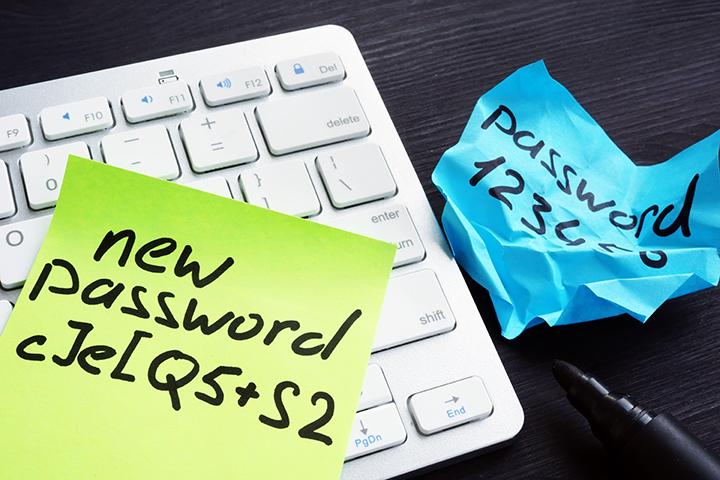
Protecting your credentials is one of the most important things you can do to defend yourself from ransomware and other cyberattacks. There are thousands of articles on password managers, best practices, and multi-factor authentication. Network domains, SaaS applications, and other systems often require complex passwords in the credential set, and even the most basic computer user has been told not to share passwords. So, why are we still talking about this topic?
Threat actors value credentials more than any other data type, including personal data such as Social Security numbers. Stolen credentials can lead to system intrusion, data exfiltration, malware infection, and many types of fraud. The same report finds that 80% of all basic web application attacks and at least 60% of all ransomware attacks rely on stolen credentials or brute force attacks. Credential stuffing attacks are a factor in 23% of security incidents in the organizations monitored for the report.
The most dangerous stolen credentials are those that remain active after they have been stolen. Attackers want to log into the targeted system as authenticated users. This allows them to traverse the systems as an authorized user and often extends the length of time they can hide from intrusion detection.
Ways credentials are used in cyberattacks
Obsolete credentials may be less valuable, but there are still several ways for attackers to use old login information. This is underscored by the fact that stolen data... click the link below to continue