Welcome to Commercial Real Estate GEMS. You are receiving this edition of my eNewsletter because you are involved with commercial real estate as an owner, user, or investor. I trust you will enjoy this issue and get a "gem" or two out of it. Thank you for taking the time to spend a few minutes with me.

Why We Need Data Centers


"The cloud is not really in the clouds. It lives in buildings, powered by electricity, connected by fiber, and operated around the clock."


What Exactly Is a Data Center?

Unless you work in technology or commercial real estate, you may not give much thought to data centers. Yet they are an essential part of our everyday lives.

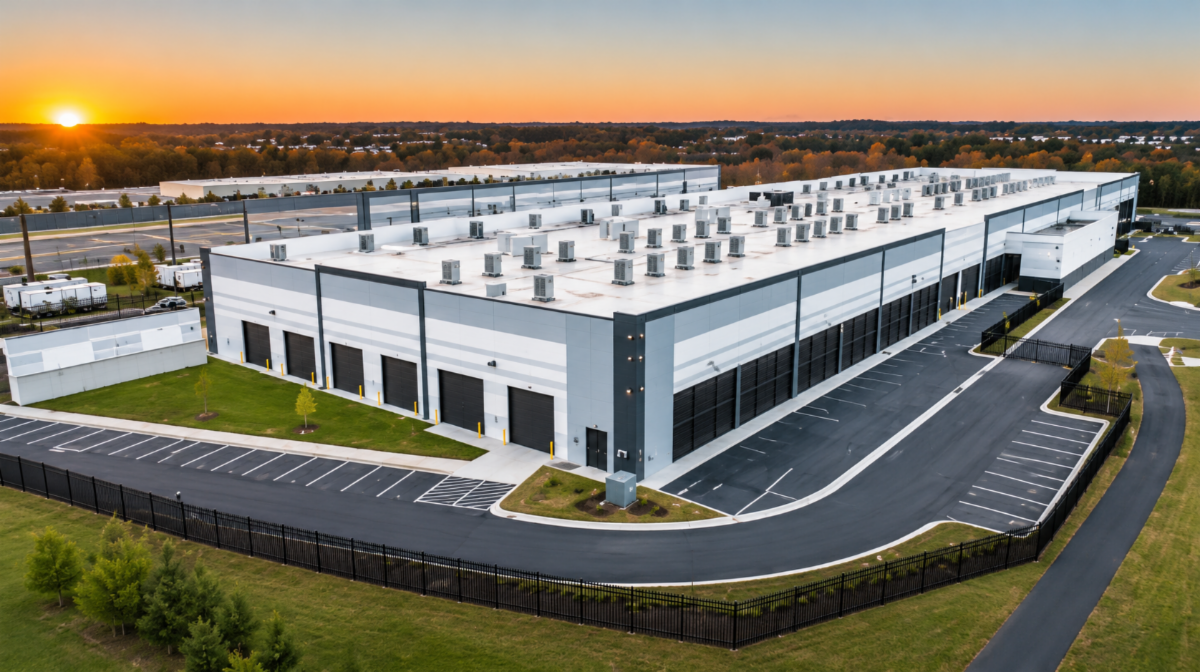
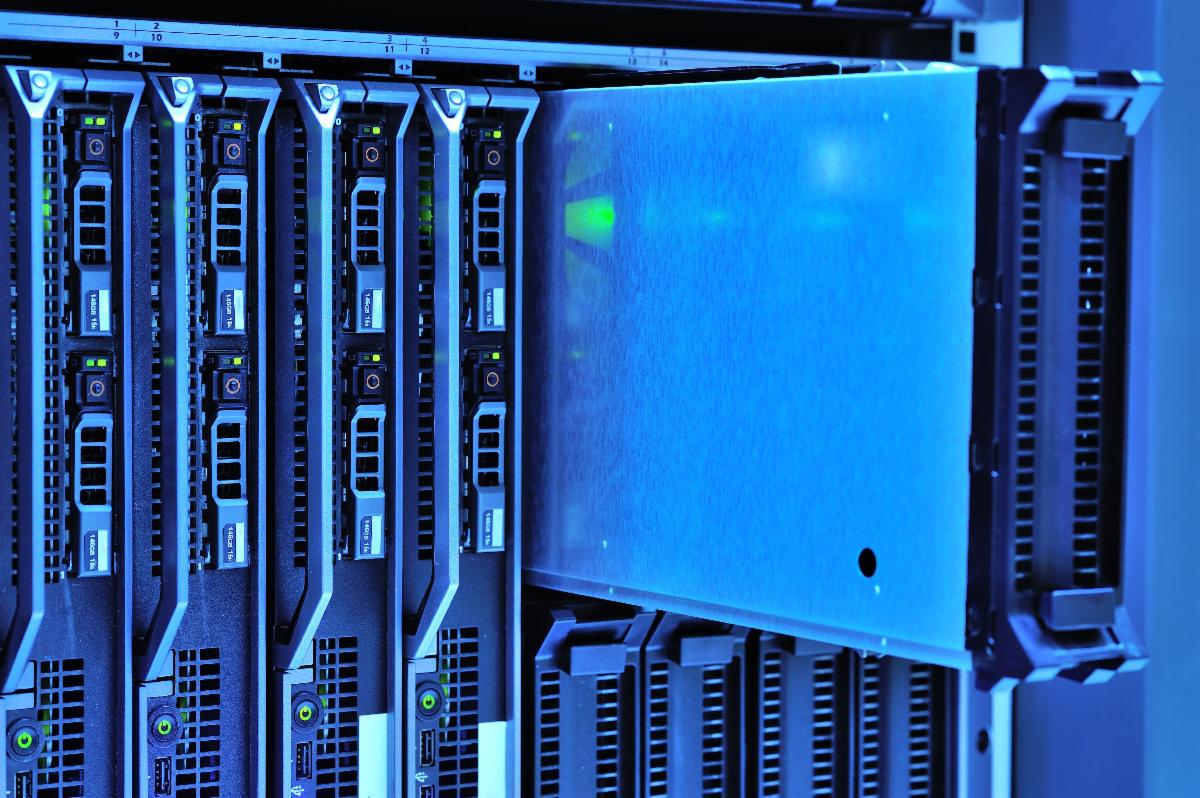
A data center is essentially a highly specialized building that houses thousands of computer servers, storage systems, networking equipment, and supporting infrastructure. These facilities store, process, and distribute enormous amounts of information. We hear the term "the cloud" all the time. But the cloud isn't actually floating somewhere in the sky. It consists of physical servers housed in buildings around the world. Those buildings are data centers.


Why Do We Need Them?

Our world has become increasingly dependent on digital information. The amount of data we create, store, and access continues to grow, and that information needs somewhere to live.


Why Data Centers are so Important:

1. Everyday Communication

Email, video conferencing, social media, text messaging, and countless other communication platforms rely on data centers. Businesses depend on these systems to communicate with employees, customers, suppliers, and partners around the world.

2. Banking and Financial Services

When you use an ATM, transfer money, pay a bill online, or check your investment portfolio, data centers help process and protect those transactions. Financial institutions depend on secure, reliable computing systems operating 24 hours a day.

3. Healthcare

Hospitals and healthcare providers rely on data centers to store medical records, manage patient information, process medical imaging, and support increasingly sophisticated diagnostic tools. Access to accurate information can be critical when making healthcare decisions.

4. Artificial Intelligence (AI)

Artificial intelligence is one of the biggest drivers behind the current demand for data centers. Tools such as ChatGPT, automated business systems, advanced research, and machine learning require enormous computing power. As AI becomes more integrated into our personal and professional lives, the need for data center capacity will continue to grow.

5. National Security and Infrastructure

Government agencies, military operations, transportation systems, utilities, and emergency services all depend on secure digital infrastructure. Data centers help support the systems that keep our country operating.


The Growth Is Staggering

The demand for data centers is no longer just a technology story. It is an economic and infrastructure story. According to the U.S. Department of Energy and Lawrence Berkeley National Laboratory, American data centers consumed approximately 192 billion kilowatt-hours of electricity in 2024, representing about 4.7% of total U.S. electricity consumption.

Their research projects that data centers could account for between 9.5% and 15.3% of U.S. electricity consumption by 2030.These numbers help explain why technology companies are investing billions of dollars in new facilities and why data centers have become such an important part of the commercial real estate landscape.

Why Are Data Centers So Important to Commercial Real Estate?

From a commercial real estate perspective, data centers represent a unique and rapidly evolving property sector. Unlike traditional office buildings, warehouses, or retail centers, data centers have very specialized requirements. Location is important, but it is not necessarily about being close to population centers or major highways.


Some of the most important considerations include:

  • Power: Access to substantial, reliable electrical capacity is often the most important consideration. A site may have hundreds of acres available, but without sufficient power, it may not be viable.
  • Fiber Connectivity: High-speed fiber-optic networks are essential for transmitting enormous amounts of information.
  • Water and Cooling: Servers generate significant heat and require sophisticated cooling systems. Depending on the technology, water availability and cooling design can be important considerations.
  • Land and Zoning: Large sites with appropriate zoning, infrastructure, and room for expansion are attractive to developers.
  • Security: These facilities require extensive physical and cybersecurity measures to protect valuable information and critical systems.


The combination of these requirements makes suitable data center sites relatively specialized and can create significant opportunities for landowners, developers, utilities, investors, and commercial real estate professionals.


Data Centers Provide Substantial Tax Revenue

Data centers can generate substantial tax revenue for local governments, counties, and states. Consider Loudoun County, Virginia, where data centers generated approximately $733 million in tax revenue in fiscal year 2023, representing 31% of the county's total revenue. More recently, a Maryland study estimated that a proposed 660,000-square-foot data center in Washington County could generate approximately $5.5 million annually in county real estate taxes alone. These are impressive numbers and help explain why local governments are interested in attracting this type of development. While there are legitimate concerns about electricity, water, and infrastructure costs, the potential economic benefits and tax contributions deserve to be part of the discussion. When properly planned, data centers can become significant contributors to a community's tax base without requiring the same level of ongoing public services as many other types of development.


But There Are Challenges

As exciting as the industry is, data center development is not without controversy. One of the biggest concerns is electricity consumption. Communities are increasingly asking whether local power grids can handle the additional demand and whether the cost of infrastructure improvements could ultimately affect residential and business customers.

Water consumption, noise from cooling equipment and backup generators, land use, and the overall impact on surrounding communities are also legitimate concerns.


I believe responsible development is essential. Developers, utility companies, local governments, and communities need to work together to ensure that these projects are properly planned and that the necessary infrastructure is in place. Technology companies are also investing in more efficient cooling systems, renewable energy, and other solutions to reduce the environmental impact of their operations. The goal should be to accommodate the growing demand for digital infrastructure while being good neighbors and responsible users of our resources.


China

There is another interesting development worth mentioning. As the United States and China compete for leadership in artificial intelligence and advanced technology, reports have emerged of China-linked social media accounts attempting to influence the American debate over data center development. In June 2026, OpenAI reported that it had disrupted a network of accounts likely originating in China that used AI to generate English-language social media posts criticizing American data center construction. Some of the messaging suggested that data centers were driving up electricity costs for ordinary American families. In August, X also reported identifying approximately 200 accounts associated with a suspected foreign bot network that were posting content intended to manipulate the debate over American AI and energy policy. The apparent objective was to amplify public concerns and create additional opposition to America's technology infrastructure expansion.


While these efforts appear to have had limited reach, they raise an important concern: foreign interests may try to exploit legitimate domestic disagreements to undermine American technological competitiveness. Of course, communities have every right to ask questions about electricity costs, water usage, and environmental impacts. Those concerns deserve honest answers. But we should also recognize that data centers are becoming critical infrastructure, and maintaining America's leadership in technology is increasingly important to our economic and national security.


The Bottom Line

Whether we realize it or not, data centers have become as important to our modern economy as many of the traditional infrastructure systems we have depended on for generations. We may not see them, and most of us will never walk inside one, but they are working behind the scenes every minute of every day. The digital economy needs physical real estate. And increasingly, that real estate is in the form of data centers.

I find it fascinating how quickly this industry has evolved and how significantly it is changing the commercial real estate landscape. It will certainly be interesting to watch what happens over the next five to ten years.


Thank you for taking the time to read this edition of Commercial Real Estate GEMS. I hope you found a gem or two!


Allan Riorda, SIOR
443.741.4040
Local Expertise. International Reach. World Class
Facebook  Linkedin  Instagram